26 Pre-K Lowercase Alphabet Tracing Worksheets – Build Early Writing Skills A to Z
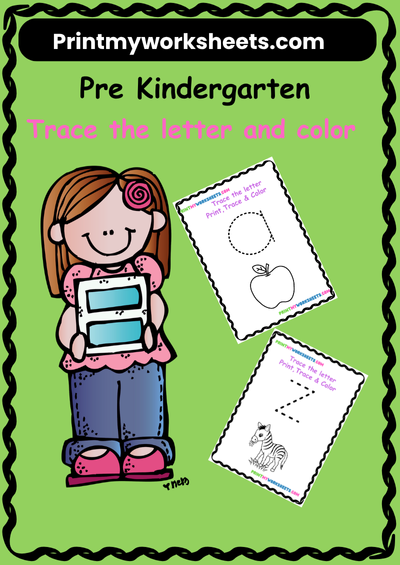
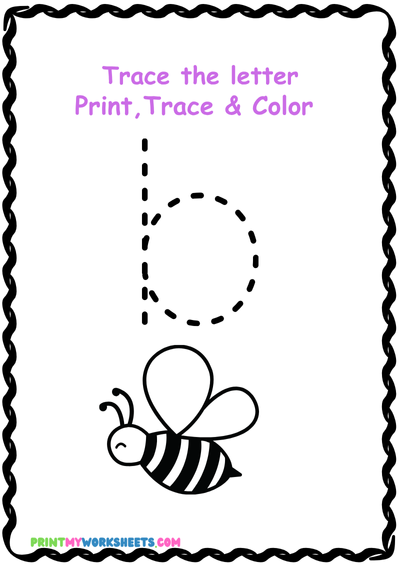
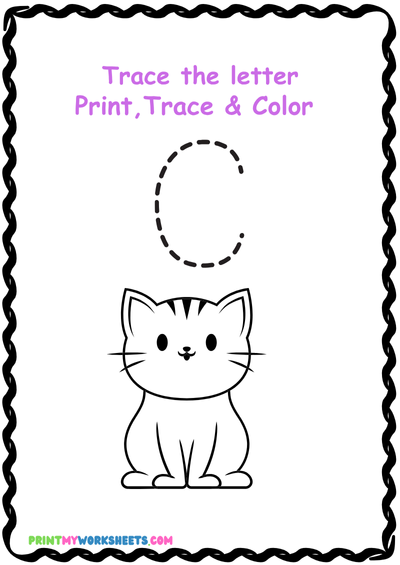
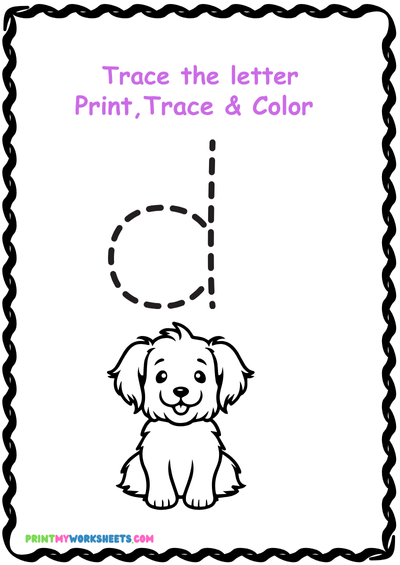
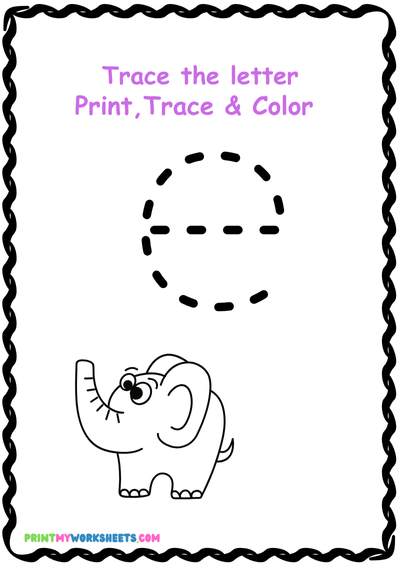
The Pre-K Lowercase Alphabet Tracing Worksheets (Free Downloadable PDF) is a fantastic printable worksheet pack designed to help little toddlers practice handwriting and letter recognition.
These free Pre-K alphabet tracing worksheets are a perfect pack for end-of-year review, homeschooling, or classroom activities. It is completely aligned with U.S Curriculum.
What’s Included in This PDF?
This printable resource includes:
-
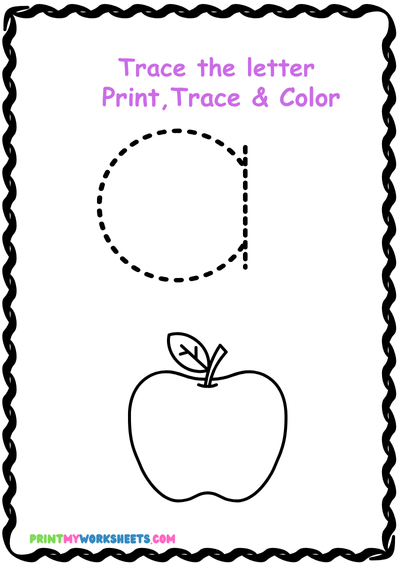
26 individual worksheets, one for each lowercase letter
-
Guided dotted-line tracing practice
-
Multiple tracing rows for repetition
-
Large letter models for visual reference
-
Kid-friendly layout designed for early learners
-
Black-and-white, print-friendly design
-
Age-appropriate spacing for Pre-K students
-
Free downloadable PDF format for easy access
Each page is structured to encourage gradual skill development and consistent practice.
Click below to download the Free Pre-K Lowercase Alphabet Tracing Worksheets instantly via Google Drive.
26 Pre-K Lowercase Alphabet Tracing Worksheets
The 26 Pre-K Lowercase Alphabet Tracing Worksheets resource is designed to help young learners build strong early literacy skills through structured handwriting practice. This free printable PDF is created specifically for U.S. parents, preschool teachers, and homeschool families who want to support letter formation and alphabet recognition in a clear, developmentally appropriate way.
In Pre-K, children begin recognizing letters and understanding that each letter represents a sound. Learning to correctly trace and form lowercase letters is an essential step in early reading and writing development. Because most printed text uses lowercase letters, early familiarity builds confidence and prepares children for kindergarten readiness. These worksheets provide guided tracing practice for all 26 lowercase letters, helping young learners develop muscle memory, visual recognition, and foundational writing skills in an engaging and supportive format.
What Students Will Learn?
Through these lowercase alphabet tracing pages, children will learn how to correctly form each letter from a to z. Each worksheet focuses on a single lowercase letter, allowing students to concentrate on one shape at a time without feeling overwhelmed.
Students practice following directional strokes using dotted lines and guided tracing paths. This structured approach supports proper letter formation habits from the beginning. Children also strengthen their understanding of letter identification as they repeatedly see and trace each letter.
Activities may include large tracing lines for beginners, smaller practice rows for additional repetition, and simple letter recognition elements to reinforce learning. By working through all 26 letters, students gain familiarity with the full lowercase alphabet in a consistent and manageable way.
The clear layout and age-appropriate spacing ensure that young learners can focus on skill development. These tracing exercises align with early childhood literacy expectations across the United States and support smooth progression into kindergarten handwriting tasks.
Educational Value & Skill Development
The 26 Pre-K Lowercase Alphabet Tracing Worksheets provide meaningful educational value beyond simple handwriting practice. Tracing letters strengthens fine motor skills by encouraging proper pencil grip, hand stability, and controlled movements. These foundational motor skills are essential for future writing fluency.
Cognitive development is also supported as children connect visual letter shapes with hand movements. Repeated tracing helps build muscle memory, making letter formation more automatic over time. This reduces frustration and builds writing confidence.
In addition, early tracing practice supports phonemic awareness. As children recognize lowercase letters consistently, they are better prepared to connect letters to their corresponding sounds. This connection forms the basis for decoding and early reading skills.
Confidence grows as children master each letter. Completing all 26 letters gives young learners a sense of accomplishment and readiness for more advanced literacy activities. Consistent exposure through structured worksheets ensures gradual progress and reinforces classroom instruction or homeschool lessons.
Why Focus on Lowercase Alphabet Tracing?
Lowercase letters appear more frequently in everyday reading materials than uppercase letters. Books, worksheets, classroom charts, and printed text primarily use lowercase letters, making early familiarity essential for reading readiness.
In Pre-K, students are developing foundational literacy skills. Practicing lowercase letter formation ensures they learn correct stroke order before habits become difficult to change. Guided repetition supports accuracy and builds long-term writing fluency.
Repetition is especially important at this stage. Young learners benefit from consistent practice that allows them to revisit each letter multiple times. This repetition strengthens memory retention and reinforces recognition.
Early alphabet tracing also supports kindergarten readiness standards across the United States. Many kindergarten classrooms expect students to recognize and attempt writing lowercase letters independently. Developing these skills in Pre-K helps ease that transition and builds confidence in the classroom environment.
How to Use These Worksheets?
The 26 Pre-K Lowercase Alphabet Tracing Worksheets can be used in a variety of learning settings. Preschool teachers may incorporate them into daily literacy centers, small-group handwriting practice, or alphabet-focused lessons. Working alongside a teacher allows children to receive immediate guidance on proper stroke direction and pencil grip.
Homeschool parents can use the worksheets as part of a structured phonics routine. Completing one letter per day or per week creates a steady learning rhythm. Parents may also pair tracing activities with letter sound practice, alphabet songs, or hands-on activities such as forming letters with playdough.
Because this resource is a free printable PDF, families can easily download and print pages as needed. Worksheets can be reused for additional practice, review sessions, or reinforcement before advancing to independent writing tasks.
The simple, clean design allows children to focus on tracing without unnecessary distractions. Whether used in classrooms or at home, these worksheets provide structured and supportive alphabet practice.
Related Worksheets / Extensions:
You may also like:
-
Pre-K uppercase alphabet tracing worksheets
-
Preschool letter recognition activities
-
Beginning phonics worksheets for kindergarten
-
Alphabet matching and sound identification pages
The 26 Pre-K Lowercase Alphabet Tracing Worksheets work well alongside other early literacy resources that focus on phonics, letter sounds, and handwriting development. Combining tracing practice with sound recognition and simple word-building activities strengthens overall literacy growth. By reinforcing alphabet skills in multiple formats, young learners build the confidence and readiness needed for kindergarten reading and writing success.
You may also like :