
7th Grade Cells and Cell Theory Worksheets PDF | Free Science Practice Downloadable
Explore the building blocks of life with our 7th Grade Cells and Cell Theory Worksheets PDF | Free Science Practice Downloadable, created for the US curriculum and ideal for homeschool parents, teachers, and tutors.
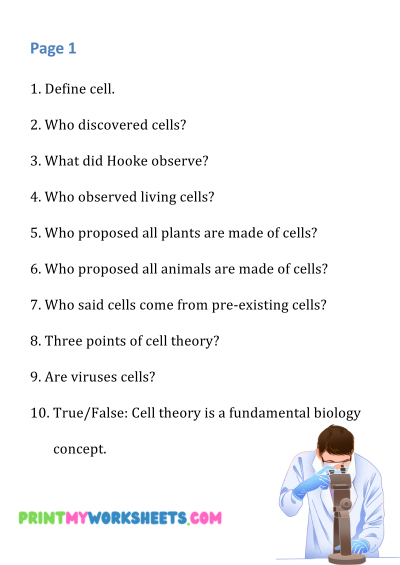
These worksheets cover the fundamentals of cells and cell theory, including the discovery of cells, the three main principles of cell theory, and the differences between prokaryotic and eukaryotic cells. Students will also learn about cell structures and organelles such as the nucleus, mitochondria, cell membrane, and chloroplasts, along with their functions. Activities include labeling diagrams, matching terms, multiple-choice questions, and short-answer practice that make science interactive and easy to understand.
Why is learning about cells important in 7th grade? Cells are the foundation of all living organisms, and understanding their structure and function helps students grasp key biological processes like growth, reproduction, and energy use. Mastering cell theory builds scientific literacy, critical thinking, and problem-solving skills, preparing learners for advanced biology and life sciences.
Perfect for classroom lessons, homeschool study, or independent practice, this free printable PDF is simple to download, print, and use.
Download and print today to give your little learners the head start they deserve!
You may also like:
[gallery ids="5531,4805,5478"] 7th Grade Cells and Cell Theory Worksheets PDF | Free Science Practice Downloadable
Explore the building blocks of life with our 7th Grade Cells and Cell Theory Worksheets PDF | Free Science Practice Downloadable, created for the US curriculum and ideal for homeschool parents, teachers, and tutors.
These worksheets cover the fundamentals of cells and cell theory, including the discovery of cells, the three main principles of cell theory, and the differences between prokaryotic and eukaryotic cells. Students will also learn about cell structures and organelles such as the nucleus, mitochondria, cell membrane, and chloroplasts, along with their functions. Activities include labeling diagrams, matching terms, multiple-choice questions, and short-answer practice that make science interactive and easy to understand.
Why is learning about cells important in 7th grade? Cells are the foundation of all living organisms, and understanding their structure and function helps students grasp key biological processes like growth, reproduction, and energy use. Mastering cell theory builds scientific literacy, critical thinking, and problem-solving skills, preparing learners for advanced biology and life sciences.
Perfect for classroom lessons, homeschool study, or independent practice, this free printable PDF is simple to download, print, and use.
Download and print today to give your little learners the head start they deserve!
You may also like:
[gallery ids="5531,4805,5478"]
7th Grade Genetics and Heredity Worksheets PDF – Build Strong Understanding of Traits and Inheritance
7th Grade Genetics and Heredity Worksheets PDF
Understanding how traits are passed from parents to offspring is a key part of middle school science. This 7th Grade Genetics and Heredity Worksheets PDF is designed to help students explore foundational genetics concepts in a clear, structured, and age-appropriate way. Created for U.S. parents, teachers, and homeschool families, this printable resource supports classroom instruction while making complex ideas easier to understand.
In seventh grade, students begin learning about genes, inherited traits, dominant and recessive characteristics, and basic probability related to heredity. These concepts form the foundation for future biology studies and scientific thinking. This worksheet set provides guided practice that reinforces instruction through examples, diagrams, and critical thinking questions. By working through these pages, students strengthen their understanding of how traits are inherited while building confidence in scientific vocabulary and reasoning. The worksheets are suitable for independent work, small group learning, or review, making them a practical addition to any middle school science curriculum.
What Students Will Learn ?
These worksheets focus on helping seventh-grade students build a strong understanding of genetics and heredity concepts through structured, meaningful activities. Learners explore how traits are passed from one generation to the next and how genes influence physical characteristics.
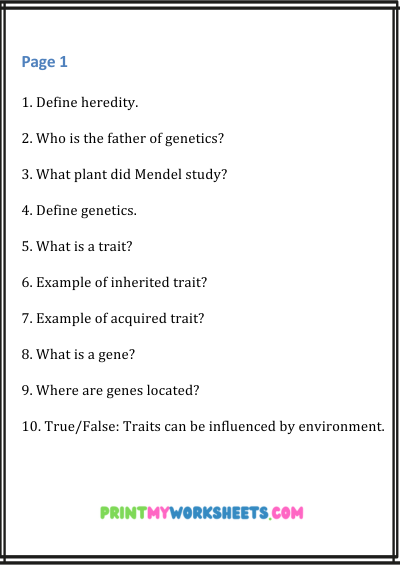
Activities include identifying inherited traits, understanding the role of genes and alleles, and interpreting simple inheritance patterns. Students are introduced to dominant and recessive traits in a way that emphasizes comprehension rather than memorization. Visual-based questions and short explanations help clarify abstract concepts, making the content accessible to a wide range of learners.
The worksheets also encourage students to analyze information, make predictions, and explain their reasoning using scientific language. Each activity is designed to support gradual skill development, moving from basic definitions to applied understanding. This structured approach aligns with grade-level expectations and supports students as they transition from general life science topics to more detailed biological concepts.
Educational Value & Skill Development
Genetics and heredity lessons offer valuable opportunities for academic and cognitive growth. When students work through guided activities such as those in the 7th Grade Genetics and Heredity Worksheets PDF, they practice applying scientific concepts rather than simply recalling facts. This approach supports deeper understanding and long-term retention.
These worksheets help students develop analytical thinking skills by asking them to compare traits, interpret simple models, and draw conclusions based on given information. Reading scientific diagrams and responding to written prompts strengthens comprehension and communication skills. As students become more familiar with genetics vocabulary, they gain confidence participating in discussions and completing assessments.
Repeated exposure to inheritance concepts through structured practice helps students progress from basic recognition to independent explanation. Using the 7th Grade Genetics and Heredity Worksheets PDF as part of regular instruction supports steady skill growth and reinforces classroom learning. Over time, students develop greater independence in understanding science content and applying it to new situations, which is essential for success in later biology courses.
Why Focus on 7th Grade Genetics and Heredity Worksheets ?
Seventh grade is often a student’s first formal introduction to genetics as a scientific discipline. Learning how traits are inherited helps students understand biological relationships and variations among living organisms. These concepts also encourage curiosity about how science connects to real-life observations, such as family traits and diversity.
Focusing on genetics and heredity supports future learning in biology, health, and environmental science. Concepts introduced at this level prepare students for more advanced topics like DNA structure, cell division, and evolution in later grades. Repetition and guided practice are essential because genetics involves new vocabulary and abstract ideas that require time to process.
Structured worksheets provide students with opportunities to revisit concepts, apply them in different contexts, and build confidence. This approach aligns with common U.S. middle school science standards and supports consistent, meaningful learning throughout the school year.
How to Use These Worksheets ?
These worksheets are designed to fit easily into a variety of learning environments. In classrooms, teachers can use them during science lessons, review sessions, or as independent practice following instruction. The activities work well for reinforcing key concepts after lectures or discussions.
Homeschool families can include the worksheets as part of a middle school science unit on heredity. The clear instructions allow students to complete many activities independently, while still offering opportunities for guided discussion. Small groups can use the pages for collaborative learning, comparing answers and explaining reasoning.
Each file is provided as a free printable PDF, making it easy to download, print, and reuse as needed. The worksheets are suitable for review, test preparation, or skill reinforcement throughout the year and during school breaks, helping students maintain and strengthen their understanding.
You may also like :
[gallery ids="5543,5531,5478"]Related Worksheets / Extensions :
You may also like exploring additional middle school science resources that support concept mastery. Worksheets on cell structure, DNA basics, or life cycles can help extend learning and connect genetics to broader biology topics. Probability worksheets may also support understanding inheritance patterns.
Using the 7th Grade Genetics and Heredity Worksheets PDF alongside related science worksheets allows students to see how concepts connect across units. These extensions provide meaningful practice opportunities while supporting continued growth and confidence in middle school science learning.
FAQs: 7th Grade Genetics and Heredity Worksheets PDF
1. Can I use this 7th grade genetics worksheet PDF for homeschooling? Yes, it’s perfect for homeschool and classroom use. 2. Is this heredity worksheet pack good for 7th grade science test prep? Yes, it reinforces key genetics concepts for exams. 3. Can these genetics worksheets be used in Google Classroom? Yes, they are easy to upload and share digitally. 4. Why choose this 7th grade genetics and heredity worksheet bundle? It saves prep time and builds strong genetics understanding. 7th Grade Genetics and Heredity Worksheets PDF – Build Strong Understanding of Traits and Inheritance
7th Grade Genetics and Heredity Worksheets PDF
Understanding how traits are passed from parents to offspring is a key part of middle school science. This 7th Grade Genetics and Heredity Worksheets PDF is designed to help students explore foundational genetics concepts in a clear, structured, and age-appropriate way. Created for U.S. parents, teachers, and homeschool families, this printable resource supports classroom instruction while making complex ideas easier to understand.
In seventh grade, students begin learning about genes, inherited traits, dominant and recessive characteristics, and basic probability related to heredity. These concepts form the foundation for future biology studies and scientific thinking. This worksheet set provides guided practice that reinforces instruction through examples, diagrams, and critical thinking questions. By working through these pages, students strengthen their understanding of how traits are inherited while building confidence in scientific vocabulary and reasoning. The worksheets are suitable for independent work, small group learning, or review, making them a practical addition to any middle school science curriculum.
What Students Will Learn ?
These worksheets focus on helping seventh-grade students build a strong understanding of genetics and heredity concepts through structured, meaningful activities. Learners explore how traits are passed from one generation to the next and how genes influence physical characteristics.
Activities include identifying inherited traits, understanding the role of genes and alleles, and interpreting simple inheritance patterns. Students are introduced to dominant and recessive traits in a way that emphasizes comprehension rather than memorization. Visual-based questions and short explanations help clarify abstract concepts, making the content accessible to a wide range of learners.
The worksheets also encourage students to analyze information, make predictions, and explain their reasoning using scientific language. Each activity is designed to support gradual skill development, moving from basic definitions to applied understanding. This structured approach aligns with grade-level expectations and supports students as they transition from general life science topics to more detailed biological concepts.
Educational Value & Skill Development
Genetics and heredity lessons offer valuable opportunities for academic and cognitive growth. When students work through guided activities such as those in the 7th Grade Genetics and Heredity Worksheets PDF, they practice applying scientific concepts rather than simply recalling facts. This approach supports deeper understanding and long-term retention.
These worksheets help students develop analytical thinking skills by asking them to compare traits, interpret simple models, and draw conclusions based on given information. Reading scientific diagrams and responding to written prompts strengthens comprehension and communication skills. As students become more familiar with genetics vocabulary, they gain confidence participating in discussions and completing assessments.
Repeated exposure to inheritance concepts through structured practice helps students progress from basic recognition to independent explanation. Using the 7th Grade Genetics and Heredity Worksheets PDF as part of regular instruction supports steady skill growth and reinforces classroom learning. Over time, students develop greater independence in understanding science content and applying it to new situations, which is essential for success in later biology courses.
Why Focus on 7th Grade Genetics and Heredity Worksheets ?
Seventh grade is often a student’s first formal introduction to genetics as a scientific discipline. Learning how traits are inherited helps students understand biological relationships and variations among living organisms. These concepts also encourage curiosity about how science connects to real-life observations, such as family traits and diversity.
Focusing on genetics and heredity supports future learning in biology, health, and environmental science. Concepts introduced at this level prepare students for more advanced topics like DNA structure, cell division, and evolution in later grades. Repetition and guided practice are essential because genetics involves new vocabulary and abstract ideas that require time to process.
Structured worksheets provide students with opportunities to revisit concepts, apply them in different contexts, and build confidence. This approach aligns with common U.S. middle school science standards and supports consistent, meaningful learning throughout the school year.
How to Use These Worksheets ?
These worksheets are designed to fit easily into a variety of learning environments. In classrooms, teachers can use them during science lessons, review sessions, or as independent practice following instruction. The activities work well for reinforcing key concepts after lectures or discussions.
Homeschool families can include the worksheets as part of a middle school science unit on heredity. The clear instructions allow students to complete many activities independently, while still offering opportunities for guided discussion. Small groups can use the pages for collaborative learning, comparing answers and explaining reasoning.
Each file is provided as a free printable PDF, making it easy to download, print, and reuse as needed. The worksheets are suitable for review, test preparation, or skill reinforcement throughout the year and during school breaks, helping students maintain and strengthen their understanding.
You may also like :
[gallery ids="5543,5531,5478"]Related Worksheets / Extensions :
You may also like exploring additional middle school science resources that support concept mastery. Worksheets on cell structure, DNA basics, or life cycles can help extend learning and connect genetics to broader biology topics. Probability worksheets may also support understanding inheritance patterns.
Using the 7th Grade Genetics and Heredity Worksheets PDF alongside related science worksheets allows students to see how concepts connect across units. These extensions provide meaningful practice opportunities while supporting continued growth and confidence in middle school science learning.
FAQs: 7th Grade Genetics and Heredity Worksheets PDF
1. Can I use this 7th grade genetics worksheet PDF for homeschooling? Yes, it’s perfect for homeschool and classroom use. 2. Is this heredity worksheet pack good for 7th grade science test prep? Yes, it reinforces key genetics concepts for exams. 3. Can these genetics worksheets be used in Google Classroom? Yes, they are easy to upload and share digitally. 4. Why choose this 7th grade genetics and heredity worksheet bundle? It saves prep time and builds strong genetics understanding.

8th Grade Electricity Worksheets PDF | Free Science Downloadable
8th Grade Electricity Worksheets PDF
These worksheets are designed for US homeschool parents, teachers, and classrooms. These worksheets introduce students to the exciting world of electricity—its types, circuits, current, voltage, resistance, and applications—through hands-on, engaging exercises.
Each worksheet includes circuit diagrams, problem-solving questions, matching activities, and experiments that help students explore how electrical energy works in everyday life. Students will learn about series and parallel circuits, conductors and insulators, Ohm’s Law, and the safe use of electricity in practical situations.
Why learn about electricity?
Understanding electricity is essential for modern science education. It helps students connect physics concepts to real-world applications like powering devices, generating energy, and understanding technology. These worksheets strengthen STEM skills, analytical thinking, and problem-solving, laying the foundation for future studies in engineering, robotics, and physics.
Perfect for classroom learning, homeschool science lessons, or extra study, this free printable PDF makes learning interactive and exciting.
Download and print today to give your little learners the head start they deserve!
You may also like :
[gallery ids="6170,6148,4789"] 8th Grade Electricity Worksheets PDF | Free Science Downloadable
8th Grade Electricity Worksheets PDF
These worksheets are designed for US homeschool parents, teachers, and classrooms. These worksheets introduce students to the exciting world of electricity—its types, circuits, current, voltage, resistance, and applications—through hands-on, engaging exercises.
Each worksheet includes circuit diagrams, problem-solving questions, matching activities, and experiments that help students explore how electrical energy works in everyday life. Students will learn about series and parallel circuits, conductors and insulators, Ohm’s Law, and the safe use of electricity in practical situations.
Why learn about electricity?
Understanding electricity is essential for modern science education. It helps students connect physics concepts to real-world applications like powering devices, generating energy, and understanding technology. These worksheets strengthen STEM skills, analytical thinking, and problem-solving, laying the foundation for future studies in engineering, robotics, and physics.
Perfect for classroom learning, homeschool science lessons, or extra study, this free printable PDF makes learning interactive and exciting.
Download and print today to give your little learners the head start they deserve!
You may also like :
[gallery ids="6170,6148,4789"]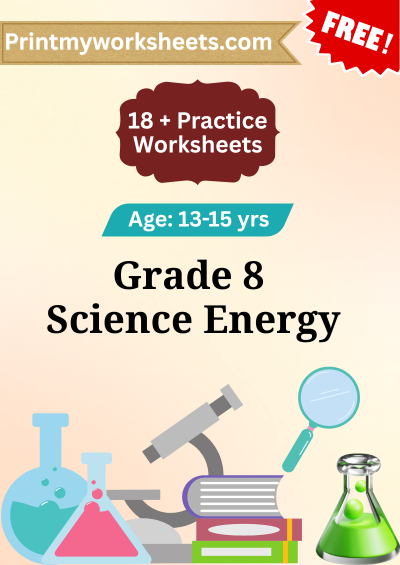
8th Grade Energy Worksheets PDF | Free Science Downloadable
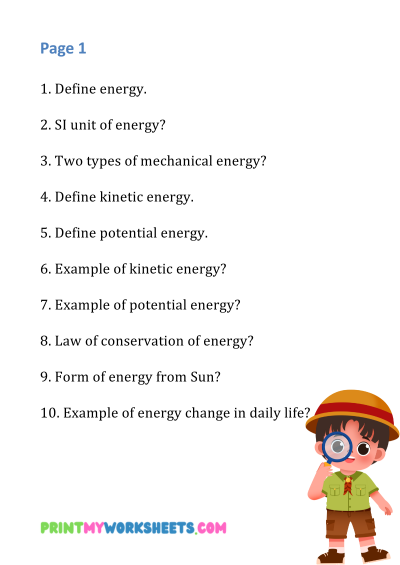
Discover the power of learning with our 8th Grade Energy Worksheets PDF, designed for US homeschool parents, teachers, and classrooms. These worksheets introduce students to the fascinating world of energy—its types, transformations, conservation, and real-world applications—through interactive and engaging exercises.
Each worksheet includes diagrams, problem-solving questions, experiments, and real-life examples to help students understand concepts like potential and kinetic energy, thermal and electrical energy, renewable and nonrenewable sources, and the law of conservation of energy. The activities make complex scientific ideas simple, visual, and exciting to explore.
Why learn about energy in science? Understanding energy is essential to grasp how everything around us works — from powering homes to fueling motion. These worksheets help students develop critical thinking, analytical reasoning, and STEM-based learning, preparing them for higher-level physics and environmental studies.
Perfect for homeschool learning, classroom lessons, or after-school practice, this free printable PDF aligns with US science standards and makes energy education both fun and meaningful.
Download and print today to give your little learners the head start they deserve!
8th Grade Energy Worksheets PDF | Free Science Downloadable
Discover the power of learning with our 8th Grade Energy Worksheets PDF, designed for US homeschool parents, teachers, and classrooms. These worksheets introduce students to the fascinating world of energy—its types, transformations, conservation, and real-world applications—through interactive and engaging exercises.
Each worksheet includes diagrams, problem-solving questions, experiments, and real-life examples to help students understand concepts like potential and kinetic energy, thermal and electrical energy, renewable and nonrenewable sources, and the law of conservation of energy. The activities make complex scientific ideas simple, visual, and exciting to explore.
Why learn about energy in science? Understanding energy is essential to grasp how everything around us works — from powering homes to fueling motion. These worksheets help students develop critical thinking, analytical reasoning, and STEM-based learning, preparing them for higher-level physics and environmental studies.
Perfect for homeschool learning, classroom lessons, or after-school practice, this free printable PDF aligns with US science standards and makes energy education both fun and meaningful.
Download and print today to give your little learners the head start they deserve!
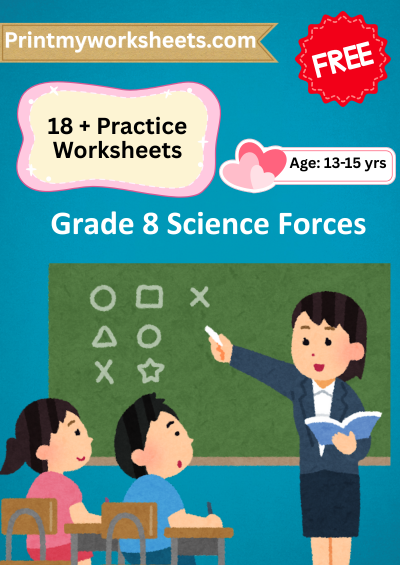
8th Grade Forces Worksheets PDF – Physics Practice with Answer Key
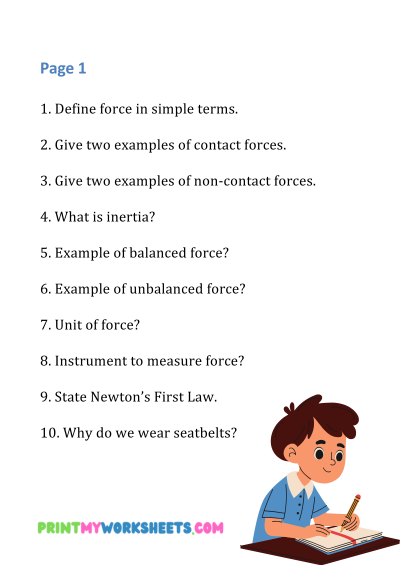
Explore the fascinating world of physics with our 8th Grade Forces Worksheets PDF, designed for US homeschool parents, teachers, and classrooms. These interactive worksheets help students understand the fundamental principles of forces and motion, including gravity, friction, tension, air resistance, and applied force.
Each worksheet features real-world examples, diagrams, problem-solving tasks, and critical thinking questions that make learning about force concepts engaging and relatable. Students will explore how forces interact, affect motion, and change the direction or speed of objects. These hands-on exercises encourage logical reasoning, scientific inquiry, and STEM skill development.
Why learn about forces? Understanding force is essential for mastering physics and building a foundation for engineering, robotics, and technology. It helps students comprehend how the world works — from simple pushes and pulls to complex mechanical systems.
Perfect for classroom learning, homeschool lessons, or science projects, this free printable PDF aligns with middle school science standards and encourages curiosity through experimentation and observation.
Download and print today to give your little learners the head start they deserve!
8th Grade Forces Worksheets PDF – Physics Practice with Answer Key
Explore the fascinating world of physics with our 8th Grade Forces Worksheets PDF, designed for US homeschool parents, teachers, and classrooms. These interactive worksheets help students understand the fundamental principles of forces and motion, including gravity, friction, tension, air resistance, and applied force.
Each worksheet features real-world examples, diagrams, problem-solving tasks, and critical thinking questions that make learning about force concepts engaging and relatable. Students will explore how forces interact, affect motion, and change the direction or speed of objects. These hands-on exercises encourage logical reasoning, scientific inquiry, and STEM skill development.
Why learn about forces? Understanding force is essential for mastering physics and building a foundation for engineering, robotics, and technology. It helps students comprehend how the world works — from simple pushes and pulls to complex mechanical systems.
Perfect for classroom learning, homeschool lessons, or science projects, this free printable PDF aligns with middle school science standards and encourages curiosity through experimentation and observation.
Download and print today to give your little learners the head start they deserve!
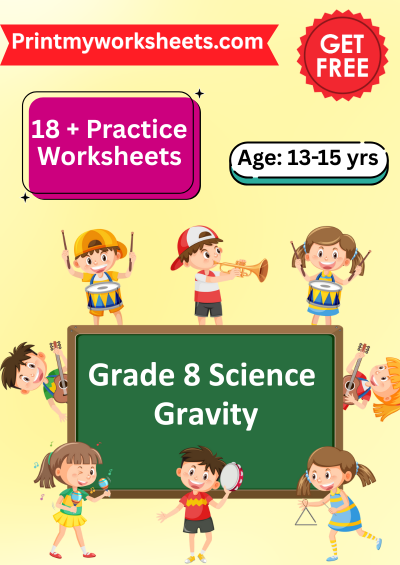
8th Grade Gravity Worksheets PDF | Free Science Practice Downloadable
Introduce your child to the wonders of physics with our 8th Grade Gravity Worksheets | Free Downloadable PDF, designed to support the US curriculum and ideal for homeschool parents, teachers, and tutors.
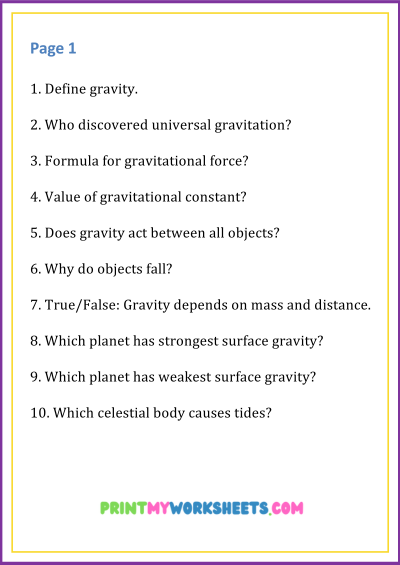
These worksheets cover the fundamentals of gravity, including Newton’s Law of Universal Gravitation, the effect of gravity on planets, satellites, and objects on Earth, and how gravitational force varies with mass and distance. Students will explore real-world applications such as weight vs. mass, orbital motion, tides, and space exploration. Activities include fill-in-the-blank questions, problem-solving exercises, diagram labeling, and short-answer prompts that make learning interactive and engaging.
Why is learning about gravity important in 8th grade? Understanding gravity helps students connect scientific concepts to the real world—from dropping objects in daily life to understanding planetary motion. Studying gravity enhances critical thinking, problem-solving, and scientific reasoning skills while preparing learners for high school physics and future STEM studies.
Perfect for classroom learning, homeschool practice, or independent study, this free printable PDF is simple to download, print, and use. With step-by-step exercises and answer keys included, students gain the confidence to master physics concepts.
Download and print today to give your little learners the head start they deserve!
You may also like:
[gallery ids="6170,6162,6155"] 8th Grade Gravity Worksheets PDF | Free Science Practice Downloadable
Introduce your child to the wonders of physics with our 8th Grade Gravity Worksheets | Free Downloadable PDF, designed to support the US curriculum and ideal for homeschool parents, teachers, and tutors.
These worksheets cover the fundamentals of gravity, including Newton’s Law of Universal Gravitation, the effect of gravity on planets, satellites, and objects on Earth, and how gravitational force varies with mass and distance. Students will explore real-world applications such as weight vs. mass, orbital motion, tides, and space exploration. Activities include fill-in-the-blank questions, problem-solving exercises, diagram labeling, and short-answer prompts that make learning interactive and engaging.
Why is learning about gravity important in 8th grade? Understanding gravity helps students connect scientific concepts to the real world—from dropping objects in daily life to understanding planetary motion. Studying gravity enhances critical thinking, problem-solving, and scientific reasoning skills while preparing learners for high school physics and future STEM studies.
Perfect for classroom learning, homeschool practice, or independent study, this free printable PDF is simple to download, print, and use. With step-by-step exercises and answer keys included, students gain the confidence to master physics concepts.
Download and print today to give your little learners the head start they deserve!
You may also like:
[gallery ids="6170,6162,6155"]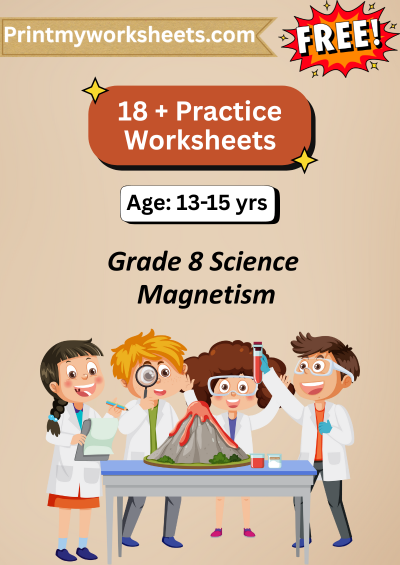

8th Grade Magnetism Worksheets PDF | Free Science Practice Downloadable
Introduce your child to one of the most fascinating forces in science with our 8th Grade Magnetism Worksheets PDF | Free Science Practice Downloadable , designed for the US curriculum and ideal for homeschool parents, teachers, and tutors.
These worksheets cover the essentials of magnetism, including magnetic fields, poles, attraction and repulsion, electromagnets, and real-life applications of magnets. Students will also explore how magnets interact with different materials, the connection between electricity and magnetism, and the role of magnetism in technology. Activities include diagram labeling, problem-solving exercises, fill-in-the-blank questions, and short-answer prompts that make learning both interactive and practical.
Why is magnetism important in 8th grade? Understanding magnetism helps students connect abstract science concepts with real-world applications, from compasses and motors to modern electronics and MRI machines. Learning about magnetic forces strengthens critical thinking, problem-solving, and scientific reasoning skills while preparing students for advanced physics and STEM pathways.
Perfect for classroom learning, homeschooling, or independent study, this free printable PDF is simple to download and use. With clear instructions, engaging activities, and answer keys included, students gain confidence while mastering core science concepts.
Download and print today to give your little learners the head start they deserve!
8th Grade Magnetism Worksheets PDF | Free Science Practice Downloadable
Introduce your child to one of the most fascinating forces in science with our 8th Grade Magnetism Worksheets PDF | Free Science Practice Downloadable , designed for the US curriculum and ideal for homeschool parents, teachers, and tutors.
These worksheets cover the essentials of magnetism, including magnetic fields, poles, attraction and repulsion, electromagnets, and real-life applications of magnets. Students will also explore how magnets interact with different materials, the connection between electricity and magnetism, and the role of magnetism in technology. Activities include diagram labeling, problem-solving exercises, fill-in-the-blank questions, and short-answer prompts that make learning both interactive and practical.
Why is magnetism important in 8th grade? Understanding magnetism helps students connect abstract science concepts with real-world applications, from compasses and motors to modern electronics and MRI machines. Learning about magnetic forces strengthens critical thinking, problem-solving, and scientific reasoning skills while preparing students for advanced physics and STEM pathways.
Perfect for classroom learning, homeschooling, or independent study, this free printable PDF is simple to download and use. With clear instructions, engaging activities, and answer keys included, students gain confidence while mastering core science concepts.
Download and print today to give your little learners the head start they deserve!
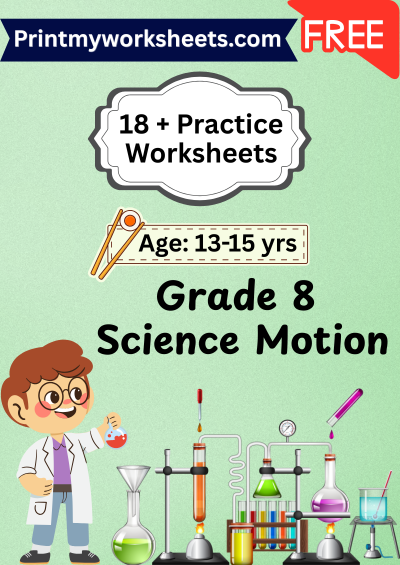
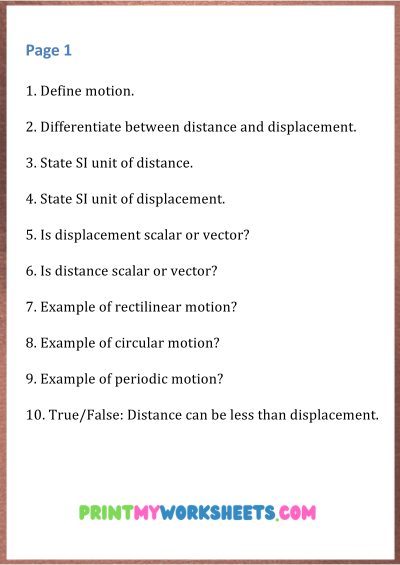
8th Grade Motion Worksheets PDF | Free Science Downloadable
Help your child explore the fascinating world of physics with our 8th Grade Motion Worksheets PDF, created for US homeschool parents, teachers, and classrooms. These engaging worksheets introduce students to the core concepts of motion, speed, velocity, acceleration, and distance-time relationships through interactive, easy-to-understand activities.
Each worksheet features real-life examples, problem-solving tasks, diagrams, and experiments that make learning about motion fun and meaningful. Students will explore how objects move, measure speed, analyze forces, and graph motion — all while developing observation and analytical skills.
Why learn about motion in science? Understanding motion helps children connect everyday experiences — like riding a bike or throwing a ball — to scientific principles. It encourages critical thinking, inquiry-based learning, and problem-solving, which are essential for STEM education and real-world application.
Perfect for classroom lessons, homeschool practice, or science projects, this free printable PDF supports the middle school curriculum and makes complex physics concepts engaging and accessible.
Download and print today to give your little learners the head start they deserve!
8th Grade Motion Worksheets PDF | Free Science Downloadable
Help your child explore the fascinating world of physics with our 8th Grade Motion Worksheets PDF, created for US homeschool parents, teachers, and classrooms. These engaging worksheets introduce students to the core concepts of motion, speed, velocity, acceleration, and distance-time relationships through interactive, easy-to-understand activities.
Each worksheet features real-life examples, problem-solving tasks, diagrams, and experiments that make learning about motion fun and meaningful. Students will explore how objects move, measure speed, analyze forces, and graph motion — all while developing observation and analytical skills.
Why learn about motion in science? Understanding motion helps children connect everyday experiences — like riding a bike or throwing a ball — to scientific principles. It encourages critical thinking, inquiry-based learning, and problem-solving, which are essential for STEM education and real-world application.
Perfect for classroom lessons, homeschool practice, or science projects, this free printable PDF supports the middle school curriculum and makes complex physics concepts engaging and accessible.
Download and print today to give your little learners the head start they deserve!


8th Grade Waves Worksheets PDF | Free Science Downloadable
8th Grade Waves Worksheets PDF
Understanding waves is a key part of middle school science, connecting physics concepts to real-world experiences like sound, light, and water motion. The 8th Grade Waves Worksheets PDF is designed to help students explore wave behavior through structured, curriculum-aligned practice. Created for U.S. parents, science teachers, and homeschool families, this free printable resource supports classroom instruction and independent learning with clear explanations and engaging activities.
In eighth grade, students move beyond basic observations and begin analyzing how waves transfer energy, how wave properties are measured, and how different types of waves behave. Mastering these ideas is essential for success in physical science and prepares learners for high school physics and chemistry. These worksheets provide guided practice that reinforces classroom lessons while encouraging critical thinking and scientific reasoning. With a student-friendly format and printable PDF access, this resource makes wave concepts easier to understand, review, and apply with confidence.
What Students Will Learn?
These worksheets are designed to deepen students’ understanding of wave concepts taught in middle school science. Learners explore the fundamental characteristics of waves, including wavelength, frequency, amplitude, and wave speed. Activities help students distinguish between mechanical waves and electromagnetic waves while examining examples such as sound waves, light waves, and water waves.
Students work through diagrams, labeling exercises, and short-response questions that reinforce scientific vocabulary and conceptual understanding. Some activities focus on interpreting wave models and graphs, helping students connect mathematical representations with physical behavior. Others encourage students to compare transverse and longitudinal waves, building clarity around how waves move and transfer energy.
The worksheets support structured learning by presenting concepts in a logical sequence, from basic definitions to applied understanding. Designed to match eighth-grade expectations, the activities challenge students to think critically without overwhelming them. This balanced approach helps learners build confidence as they apply wave concepts to real-world scientific phenomena.
Educational Value & Skill Development
The 8th Grade Waves Worksheets PDF offers strong educational value by supporting both academic mastery and broader skill development. Academically, these worksheets reinforce core physical science standards related to wave motion, energy transfer, and scientific modeling. Students gain repeated exposure to key concepts, which helps solidify understanding and improve retention.
From a cognitive perspective, working with wave diagrams and data builds analytical thinking and problem-solving skills. Students practice interpreting visual information, identifying relationships between variables, and drawing evidence-based conclusions. These skills are essential not only in science but across STEM subjects.
Confidence and independence also grow as students successfully complete activities and check their understanding. Worksheets allow learners to work at their own pace, revisit challenging topics, and self-assess progress. Over time, students move from recognizing wave properties to explaining how waves behave in different situations. This progression prepares them for more advanced scientific inquiry and high school-level coursework.
Why Focus on Waves?
Waves are a foundational concept in physical science, connecting multiple areas of study including sound, light, electricity, and magnetism. Understanding wave behavior helps students make sense of everyday experiences, from hearing music to seeing images and using modern technology.
Focusing on waves in eighth grade supports future learning by preparing students for more complex physics concepts such as energy conservation, optics, and wave interference. These ideas appear frequently in high school science and standardized assessments.
Repetition and guided practice are critical for mastering wave concepts, which can feel abstract at first. Worksheets provide a consistent structure for reviewing definitions, analyzing diagrams, and applying knowledge. This approach aligns with U.S. middle school science standards that emphasize modeling, data interpretation, and conceptual understanding. Strengthening these skills early helps students approach advanced science topics with confidence and clarity.
How to Use These Worksheets?
These worksheets are flexible and easy to integrate into different learning environments. In classrooms, teachers can use them as part of a unit on waves, during guided practice, or as review material before assessments. They also work well for small-group instruction or science centers focused on reinforcing key concepts.
For homeschool families, the worksheets provide a clear and organized way to teach wave concepts at home. Parents can use them to supplement textbooks, online lessons, or hands-on experiments. Students may complete pages independently or discuss answers together to deepen understanding.
The 8th Grade Waves Worksheets PDF is available as a free printable PDF, making it easy to download, print, and reuse throughout the school year. Pages can be revisited for review or selected based on specific learning needs, allowing instruction to remain flexible and student-centered.
Related Worksheets / Extensions:
You may also like :
[gallery ids="5693,4789,4483"] 8th Grade Waves Worksheets PDF | Free Science Downloadable
8th Grade Waves Worksheets PDF
Understanding waves is a key part of middle school science, connecting physics concepts to real-world experiences like sound, light, and water motion. The 8th Grade Waves Worksheets PDF is designed to help students explore wave behavior through structured, curriculum-aligned practice. Created for U.S. parents, science teachers, and homeschool families, this free printable resource supports classroom instruction and independent learning with clear explanations and engaging activities.
In eighth grade, students move beyond basic observations and begin analyzing how waves transfer energy, how wave properties are measured, and how different types of waves behave. Mastering these ideas is essential for success in physical science and prepares learners for high school physics and chemistry. These worksheets provide guided practice that reinforces classroom lessons while encouraging critical thinking and scientific reasoning. With a student-friendly format and printable PDF access, this resource makes wave concepts easier to understand, review, and apply with confidence.
What Students Will Learn?
These worksheets are designed to deepen students’ understanding of wave concepts taught in middle school science. Learners explore the fundamental characteristics of waves, including wavelength, frequency, amplitude, and wave speed. Activities help students distinguish between mechanical waves and electromagnetic waves while examining examples such as sound waves, light waves, and water waves.
Students work through diagrams, labeling exercises, and short-response questions that reinforce scientific vocabulary and conceptual understanding. Some activities focus on interpreting wave models and graphs, helping students connect mathematical representations with physical behavior. Others encourage students to compare transverse and longitudinal waves, building clarity around how waves move and transfer energy.
The worksheets support structured learning by presenting concepts in a logical sequence, from basic definitions to applied understanding. Designed to match eighth-grade expectations, the activities challenge students to think critically without overwhelming them. This balanced approach helps learners build confidence as they apply wave concepts to real-world scientific phenomena.
Educational Value & Skill Development
The 8th Grade Waves Worksheets PDF offers strong educational value by supporting both academic mastery and broader skill development. Academically, these worksheets reinforce core physical science standards related to wave motion, energy transfer, and scientific modeling. Students gain repeated exposure to key concepts, which helps solidify understanding and improve retention.
From a cognitive perspective, working with wave diagrams and data builds analytical thinking and problem-solving skills. Students practice interpreting visual information, identifying relationships between variables, and drawing evidence-based conclusions. These skills are essential not only in science but across STEM subjects.
Confidence and independence also grow as students successfully complete activities and check their understanding. Worksheets allow learners to work at their own pace, revisit challenging topics, and self-assess progress. Over time, students move from recognizing wave properties to explaining how waves behave in different situations. This progression prepares them for more advanced scientific inquiry and high school-level coursework.
Why Focus on Waves?
Waves are a foundational concept in physical science, connecting multiple areas of study including sound, light, electricity, and magnetism. Understanding wave behavior helps students make sense of everyday experiences, from hearing music to seeing images and using modern technology.
Focusing on waves in eighth grade supports future learning by preparing students for more complex physics concepts such as energy conservation, optics, and wave interference. These ideas appear frequently in high school science and standardized assessments.
Repetition and guided practice are critical for mastering wave concepts, which can feel abstract at first. Worksheets provide a consistent structure for reviewing definitions, analyzing diagrams, and applying knowledge. This approach aligns with U.S. middle school science standards that emphasize modeling, data interpretation, and conceptual understanding. Strengthening these skills early helps students approach advanced science topics with confidence and clarity.
How to Use These Worksheets?
These worksheets are flexible and easy to integrate into different learning environments. In classrooms, teachers can use them as part of a unit on waves, during guided practice, or as review material before assessments. They also work well for small-group instruction or science centers focused on reinforcing key concepts.
For homeschool families, the worksheets provide a clear and organized way to teach wave concepts at home. Parents can use them to supplement textbooks, online lessons, or hands-on experiments. Students may complete pages independently or discuss answers together to deepen understanding.
The 8th Grade Waves Worksheets PDF is available as a free printable PDF, making it easy to download, print, and reuse throughout the school year. Pages can be revisited for review or selected based on specific learning needs, allowing instruction to remain flexible and student-centered.
Related Worksheets / Extensions:
You may also like :
[gallery ids="5693,4789,4483"]
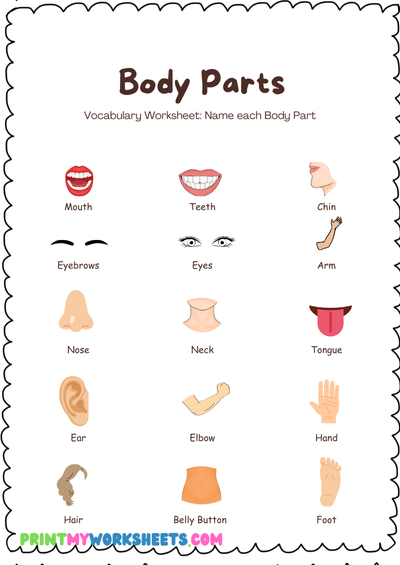
Free Kindergarten Science Body Parts Worksheet for Kids | Downloadable PDF
Free Kindergarten Science Body Parts Worksheet for Kids
Learning about the human body is an exciting and important part of early childhood education. The Free Kindergarten Science Body Parts Worksheet for Kids is designed to help young learners explore basic body parts through simple, engaging, and age-appropriate activities. This printable resource is ideal for U.S. parents, kindergarten teachers, and homeschool families who want to introduce science concepts in a fun and approachable way.
At the kindergarten level, children are naturally curious about how their bodies work and how different parts help them move, see, hear, and interact with the world. Body parts worksheets support early science learning while also strengthening vocabulary, observation skills, and confidence. With clear visuals and guided practice, students can recognize, name, and understand common body parts in a structured and supportive format that encourages active participation and discussion.
What Students Will Learn?
These worksheets focus on building foundational science knowledge by introducing children to common external body parts such as the head, eyes, ears, hands, legs, and feet. Students learn to identify and name body parts using simple words that align with kindergarten reading and comprehension levels.
Activities may include labeling pictures, matching body parts to their names, coloring, tracing, and drawing. These tasks help reinforce recognition while improving fine motor skills and visual awareness. Some pages encourage students to connect body parts with their functions, such as using eyes to see or hands to hold objects.
The worksheets support structured learning by presenting one concept at a time, allowing children to focus without feeling overwhelmed. Instructions are clear and easy to follow, making them suitable for independent practice or guided instruction. The content fits kindergarten expectations by combining science exploration with early literacy and hands-on learning.
Educational Value & Skill Development
The Free Kindergarten Science Body Parts Worksheet for Kids provides strong educational value by combining science instruction with early learning skill development. Academically, students build science vocabulary and develop an understanding of themselves and their physical features. This early exposure lays the groundwork for future lessons on health, biology, and personal care.
Cognitively, learning about body parts helps children develop observation skills and memory. Matching and labeling activities encourage attention to detail and logical thinking. These tasks also support language development as students learn to use correct terms when speaking or answering questions.
Confidence and independence grow as students successfully complete worksheets on their own. The predictable format allows children to feel comfortable with the tasks, which encourages repeated practice. Over time, these activities help students feel more confident discussing science topics and participating in classroom conversations, supporting long-term academic growth.
Why Focus on Science Body Parts?
Understanding body parts is an essential early science skill because it helps children become aware of their own bodies and how they function. In kindergarten, students are developing self-awareness and learning how to describe the world around them. Body parts lessons support this growth by connecting science concepts to everyday experiences.
Learning about the human body also supports health and safety awareness. Children who can identify body parts are better prepared to communicate needs, follow instructions, and participate in physical activities. Repetition and guided practice help reinforce understanding and build lasting knowledge.
These worksheets align with U.S. kindergarten science and health standards by encouraging observation, vocabulary development, and simple explanations. Focusing on body parts at this stage supports both academic learning and personal development.
How to Use These Worksheets?
These worksheets are flexible and easy to use in a variety of learning settings. In classrooms, teachers can include them in science centers, morning work, or thematic units about the human body. Worksheets can be completed individually or discussed as a group to encourage sharing and participation.
Homeschool families can use the worksheets as part of daily science lessons or combine them with hands-on activities such as singing songs, reading books, or pointing to body parts during movement games. The free printable PDF format makes it easy to print multiple copies.
The Free Kindergarten Science Body Parts Worksheet for Kids is also useful for small-group instruction, early finishers, or extra practice at home. Its simple layout supports independent learning while allowing adults to guide discussion when needed.
Related Worksheets / Extensions:
Students who enjoy learning about the human body may also benefit from worksheets on the five senses, healthy habits, or basic life science topics. Pairing body parts worksheets with songs, movement activities, or storybooks can help reinforce understanding.
The Free Kindergarten Science Body Parts Worksheet for Kids works well as part of a larger kindergarten science unit. Related worksheets and extensions encourage curiosity, hands-on exploration, and continued skill development across science and early learning subjects.
You may also like :
[gallery ids="5326,5212,5199"] Free Kindergarten Science Body Parts Worksheet for Kids | Downloadable PDF
Free Kindergarten Science Body Parts Worksheet for Kids
Learning about the human body is an exciting and important part of early childhood education. The Free Kindergarten Science Body Parts Worksheet for Kids is designed to help young learners explore basic body parts through simple, engaging, and age-appropriate activities. This printable resource is ideal for U.S. parents, kindergarten teachers, and homeschool families who want to introduce science concepts in a fun and approachable way.
At the kindergarten level, children are naturally curious about how their bodies work and how different parts help them move, see, hear, and interact with the world. Body parts worksheets support early science learning while also strengthening vocabulary, observation skills, and confidence. With clear visuals and guided practice, students can recognize, name, and understand common body parts in a structured and supportive format that encourages active participation and discussion.
What Students Will Learn?
These worksheets focus on building foundational science knowledge by introducing children to common external body parts such as the head, eyes, ears, hands, legs, and feet. Students learn to identify and name body parts using simple words that align with kindergarten reading and comprehension levels.
Activities may include labeling pictures, matching body parts to their names, coloring, tracing, and drawing. These tasks help reinforce recognition while improving fine motor skills and visual awareness. Some pages encourage students to connect body parts with their functions, such as using eyes to see or hands to hold objects.
The worksheets support structured learning by presenting one concept at a time, allowing children to focus without feeling overwhelmed. Instructions are clear and easy to follow, making them suitable for independent practice or guided instruction. The content fits kindergarten expectations by combining science exploration with early literacy and hands-on learning.
Educational Value & Skill Development
The Free Kindergarten Science Body Parts Worksheet for Kids provides strong educational value by combining science instruction with early learning skill development. Academically, students build science vocabulary and develop an understanding of themselves and their physical features. This early exposure lays the groundwork for future lessons on health, biology, and personal care.
Cognitively, learning about body parts helps children develop observation skills and memory. Matching and labeling activities encourage attention to detail and logical thinking. These tasks also support language development as students learn to use correct terms when speaking or answering questions.
Confidence and independence grow as students successfully complete worksheets on their own. The predictable format allows children to feel comfortable with the tasks, which encourages repeated practice. Over time, these activities help students feel more confident discussing science topics and participating in classroom conversations, supporting long-term academic growth.
Why Focus on Science Body Parts?
Understanding body parts is an essential early science skill because it helps children become aware of their own bodies and how they function. In kindergarten, students are developing self-awareness and learning how to describe the world around them. Body parts lessons support this growth by connecting science concepts to everyday experiences.
Learning about the human body also supports health and safety awareness. Children who can identify body parts are better prepared to communicate needs, follow instructions, and participate in physical activities. Repetition and guided practice help reinforce understanding and build lasting knowledge.
These worksheets align with U.S. kindergarten science and health standards by encouraging observation, vocabulary development, and simple explanations. Focusing on body parts at this stage supports both academic learning and personal development.
How to Use These Worksheets?
These worksheets are flexible and easy to use in a variety of learning settings. In classrooms, teachers can include them in science centers, morning work, or thematic units about the human body. Worksheets can be completed individually or discussed as a group to encourage sharing and participation.
Homeschool families can use the worksheets as part of daily science lessons or combine them with hands-on activities such as singing songs, reading books, or pointing to body parts during movement games. The free printable PDF format makes it easy to print multiple copies.
The Free Kindergarten Science Body Parts Worksheet for Kids is also useful for small-group instruction, early finishers, or extra practice at home. Its simple layout supports independent learning while allowing adults to guide discussion when needed.
Related Worksheets / Extensions:
Students who enjoy learning about the human body may also benefit from worksheets on the five senses, healthy habits, or basic life science topics. Pairing body parts worksheets with songs, movement activities, or storybooks can help reinforce understanding.
The Free Kindergarten Science Body Parts Worksheet for Kids works well as part of a larger kindergarten science unit. Related worksheets and extensions encourage curiosity, hands-on exploration, and continued skill development across science and early learning subjects.
You may also like :
[gallery ids="5326,5212,5199"]
Kindergarten Calendar Worksheets PDF | Free Downloadable
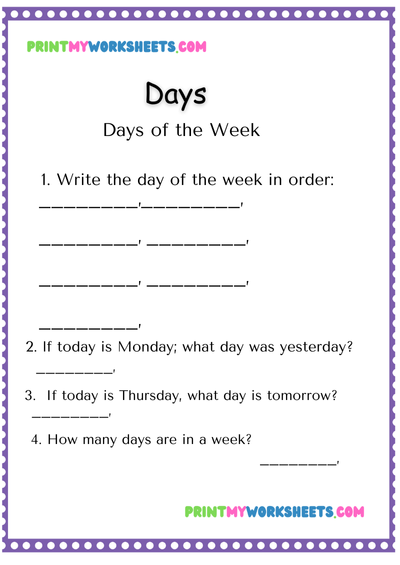
Teach your child the concept of days, weeks, and months with our Kindergarten Calendar Worksheets PDF. Specially designed for early learners, this worksheet makes understanding time and organization both fun and educational.
The worksheet introduces kids to the days of the week, months of the year, and calendar structure through engaging activities like tracing, filling in blanks, and coloring. Children learn how to read a calendar, mark important dates, and identify today’s, yesterday’s, and tomorrow’s dates. With clear visuals and interactive tasks, it helps kids build a strong understanding of how time is measured and organized.
Why is calendar learning important in kindergarten? Understanding calendars builds early math and sequencing skills, teaches the concept of time, and helps children develop planning and organizational habits. It also strengthens vocabulary and comprehension, as children learn terms like “weekend,” “holiday,” or “season.”
Perfect for homeschool parents, kindergarten teachers, and caregivers, this free printable PDF is simple to download, print, and use at home or in classrooms.
You may also like :
[gallery ids="4658,4724,4693"] Kindergarten Calendar Worksheets PDF | Free Downloadable
Teach your child the concept of days, weeks, and months with our Kindergarten Calendar Worksheets PDF. Specially designed for early learners, this worksheet makes understanding time and organization both fun and educational.
The worksheet introduces kids to the days of the week, months of the year, and calendar structure through engaging activities like tracing, filling in blanks, and coloring. Children learn how to read a calendar, mark important dates, and identify today’s, yesterday’s, and tomorrow’s dates. With clear visuals and interactive tasks, it helps kids build a strong understanding of how time is measured and organized.
Why is calendar learning important in kindergarten? Understanding calendars builds early math and sequencing skills, teaches the concept of time, and helps children develop planning and organizational habits. It also strengthens vocabulary and comprehension, as children learn terms like “weekend,” “holiday,” or “season.”
Perfect for homeschool parents, kindergarten teachers, and caregivers, this free printable PDF is simple to download, print, and use at home or in classrooms.
You may also like :
[gallery ids="4658,4724,4693"]
Kindergarten Science Solar System Worksheet for Kids | Free Downloadable PDF
Kindergarten Science Solar System Worksheet for Kids
Introducing young learners to science concepts helps spark curiosity and build a strong foundation for future learning. The Kindergarten Science Solar System Worksheet for Kids is designed to help children explore basic ideas about space in a simple and engaging way. This printable worksheet set is created for U.S. parents, kindergarten teachers, and homeschool families who want to introduce science topics through age-appropriate activities.
At the kindergarten level, students are naturally curious about the sun, moon, stars, and planets they hear about in stories and everyday conversations. Learning about the solar system helps children begin to understand the world beyond Earth while developing observation and thinking skills. These worksheets focus on introducing planets, the sun, and basic space vocabulary using clear visuals and simple prompts. With a child-friendly layout and structured activities, this free printable PDF makes early science learning approachable, helping young students build confidence and interest in exploring space.
What Students Will Learn?
These worksheets are designed to introduce kindergarten students to basic solar system concepts in a developmentally appropriate way. Children learn that the solar system includes the sun, planets, and other objects in space. Early activities help students recognize and name planets, identify the sun as the center of the solar system, and understand simple differences between Earth and other planets.
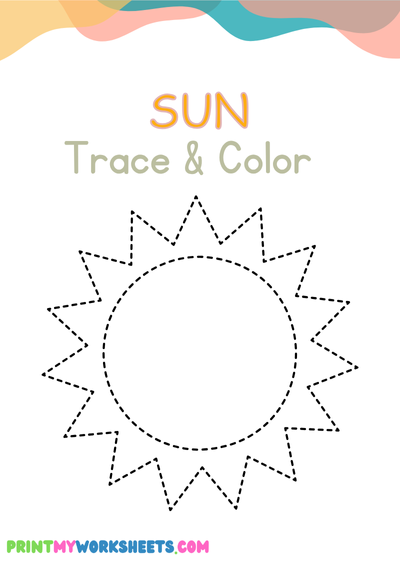
Activities may include matching pictures, coloring planets, tracing names, or identifying objects found in space. These tasks help students connect new vocabulary with visual representations, making abstract concepts easier to understand. Simple labeling exercises also support early reading and fine motor skills.
The worksheets support structured learning by using consistent formats and clear instructions. This predictability helps kindergarten students feel comfortable and focused as they complete each page. The content is aligned with age-appropriate expectations, emphasizing observation, vocabulary development, and curiosity rather than memorization. Through repeated exposure, children gain familiarity with solar system concepts while developing a positive attitude toward science learning.
Educational Value & Skill Development
Early science activities support more than content knowledge; they help develop important thinking and learning skills. The Kindergarten Science Solar System Worksheet for Kids encourages students to observe, compare, and talk about what they see. These foundational skills support scientific thinking and inquiry at an early age.
Academically, the worksheets introduce basic science vocabulary in a meaningful context. Children learn words such as sun, planet, and space while connecting them to images and simple explanations. This strengthens language development alongside science understanding.
Cognitively, activities such as matching and identifying objects support memory, attention, and visual discrimination. Coloring and tracing tasks help improve fine motor skills, which are essential for writing and classroom tasks.
The worksheets also support confidence and independence. When children complete pages successfully, they feel proud of their work and more willing to engage with new topics. Over time, these early experiences help students see science as interesting and accessible. This gradual skill development prepares children for more detailed science learning in later grades, including observation, questioning, and basic research skills.
Why Focus on Kindergarten Science Solar System?
Young children are naturally fascinated by the sky, the sun, and the idea of space. Introducing solar system concepts in kindergarten helps build on this curiosity in a structured and meaningful way. Learning about space encourages children to ask questions and think beyond their immediate environment.
Understanding basic solar system ideas also supports future science learning. As students move into higher grades, they will explore Earth science, astronomy, and physical science topics in more detail. Early exposure helps make these concepts feel familiar rather than overwhelming.
Repetition and guided practice are especially important for young learners. Worksheets provide consistent opportunities to revisit new ideas through simple activities. These practices align with early science learning standards used across the United States, which emphasize observation, exploration, and vocabulary development. By focusing on solar system concepts early, students develop curiosity and foundational knowledge that supports continued success in science.
How to Use These Worksheets?
These printable science worksheets are flexible and easy to use in a variety of learning environments. In homeschool settings, they can be included as part of a themed unit on space or used as a short science activity during the week. Parents can talk with their child about the pictures and encourage questions to deepen understanding.
In classrooms, teachers may use the worksheets during whole-group instruction, small-group activities, or independent work time. They also work well as part of a science center or as reinforcement after a read-aloud about space.
The Kindergarten Science Solar System Worksheet for Kids is provided as a free printable PDF, making it easy to download and reuse. Pages can be printed as needed or placed in sheet protectors for repeated use with crayons or dry-erase markers. This reusability allows educators and families to adapt the worksheets to different learning styles and routines.
Related Worksheets / Extensions:
To continue science learning, you may also explore worksheets focused on topics such as the sun and moon, day and night, seasons, or weather. These subjects connect naturally with solar system concepts and help children understand how space relates to daily life.
The Kindergarten Science Solar System Worksheet for Kids can also be paired with first-grade space worksheets as students progress. Extending learning across grade levels helps reinforce concepts and supports a smooth transition into more detailed science instruction. These related resources encourage curiosity, build confidence, and help young learners develop a lasting interest in science.
You may also like :
[gallery ids="5326,5199,5205"] Kindergarten Science Solar System Worksheet for Kids | Free Downloadable PDF
Kindergarten Science Solar System Worksheet for Kids
Introducing young learners to science concepts helps spark curiosity and build a strong foundation for future learning. The Kindergarten Science Solar System Worksheet for Kids is designed to help children explore basic ideas about space in a simple and engaging way. This printable worksheet set is created for U.S. parents, kindergarten teachers, and homeschool families who want to introduce science topics through age-appropriate activities.
At the kindergarten level, students are naturally curious about the sun, moon, stars, and planets they hear about in stories and everyday conversations. Learning about the solar system helps children begin to understand the world beyond Earth while developing observation and thinking skills. These worksheets focus on introducing planets, the sun, and basic space vocabulary using clear visuals and simple prompts. With a child-friendly layout and structured activities, this free printable PDF makes early science learning approachable, helping young students build confidence and interest in exploring space.
What Students Will Learn?
These worksheets are designed to introduce kindergarten students to basic solar system concepts in a developmentally appropriate way. Children learn that the solar system includes the sun, planets, and other objects in space. Early activities help students recognize and name planets, identify the sun as the center of the solar system, and understand simple differences between Earth and other planets.
Activities may include matching pictures, coloring planets, tracing names, or identifying objects found in space. These tasks help students connect new vocabulary with visual representations, making abstract concepts easier to understand. Simple labeling exercises also support early reading and fine motor skills.
The worksheets support structured learning by using consistent formats and clear instructions. This predictability helps kindergarten students feel comfortable and focused as they complete each page. The content is aligned with age-appropriate expectations, emphasizing observation, vocabulary development, and curiosity rather than memorization. Through repeated exposure, children gain familiarity with solar system concepts while developing a positive attitude toward science learning.
Educational Value & Skill Development
Early science activities support more than content knowledge; they help develop important thinking and learning skills. The Kindergarten Science Solar System Worksheet for Kids encourages students to observe, compare, and talk about what they see. These foundational skills support scientific thinking and inquiry at an early age.
Academically, the worksheets introduce basic science vocabulary in a meaningful context. Children learn words such as sun, planet, and space while connecting them to images and simple explanations. This strengthens language development alongside science understanding.
Cognitively, activities such as matching and identifying objects support memory, attention, and visual discrimination. Coloring and tracing tasks help improve fine motor skills, which are essential for writing and classroom tasks.
The worksheets also support confidence and independence. When children complete pages successfully, they feel proud of their work and more willing to engage with new topics. Over time, these early experiences help students see science as interesting and accessible. This gradual skill development prepares children for more detailed science learning in later grades, including observation, questioning, and basic research skills.
Why Focus on Kindergarten Science Solar System?
Young children are naturally fascinated by the sky, the sun, and the idea of space. Introducing solar system concepts in kindergarten helps build on this curiosity in a structured and meaningful way. Learning about space encourages children to ask questions and think beyond their immediate environment.
Understanding basic solar system ideas also supports future science learning. As students move into higher grades, they will explore Earth science, astronomy, and physical science topics in more detail. Early exposure helps make these concepts feel familiar rather than overwhelming.
Repetition and guided practice are especially important for young learners. Worksheets provide consistent opportunities to revisit new ideas through simple activities. These practices align with early science learning standards used across the United States, which emphasize observation, exploration, and vocabulary development. By focusing on solar system concepts early, students develop curiosity and foundational knowledge that supports continued success in science.
How to Use These Worksheets?
These printable science worksheets are flexible and easy to use in a variety of learning environments. In homeschool settings, they can be included as part of a themed unit on space or used as a short science activity during the week. Parents can talk with their child about the pictures and encourage questions to deepen understanding.
In classrooms, teachers may use the worksheets during whole-group instruction, small-group activities, or independent work time. They also work well as part of a science center or as reinforcement after a read-aloud about space.
The Kindergarten Science Solar System Worksheet for Kids is provided as a free printable PDF, making it easy to download and reuse. Pages can be printed as needed or placed in sheet protectors for repeated use with crayons or dry-erase markers. This reusability allows educators and families to adapt the worksheets to different learning styles and routines.
Related Worksheets / Extensions:
To continue science learning, you may also explore worksheets focused on topics such as the sun and moon, day and night, seasons, or weather. These subjects connect naturally with solar system concepts and help children understand how space relates to daily life.
The Kindergarten Science Solar System Worksheet for Kids can also be paired with first-grade space worksheets as students progress. Extending learning across grade levels helps reinforce concepts and supports a smooth transition into more detailed science instruction. These related resources encourage curiosity, build confidence, and help young learners develop a lasting interest in science.
You may also like :
[gallery ids="5326,5199,5205"]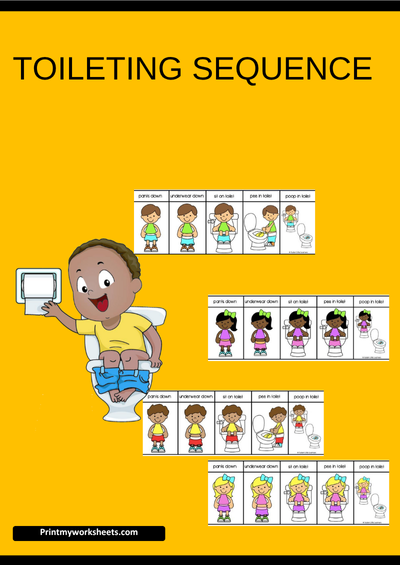
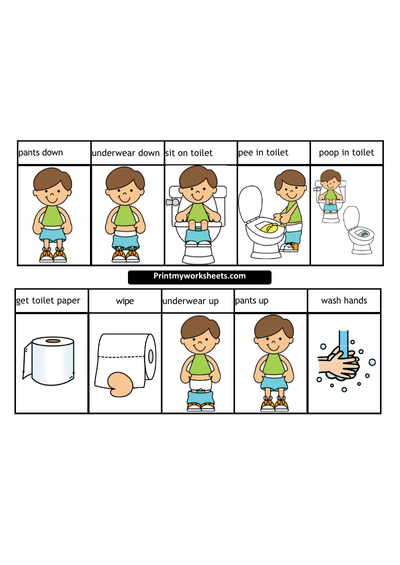
Kindergarten Toileting Sequence Worksheets PDF | Free Downloadable
Kindergarten Toileting Sequence Worksheets PDF Teaching children about personal hygiene and daily routines is as important as reading and counting in the early years. Our Toileting Sequence Worksheet, available as a free downloadable PDF, is designed specifically for Kindergarten-aged children in the U.S. to help them understand and follow the correct steps involved in using the toilet.
Whether you're a teacher introducing life skills in the classroom, a homeschool parent supporting independence at home, or a caregiver working with children who need visual guidance, this worksheet offers a fun, easy, and developmentally appropriate approach to toileting routines.
✅ Why Learning Toileting Sequence Is Important:
🧼 Builds Personal Independence – Children gain confidence in taking care of their basic needs
🧠 Strengthens Sequencing Skills – Understanding “first, next, last” builds foundational logical thinking
🧻 Supports Hygiene Habits – Reinforces hand-washing and cleanliness
🏫 Prepares for School Readiness – Most Kindergarten classrooms expect toileting independence
✅ What’s Included in the Worksheet:
-
🚽 Illustrated step-by-step toileting routine
-
🧼 Actions like: Go to toilet → Use toilet → Wipe → Flush → Wash hands → Dry hands
-
✏️ Matching or cut-and-paste activity to reinforce correct order
-
🖍️ Simple images for coloring to promote engagement
-
🧩 Space for practicing sequencing using numbers or drawing
✅ Skills Developed:
-
Sequencing & order recognition
-
Visual comprehension
-
Fine motor (cutting/pasting)
-
Language development (name each step)
-
Social-emotional development (independence and self-care)
✅ How to Use:
-
In classrooms as part of a daily routine lesson
-
In homeschool environments for life skill practice
-
In therapy sessions for children with special needs
-
As visuals in the bathroom for daily reminders
-
During back-to-school transitions to support readiness
✅ Why Teachers & Parents Love This Worksheet:
-
✅ Clear visuals and simple language
-
✅ Great for ESL, ELL, or non-verbal learners
-
✅ Builds daily routine consistency
-
✅ Encourages responsibility and self-reliance
-
✅ Printable and reusable
✅ File Format:
-
PDF download
-
U.S. Letter size (8.5” x 11”)
-
Print-friendly, minimal ink use
-
Color and black-and-white options
Download and print today to give your little learners the head start they deserve!
You may also like :
[gallery ids="4625,4605,4610"] Kindergarten Toileting Sequence Worksheets PDF | Free Downloadable
Kindergarten Toileting Sequence Worksheets PDF Teaching children about personal hygiene and daily routines is as important as reading and counting in the early years. Our Toileting Sequence Worksheet, available as a free downloadable PDF, is designed specifically for Kindergarten-aged children in the U.S. to help them understand and follow the correct steps involved in using the toilet.
Whether you're a teacher introducing life skills in the classroom, a homeschool parent supporting independence at home, or a caregiver working with children who need visual guidance, this worksheet offers a fun, easy, and developmentally appropriate approach to toileting routines.
✅ Why Learning Toileting Sequence Is Important:
🧼 Builds Personal Independence – Children gain confidence in taking care of their basic needs
🧠 Strengthens Sequencing Skills – Understanding “first, next, last” builds foundational logical thinking
🧻 Supports Hygiene Habits – Reinforces hand-washing and cleanliness
🏫 Prepares for School Readiness – Most Kindergarten classrooms expect toileting independence
✅ What’s Included in the Worksheet:
-
🚽 Illustrated step-by-step toileting routine
-
🧼 Actions like: Go to toilet → Use toilet → Wipe → Flush → Wash hands → Dry hands
-
✏️ Matching or cut-and-paste activity to reinforce correct order
-
🖍️ Simple images for coloring to promote engagement
-
🧩 Space for practicing sequencing using numbers or drawing
✅ Skills Developed:
-
Sequencing & order recognition
-
Visual comprehension
-
Fine motor (cutting/pasting)
-
Language development (name each step)
-
Social-emotional development (independence and self-care)
✅ How to Use:
-
In classrooms as part of a daily routine lesson
-
In homeschool environments for life skill practice
-
In therapy sessions for children with special needs
-
As visuals in the bathroom for daily reminders
-
During back-to-school transitions to support readiness
✅ Why Teachers & Parents Love This Worksheet:
-
✅ Clear visuals and simple language
-
✅ Great for ESL, ELL, or non-verbal learners
-
✅ Builds daily routine consistency
-
✅ Encourages responsibility and self-reliance
-
✅ Printable and reusable
✅ File Format:
-
PDF download
-
U.S. Letter size (8.5” x 11”)
-
Print-friendly, minimal ink use
-
Color and black-and-white options
Download and print today to give your little learners the head start they deserve!