
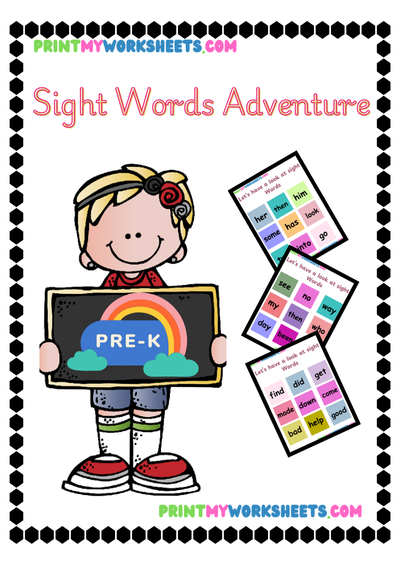
Pre-Kindergarten Sight Words Worksheets PDF | Free English II Downloadable
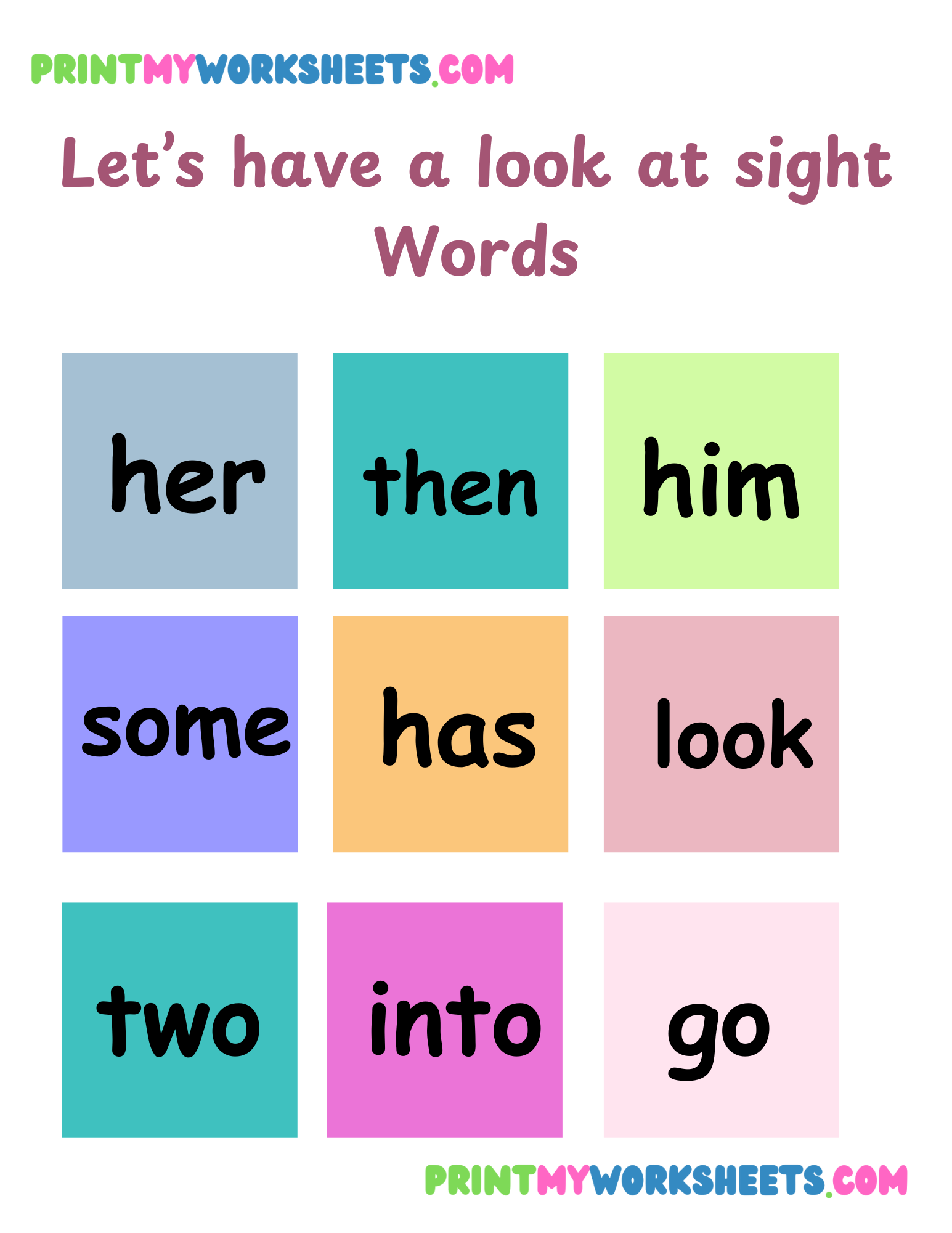
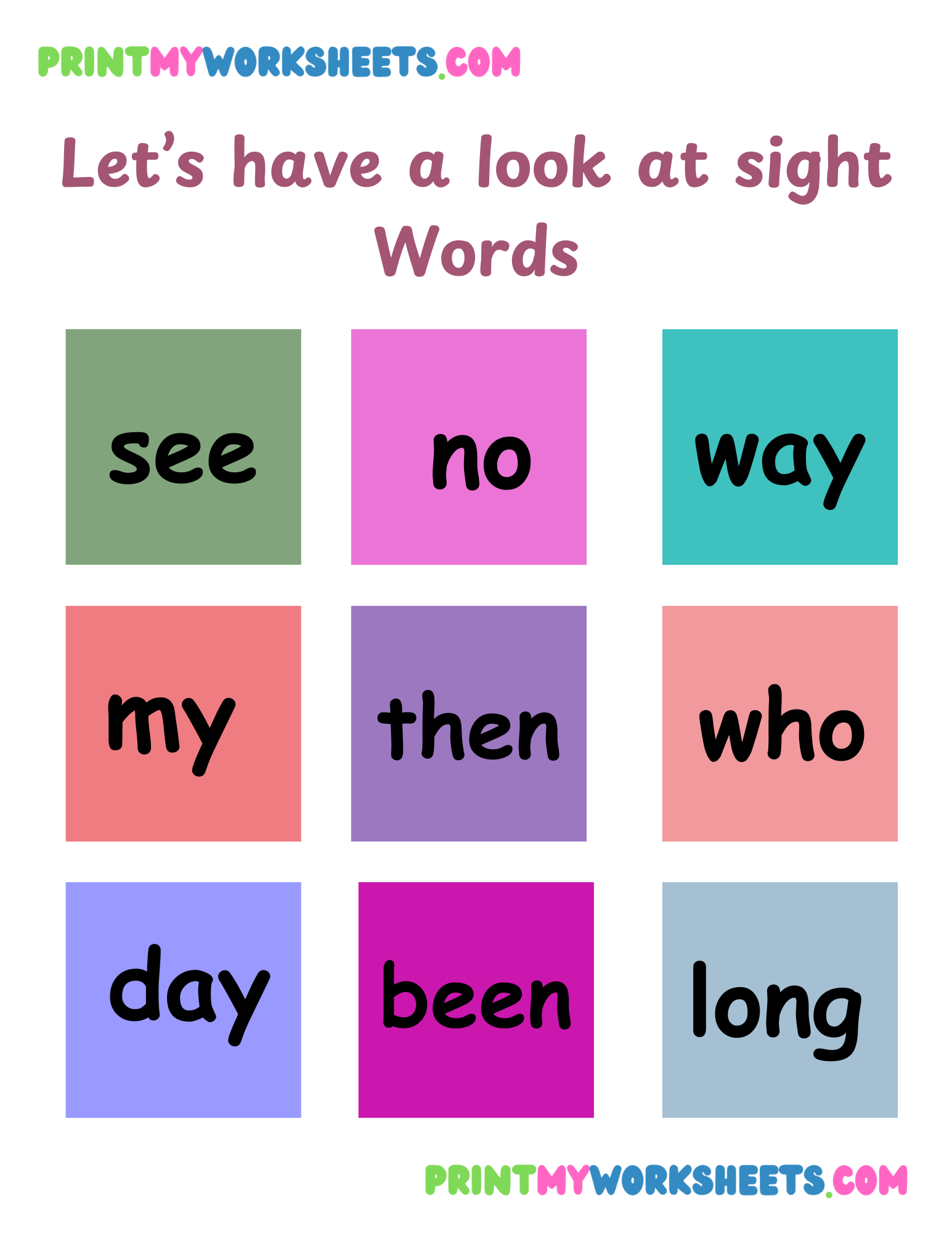
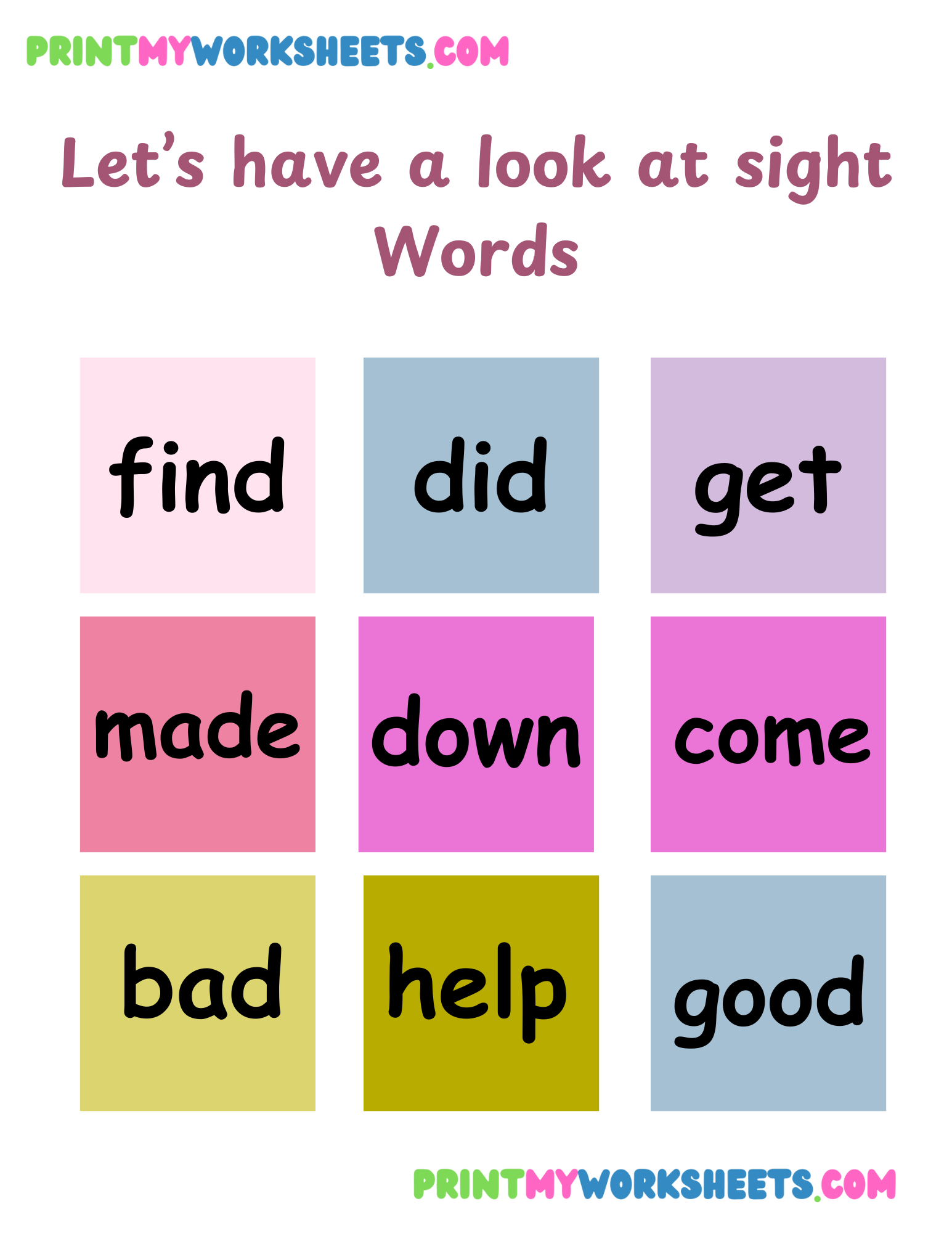
If you’re looking for a powerful way to support your child’s early reading journey, mastering sight words is one of the most important steps. Sight words are high-frequency words that children are encouraged to recognize instantly without sounding them out. These words appear commonly in written text and often don’t follow standard phonetic rules, which is why it’s essential to teach them through recognition and repetition. The worksheet includes large-font sight word flashcards, tracing exercises, fill-in-the-blanks, and color-the-word activities that make learning fun and hands-on. By the end of the worksheet, students will be more comfortable identifying and using common sight words in reading and writing.
📥 Download your free Pre-Kindergarten Sight Words Worksheet PDF now and give your child the gift of confident reading and lifelong literacy skills.It is completely aligned with U.S Curriculum.
Click below to access the Pre-Kindergarten Sight Words Worksheets PDF
Pre-Kindergarten Sight Words Worksheets PDF
The Pre-Kindergarten Sight Words Worksheets PDF is designed to introduce young learners to common high-frequency words in a simple and engaging way. This free printable PDF is ideal for U.S. parents, preschool teachers, and homeschool families who want to build early literacy skills before kindergarten begins.
In Pre-Kindergarten, children are just beginning to explore letters, sounds, and simple word recognition. Introducing sight words at this stage helps students become familiar with everyday words they will encounter in books and classroom materials. Early exposure builds confidence and prepares children for structured reading instruction in kindergarten.
This worksheet collection provides age-appropriate activities that focus on recognizing, tracing, and identifying simple sight words. The activities are designed with young learners in mind, using clear layouts and manageable tasks that encourage success. With consistent practice, children begin to recognize familiar words more quickly and develop a positive attitude toward reading.
What Students Will Learn?
These Pre-K sight word worksheets focus on helping young children become comfortable with recognizing common words by sight. At this stage, the goal is familiarity rather than mastery. Students begin building a foundation that will support future reading success.
Children will practice:
Recognizing simple, high-frequency words
Matching words to pictures
Tracing basic sight words
Identifying words within simple phrases
Listening and repeating familiar words aloud
Strengthening visual word recognition
The activities are carefully structured to match the developmental level of Pre-K learners. Pages include large print, simple directions, and uncluttered designs that reduce distractions.
By repeatedly seeing and practicing the same words, students begin forming connections between spoken language and written text. The worksheets encourage multisensory learning by combining visual recognition with tracing and speaking activities.
These early literacy activities align with preschool readiness expectations across the United States. They support pre-reading skills while keeping the experience playful and positive. The emphasis is on exposure, repetition, and gentle reinforcement rather than formal assessment.
Educational Value & Skill Development
The Pre-Kindergarten Sight Words Worksheets PDF supports early cognitive and literacy development in meaningful ways. Although Pre-K students are not expected to read independently, exposure to sight words helps build familiarity with written language.
Academically, recognizing common words strengthens early reading readiness. When children repeatedly see simple words, they begin to understand that print carries meaning. This awareness is an essential first step toward reading.
Cognitively, sight word practice enhances memory and visual discrimination skills. Young learners learn to notice patterns in letters and shapes, improving their ability to distinguish between similar-looking words.
Tracing activities also strengthen fine motor development. As children practice writing basic words, they build hand-eye coordination and pencil control, which are critical for later writing tasks.
Confidence grows as children successfully recognize familiar words during story time or classroom activities. Positive early experiences with print create a strong foundation for kindergarten literacy instruction. By introducing structured yet gentle practice, these worksheets help children approach reading with curiosity and enthusiasm.
Why Focus on Sight Words?
Sight words are common words that appear frequently in early reading materials. Even before formal reading instruction begins, young children benefit from becoming familiar with a small set of simple words.
In Pre-Kindergarten, the goal is exposure. When children see words repeatedly in books, classroom labels, and daily routines, they begin to understand that printed words represent spoken language. This connection builds print awareness.
Repetition plays a key role. Seeing the same words in different contexts strengthens memory and recognition. Guided practice, combined with read-aloud activities, reinforces learning in a natural way.
Developing familiarity with high-frequency words helps smooth the transition into kindergarten reading programs. Students who have prior exposure often feel more comfortable and confident when formal phonics instruction begins.
Early literacy skills, including sight word recognition, contribute to long-term reading success. Building these skills gradually ensures children are prepared for the next stage of learning.
How to Use These Worksheets?
The Pre-Kindergarten Sight Words Worksheets PDF can be used in preschool classrooms, daycare centers, or homeschool settings. Teachers may incorporate the worksheets into literacy centers or circle-time activities. Parents can use them during short daily learning sessions at home.
Because the resource is provided as a free printable PDF, it can be easily downloaded and printed as needed. Pages may be reused throughout the year for reinforcement and review.
For best results, pair the worksheets with read-aloud time. When children hear the same words spoken while seeing them on paper, learning becomes more meaningful. Encouraging children to say the words aloud while tracing also strengthens retention.
These worksheets are ideal for small group instruction or one-on-one practice. Keeping sessions short and positive ensures young learners remain engaged. Repetition and gentle guidance help children gradually build familiarity with common words.
Related Worksheets / Extensions:
Frequently Asked Questions
Q1. Is this worksheet free to download?
Yes, this worksheet is 100% free to download and print. No account, subscription, or payment is required. Click the Download Now button to get your free PDF instantly.
Q2. What format is this worksheet available in?
This worksheet is available as a printable PDF file. It is black-and-white, printer-friendly, and works on any standard home or classroom printer using A4 or US Letter paper.
Q3. Can I use this worksheet for both classroom and home learning?
Yes, these worksheets are designed for use by classroom teachers, homeschool parents, and tutors. They can be used as morning work, homework, revision practice, or learning centre activities.
Q4. Is this worksheet aligned with Common Core ELA standards?
Yes, this English worksheet is aligned with U.S. Common Core English Language Arts standards and supports foundational literacy development.
Q5. Is this worksheet suitable for ESL or ELL students?
This worksheet can be used as a supplemental resource for ESL and ELL students, particularly for vocabulary building and language pattern practice.