
Pre-Kindergarten Sight Words Worksheets PDF | Free English I Downloadable
Pre-Kindergarten Sight Words Worksheets PDF
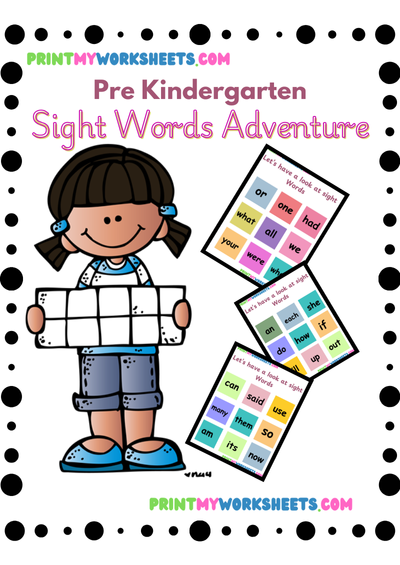
The Pre-Kindergarten Sight Words Worksheets PDF is designed to introduce young learners to common high-frequency words in a simple and engaging way. This free printable PDF is ideal for U.S. parents, preschool teachers, and homeschool families who want to build early literacy skills before kindergarten begins.
In Pre-Kindergarten, children are just beginning to explore letters, sounds, and simple word recognition. Introducing sight words at this stage helps students become familiar with everyday words they will encounter in books and classroom materials. Early exposure builds confidence and prepares children for structured reading instruction in kindergarten.
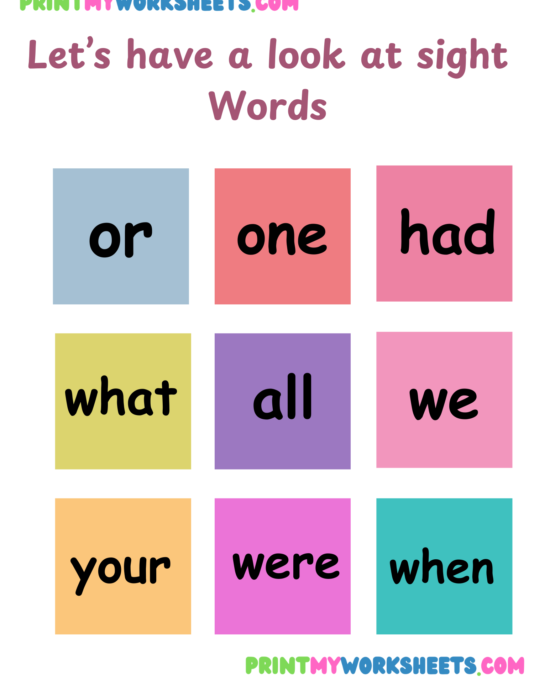
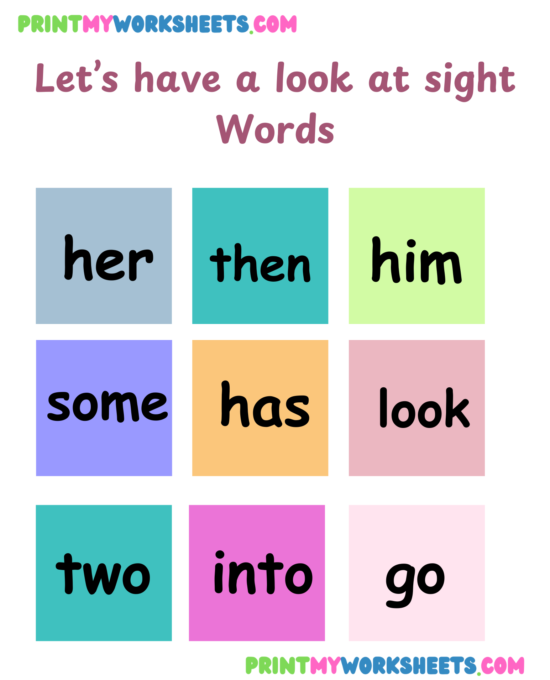
This worksheet collection provides age-appropriate activities that focus on recognizing, tracing, and identifying simple sight words. The activities are designed with young learners in mind, using clear layouts and manageable tasks that encourage success. With consistent practice, children begin to recognize familiar words more quickly and develop a positive attitude toward reading.
What Students Will Learn?
These Pre-K sight word worksheets focus on helping young children become comfortable with recognizing common words by sight. At this stage, the goal is familiarity rather than mastery. Students begin building a foundation that will support future reading success.
Children will practice:
-
Recognizing simple, high-frequency words
-
Matching words to pictures
-
Tracing basic sight words
-
Identifying words within simple phrases
-
Listening and repeating familiar words aloud
-
Strengthening visual word recognition
The activities are carefully structured to match the developmental level of Pre-K learners. Pages include large print, simple directions, and uncluttered designs that reduce distractions.
By repeatedly seeing and practicing the same words, students begin forming connections between spoken language and written text. The worksheets encourage multisensory learning by combining visual recognition with tracing and speaking activities.
These early literacy activities align with preschool readiness expectations across the United States. They support pre-reading skills while keeping the experience playful and positive. The emphasis is on exposure, repetition, and gentle reinforcement rather than formal assessment.
Educational Value & Skill Development
The Pre-Kindergarten Sight Words Worksheets PDF supports early cognitive and literacy development in meaningful ways. Although Pre-K students are not expected to read independently, exposure to sight words helps build familiarity with written language.
Academically, recognizing common words strengthens early reading readiness. When children repeatedly see simple words, they begin to understand that print carries meaning. This awareness is an essential first step toward reading.
Cognitively, sight word practice enhances memory and visual discrimination skills. Young learners learn to notice patterns in letters and shapes, improving their ability to distinguish between similar-looking words.
Tracing activities also strengthen fine motor development. As children practice writing basic words, they build hand-eye coordination and pencil control, which are critical for later writing tasks.
Confidence grows as children successfully recognize familiar words during story time or classroom activities. Positive early experiences with print create a strong foundation for kindergarten literacy instruction. By introducing structured yet gentle practice, these worksheets help children approach reading with curiosity and enthusiasm.
Why Focus on Sight Words?
Sight words are common words that appear frequently in early reading materials. Even before formal reading instruction begins, young children benefit from becoming familiar with a small set of simple words.
In Pre-Kindergarten, the goal is exposure. When children see words repeatedly in books, classroom labels, and daily routines, they begin to understand that printed words represent spoken language. This connection builds print awareness.
Repetition plays a key role. Seeing the same words in different contexts strengthens memory and recognition. Guided practice, combined with read-aloud activities, reinforces learning in a natural way.
Developing familiarity with high-frequency words helps smooth the transition into kindergarten reading programs. Students who have prior exposure often feel more comfortable and confident when formal phonics instruction begins.
Early literacy skills, including sight word recognition, contribute to long-term reading success. Building these skills gradually ensures children are prepared for the next stage of learning.
How to Use These Worksheets?
The Pre-Kindergarten Sight Words Worksheets PDF can be used in preschool classrooms, daycare centers, or homeschool settings. Teachers may incorporate the worksheets into literacy centers or circle-time activities. Parents can use them during short daily learning sessions at home.
Because the resource is provided as a free printable PDF, it can be easily downloaded and printed as needed. Pages may be reused throughout the year for reinforcement and review.
For best results, pair the worksheets with read-aloud time. When children hear the same words spoken while seeing them on paper, learning becomes more meaningful. Encouraging children to say the words aloud while tracing also strengthens retention.
These worksheets are ideal for small group instruction or one-on-one practice. Keeping sessions short and positive ensures young learners remain engaged. Repetition and gentle guidance help children gradually build familiarity with common words.
Related Worksheets / Extensions:
You may also like:
-
Pre-K alphabet tracing worksheets
-
Preschool letter recognition activities
-
Kindergarten sight word worksheets
-
Beginning phonics worksheets
-
Early reading readiness activities
The Pre-Kindergarten Sight Words Worksheets PDF works well alongside alphabet practice and phonemic awareness activities. Combining letter recognition, sound exploration, and early word familiarity creates a balanced approach to preschool literacy development. With consistent exposure and encouragement, young learners build the confidence and foundational skills needed for a successful transition into kindergarten reading instruction.
You may also like :
[gallery ids="5192,5229,5231"] Pre-Kindergarten Sight Words Worksheets PDF | Free English I Downloadable
Pre-Kindergarten Sight Words Worksheets PDF
The Pre-Kindergarten Sight Words Worksheets PDF is designed to introduce young learners to common high-frequency words in a simple and engaging way. This free printable PDF is ideal for U.S. parents, preschool teachers, and homeschool families who want to build early literacy skills before kindergarten begins.
In Pre-Kindergarten, children are just beginning to explore letters, sounds, and simple word recognition. Introducing sight words at this stage helps students become familiar with everyday words they will encounter in books and classroom materials. Early exposure builds confidence and prepares children for structured reading instruction in kindergarten.
This worksheet collection provides age-appropriate activities that focus on recognizing, tracing, and identifying simple sight words. The activities are designed with young learners in mind, using clear layouts and manageable tasks that encourage success. With consistent practice, children begin to recognize familiar words more quickly and develop a positive attitude toward reading.
What Students Will Learn?
These Pre-K sight word worksheets focus on helping young children become comfortable with recognizing common words by sight. At this stage, the goal is familiarity rather than mastery. Students begin building a foundation that will support future reading success.
Children will practice:
-
Recognizing simple, high-frequency words
-
Matching words to pictures
-
Tracing basic sight words
-
Identifying words within simple phrases
-
Listening and repeating familiar words aloud
-
Strengthening visual word recognition
The activities are carefully structured to match the developmental level of Pre-K learners. Pages include large print, simple directions, and uncluttered designs that reduce distractions.
By repeatedly seeing and practicing the same words, students begin forming connections between spoken language and written text. The worksheets encourage multisensory learning by combining visual recognition with tracing and speaking activities.
These early literacy activities align with preschool readiness expectations across the United States. They support pre-reading skills while keeping the experience playful and positive. The emphasis is on exposure, repetition, and gentle reinforcement rather than formal assessment.
Educational Value & Skill Development
The Pre-Kindergarten Sight Words Worksheets PDF supports early cognitive and literacy development in meaningful ways. Although Pre-K students are not expected to read independently, exposure to sight words helps build familiarity with written language.
Academically, recognizing common words strengthens early reading readiness. When children repeatedly see simple words, they begin to understand that print carries meaning. This awareness is an essential first step toward reading.
Cognitively, sight word practice enhances memory and visual discrimination skills. Young learners learn to notice patterns in letters and shapes, improving their ability to distinguish between similar-looking words.
Tracing activities also strengthen fine motor development. As children practice writing basic words, they build hand-eye coordination and pencil control, which are critical for later writing tasks.
Confidence grows as children successfully recognize familiar words during story time or classroom activities. Positive early experiences with print create a strong foundation for kindergarten literacy instruction. By introducing structured yet gentle practice, these worksheets help children approach reading with curiosity and enthusiasm.
Why Focus on Sight Words?
Sight words are common words that appear frequently in early reading materials. Even before formal reading instruction begins, young children benefit from becoming familiar with a small set of simple words.
In Pre-Kindergarten, the goal is exposure. When children see words repeatedly in books, classroom labels, and daily routines, they begin to understand that printed words represent spoken language. This connection builds print awareness.
Repetition plays a key role. Seeing the same words in different contexts strengthens memory and recognition. Guided practice, combined with read-aloud activities, reinforces learning in a natural way.
Developing familiarity with high-frequency words helps smooth the transition into kindergarten reading programs. Students who have prior exposure often feel more comfortable and confident when formal phonics instruction begins.
Early literacy skills, including sight word recognition, contribute to long-term reading success. Building these skills gradually ensures children are prepared for the next stage of learning.
How to Use These Worksheets?
The Pre-Kindergarten Sight Words Worksheets PDF can be used in preschool classrooms, daycare centers, or homeschool settings. Teachers may incorporate the worksheets into literacy centers or circle-time activities. Parents can use them during short daily learning sessions at home.
Because the resource is provided as a free printable PDF, it can be easily downloaded and printed as needed. Pages may be reused throughout the year for reinforcement and review.
For best results, pair the worksheets with read-aloud time. When children hear the same words spoken while seeing them on paper, learning becomes more meaningful. Encouraging children to say the words aloud while tracing also strengthens retention.
These worksheets are ideal for small group instruction or one-on-one practice. Keeping sessions short and positive ensures young learners remain engaged. Repetition and gentle guidance help children gradually build familiarity with common words.
Related Worksheets / Extensions:
You may also like:
-
Pre-K alphabet tracing worksheets
-
Preschool letter recognition activities
-
Kindergarten sight word worksheets
-
Beginning phonics worksheets
-
Early reading readiness activities
The Pre-Kindergarten Sight Words Worksheets PDF works well alongside alphabet practice and phonemic awareness activities. Combining letter recognition, sound exploration, and early word familiarity creates a balanced approach to preschool literacy development. With consistent exposure and encouragement, young learners build the confidence and foundational skills needed for a successful transition into kindergarten reading instruction.
You may also like :
[gallery ids="5192,5229,5231"]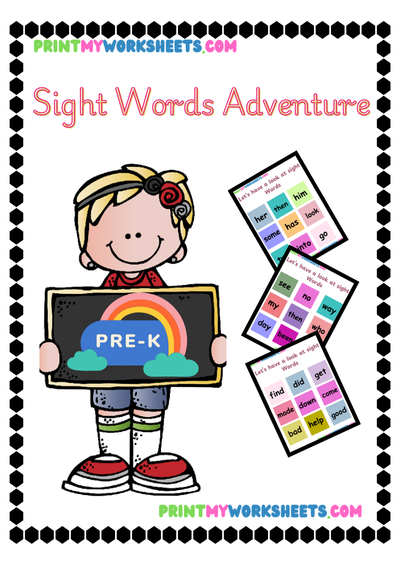
Pre-Kindergarten Sight Words Worksheets PDF | Free English II Downloadable
Pre-Kindergarten Sight Words Worksheets PDF
The Pre-Kindergarten Sight Words Worksheets PDF is designed to introduce young learners to common high-frequency words in a simple and engaging way. This free printable PDF is ideal for U.S. parents, preschool teachers, and homeschool families who want to build early literacy skills before kindergarten begins.
In Pre-Kindergarten, children are just beginning to explore letters, sounds, and simple word recognition. Introducing sight words at this stage helps students become familiar with everyday words they will encounter in books and classroom materials. Early exposure builds confidence and prepares children for structured reading instruction in kindergarten.
This worksheet collection provides age-appropriate activities that focus on recognizing, tracing, and identifying simple sight words. The activities are designed with young learners in mind, using clear layouts and manageable tasks that encourage success. With consistent practice, children begin to recognize familiar words more quickly and develop a positive attitude toward reading.
What Students Will Learn?
These Pre-K sight word worksheets focus on helping young children become comfortable with recognizing common words by sight. At this stage, the goal is familiarity rather than mastery. Students begin building a foundation that will support future reading success.
Children will practice:
-
Recognizing simple, high-frequency words
-
Matching words to pictures
-
Tracing basic sight words
-
Identifying words within simple phrases
-
Listening and repeating familiar words aloud
-
Strengthening visual word recognition
The activities are carefully structured to match the developmental level of Pre-K learners. Pages include large print, simple directions, and uncluttered designs that reduce distractions.
By repeatedly seeing and practicing the same words, students begin forming connections between spoken language and written text. The worksheets encourage multisensory learning by combining visual recognition with tracing and speaking activities.
These early literacy activities align with preschool readiness expectations across the United States. They support pre-reading skills while keeping the experience playful and positive. The emphasis is on exposure, repetition, and gentle reinforcement rather than formal assessment.
Educational Value & Skill Development
The Pre-Kindergarten Sight Words Worksheets PDF supports early cognitive and literacy development in meaningful ways. Although Pre-K students are not expected to read independently, exposure to sight words helps build familiarity with written language.
Academically, recognizing common words strengthens early reading readiness. When children repeatedly see simple words, they begin to understand that print carries meaning. This awareness is an essential first step toward reading.
Cognitively, sight word practice enhances memory and visual discrimination skills. Young learners learn to notice patterns in letters and shapes, improving their ability to distinguish between similar-looking words.
Tracing activities also strengthen fine motor development. As children practice writing basic words, they build hand-eye coordination and pencil control, which are critical for later writing tasks.
Confidence grows as children successfully recognize familiar words during story time or classroom activities. Positive early experiences with print create a strong foundation for kindergarten literacy instruction. By introducing structured yet gentle practice, these worksheets help children approach reading with curiosity and enthusiasm.
Why Focus on Sight Words?
Sight words are common words that appear frequently in early reading materials. Even before formal reading instruction begins, young children benefit from becoming familiar with a small set of simple words.
In Pre-Kindergarten, the goal is exposure. When children see words repeatedly in books, classroom labels, and daily routines, they begin to understand that printed words represent spoken language. This connection builds print awareness.
Repetition plays a key role. Seeing the same words in different contexts strengthens memory and recognition. Guided practice, combined with read-aloud activities, reinforces learning in a natural way.
Developing familiarity with high-frequency words helps smooth the transition into kindergarten reading programs. Students who have prior exposure often feel more comfortable and confident when formal phonics instruction begins.
Early literacy skills, including sight word recognition, contribute to long-term reading success. Building these skills gradually ensures children are prepared for the next stage of learning.
How to Use These Worksheets?
The Pre-Kindergarten Sight Words Worksheets PDF can be used in preschool classrooms, daycare centers, or homeschool settings. Teachers may incorporate the worksheets into literacy centers or circle-time activities. Parents can use them during short daily learning sessions at home.
Because the resource is provided as a free printable PDF, it can be easily downloaded and printed as needed. Pages may be reused throughout the year for reinforcement and review.
For best results, pair the worksheets with read-aloud time. When children hear the same words spoken while seeing them on paper, learning becomes more meaningful. Encouraging children to say the words aloud while tracing also strengthens retention.
These worksheets are ideal for small group instruction or one-on-one practice. Keeping sessions short and positive ensures young learners remain engaged. Repetition and gentle guidance help children gradually build familiarity with common words.
Related Worksheets / Extensions:
Pre-Kindergarten Sight Words Worksheets PDF | Free English II Downloadable
Pre-Kindergarten Sight Words Worksheets PDF
The Pre-Kindergarten Sight Words Worksheets PDF is designed to introduce young learners to common high-frequency words in a simple and engaging way. This free printable PDF is ideal for U.S. parents, preschool teachers, and homeschool families who want to build early literacy skills before kindergarten begins.
In Pre-Kindergarten, children are just beginning to explore letters, sounds, and simple word recognition. Introducing sight words at this stage helps students become familiar with everyday words they will encounter in books and classroom materials. Early exposure builds confidence and prepares children for structured reading instruction in kindergarten.
This worksheet collection provides age-appropriate activities that focus on recognizing, tracing, and identifying simple sight words. The activities are designed with young learners in mind, using clear layouts and manageable tasks that encourage success. With consistent practice, children begin to recognize familiar words more quickly and develop a positive attitude toward reading.
What Students Will Learn?
These Pre-K sight word worksheets focus on helping young children become comfortable with recognizing common words by sight. At this stage, the goal is familiarity rather than mastery. Students begin building a foundation that will support future reading success.
Children will practice:
-
Recognizing simple, high-frequency words
-
Matching words to pictures
-
Tracing basic sight words
-
Identifying words within simple phrases
-
Listening and repeating familiar words aloud
-
Strengthening visual word recognition
The activities are carefully structured to match the developmental level of Pre-K learners. Pages include large print, simple directions, and uncluttered designs that reduce distractions.
By repeatedly seeing and practicing the same words, students begin forming connections between spoken language and written text. The worksheets encourage multisensory learning by combining visual recognition with tracing and speaking activities.
These early literacy activities align with preschool readiness expectations across the United States. They support pre-reading skills while keeping the experience playful and positive. The emphasis is on exposure, repetition, and gentle reinforcement rather than formal assessment.
Educational Value & Skill Development
The Pre-Kindergarten Sight Words Worksheets PDF supports early cognitive and literacy development in meaningful ways. Although Pre-K students are not expected to read independently, exposure to sight words helps build familiarity with written language.
Academically, recognizing common words strengthens early reading readiness. When children repeatedly see simple words, they begin to understand that print carries meaning. This awareness is an essential first step toward reading.
Cognitively, sight word practice enhances memory and visual discrimination skills. Young learners learn to notice patterns in letters and shapes, improving their ability to distinguish between similar-looking words.
Tracing activities also strengthen fine motor development. As children practice writing basic words, they build hand-eye coordination and pencil control, which are critical for later writing tasks.
Confidence grows as children successfully recognize familiar words during story time or classroom activities. Positive early experiences with print create a strong foundation for kindergarten literacy instruction. By introducing structured yet gentle practice, these worksheets help children approach reading with curiosity and enthusiasm.
Why Focus on Sight Words?
Sight words are common words that appear frequently in early reading materials. Even before formal reading instruction begins, young children benefit from becoming familiar with a small set of simple words.
In Pre-Kindergarten, the goal is exposure. When children see words repeatedly in books, classroom labels, and daily routines, they begin to understand that printed words represent spoken language. This connection builds print awareness.
Repetition plays a key role. Seeing the same words in different contexts strengthens memory and recognition. Guided practice, combined with read-aloud activities, reinforces learning in a natural way.
Developing familiarity with high-frequency words helps smooth the transition into kindergarten reading programs. Students who have prior exposure often feel more comfortable and confident when formal phonics instruction begins.
Early literacy skills, including sight word recognition, contribute to long-term reading success. Building these skills gradually ensures children are prepared for the next stage of learning.
How to Use These Worksheets?
The Pre-Kindergarten Sight Words Worksheets PDF can be used in preschool classrooms, daycare centers, or homeschool settings. Teachers may incorporate the worksheets into literacy centers or circle-time activities. Parents can use them during short daily learning sessions at home.
Because the resource is provided as a free printable PDF, it can be easily downloaded and printed as needed. Pages may be reused throughout the year for reinforcement and review.
For best results, pair the worksheets with read-aloud time. When children hear the same words spoken while seeing them on paper, learning becomes more meaningful. Encouraging children to say the words aloud while tracing also strengthens retention.
These worksheets are ideal for small group instruction or one-on-one practice. Keeping sessions short and positive ensures young learners remain engaged. Repetition and gentle guidance help children gradually build familiarity with common words.
Related Worksheets / Extensions:
Pre-Kindergarten Vegetable Coloring Worksheets PDF | Free II Downloadable
Pre-Kindergarten Vegetable Coloring Worksheets PDF
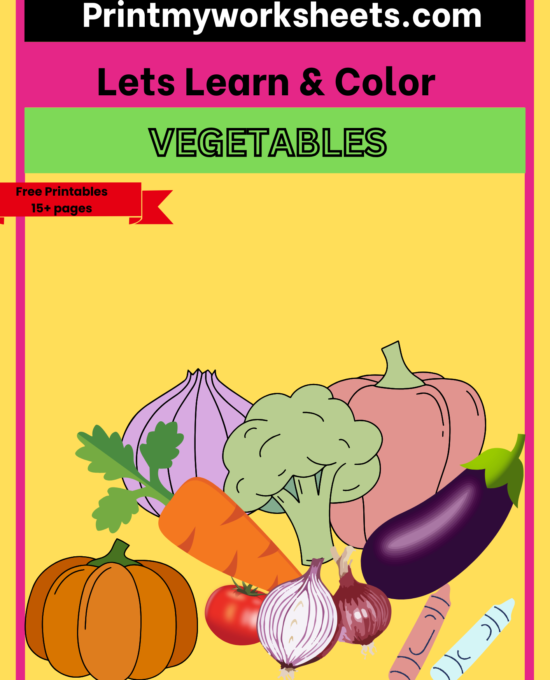
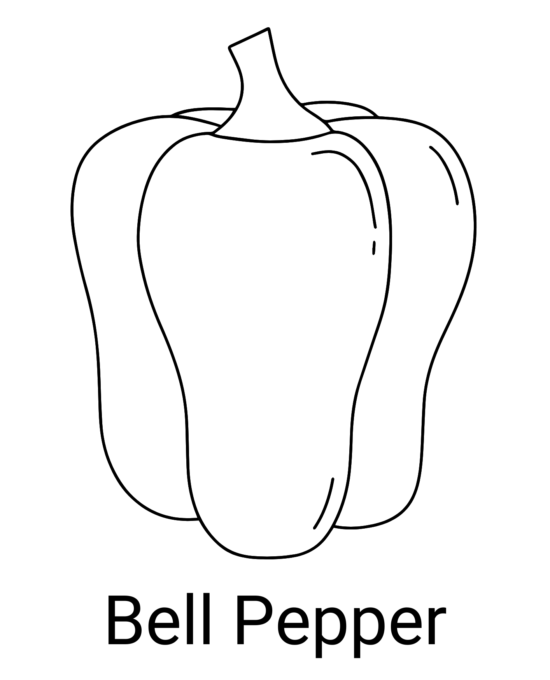
The Pre-Kindergarten Vegetable Coloring Worksheets PDF is a fun and educational printable resource designed to support early learners in developing fine motor skills and creativity. This free printable PDF is ideal for U.S. parents, teachers, and homeschool families who want simple, structured coloring activities that introduce young children to healthy foods and basic vocabulary.
Coloring activities at the pre-kindergarten and early elementary levels help children strengthen hand muscles, improve pencil grip, and build focus. These worksheets combine art and early learning by featuring familiar vegetables that children can recognize, name, and color. While the theme is designed for younger learners, first grade students can also benefit from this resource as a reinforcement activity for art, health, and vocabulary lessons. By combining creativity with learning, these pages provide meaningful practice in a developmentally appropriate format.
What Students Will Learn?
These vegetable-themed coloring worksheets help young learners build foundational skills through hands-on engagement. Children will practice recognizing common vegetables such as carrots, broccoli, tomatoes, corn, and cucumbers while strengthening early academic abilities.
Through structured coloring pages, students will:
-
Identify and name different vegetables
-
Improve fine motor control and hand-eye coordination
-
Practice staying within lines to develop pencil control
-
Strengthen focus and attention to detail
-
Expand vocabulary related to healthy foods
The worksheets are designed with clear outlines and simple illustrations that are easy for young children to color. Some pages may include labeling opportunities where students trace or read the name of the vegetable. This supports early literacy development alongside artistic expression.
These activities align well with early childhood learning standards in the United States, where fine motor skills, vocabulary development, and thematic learning are important components of early education. By combining art with content learning, children build multiple skills at once in an engaging and accessible way.
Educational Value & Skill Development
The Pre-Kindergarten Vegetable Coloring Worksheets PDF supports academic growth, motor development, and creative expression. Coloring may seem simple, but it plays a critical role in early childhood education.
From a motor skills perspective, holding crayons or colored pencils strengthens the small muscles in a child’s hands and fingers. This development is essential for future writing skills. Controlled coloring movements help children build the coordination needed for letter formation in kindergarten and first grade.
Cognitively, coloring encourages focus and concentration. Students must pay attention to shapes, boundaries, and details. This type of sustained attention helps build classroom readiness and independent work habits.
The vegetable theme also supports early science and health awareness. Children begin to recognize different foods and may connect them to discussions about nutrition and healthy eating. Vocabulary growth occurs naturally as students learn to identify and pronounce new words.
Creative confidence grows as children make independent choices about colors and artistic expression. Completing a coloring page provides a sense of accomplishment, which strengthens self-esteem and encourages a positive attitude toward learning.
Why Focus on Vegetable Coloring?
Vegetable coloring activities combine creativity with early content learning. At the pre-kindergarten and early elementary level, children benefit from thematic instruction that connects art, vocabulary, and real-world knowledge.
Coloring vegetables introduces students to healthy food options in a simple and engaging way. Recognizing and naming foods builds early science understanding and supports conversations about nutrition. These early discussions lay the foundation for healthy habits.
Fine motor practice is especially important during the preschool and first grade years. Children are developing the control and coordination necessary for writing. Coloring structured images helps strengthen these skills in a low-pressure environment.
Repetition is also valuable. As children repeatedly color and name different vegetables, they build familiarity and confidence. This consistent practice supports language development, memory, and early academic readiness.
How to Use These Worksheets?
The Pre-Kindergarten Vegetable Coloring Worksheets PDF can be used in a variety of educational settings. In preschool or first grade classrooms, teachers can include these worksheets during art time, health units, or as part of a thematic lesson on food and nutrition.
In homeschool settings, parents can use the pages as part of a weekly theme focused on fruits and vegetables. Pair the coloring activity with reading a simple book about healthy foods or preparing a snack together to create a hands-on learning experience.
Because this resource is a free printable PDF, it is easy to download and print as needed. Teachers may print individual pages for centers or small groups, while parents can use them for quiet time or independent practice. The print-friendly design ensures that pages are easy to reproduce for multiple students.
These worksheets can also serve as reinforcement activities for students who need additional fine motor practice. The structured format makes them suitable for independent work with minimal guidance.
Related Worksheets / Extensions:
You may also like:
-
Fruit coloring worksheets for preschool and first grade
-
Healthy eating printable activities
-
Alphabet tracing worksheets
-
Fine motor skills practice pages
-
Simple drawing and coloring sheets
The Pre-Kindergarten Vegetable Coloring Worksheets PDF pairs well with other early childhood resources that focus on art, vocabulary, and thematic learning. Combining coloring activities with reading, discussion, and hands-on experiences helps children make meaningful connections. By integrating creative expression with structured practice, young learners develop both confidence and foundational skills that support future academic success.
You may also like :
[gallery ids="6280,6392,4960"] Pre-Kindergarten Vegetable Coloring Worksheets PDF | Free II Downloadable
Pre-Kindergarten Vegetable Coloring Worksheets PDF
The Pre-Kindergarten Vegetable Coloring Worksheets PDF is a fun and educational printable resource designed to support early learners in developing fine motor skills and creativity. This free printable PDF is ideal for U.S. parents, teachers, and homeschool families who want simple, structured coloring activities that introduce young children to healthy foods and basic vocabulary.
Coloring activities at the pre-kindergarten and early elementary levels help children strengthen hand muscles, improve pencil grip, and build focus. These worksheets combine art and early learning by featuring familiar vegetables that children can recognize, name, and color. While the theme is designed for younger learners, first grade students can also benefit from this resource as a reinforcement activity for art, health, and vocabulary lessons. By combining creativity with learning, these pages provide meaningful practice in a developmentally appropriate format.
What Students Will Learn?
These vegetable-themed coloring worksheets help young learners build foundational skills through hands-on engagement. Children will practice recognizing common vegetables such as carrots, broccoli, tomatoes, corn, and cucumbers while strengthening early academic abilities.
Through structured coloring pages, students will:
-
Identify and name different vegetables
-
Improve fine motor control and hand-eye coordination
-
Practice staying within lines to develop pencil control
-
Strengthen focus and attention to detail
-
Expand vocabulary related to healthy foods
The worksheets are designed with clear outlines and simple illustrations that are easy for young children to color. Some pages may include labeling opportunities where students trace or read the name of the vegetable. This supports early literacy development alongside artistic expression.
These activities align well with early childhood learning standards in the United States, where fine motor skills, vocabulary development, and thematic learning are important components of early education. By combining art with content learning, children build multiple skills at once in an engaging and accessible way.
Educational Value & Skill Development
The Pre-Kindergarten Vegetable Coloring Worksheets PDF supports academic growth, motor development, and creative expression. Coloring may seem simple, but it plays a critical role in early childhood education.
From a motor skills perspective, holding crayons or colored pencils strengthens the small muscles in a child’s hands and fingers. This development is essential for future writing skills. Controlled coloring movements help children build the coordination needed for letter formation in kindergarten and first grade.
Cognitively, coloring encourages focus and concentration. Students must pay attention to shapes, boundaries, and details. This type of sustained attention helps build classroom readiness and independent work habits.
The vegetable theme also supports early science and health awareness. Children begin to recognize different foods and may connect them to discussions about nutrition and healthy eating. Vocabulary growth occurs naturally as students learn to identify and pronounce new words.
Creative confidence grows as children make independent choices about colors and artistic expression. Completing a coloring page provides a sense of accomplishment, which strengthens self-esteem and encourages a positive attitude toward learning.
Why Focus on Vegetable Coloring?
Vegetable coloring activities combine creativity with early content learning. At the pre-kindergarten and early elementary level, children benefit from thematic instruction that connects art, vocabulary, and real-world knowledge.
Coloring vegetables introduces students to healthy food options in a simple and engaging way. Recognizing and naming foods builds early science understanding and supports conversations about nutrition. These early discussions lay the foundation for healthy habits.
Fine motor practice is especially important during the preschool and first grade years. Children are developing the control and coordination necessary for writing. Coloring structured images helps strengthen these skills in a low-pressure environment.
Repetition is also valuable. As children repeatedly color and name different vegetables, they build familiarity and confidence. This consistent practice supports language development, memory, and early academic readiness.
How to Use These Worksheets?
The Pre-Kindergarten Vegetable Coloring Worksheets PDF can be used in a variety of educational settings. In preschool or first grade classrooms, teachers can include these worksheets during art time, health units, or as part of a thematic lesson on food and nutrition.
In homeschool settings, parents can use the pages as part of a weekly theme focused on fruits and vegetables. Pair the coloring activity with reading a simple book about healthy foods or preparing a snack together to create a hands-on learning experience.
Because this resource is a free printable PDF, it is easy to download and print as needed. Teachers may print individual pages for centers or small groups, while parents can use them for quiet time or independent practice. The print-friendly design ensures that pages are easy to reproduce for multiple students.
These worksheets can also serve as reinforcement activities for students who need additional fine motor practice. The structured format makes them suitable for independent work with minimal guidance.
Related Worksheets / Extensions:
You may also like:
-
Fruit coloring worksheets for preschool and first grade
-
Healthy eating printable activities
-
Alphabet tracing worksheets
-
Fine motor skills practice pages
-
Simple drawing and coloring sheets
The Pre-Kindergarten Vegetable Coloring Worksheets PDF pairs well with other early childhood resources that focus on art, vocabulary, and thematic learning. Combining coloring activities with reading, discussion, and hands-on experiences helps children make meaningful connections. By integrating creative expression with structured practice, young learners develop both confidence and foundational skills that support future academic success.
You may also like :
[gallery ids="6280,6392,4960"]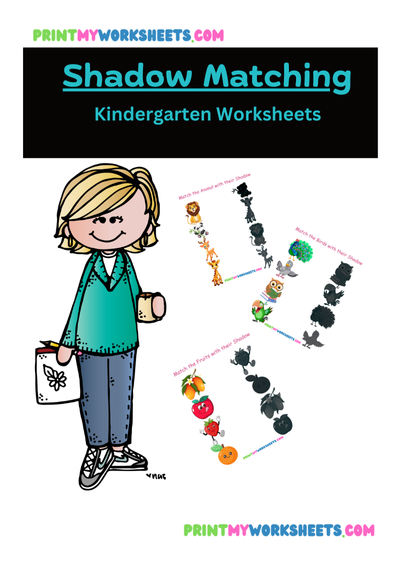
Shadow Matching Worksheet for Kindergarten | Free Downloadable PDF
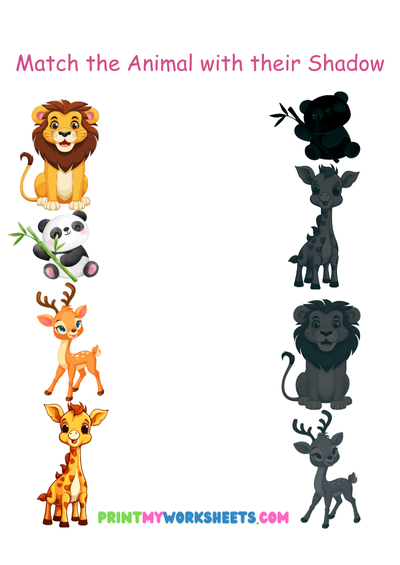
Boost your child’s early thinking skills with this free Shadow Matching Worksheet PDF for Kindergarten! Designed for U.S. Pre-K and Kindergarten learners, this printable activity challenges kids to match everyday objects with their correct shadows—building observation, reasoning, and vocabulary.
Perfect for homeschool parents, early childhood teachers, and preschool classrooms, this worksheet supports:
-
Visual discrimination and shape recognition
-
Fine motor and logic development
-
Critical thinking and early science skills
🖍️ Download now and make learning visual, logical, and fun with shadow matching!
Simply visit the page, download the PDF via Google Drive, and print it for easy practice.
You may also like :
[gallery ids="5199,5212,5094"] Shadow Matching Worksheet for Kindergarten | Free Downloadable PDF
Boost your child’s early thinking skills with this free Shadow Matching Worksheet PDF for Kindergarten! Designed for U.S. Pre-K and Kindergarten learners, this printable activity challenges kids to match everyday objects with their correct shadows—building observation, reasoning, and vocabulary.
Perfect for homeschool parents, early childhood teachers, and preschool classrooms, this worksheet supports:
-
Visual discrimination and shape recognition
-
Fine motor and logic development
-
Critical thinking and early science skills
🖍️ Download now and make learning visual, logical, and fun with shadow matching!
Simply visit the page, download the PDF via Google Drive, and print it for easy practice.
You may also like :
[gallery ids="5199,5212,5094"]

Simple Addition Worksheets PDF for Kindergarten | Maths III Free Downloadable
Make early math learning fun and engaging with our Simple Addition Worksheets PDF for Kindergarten on Comparing Size, Height & Weight, designed especially for kindergarten students. This worksheet introduces children to basic addition while helping them understand real-world measurement concepts like size, height, and weight through fun, visual activities.
Each page includes colorful illustrations, counting exercises, and comparison problems that encourage critical thinking and observation skills. Children will practice adding objects, identifying which items are taller, shorter, heavier, or lighter, and solving simple math problems in an interactive way. These hands-on activities make math exciting, relatable, and easy to grasp for young learners.
Why are addition and comparison activities important in kindergarten? Learning to add and compare builds a strong foundation for logical reasoning, number recognition, and early problem-solving. It also develops fine motor skills, focus, and real-world understanding of math concepts.
Perfect for homeschooling, classroom teaching, or at-home practice, this free downloadable PDF is easy to print and reuse. Designed according to early math standards, it helps kids gain confidence in both addition and measurement while enjoying every activity.
You may also like :
[gallery ids="4543,4548,4605"] Simple Addition Worksheets PDF for Kindergarten | Maths III Free Downloadable
Make early math learning fun and engaging with our Simple Addition Worksheets PDF for Kindergarten on Comparing Size, Height & Weight, designed especially for kindergarten students. This worksheet introduces children to basic addition while helping them understand real-world measurement concepts like size, height, and weight through fun, visual activities.
Each page includes colorful illustrations, counting exercises, and comparison problems that encourage critical thinking and observation skills. Children will practice adding objects, identifying which items are taller, shorter, heavier, or lighter, and solving simple math problems in an interactive way. These hands-on activities make math exciting, relatable, and easy to grasp for young learners.
Why are addition and comparison activities important in kindergarten? Learning to add and compare builds a strong foundation for logical reasoning, number recognition, and early problem-solving. It also develops fine motor skills, focus, and real-world understanding of math concepts.
Perfect for homeschooling, classroom teaching, or at-home practice, this free downloadable PDF is easy to print and reuse. Designed according to early math standards, it helps kids gain confidence in both addition and measurement while enjoying every activity.