
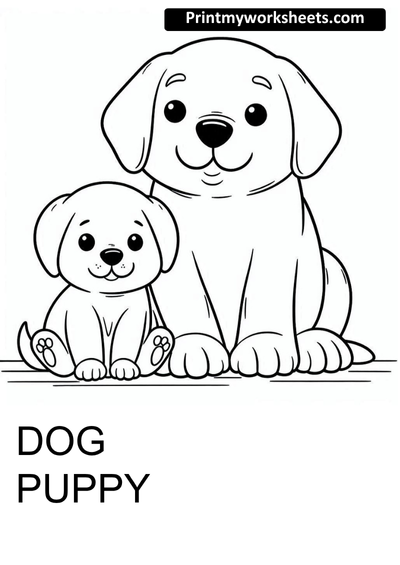
1st Grade Animals and Their Babies Worksheets PDF – Free
$0.00
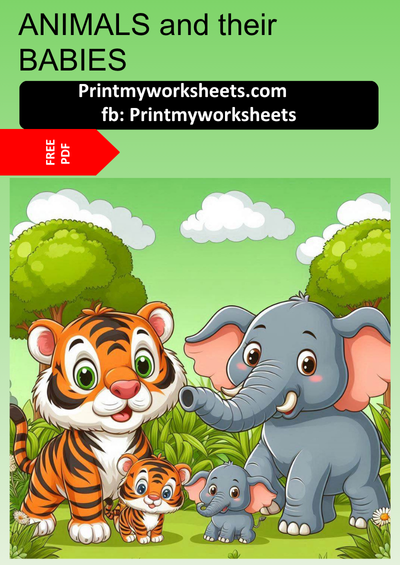
Help your child explore the wonders of the animal kingdom with this fun and educational 1st Grade Animals and Their Babies Worksheets PDF designed for first-grade learners in the United States. Whether you’re a homeschooling parent, a teacher, or an early education provider, this engaging printable helps kids build science knowledge, improve vocabulary, and strengthen memory by matching animals to their young.
📥 Download your FREE Animals & Their Babies Worksheet now and give your learner a head start on life science and vocabulary. It is completely aligned with U.S Curriculum.
Click below to access the 1st Grade Animals and Their Babies Worksheets PDF
You may also like :

1st Grade Animals and Their Babies Worksheets PDF
Learning about animals is an exciting topic for young students, especially when they discover how animals grow and care for their young. The 1st Grade Animals and Their Babies Worksheets PDF introduces first grade learners to common animals and the names of their babies through engaging and age-appropriate activities. These printable worksheets are designed for U.S. teachers, parents, and homeschool families who want to strengthen science knowledge while supporting reading and observation skills.
In first grade, students begin to explore basic life science concepts, including animal families, habitats, and life cycles. Understanding how animals and their babies are related helps children build early scientific awareness and vocabulary. Activities that connect animals with their young also encourage curiosity about nature and the world around them.
The 1st Grade Animals and Their Babies Worksheets PDF provides simple, interactive exercises that help students recognize animals and their offspring while practicing reading, matching, and observation skills. These worksheets help children develop early science knowledge while building confidence through structured and engaging learning activities.
What Students Will Learn?
Animals and their babies worksheets help first grade students develop early science understanding while practicing reading and observation skills. These activities introduce common animals and the names of their young in ways that are easy for young learners to understand.
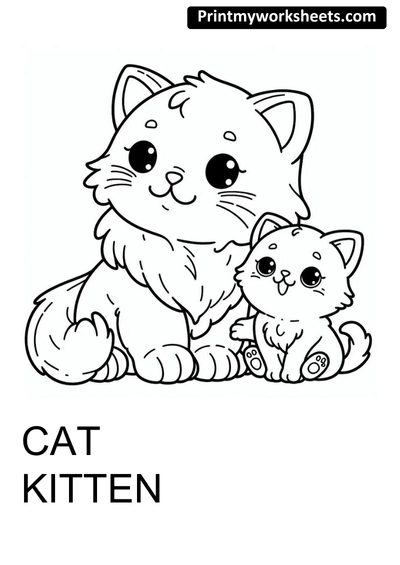
Students begin by identifying familiar animals such as cows, dogs, cats, ducks, chickens, and horses. They learn the correct names for baby animals, such as calf, puppy, kitten, duckling, chick, and foal.
Many worksheets include matching activities where students connect adult animals with their babies. These activities strengthen recognition skills while helping students understand the relationship between parents and offspring.
Students may also complete labeling or fill-in-the-blank exercises that encourage them to read simple words and identify animal families.
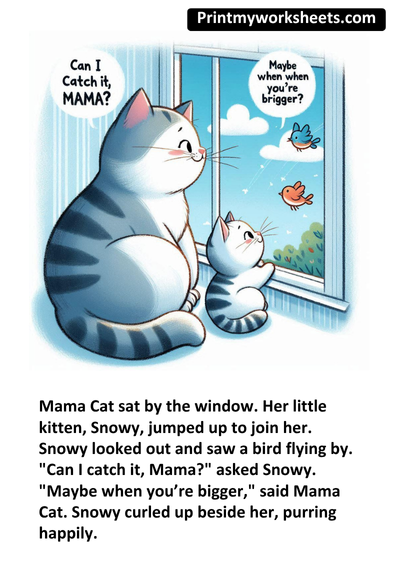
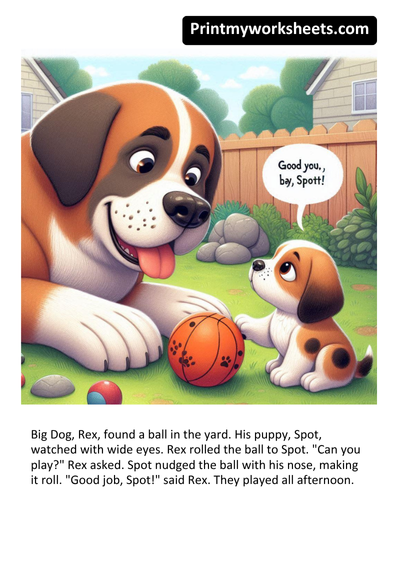
Some worksheets include simple reading sentences about animals and their babies. These short passages allow students to practice reading while learning science vocabulary.
Picture-based activities help students observe differences between adult animals and their young. These visual exercises support understanding and make the learning process more engaging.
Through these activities, first grade learners build knowledge about animals while strengthening vocabulary, observation, and basic reading skills.
Educational Value & Skill Development
The 1st Grade Animals and Their Babies Worksheets PDF supports both science learning and literacy development for first grade students.
One important benefit is building early science knowledge. By learning about animals and their young, students begin to understand life cycles and how living things grow and develop.
The 1st Grade Animals and Their Babies Worksheets PDF also helps strengthen vocabulary development. Students learn new words such as calf, kitten, cub, chick, and puppy, which expands their language skills.
These worksheets also improve observation skills. When students look at pictures of animals and their babies, they notice similarities and differences in size, shape, and features.
Another important benefit is strengthening reading skills. Many worksheets include simple words and sentences that encourage students to read while learning science concepts.
Matching and labeling activities also support critical thinking. Students must identify patterns and relationships between adult animals and their babies.
Completing worksheets independently helps students build confidence and responsibility for their learning. Successfully identifying animals and their babies encourages curiosity and motivation to explore more science topics.
By combining literacy and science concepts, these worksheets help students develop a balanced foundation for future learning.
Why Focus on Animals and Their Babies?
Learning about animals and their offspring is a fundamental science topic for early elementary students. It helps children understand how living things grow, reproduce, and care for their young.
This topic is particularly engaging for first grade learners because animals are familiar and interesting. Many children already recognize animals from books, farms, zoos, or pets at home.
Studying animal families also introduces basic biological concepts in a simple and accessible way. Students learn that baby animals grow into adult animals, which helps them understand life cycles.
Activities about animals and their babies also support vocabulary development. Learning specific terms such as kitten, calf, cub, and chick helps students expand their language skills.
This topic also encourages curiosity about nature and the environment. When children learn about animal families, they often become more interested in wildlife and science.
Teachers in the United States frequently include animal-related lessons in early science instruction because they connect easily with students’ everyday experiences.
Exploring animal families allows students to build foundational science knowledge while strengthening observation and reading skills.
How to Use These Worksheets?
The 1st Grade Animals and Their Babies Worksheets PDF can be used in many educational settings, including classrooms, homeschool lessons, and independent learning activities.
Teachers often include these worksheets during science units focused on animals, habitats, or life cycles. Students may begin by discussing different animals before completing the activities.
In classroom settings, teachers may guide students through matching exercises or group discussions about animal families. These activities encourage participation and strengthen understanding.
Parents who homeschool can incorporate these worksheets into science lessons at home. Children can complete the worksheets while discussing animals they have seen in books, farms, or zoos.
Because the worksheets are provided as a free printable PDF, they are easy to download and print whenever additional learning activities are needed.
These worksheets also work well for independent practice. Students can complete matching or labeling tasks at their own pace while reinforcing their science knowledge.
The printable format allows teachers and parents to reuse the activities for review sessions or additional practice throughout the school year.
Related Worksheets / Extensions:
Frequently Asked Questions
Q1. Is this worksheet free to download?
Yes, this worksheet is 100% free to download and print. No account, subscription, or payment is required. Click the Download Now button to get your free PDF instantly.
Q2. What format is this worksheet available in?
This worksheet is available as a printable PDF file. It is black-and-white, printer-friendly, and works on any standard home or classroom printer using A4 or US Letter paper.
Q3. Can I use this worksheet for both classroom and home learning?
Yes, these worksheets are designed for use by classroom teachers, homeschool parents, and tutors. They can be used as morning work, homework, revision practice, or learning centre activities.
Q4. Is this worksheet aligned with Common Core ELA standards?
Yes, this English worksheet is aligned with U.S. Common Core English Language Arts standards and supports foundational literacy development.
Q5. Can this worksheet be used for phonics instruction?
Yes, this worksheet supports phonics-based reading instruction and is suitable for early readers building letter-sound recognition skills.