
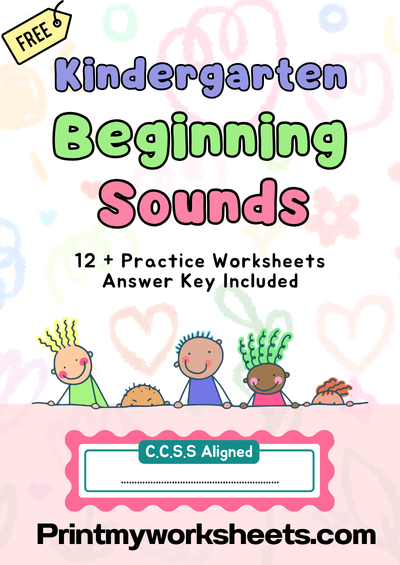
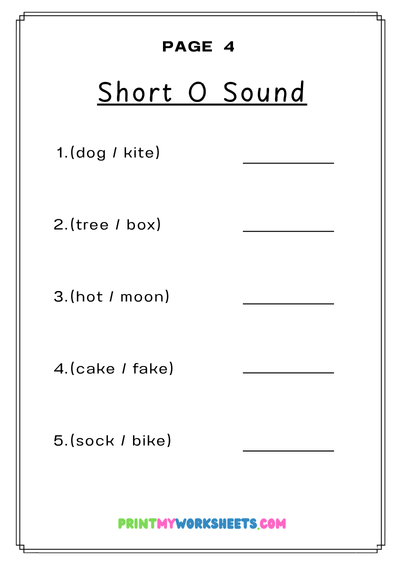
Kindergarten Beginning Sounds Worksheets Free PDF
$0.00
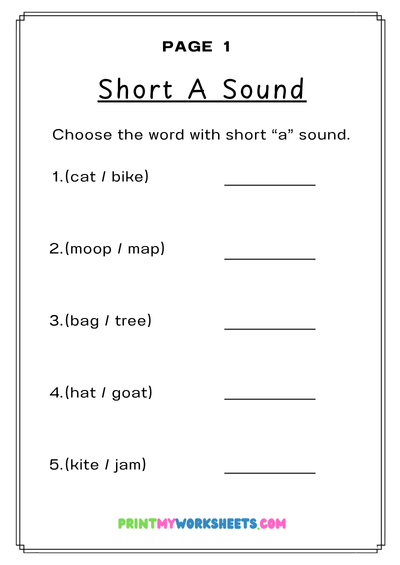
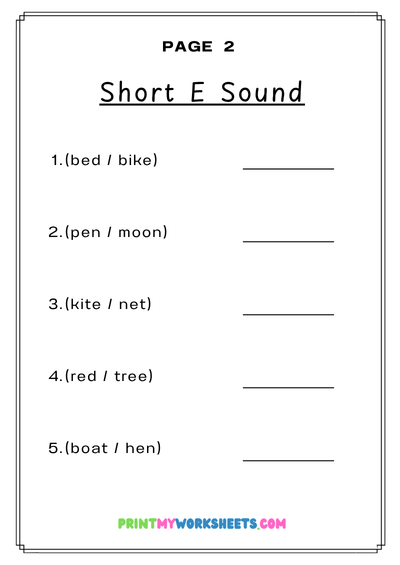
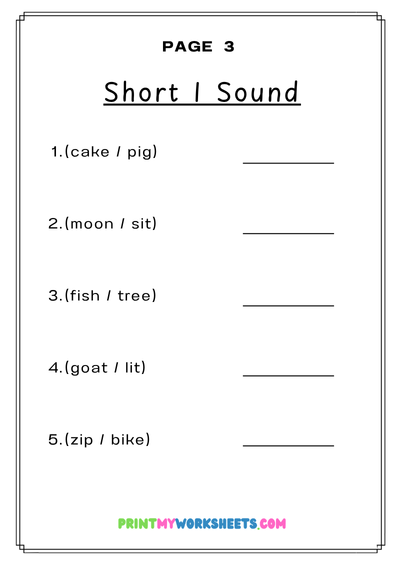
These free Kindergarten Beginning Sounds Worksheets help kids improve phonics, letter recognition, vocabulary, and early reading skills through fun printable activities. Perfect for homeschool parents, teachers, and classrooms, the PDF worksheets support phonemic awareness, pronunciation, and literacy development while building confidence and excitement for learning and reading success. This is completely aligned with U.S Curriculum.
Click below to access the free Kindergarten Beginning Sounds Worksheets
Support early literacy success with our engaging Kindergarten Beginning Sounds Worksheets designed for kids, homeschool parents, teachers, and classrooms following the US curriculum. These free downloadable PDF worksheets help young learners recognize and practice beginning letter sounds through fun and interactive phonics activities that make learning enjoyable and effective.
Learning beginning sounds is an essential step in developing strong reading and writing skills. These worksheets help children connect letters with their sounds, improve phonemic awareness, strengthen pronunciation, and build vocabulary confidence. Recognizing beginning sounds also supports early decoding skills, spelling development, and reading fluency, creating a strong foundation for future literacy success.
The printable worksheets include picture matching, letter-sound recognition activities, tracing exercises, cut-and-paste tasks, coloring activities, and phonics games that keep kindergarten students engaged and motivated. These activities are perfect for homeschool lessons, classroom literacy centers, homework practice, independent learning, and extra phonics review.
The easy-to-download PDF format allows parents and teachers to quickly print educational resources anytime for flexible learning at home or school. These beginning sounds worksheets encourage children to become confident readers while improving listening, speaking, and language development skills.
Download our free Kindergarten English Beginning Sounds Worksheets today and make early phonics learning fun, interactive, and rewarding for young learners.
Frequently Asked Questions
Q1. Is this worksheet free to download?
Yes, this worksheet is 100% free to download and print. No account, subscription, or payment is required. Click the Download Now button to get your free PDF instantly.
Q2. What format is this worksheet available in?
This worksheet is available as a printable PDF file. It is black-and-white, printer-friendly, and works on any standard home or classroom printer using A4 or US Letter paper.
Q3. Do I need to create an account to download this worksheet?
No account or sign-up is required. All worksheets on Print My Worksheets are freely accessible to teachers, parents, and homeschool families without any registration.
Q4. Is this worksheet aligned with Common Core ELA standards?
Yes, this English worksheet is aligned with U.S. Common Core English Language Arts standards and supports foundational literacy development.
Q5. Can this worksheet be used for phonics instruction?
Yes, this worksheet supports phonics-based reading instruction and is suitable for early readers building letter-sound recognition skills.
Purchase now to read the book online.
Download NowYou may also like…
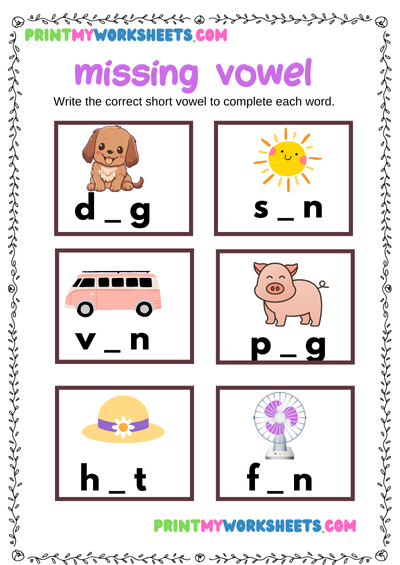
Kindergarten Missing Vowels Worksheets PDF – Phonics Practice with Answer Key
Kindergarten Missing Vowels Worksheets PDF
Early literacy skills begin with recognizing letters and understanding how they work together to form words. The Kindergarten Missing Vowels Worksheets PDF helps young learners practice identifying and completing words by filling in the correct vowel sounds. This engaging activity is designed for U.S. parents, teachers, and homeschool families who want to support early reading development in a structured and enjoyable way.
At the kindergarten level, children are developing foundational phonics skills that allow them to recognize simple words and understand how letters represent sounds. Vowels play a key role in this process because they appear in almost every word and influence pronunciation. These worksheets give students the opportunity to identify missing vowel sounds and complete familiar words.
The Kindergarten Missing Vowels Worksheets PDF provides simple word-building exercises that strengthen phonemic awareness, spelling confidence, and early reading abilities. By completing words with the correct vowels, children practice decoding language patterns while building the confidence they need to progress toward independent reading.
What Students Will Learn?
Missing vowel worksheets introduce kindergarten learners to one of the most important elements of early phonics: recognizing vowel sounds within simple words. These activities help students understand how vowels contribute to word formation and pronunciation.
Students practice identifying missing letters in simple three- or four-letter words. They are asked to look at a partially completed word and determine which vowel belongs in the blank space. This encourages children to think about how the word sounds and which vowel completes it correctly.
Many worksheets use familiar objects, animals, or everyday vocabulary words. These visuals help students connect the picture with the word, making the activity easier to understand and more engaging.
Children also develop spelling awareness as they practice completing words such as “c_t,” “d_g,” or “b_t.” Through repeated exposure, students begin recognizing common phonics patterns and vowel placements.
These exercises also strengthen phonemic awareness, which is the ability to hear and manipulate sounds within words. When children listen to a word and determine the missing vowel, they are actively building the skills required for reading fluency.
Over time, students gain greater confidence recognizing words and understanding how vowels function within them.
Educational Value & Skill Development
The Kindergarten Missing Vowels Worksheets PDF supports several important areas of early literacy development.
One of the most valuable benefits is phonics awareness. Kindergarten students are learning how letters represent sounds, and vowel recognition plays a major role in this process. Practicing missing vowel activities helps children hear and identify vowel sounds within words.
These worksheets also strengthen early reading skills. When students learn to recognize patterns in simple words, they begin decoding new words more easily. This skill becomes essential as reading tasks grow more complex in later grades.
Another important area of development is spelling awareness. Filling in missing vowels requires students to analyze the structure of a word and determine which letter fits correctly.
The Kindergarten Missing Vowels Worksheets PDF also encourages independent problem solving. Students must think carefully about each word and use their phonics knowledge to complete it correctly.
In addition, these worksheets support visual recognition and concentration. Students examine each word carefully, identify missing letters, and connect them with familiar vocabulary.
Through repeated practice, children build the foundational literacy skills that prepare them for reading, writing, and spelling activities in elementary school.
Why Focus on Missing Vowels?
Understanding vowels is a critical part of early reading development. While consonants often define the structure of words, vowels provide the sounds that allow words to be pronounced correctly.
Young learners often find vowels challenging because they appear in different positions and may represent different sounds. Practicing missing vowel activities helps children focus specifically on recognizing and using these important letters.
By identifying the missing vowel in a word, students develop phonemic awareness. They learn to listen for sounds within words and connect those sounds with specific letters.
These activities also reinforce common word patterns used in early phonics instruction. Words such as “cat,” “dog,” and “sun” help children recognize simple vowel sounds and develop decoding skills.
Repetition is an important part of early learning. Practicing vowel recognition regularly helps students remember patterns and apply them when reading new words.
These skills align with early literacy standards used in kindergarten classrooms across the United States, which emphasize phonics development, sound recognition, and basic word construction.
How to Use These Worksheets?
The Kindergarten Missing Vowels Worksheets PDF can be used in many different learning environments, including classrooms, homeschool lessons, and small group instruction.
Teachers often incorporate these worksheets into phonics practice sessions. Students can complete the activities individually or work together to identify the correct vowel for each word.
In small group settings, educators may guide students through the worksheet by sounding out each word together. This approach helps reinforce phonics instruction and encourages discussion about vowel sounds.
Parents who homeschool can use the worksheets as part of daily reading practice. Children may say the word aloud, listen carefully to its sound, and choose the vowel that completes it correctly.
Because the worksheets are provided as a free printable PDF, they can be downloaded quickly and printed whenever needed. Teachers may use them for literacy centers, early reading practice, or review sessions.
These worksheets can also serve as quiet independent work activities. Students can complete them at their own pace while practicing important phonics skills.
Related Worksheets / Extensions:
Frequently Asked Questions
Q1. Is this worksheet free to download?Yes, this worksheet is 100% free to download and print. No account, subscription, or payment is required. Click the Download Now button to get your free PDF instantly.Q2. What format is this worksheet available in?This worksheet is available as a printable PDF file. It is black-and-white, printer-friendly, and works on any standard home or classroom printer using A4 or US Letter paper.Q3. Can I use this worksheet for both classroom and home learning?Yes, these worksheets are designed for use by classroom teachers, homeschool parents, and tutors. They can be used as morning work, homework, revision practice, or learning centre activities.Q4. Can this coloring worksheet be used as a classroom activity?Yes, this worksheet works well as a quiet time activity, early finisher work, morning warm-up, or take-home creative activity.Q5. Is this coloring worksheet themed around learning content?Yes, our coloring worksheets are designed to combine creative activity with educational content such as alphabet recognition, numbers, animals, and seasonal themes.Kindergarten Missing Vowels Worksheets PDF – Phonics Practice with Answer Key
Kindergarten Missing Vowels Worksheets PDF
Early literacy skills begin with recognizing letters and understanding how they work together to form words. The Kindergarten Missing Vowels Worksheets PDF helps young learners practice identifying and completing words by filling in the correct vowel sounds. This engaging activity is designed for U.S. parents, teachers, and homeschool families who want to support early reading development in a structured and enjoyable way.
At the kindergarten level, children are developing foundational phonics skills that allow them to recognize simple words and understand how letters represent sounds. Vowels play a key role in this process because they appear in almost every word and influence pronunciation. These worksheets give students the opportunity to identify missing vowel sounds and complete familiar words.
The Kindergarten Missing Vowels Worksheets PDF provides simple word-building exercises that strengthen phonemic awareness, spelling confidence, and early reading abilities. By completing words with the correct vowels, children practice decoding language patterns while building the confidence they need to progress toward independent reading.
What Students Will Learn?
Missing vowel worksheets introduce kindergarten learners to one of the most important elements of early phonics: recognizing vowel sounds within simple words. These activities help students understand how vowels contribute to word formation and pronunciation.
Students practice identifying missing letters in simple three- or four-letter words. They are asked to look at a partially completed word and determine which vowel belongs in the blank space. This encourages children to think about how the word sounds and which vowel completes it correctly.
Many worksheets use familiar objects, animals, or everyday vocabulary words. These visuals help students connect the picture with the word, making the activity easier to understand and more engaging.
Children also develop spelling awareness as they practice completing words such as “c_t,” “d_g,” or “b_t.” Through repeated exposure, students begin recognizing common phonics patterns and vowel placements.
These exercises also strengthen phonemic awareness, which is the ability to hear and manipulate sounds within words. When children listen to a word and determine the missing vowel, they are actively building the skills required for reading fluency.
Over time, students gain greater confidence recognizing words and understanding how vowels function within them.
Educational Value & Skill Development
The Kindergarten Missing Vowels Worksheets PDF supports several important areas of early literacy development.
One of the most valuable benefits is phonics awareness. Kindergarten students are learning how letters represent sounds, and vowel recognition plays a major role in this process. Practicing missing vowel activities helps children hear and identify vowel sounds within words.
These worksheets also strengthen early reading skills. When students learn to recognize patterns in simple words, they begin decoding new words more easily. This skill becomes essential as reading tasks grow more complex in later grades.
Another important area of development is spelling awareness. Filling in missing vowels requires students to analyze the structure of a word and determine which letter fits correctly.
The Kindergarten Missing Vowels Worksheets PDF also encourages independent problem solving. Students must think carefully about each word and use their phonics knowledge to complete it correctly.
In addition, these worksheets support visual recognition and concentration. Students examine each word carefully, identify missing letters, and connect them with familiar vocabulary.
Through repeated practice, children build the foundational literacy skills that prepare them for reading, writing, and spelling activities in elementary school.
Why Focus on Missing Vowels?
Understanding vowels is a critical part of early reading development. While consonants often define the structure of words, vowels provide the sounds that allow words to be pronounced correctly.
Young learners often find vowels challenging because they appear in different positions and may represent different sounds. Practicing missing vowel activities helps children focus specifically on recognizing and using these important letters.
By identifying the missing vowel in a word, students develop phonemic awareness. They learn to listen for sounds within words and connect those sounds with specific letters.
These activities also reinforce common word patterns used in early phonics instruction. Words such as “cat,” “dog,” and “sun” help children recognize simple vowel sounds and develop decoding skills.
Repetition is an important part of early learning. Practicing vowel recognition regularly helps students remember patterns and apply them when reading new words.
These skills align with early literacy standards used in kindergarten classrooms across the United States, which emphasize phonics development, sound recognition, and basic word construction.
How to Use These Worksheets?
The Kindergarten Missing Vowels Worksheets PDF can be used in many different learning environments, including classrooms, homeschool lessons, and small group instruction.
Teachers often incorporate these worksheets into phonics practice sessions. Students can complete the activities individually or work together to identify the correct vowel for each word.
In small group settings, educators may guide students through the worksheet by sounding out each word together. This approach helps reinforce phonics instruction and encourages discussion about vowel sounds.
Parents who homeschool can use the worksheets as part of daily reading practice. Children may say the word aloud, listen carefully to its sound, and choose the vowel that completes it correctly.
Because the worksheets are provided as a free printable PDF, they can be downloaded quickly and printed whenever needed. Teachers may use them for literacy centers, early reading practice, or review sessions.
These worksheets can also serve as quiet independent work activities. Students can complete them at their own pace while practicing important phonics skills.
Related Worksheets / Extensions:
Frequently Asked Questions
Q1. Is this worksheet free to download?Yes, this worksheet is 100% free to download and print. No account, subscription, or payment is required. Click the Download Now button to get your free PDF instantly.Q2. What format is this worksheet available in?This worksheet is available as a printable PDF file. It is black-and-white, printer-friendly, and works on any standard home or classroom printer using A4 or US Letter paper.Q3. Can I use this worksheet for both classroom and home learning?Yes, these worksheets are designed for use by classroom teachers, homeschool parents, and tutors. They can be used as morning work, homework, revision practice, or learning centre activities.Q4. Can this coloring worksheet be used as a classroom activity?Yes, this worksheet works well as a quiet time activity, early finisher work, morning warm-up, or take-home creative activity.Q5. Is this coloring worksheet themed around learning content?Yes, our coloring worksheets are designed to combine creative activity with educational content such as alphabet recognition, numbers, animals, and seasonal themes.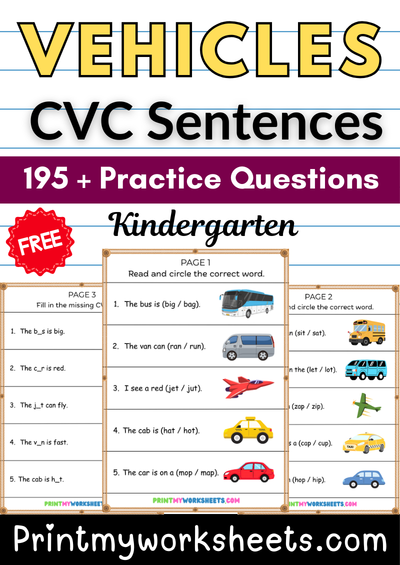
Kindergarten Vehicles CVC Sentences Worksheets PDF – Build Early Blending and Fluency Skills
Kindergarten Vehicles CVC Sentences Worksheets PDF
The Kindergarten Vehicles CVC Sentences Worksheets PDF is designed to help young learners build early reading confidence through simple, engaging sentence practice. This free printable PDF is perfect for U.S. parents, teachers, and homeschool families who want structured phonics support using fun vehicle-themed content.
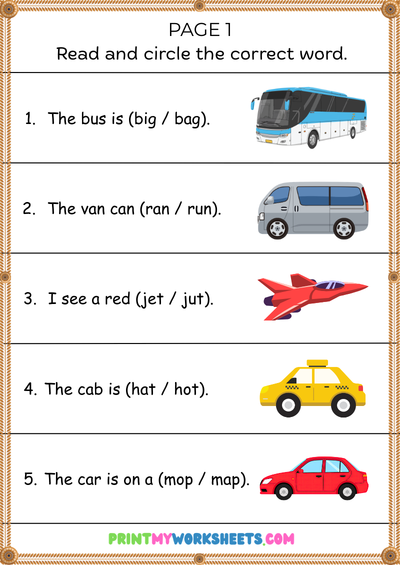
In kindergarten, students begin blending consonant-vowel-consonant (CVC) words to read short sentences independently. Practicing with familiar topics, such as cars, buses, vans, and jets, keeps children motivated while strengthening foundational literacy skills. These worksheets focus on decoding short vowel words within simple, repetitive sentence structures.
The activities encourage children to read, circle, fill in blanks, and choose correct CVC words. With consistent practice, students improve decoding fluency, sentence comprehension, and word recognition. This resource supports early reading development in a clear, age-appropriate format that aligns with U.S. kindergarten literacy expectations.
What Students Will Learn?
These kindergarten CVC sentence worksheets focus on early phonics development and simple sentence reading. Students practice blending short vowel sounds to read and understand complete sentences about vehicles.
Children will learn to:
Decode short vowel CVC words
Identify correct word choices within a sentence
Complete sentences using missing CVC words
Strengthen word recognition skills
Build reading fluency with repetitive structures
Improve comprehension through picture-word connections
The activities are carefully structured to support emerging readers. Sentences are short and predictable, allowing students to focus on decoding without feeling overwhelmed. For example, children may read a sentence and circle the correct word from two similar options. Other pages may require filling in missing letters to complete a word.
These worksheets align with U.S. kindergarten phonics standards, which emphasize short vowel recognition, blending sounds, and reading simple sentences. By combining phonics instruction with engaging vehicle themes, students practice reading in a meaningful and motivating way.
Educational Value & Skill Development
The Kindergarten Vehicles CVC Sentences Worksheets PDF provides strong educational value by reinforcing foundational literacy skills. Mastery of CVC words is one of the most important early reading milestones in kindergarten.
Academically, these worksheets strengthen decoding skills. Students learn to recognize sound patterns and apply phonics rules when reading short words. This repeated exposure helps solidify short vowel sounds such as a, e, i, o, and u.
Cognitively, children improve their ability to discriminate between similar words, such as “bag” and “big.” This sharpens visual and auditory processing skills, which are critical for reading development.
Reading full sentences—even simple ones—builds comprehension skills. Students begin to understand that sentences communicate complete ideas. Recognizing how words fit together strengthens overall literacy understanding.
Confidence grows as children successfully read sentences on their own. Independent reading experiences motivate students to continue practicing. Through structured repetition and engaging content, learners develop fluency and automatic word recognition, setting a strong foundation for first-grade reading expectations.
Why Focus on Vehicles CVC Sentences?
CVC sentence practice is essential in kindergarten because it bridges the gap between isolated word reading and full sentence comprehension. Once students master blending sounds, they must apply that skill within meaningful text.
Using vehicle vocabulary makes learning enjoyable and relatable. Many young learners are naturally interested in cars, buses, trucks, and planes. Connecting phonics practice to familiar topics increases engagement and focus.
Repetition is key in early literacy development. Practicing similar sentence patterns with different CVC words helps strengthen automatic decoding skills. When children repeatedly see words like “bus,” “van,” and “cab,” recognition becomes faster and more confident.
This type of practice also aligns with U.S. kindergarten reading standards, which emphasize reading simple, decodable sentences. Structured phonics work ensures students are prepared for more complex texts in first grade.
How to Use These Worksheets?
The Kindergarten Vehicles CVC Sentences Worksheets PDF can be used in classrooms, homeschool settings, and literacy centers. Teachers may introduce a short vowel sound during a phonics lesson, then assign a worksheet page for guided practice.
In small groups, educators can read sentences aloud with students before allowing independent completion. This builds fluency and ensures understanding. In homeschool environments, parents can review letter sounds and blending strategies before beginning the worksheet.
Because this resource is a free printable PDF, it is easy to download and print as needed. Pages may be reused for review throughout the school year. Students benefit from repeated practice over time.
These worksheets also work well for independent reading stations. The predictable sentence patterns help students practice decoding with minimal frustration while reinforcing phonics skills.
Related Worksheets / Extensions:
You may also like:
Kindergarten CVC word worksheets
Short vowel sound practice worksheets
Kindergarten sight word sentence worksheets
Beginning reader fluency pages
First grade phonics sentence worksheets
The Kindergarten Vehicles CVC Sentences Worksheets PDF pairs well with additional short vowel and sight word practice resources. Combining word-level phonics with sentence reading creates a balanced literacy routine. With consistent guided practice, young learners build decoding fluency, improve comprehension, and develop the confidence needed for independent reading success.
You may also like:
[gallery ids="7175,7066,6839"]Frequently Asked Questions
Q1. Is this worksheet free to download?Yes, this worksheet is 100% free to download and print. No account, subscription, or payment is required. Click the Download Now button to get your free PDF instantly.Q2. What format is this worksheet available in?This worksheet is available as a printable PDF file. It is black-and-white, printer-friendly, and works on any standard home or classroom printer using A4 or US Letter paper.Q3. Do I need to create an account to download this worksheet?No account or sign-up is required. All worksheets on Print My Worksheets are freely accessible to teachers, parents, and homeschool families without any registration.Q4. Can this worksheet be used for phonics instruction?Yes, this worksheet supports phonics-based reading instruction and is suitable for early readers building letter-sound recognition skills.Q5. Is this worksheet suitable for ESL or ELL students?This worksheet can be used as a supplemental resource for ESL and ELL students, particularly for vocabulary building and language pattern practice.Kindergarten Vehicles CVC Sentences Worksheets PDF – Build Early Blending and Fluency Skills
Kindergarten Vehicles CVC Sentences Worksheets PDF
The Kindergarten Vehicles CVC Sentences Worksheets PDF is designed to help young learners build early reading confidence through simple, engaging sentence practice. This free printable PDF is perfect for U.S. parents, teachers, and homeschool families who want structured phonics support using fun vehicle-themed content.
In kindergarten, students begin blending consonant-vowel-consonant (CVC) words to read short sentences independently. Practicing with familiar topics, such as cars, buses, vans, and jets, keeps children motivated while strengthening foundational literacy skills. These worksheets focus on decoding short vowel words within simple, repetitive sentence structures.
The activities encourage children to read, circle, fill in blanks, and choose correct CVC words. With consistent practice, students improve decoding fluency, sentence comprehension, and word recognition. This resource supports early reading development in a clear, age-appropriate format that aligns with U.S. kindergarten literacy expectations.
What Students Will Learn?
These kindergarten CVC sentence worksheets focus on early phonics development and simple sentence reading. Students practice blending short vowel sounds to read and understand complete sentences about vehicles.
Children will learn to:
Decode short vowel CVC words
Identify correct word choices within a sentence
Complete sentences using missing CVC words
Strengthen word recognition skills
Build reading fluency with repetitive structures
Improve comprehension through picture-word connections
The activities are carefully structured to support emerging readers. Sentences are short and predictable, allowing students to focus on decoding without feeling overwhelmed. For example, children may read a sentence and circle the correct word from two similar options. Other pages may require filling in missing letters to complete a word.
These worksheets align with U.S. kindergarten phonics standards, which emphasize short vowel recognition, blending sounds, and reading simple sentences. By combining phonics instruction with engaging vehicle themes, students practice reading in a meaningful and motivating way.
Educational Value & Skill Development
The Kindergarten Vehicles CVC Sentences Worksheets PDF provides strong educational value by reinforcing foundational literacy skills. Mastery of CVC words is one of the most important early reading milestones in kindergarten.
Academically, these worksheets strengthen decoding skills. Students learn to recognize sound patterns and apply phonics rules when reading short words. This repeated exposure helps solidify short vowel sounds such as a, e, i, o, and u.
Cognitively, children improve their ability to discriminate between similar words, such as “bag” and “big.” This sharpens visual and auditory processing skills, which are critical for reading development.
Reading full sentences—even simple ones—builds comprehension skills. Students begin to understand that sentences communicate complete ideas. Recognizing how words fit together strengthens overall literacy understanding.
Confidence grows as children successfully read sentences on their own. Independent reading experiences motivate students to continue practicing. Through structured repetition and engaging content, learners develop fluency and automatic word recognition, setting a strong foundation for first-grade reading expectations.
Why Focus on Vehicles CVC Sentences?
CVC sentence practice is essential in kindergarten because it bridges the gap between isolated word reading and full sentence comprehension. Once students master blending sounds, they must apply that skill within meaningful text.
Using vehicle vocabulary makes learning enjoyable and relatable. Many young learners are naturally interested in cars, buses, trucks, and planes. Connecting phonics practice to familiar topics increases engagement and focus.
Repetition is key in early literacy development. Practicing similar sentence patterns with different CVC words helps strengthen automatic decoding skills. When children repeatedly see words like “bus,” “van,” and “cab,” recognition becomes faster and more confident.
This type of practice also aligns with U.S. kindergarten reading standards, which emphasize reading simple, decodable sentences. Structured phonics work ensures students are prepared for more complex texts in first grade.
How to Use These Worksheets?
The Kindergarten Vehicles CVC Sentences Worksheets PDF can be used in classrooms, homeschool settings, and literacy centers. Teachers may introduce a short vowel sound during a phonics lesson, then assign a worksheet page for guided practice.
In small groups, educators can read sentences aloud with students before allowing independent completion. This builds fluency and ensures understanding. In homeschool environments, parents can review letter sounds and blending strategies before beginning the worksheet.
Because this resource is a free printable PDF, it is easy to download and print as needed. Pages may be reused for review throughout the school year. Students benefit from repeated practice over time.
These worksheets also work well for independent reading stations. The predictable sentence patterns help students practice decoding with minimal frustration while reinforcing phonics skills.
Related Worksheets / Extensions:
You may also like:
Kindergarten CVC word worksheets
Short vowel sound practice worksheets
Kindergarten sight word sentence worksheets
Beginning reader fluency pages
First grade phonics sentence worksheets
The Kindergarten Vehicles CVC Sentences Worksheets PDF pairs well with additional short vowel and sight word practice resources. Combining word-level phonics with sentence reading creates a balanced literacy routine. With consistent guided practice, young learners build decoding fluency, improve comprehension, and develop the confidence needed for independent reading success.
You may also like:
[gallery ids="7175,7066,6839"]Frequently Asked Questions
Q1. Is this worksheet free to download?Yes, this worksheet is 100% free to download and print. No account, subscription, or payment is required. Click the Download Now button to get your free PDF instantly.Q2. What format is this worksheet available in?This worksheet is available as a printable PDF file. It is black-and-white, printer-friendly, and works on any standard home or classroom printer using A4 or US Letter paper.Q3. Do I need to create an account to download this worksheet?No account or sign-up is required. All worksheets on Print My Worksheets are freely accessible to teachers, parents, and homeschool families without any registration.Q4. Can this worksheet be used for phonics instruction?Yes, this worksheet supports phonics-based reading instruction and is suitable for early readers building letter-sound recognition skills.Q5. Is this worksheet suitable for ESL or ELL students?This worksheet can be used as a supplemental resource for ESL and ELL students, particularly for vocabulary building and language pattern practice.
Kindergarten Sight Words Worksheets PDF | Free English II Downloadable – High Frequency Word Practice Pack
Kindergarten Sight Words Worksheets PDF
Early reading success begins with recognizing common words quickly and confidently. The Kindergarten Sight Words Worksheets PDF is designed to help young learners build strong reading foundations by practicing frequently used words that appear in everyday texts. These printable worksheets are helpful for U.S. parents, teachers, and homeschool families who want to support early literacy skills through structured and engaging activities.
Sight words are words that children learn to recognize instantly without needing to sound them out. Words such as “the,” “and,” “is,” and “you” appear often in early reading materials, making them important for developing reading fluency. Practicing these words regularly helps children read sentences more smoothly and confidently.
The Kindergarten Sight Words Worksheets PDF provides simple activities that encourage students to recognize, read, and practice these common words. Through repetition and visual learning, children strengthen their vocabulary and improve their ability to read basic sentences. These worksheets support kindergarten students as they begin their journey toward becoming confident and independent readers.
What Students Will Learn?
Sight word worksheets provide kindergarten students with important practice in recognizing high-frequency words that appear regularly in early reading materials. These activities help students build confidence in reading by learning words that are often difficult to decode using phonics alone.
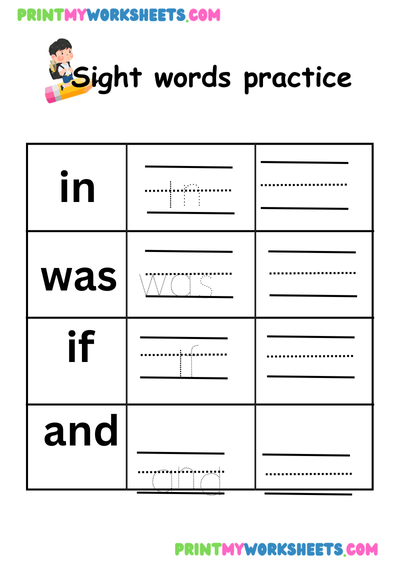
Students practice identifying sight words in different formats, including reading the words, tracing them, and using them within simple sentences. These exercises reinforce familiarity with common vocabulary and strengthen early reading skills.
Many worksheets include activities where students match words to pictures, circle the correct word, or fill in blanks in short sentences. These exercises encourage students to recognize words in context while building comprehension skills.
Children also develop handwriting skills by tracing and writing sight words repeatedly. This helps reinforce memory and recognition through both visual and motor learning.
Visual cues, simple sentence structures, and repetition make these activities accessible and engaging for young learners. By seeing and practicing the same words multiple times, students begin to recognize them automatically.
As children continue practicing, they build the confidence needed to read short passages and participate in early literacy activities more independently.
Educational Value & Skill Development
The Kindergarten Sight Words Worksheets PDF supports multiple aspects of early literacy development that are essential for young readers.
One of the most important benefits is reading fluency. When children recognize sight words quickly, they spend less time decoding individual letters and more time understanding the meaning of the sentence. This helps reading become smoother and more natural.
Sight word practice also strengthens vocabulary development. By repeatedly seeing and using common words, children expand their language skills and become more comfortable recognizing words in books and classroom materials.
The Kindergarten Sight Words Worksheets PDF also promotes confidence and independence in early readers. When children can easily recognize frequently used words, they feel more capable when reading simple texts.
These worksheets also support memory development. Repetition helps children store these words in long-term memory, making it easier for them to recall the words instantly during reading.
Additionally, tracing and writing activities help improve fine motor skills and handwriting practice. These physical actions reinforce word recognition and strengthen the connection between reading and writing.
Together, these skills create a strong literacy foundation that supports continued growth in reading and writing throughout elementary school.
Why Focus on Sight Words?
Sight words are a crucial part of early reading instruction because they appear so frequently in children’s books and classroom texts. Learning these words allows students to read sentences more smoothly without stopping to decode each letter.
Many sight words do not follow simple phonics rules. Because of this, children benefit from memorizing them through repeated exposure and practice. Once these words become familiar, reading becomes much easier.
Practicing sight words also helps improve reading confidence. When children recognize many of the words on a page, they are more likely to enjoy reading and feel successful in their learning.
Sight word activities also strengthen comprehension. When students recognize common words instantly, they can focus on understanding the meaning of the sentence rather than struggling with individual words.
Early literacy standards used in kindergarten classrooms across the United States emphasize sight word recognition as an essential component of reading instruction. These words help students transition from basic phonics practice to reading simple sentences and short stories.
Regular practice with sight words helps children develop the fluency and vocabulary needed for future reading success.
How to Use These Worksheets?
The Kindergarten Sight Words Worksheets PDF can be used effectively in a variety of learning environments, including classrooms, homeschool settings, and independent learning time.
Teachers often use sight word worksheets as part of daily literacy centers or reading stations. Students can work individually to read, trace, and practice the words included in each activity.
Small group instruction is another effective way to use these worksheets. Teachers can guide students through each word, discuss its meaning, and practice reading it together.
Parents who homeschool can incorporate the worksheets into daily reading routines. Children may read the words aloud, trace them with a pencil or marker, and practice writing them independently.
Since the worksheets are available as a free printable PDF, they can be downloaded and printed easily whenever additional practice is needed. They can be reused for review sessions or extra reading support at home.
The worksheets are also helpful for quiet independent work time. Children can complete the activities at their own pace while strengthening their sight word recognition and handwriting skills.
Related Worksheets / Extensions:
You may also like:
• Kindergarten phonics worksheets
• CVC word reading worksheets for early learners
• Beginning sounds worksheets for kindergarten
• Word building worksheets for early literacy practice
• Simple sentence reading worksheets for kindergarten students
The Kindergarten Sight Words Worksheets PDF can also be combined with other early reading activities that focus on phonics, vocabulary building, and sentence formation. When children practice sight words alongside phonics skills, they develop a balanced approach to reading.
Parents and teachers may extend learning by encouraging students to identify sight words in storybooks or classroom reading materials. Highlighting these words during reading activities reinforces recognition and helps students apply what they learned from worksheets.
With consistent practice and repetition, kindergarten students become more comfortable recognizing sight words instantly. These early reading skills play an important role in helping children develop fluency, comprehension, and a lifelong interest in reading.
Frequently Asked Questions
Q1. Is this worksheet free to download?Yes, this worksheet is 100% free to download and print. No account, subscription, or payment is required. Click the Download Now button to get your free PDF instantly.Q2. What format is this worksheet available in?This worksheet is available as a printable PDF file. It is black-and-white, printer-friendly, and works on any standard home or classroom printer using A4 or US Letter paper.Q3. Can I use this worksheet for both classroom and home learning?Yes, these worksheets are designed for use by classroom teachers, homeschool parents, and tutors. They can be used as morning work, homework, revision practice, or learning centre activities.Q4. Is this worksheet aligned with Common Core ELA standards?Yes, this English worksheet is aligned with U.S. Common Core English Language Arts standards and supports foundational literacy development.Q5. Is this worksheet suitable for ESL or ELL students?This worksheet can be used as a supplemental resource for ESL and ELL students, particularly for vocabulary building and language pattern practice.Kindergarten Sight Words Worksheets PDF | Free English II Downloadable – High Frequency Word Practice Pack
Kindergarten Sight Words Worksheets PDF
Early reading success begins with recognizing common words quickly and confidently. The Kindergarten Sight Words Worksheets PDF is designed to help young learners build strong reading foundations by practicing frequently used words that appear in everyday texts. These printable worksheets are helpful for U.S. parents, teachers, and homeschool families who want to support early literacy skills through structured and engaging activities.
Sight words are words that children learn to recognize instantly without needing to sound them out. Words such as “the,” “and,” “is,” and “you” appear often in early reading materials, making them important for developing reading fluency. Practicing these words regularly helps children read sentences more smoothly and confidently.
The Kindergarten Sight Words Worksheets PDF provides simple activities that encourage students to recognize, read, and practice these common words. Through repetition and visual learning, children strengthen their vocabulary and improve their ability to read basic sentences. These worksheets support kindergarten students as they begin their journey toward becoming confident and independent readers.
What Students Will Learn?
Sight word worksheets provide kindergarten students with important practice in recognizing high-frequency words that appear regularly in early reading materials. These activities help students build confidence in reading by learning words that are often difficult to decode using phonics alone.
Students practice identifying sight words in different formats, including reading the words, tracing them, and using them within simple sentences. These exercises reinforce familiarity with common vocabulary and strengthen early reading skills.
Many worksheets include activities where students match words to pictures, circle the correct word, or fill in blanks in short sentences. These exercises encourage students to recognize words in context while building comprehension skills.
Children also develop handwriting skills by tracing and writing sight words repeatedly. This helps reinforce memory and recognition through both visual and motor learning.
Visual cues, simple sentence structures, and repetition make these activities accessible and engaging for young learners. By seeing and practicing the same words multiple times, students begin to recognize them automatically.
As children continue practicing, they build the confidence needed to read short passages and participate in early literacy activities more independently.
Educational Value & Skill Development
The Kindergarten Sight Words Worksheets PDF supports multiple aspects of early literacy development that are essential for young readers.
One of the most important benefits is reading fluency. When children recognize sight words quickly, they spend less time decoding individual letters and more time understanding the meaning of the sentence. This helps reading become smoother and more natural.
Sight word practice also strengthens vocabulary development. By repeatedly seeing and using common words, children expand their language skills and become more comfortable recognizing words in books and classroom materials.
The Kindergarten Sight Words Worksheets PDF also promotes confidence and independence in early readers. When children can easily recognize frequently used words, they feel more capable when reading simple texts.
These worksheets also support memory development. Repetition helps children store these words in long-term memory, making it easier for them to recall the words instantly during reading.
Additionally, tracing and writing activities help improve fine motor skills and handwriting practice. These physical actions reinforce word recognition and strengthen the connection between reading and writing.
Together, these skills create a strong literacy foundation that supports continued growth in reading and writing throughout elementary school.
Why Focus on Sight Words?
Sight words are a crucial part of early reading instruction because they appear so frequently in children’s books and classroom texts. Learning these words allows students to read sentences more smoothly without stopping to decode each letter.
Many sight words do not follow simple phonics rules. Because of this, children benefit from memorizing them through repeated exposure and practice. Once these words become familiar, reading becomes much easier.
Practicing sight words also helps improve reading confidence. When children recognize many of the words on a page, they are more likely to enjoy reading and feel successful in their learning.
Sight word activities also strengthen comprehension. When students recognize common words instantly, they can focus on understanding the meaning of the sentence rather than struggling with individual words.
Early literacy standards used in kindergarten classrooms across the United States emphasize sight word recognition as an essential component of reading instruction. These words help students transition from basic phonics practice to reading simple sentences and short stories.
Regular practice with sight words helps children develop the fluency and vocabulary needed for future reading success.
How to Use These Worksheets?
The Kindergarten Sight Words Worksheets PDF can be used effectively in a variety of learning environments, including classrooms, homeschool settings, and independent learning time.
Teachers often use sight word worksheets as part of daily literacy centers or reading stations. Students can work individually to read, trace, and practice the words included in each activity.
Small group instruction is another effective way to use these worksheets. Teachers can guide students through each word, discuss its meaning, and practice reading it together.
Parents who homeschool can incorporate the worksheets into daily reading routines. Children may read the words aloud, trace them with a pencil or marker, and practice writing them independently.
Since the worksheets are available as a free printable PDF, they can be downloaded and printed easily whenever additional practice is needed. They can be reused for review sessions or extra reading support at home.
The worksheets are also helpful for quiet independent work time. Children can complete the activities at their own pace while strengthening their sight word recognition and handwriting skills.
Related Worksheets / Extensions:
You may also like:
• Kindergarten phonics worksheets
• CVC word reading worksheets for early learners
• Beginning sounds worksheets for kindergarten
• Word building worksheets for early literacy practice
• Simple sentence reading worksheets for kindergarten students
The Kindergarten Sight Words Worksheets PDF can also be combined with other early reading activities that focus on phonics, vocabulary building, and sentence formation. When children practice sight words alongside phonics skills, they develop a balanced approach to reading.
Parents and teachers may extend learning by encouraging students to identify sight words in storybooks or classroom reading materials. Highlighting these words during reading activities reinforces recognition and helps students apply what they learned from worksheets.
With consistent practice and repetition, kindergarten students become more comfortable recognizing sight words instantly. These early reading skills play an important role in helping children develop fluency, comprehension, and a lifelong interest in reading.