



Pre-KG Vowel Teams Worksheets PDF – Literacy Centers and Small Group Phonics Lessons
$0.00
Click below to access the free Pre-KG Vowel Teams Worksheets PDF
Continue Learning
Explore more worksheets to build your child’s English skills.

Pre-KG Vowel Teams Worksheets PDF
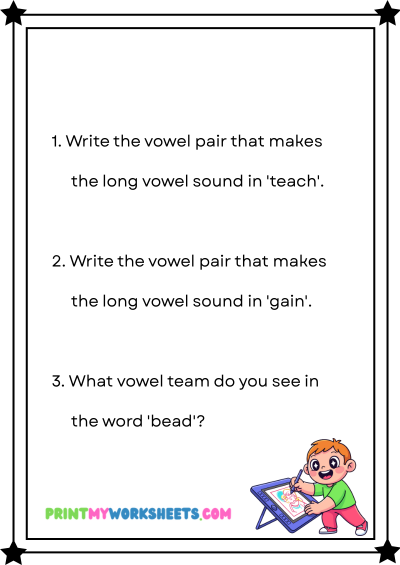
The Pre-KG Vowel Teams Worksheets PDF is a carefully designed phonics resource created to support early readers as they begin to recognize and understand vowel team sounds. This printable worksheet set is intended for Pre-K learners and is well suited for use by parents, classroom teachers, and homeschool families across the United States. Vowel teams, also known as vowel pairs, are combinations of two vowels that work together to make one sound, such as ai, ee, oa, and oo.
At the Pre-K level, children are developing strong listening skills and beginning to notice sound patterns in spoken language. Introducing vowel teams at this stage helps children move beyond single-letter sounds and prepares them for more advanced phonics instruction. These worksheets provide structured, age-appropriate practice that supports early literacy development without overwhelming young learners. With clear visuals, simple instructions, and consistent routines, this resource helps children build confidence while strengthening foundational reading skills.
What Students Will Learn ?
his worksheet set focuses on helping young learners recognize and understand common vowel team patterns through guided phonics practice. Students will learn that when two vowels appear together, they can create a single sound that may be different from the sounds each vowel makes on its own. This understanding is an important step in early reading development.
Activities are designed to introduce vowel teams gradually and clearly. Children practice listening to vowel sounds, matching sounds to pictures, and identifying vowel pairs within simple words. Visual cues play an important role in supporting comprehension and keeping learning accessible for Pre-K students. Tasks often involve circling, matching, tracing, or coloring, which helps reinforce learning while supporting fine motor development.
The worksheets follow predictable patterns that help children feel comfortable and confident as they work. Each activity builds on previous skills, supporting structured learning and repetition. This approach aligns with age-appropriate expectations for Pre-K learners, who benefit from consistent routines and short, focused tasks. By completing these activities, students develop early phonics awareness that supports future reading instruction.
Educational Value & Skill Development
Early exposure to vowel teams strengthens a child’s phonemic awareness and supports long-term reading success. Understanding vowel pairs helps children recognize sound patterns more easily, which is essential for decoding words as they progress through elementary school. The Pre-K Vowel Teams Worksheets PDF supports this learning by offering targeted practice that is developmentally appropriate and easy to follow.
From a cognitive perspective, these worksheets encourage children to listen carefully, compare sounds, and make connections between spoken language and visual symbols. This process supports memory, attention, and auditory discrimination skills. As children practice identifying vowel teams, they also build confidence in their ability to work independently and complete tasks successfully.
The worksheets are designed to support gradual skill progression. Children move from simple sound recognition to applying vowel team knowledge within basic words. This progression helps prevent frustration and allows learners to build confidence at their own pace. Over time, repeated practice helps children internalize vowel patterns, making future phonics instruction smoother and more effective. These early successes contribute to a positive attitude toward reading and learning overall.
Why Focus on Pre-K Vowel Teams ?
Vowel teams are an important part of phonics instruction because they appear frequently in early reading materials. Helping children recognize these patterns early makes decoding easier and more intuitive as they begin reading simple words and sentences. At the Pre-K level, children are still developing sound awareness, making this an ideal time to introduce vowel pairs in a gentle, supportive way.
Learning vowel teams supports future academic success by preparing children for kindergarten and first-grade phonics programs. Students who are familiar with vowel pairs are better equipped to decode unfamiliar words and understand spelling patterns. This early preparation reduces confusion and builds confidence when reading instruction becomes more formal.
Repetition and guided practice are essential for mastering vowel team sounds. Worksheets provide a consistent format that allows children to practice skills multiple times without pressure. These activities align with early learning standards commonly used in U.S. preschool and Pre-K programs, supporting phonological awareness, listening skills, and early literacy development.
How to Use These Worksheets ?
These worksheets are flexible and easy to incorporate into a variety of learning environments. In homeschool settings, they can be used as part of a daily phonics routine or as short, focused practice sessions. Parents can work alongside their child, modeling sounds and offering encouragement.
In classroom settings, teachers can use the worksheets for small group instruction, literacy centers, or independent practice. The clear layout and simple instructions make them suitable for guided learning or review activities. They also work well for early intervention or additional phonics reinforcement.
The Pre-K Vowel Teams Worksheets PDF is available as a free printable PDF, making it easy to download and reuse as needed. Pages can be printed multiple times for repeated practice or used with dry-erase sleeves to extend usability. This flexibility allows educators and families to adapt the resource to their specific needs while supporting consistent skill development.
Related Worksheets / Extensions :
To continue building early literacy skills, you may also like exploring related phonics resources such as short vowel worksheets, beginning blends activities, or word family practice pages. These topics naturally build on vowel team knowledge and help children apply sound patterns to reading and spelling tasks.
Many families and educators pair vowel team practice with additional resources that focus on sound blending and simple word reading. Using the Pre-K Vowel Teams Worksheets PDF alongside these complementary activities supports a well-rounded approach to early phonics instruction and helps children develop strong reading foundations as they prepare for kindergarten.
Frequently Asked Questions
Q1. What format is this worksheet available in?
This worksheet is available as a printable PDF file. It is black-and-white, printer-friendly, and works on any standard home or classroom printer using A4 or US Letter paper.
Q2. Is this worksheet free to download?
Yes, this worksheet is 100% free to download and print. No account, subscription, or payment is required. Click the Download Now button to get your free PDF instantly.
Q3. Can I use this worksheet for both classroom and home learning?
Yes, these worksheets are designed for use by classroom teachers, homeschool parents, and tutors. They can be used as morning work, homework, revision practice, or learning centre activities.
Q4. Is this worksheet aligned with Common Core ELA standards?
Yes, this English worksheet is aligned with U.S. Common Core English Language Arts standards and supports foundational literacy development.
Q5. Can this worksheet be used for phonics instruction?
Yes, this worksheet supports phonics-based reading instruction and is suitable for early readers building letter-sound recognition skills.
You may also like…

Pre Kindergarten Number Recognition 1-10 | Free Downloadable PDF
Pre Kindergarten Number Recognition 1-10
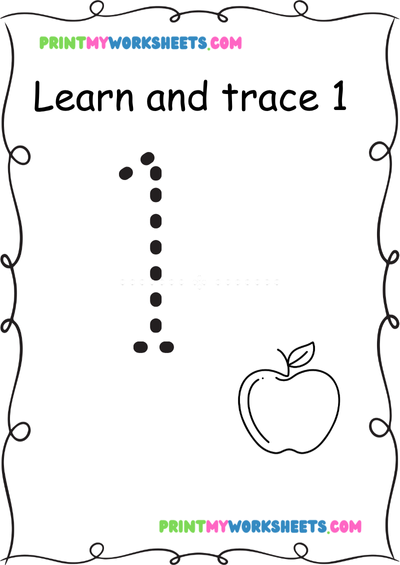
Early math learning begins with recognizing numbers and understanding what they represent. The Pre Kindergarten Number Recognition 1-10 worksheet set is designed to introduce young learners to numbers in a gentle, engaging, and developmentally appropriate way. Created for U.S. parents, preschool teachers, and homeschool families, these printable worksheets support early number awareness through simple, hands-on practice.
At the pre-kindergarten level, children are just beginning to make sense of numbers they see in books, games, and everyday life. Recognizing numbers from one to ten is a critical first step that supports counting, matching, and later math concepts. These worksheets help children visually identify numerals, connect them to quantities, and begin forming numbers through tracing and guided activities. With a clear layout and predictable structure, this free printable PDF makes early math practice feel approachable and enjoyable while building confidence and readiness for kindergarten.
What Students Will Learn?
These worksheets are carefully designed to support early number learning for young children. Students begin by identifying numerals from one to ten and learning to recognize them consistently across different activities. Through repeated exposure, children become familiar with how each number looks and how it connects to spoken number words.
Activities may include tracing numerals, circling the correct number, matching numbers to groups of objects, and counting simple sets. These tasks help children understand that numbers represent quantities, not just symbols on a page. Visual supports and simple instructions allow learners to focus on the concept without feeling overwhelmed.
The worksheets support structured learning by using consistent formats and clear expectations. This predictability helps pre-kindergarten students stay engaged and confident. Activities are aligned with age-appropriate learning goals, supporting early math skills such as counting, number identification, and one-to-one correspondence. By working within a small, manageable number range, children develop a strong foundation that prepares them for more advanced number work in kindergarten and beyond.
Educational Value & Skill Development
Early number recognition plays an important role in overall academic development. Using the Pre Kindergarten Number Recognition 1-10 worksheets helps children build essential math readiness skills while also supporting cognitive growth. Recognizing numbers accurately allows children to participate more confidently in classroom routines, games, and daily activities that involve counting or identifying numbers.
These worksheets also support memory and attention skills. Repeated practice helps children remember number shapes and associate them with quantities. Tracing and matching activities strengthen fine motor skills and hand-eye coordination, which are important for writing and other learning tasks.
Confidence and independence grow as children successfully complete familiar activities. When young learners recognize numbers quickly, they feel more capable and motivated to engage with math. This positive early experience helps reduce anxiety around numbers and encourages curiosity.
Skill progression is another key benefit. Mastery of numbers one through ten is the foundation for counting beyond ten, comparing numbers, and understanding basic addition concepts. These worksheets help ensure children are ready to move forward with confidence as math expectations increase.
Why Focus on Pre Kindergarten Number Recognition 1-10?
Learning to recognize numbers from one to ten is one of the most important early math skills. These numbers appear frequently in everyday life, from counting toys to identifying ages or reading simple books. Helping children recognize these numerals builds familiarity and comfort with math at an early age.
Strong number recognition supports future learning by allowing children to focus on problem-solving rather than struggling to identify numbers. When students know their numbers well, they are better prepared for counting, comparing quantities, and understanding simple math operations later on.
Repetition and guided practice are especially important for young learners. Worksheets provide a consistent and structured way to revisit numbers until recognition becomes automatic. These activities align with early learning standards commonly used across the United States, which emphasize number identification, counting skills, and readiness for kindergarten. By focusing on these foundational skills early, children develop a strong base for long-term math success.
How to Use These Worksheets?
These printable number worksheets are flexible and easy to use in a variety of learning environments. In homeschool settings, they can be included as part of a daily routine or used for short, focused practice sessions that match a child’s attention span. Parents can work alongside their child, counting objects together and discussing numbers aloud.
In preschool or classroom settings, teachers may use the worksheets during small-group instruction, math centers, or independent work time. They are also useful for reinforcing skills with children who need additional practice.
The Pre Kindergarten Number Recognition 1-10 worksheets are available as a free printable PDF, making them simple to download and reuse. Pages can be printed multiple times or placed in sheet protectors for repeated practice using dry-erase markers. This reusability allows families and educators to adapt the worksheets to individual learning needs while maintaining consistent instruction.
Related Worksheets / Extensions:
Frequently Asked Questions
Q1. Is this worksheet free to download?Yes, this worksheet is 100% free to download and print. No account, subscription, or payment is required. Click the Download Now button to get your free PDF instantly.Q2. What format is this worksheet available in?This worksheet is available as a printable PDF file. It is black-and-white, printer-friendly, and works on any standard home or classroom printer using A4 or US Letter paper.Q3. Can I use this worksheet for both classroom and home learning?Yes, these worksheets are designed for use by classroom teachers, homeschool parents, and tutors. They can be used as morning work, homework, revision practice, or learning centre activities.Q4. Is this worksheet suitable for extra practice or exam preparation?Yes, this worksheet is ideal for supplemental practice, homework reinforcement, test preparation, and homeschool math lessons.Q5. Does this math worksheet include an answer key?Yes, an answer key is included in the PDF so parents and teachers can quickly check student responses without manual calculation.Pre Kindergarten Number Recognition 1-10 | Free Downloadable PDF
Pre Kindergarten Number Recognition 1-10
Early math learning begins with recognizing numbers and understanding what they represent. The Pre Kindergarten Number Recognition 1-10 worksheet set is designed to introduce young learners to numbers in a gentle, engaging, and developmentally appropriate way. Created for U.S. parents, preschool teachers, and homeschool families, these printable worksheets support early number awareness through simple, hands-on practice.
At the pre-kindergarten level, children are just beginning to make sense of numbers they see in books, games, and everyday life. Recognizing numbers from one to ten is a critical first step that supports counting, matching, and later math concepts. These worksheets help children visually identify numerals, connect them to quantities, and begin forming numbers through tracing and guided activities. With a clear layout and predictable structure, this free printable PDF makes early math practice feel approachable and enjoyable while building confidence and readiness for kindergarten.
What Students Will Learn?
These worksheets are carefully designed to support early number learning for young children. Students begin by identifying numerals from one to ten and learning to recognize them consistently across different activities. Through repeated exposure, children become familiar with how each number looks and how it connects to spoken number words.
Activities may include tracing numerals, circling the correct number, matching numbers to groups of objects, and counting simple sets. These tasks help children understand that numbers represent quantities, not just symbols on a page. Visual supports and simple instructions allow learners to focus on the concept without feeling overwhelmed.
The worksheets support structured learning by using consistent formats and clear expectations. This predictability helps pre-kindergarten students stay engaged and confident. Activities are aligned with age-appropriate learning goals, supporting early math skills such as counting, number identification, and one-to-one correspondence. By working within a small, manageable number range, children develop a strong foundation that prepares them for more advanced number work in kindergarten and beyond.
Educational Value & Skill Development
Early number recognition plays an important role in overall academic development. Using the Pre Kindergarten Number Recognition 1-10 worksheets helps children build essential math readiness skills while also supporting cognitive growth. Recognizing numbers accurately allows children to participate more confidently in classroom routines, games, and daily activities that involve counting or identifying numbers.
These worksheets also support memory and attention skills. Repeated practice helps children remember number shapes and associate them with quantities. Tracing and matching activities strengthen fine motor skills and hand-eye coordination, which are important for writing and other learning tasks.
Confidence and independence grow as children successfully complete familiar activities. When young learners recognize numbers quickly, they feel more capable and motivated to engage with math. This positive early experience helps reduce anxiety around numbers and encourages curiosity.
Skill progression is another key benefit. Mastery of numbers one through ten is the foundation for counting beyond ten, comparing numbers, and understanding basic addition concepts. These worksheets help ensure children are ready to move forward with confidence as math expectations increase.
Why Focus on Pre Kindergarten Number Recognition 1-10?
Learning to recognize numbers from one to ten is one of the most important early math skills. These numbers appear frequently in everyday life, from counting toys to identifying ages or reading simple books. Helping children recognize these numerals builds familiarity and comfort with math at an early age.
Strong number recognition supports future learning by allowing children to focus on problem-solving rather than struggling to identify numbers. When students know their numbers well, they are better prepared for counting, comparing quantities, and understanding simple math operations later on.
Repetition and guided practice are especially important for young learners. Worksheets provide a consistent and structured way to revisit numbers until recognition becomes automatic. These activities align with early learning standards commonly used across the United States, which emphasize number identification, counting skills, and readiness for kindergarten. By focusing on these foundational skills early, children develop a strong base for long-term math success.
How to Use These Worksheets?
These printable number worksheets are flexible and easy to use in a variety of learning environments. In homeschool settings, they can be included as part of a daily routine or used for short, focused practice sessions that match a child’s attention span. Parents can work alongside their child, counting objects together and discussing numbers aloud.
In preschool or classroom settings, teachers may use the worksheets during small-group instruction, math centers, or independent work time. They are also useful for reinforcing skills with children who need additional practice.
The Pre Kindergarten Number Recognition 1-10 worksheets are available as a free printable PDF, making them simple to download and reuse. Pages can be printed multiple times or placed in sheet protectors for repeated practice using dry-erase markers. This reusability allows families and educators to adapt the worksheets to individual learning needs while maintaining consistent instruction.
Related Worksheets / Extensions:
Frequently Asked Questions
Q1. Is this worksheet free to download?Yes, this worksheet is 100% free to download and print. No account, subscription, or payment is required. Click the Download Now button to get your free PDF instantly.Q2. What format is this worksheet available in?This worksheet is available as a printable PDF file. It is black-and-white, printer-friendly, and works on any standard home or classroom printer using A4 or US Letter paper.Q3. Can I use this worksheet for both classroom and home learning?Yes, these worksheets are designed for use by classroom teachers, homeschool parents, and tutors. They can be used as morning work, homework, revision practice, or learning centre activities.Q4. Is this worksheet suitable for extra practice or exam preparation?Yes, this worksheet is ideal for supplemental practice, homework reinforcement, test preparation, and homeschool math lessons.Q5. Does this math worksheet include an answer key?Yes, an answer key is included in the PDF so parents and teachers can quickly check student responses without manual calculation.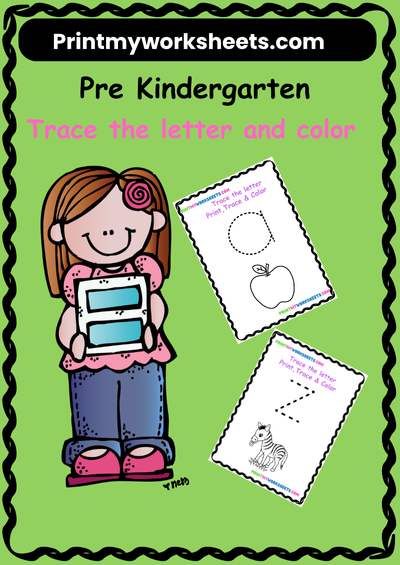
26 Pre-K Lowercase Alphabet Tracing Worksheets – Free PDF
26 Pre-K Lowercase Alphabet Tracing Worksheets
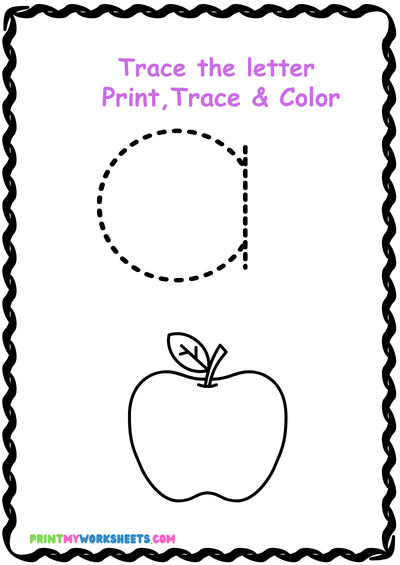
The 26 Pre-K Lowercase Alphabet Tracing Worksheets resource is designed to help young learners build strong early literacy skills through structured handwriting practice. This free printable PDF is created specifically for U.S. parents, preschool teachers, and homeschool families who want to support letter formation and alphabet recognition in a clear, developmentally appropriate way.
In Pre-K, children begin recognizing letters and understanding that each letter represents a sound. Learning to correctly trace and form lowercase letters is an essential step in early reading and writing development. Because most printed text uses lowercase letters, early familiarity builds confidence and prepares children for kindergarten readiness. These worksheets provide guided tracing practice for all 26 lowercase letters, helping young learners develop muscle memory, visual recognition, and foundational writing skills in an engaging and supportive format.
What Students Will Learn?
Through these lowercase alphabet tracing pages, children will learn how to correctly form each letter from a to z. Each worksheet focuses on a single lowercase letter, allowing students to concentrate on one shape at a time without feeling overwhelmed.
Students practice following directional strokes using dotted lines and guided tracing paths. This structured approach supports proper letter formation habits from the beginning. Children also strengthen their understanding of letter identification as they repeatedly see and trace each letter.
Activities may include large tracing lines for beginners, smaller practice rows for additional repetition, and simple letter recognition elements to reinforce learning. By working through all 26 letters, students gain familiarity with the full lowercase alphabet in a consistent and manageable way.
The clear layout and age-appropriate spacing ensure that young learners can focus on skill development. These tracing exercises align with early childhood literacy expectations across the United States and support smooth progression into kindergarten handwriting tasks.
Educational Value & Skill Development
The 26 Pre-K Lowercase Alphabet Tracing Worksheets provide meaningful educational value beyond simple handwriting practice. Tracing letters strengthens fine motor skills by encouraging proper pencil grip, hand stability, and controlled movements. These foundational motor skills are essential for future writing fluency.
Cognitive development is also supported as children connect visual letter shapes with hand movements. Repeated tracing helps build muscle memory, making letter formation more automatic over time. This reduces frustration and builds writing confidence.
In addition, early tracing practice supports phonemic awareness. As children recognize lowercase letters consistently, they are better prepared to connect letters to their corresponding sounds. This connection forms the basis for decoding and early reading skills.
Confidence grows as children master each letter. Completing all 26 letters gives young learners a sense of accomplishment and readiness for more advanced literacy activities. Consistent exposure through structured worksheets ensures gradual progress and reinforces classroom instruction or homeschool lessons.
Why Focus on Lowercase Alphabet Tracing?
Lowercase letters appear more frequently in everyday reading materials than uppercase letters. Books, worksheets, classroom charts, and printed text primarily use lowercase letters, making early familiarity essential for reading readiness.
In Pre-K, students are developing foundational literacy skills. Practicing lowercase letter formation ensures they learn correct stroke order before habits become difficult to change. Guided repetition supports accuracy and builds long-term writing fluency.
Repetition is especially important at this stage. Young learners benefit from consistent practice that allows them to revisit each letter multiple times. This repetition strengthens memory retention and reinforces recognition.
Early alphabet tracing also supports kindergarten readiness standards across the United States. Many kindergarten classrooms expect students to recognize and attempt writing lowercase letters independently. Developing these skills in Pre-K helps ease that transition and builds confidence in the classroom environment.
How to Use These Worksheets?
The 26 Pre-K Lowercase Alphabet Tracing Worksheets can be used in a variety of learning settings. Preschool teachers may incorporate them into daily literacy centers, small-group handwriting practice, or alphabet-focused lessons. Working alongside a teacher allows children to receive immediate guidance on proper stroke direction and pencil grip.
Homeschool parents can use the worksheets as part of a structured phonics routine. Completing one letter per day or per week creates a steady learning rhythm. Parents may also pair tracing activities with letter sound practice, alphabet songs, or hands-on activities such as forming letters with playdough.
Because this resource is a free printable PDF, families can easily download and print pages as needed. Worksheets can be reused for additional practice, review sessions, or reinforcement before advancing to independent writing tasks.
The simple, clean design allows children to focus on tracing without unnecessary distractions. Whether used in classrooms or at home, these worksheets provide structured and supportive alphabet practice.
Related Worksheets / Extensions:
You may also like:
Pre-K uppercase alphabet tracing worksheets
Preschool letter recognition activities
Beginning phonics worksheets for kindergarten
Alphabet matching and sound identification pages
The 26 Pre-K Lowercase Alphabet Tracing Worksheets work well alongside other early literacy resources that focus on phonics, letter sounds, and handwriting development. Combining tracing practice with sound recognition and simple word-building activities strengthens overall literacy growth. By reinforcing alphabet skills in multiple formats, young learners build the confidence and readiness needed for kindergarten reading and writing success.
Frequently Asked Questions
Q1. Is this worksheet free to download?Yes, this worksheet is 100% free to download and print. No account, subscription, or payment is required. Click the Download Now button to get your free PDF instantly.Q2. What format is this worksheet available in?This worksheet is available as a printable PDF file. It is black-and-white, printer-friendly, and works on any standard home or classroom printer using A4 or US Letter paper.Q3. Can I use this worksheet for both classroom and home learning?Yes, these worksheets are designed for use by classroom teachers, homeschool parents, and tutors. They can be used as morning work, homework, revision practice, or learning centre activities.Q4. Is this worksheet aligned with Common Core ELA standards?Yes, this English worksheet is aligned with U.S. Common Core English Language Arts standards and supports foundational literacy development.Q5. Is this worksheet suitable for ESL or ELL students?This worksheet can be used as a supplemental resource for ESL and ELL students, particularly for vocabulary building and language pattern practice.26 Pre-K Lowercase Alphabet Tracing Worksheets – Free PDF
26 Pre-K Lowercase Alphabet Tracing Worksheets
The 26 Pre-K Lowercase Alphabet Tracing Worksheets resource is designed to help young learners build strong early literacy skills through structured handwriting practice. This free printable PDF is created specifically for U.S. parents, preschool teachers, and homeschool families who want to support letter formation and alphabet recognition in a clear, developmentally appropriate way.
In Pre-K, children begin recognizing letters and understanding that each letter represents a sound. Learning to correctly trace and form lowercase letters is an essential step in early reading and writing development. Because most printed text uses lowercase letters, early familiarity builds confidence and prepares children for kindergarten readiness. These worksheets provide guided tracing practice for all 26 lowercase letters, helping young learners develop muscle memory, visual recognition, and foundational writing skills in an engaging and supportive format.
What Students Will Learn?
Through these lowercase alphabet tracing pages, children will learn how to correctly form each letter from a to z. Each worksheet focuses on a single lowercase letter, allowing students to concentrate on one shape at a time without feeling overwhelmed.
Students practice following directional strokes using dotted lines and guided tracing paths. This structured approach supports proper letter formation habits from the beginning. Children also strengthen their understanding of letter identification as they repeatedly see and trace each letter.
Activities may include large tracing lines for beginners, smaller practice rows for additional repetition, and simple letter recognition elements to reinforce learning. By working through all 26 letters, students gain familiarity with the full lowercase alphabet in a consistent and manageable way.
The clear layout and age-appropriate spacing ensure that young learners can focus on skill development. These tracing exercises align with early childhood literacy expectations across the United States and support smooth progression into kindergarten handwriting tasks.
Educational Value & Skill Development
The 26 Pre-K Lowercase Alphabet Tracing Worksheets provide meaningful educational value beyond simple handwriting practice. Tracing letters strengthens fine motor skills by encouraging proper pencil grip, hand stability, and controlled movements. These foundational motor skills are essential for future writing fluency.
Cognitive development is also supported as children connect visual letter shapes with hand movements. Repeated tracing helps build muscle memory, making letter formation more automatic over time. This reduces frustration and builds writing confidence.
In addition, early tracing practice supports phonemic awareness. As children recognize lowercase letters consistently, they are better prepared to connect letters to their corresponding sounds. This connection forms the basis for decoding and early reading skills.
Confidence grows as children master each letter. Completing all 26 letters gives young learners a sense of accomplishment and readiness for more advanced literacy activities. Consistent exposure through structured worksheets ensures gradual progress and reinforces classroom instruction or homeschool lessons.
Why Focus on Lowercase Alphabet Tracing?
Lowercase letters appear more frequently in everyday reading materials than uppercase letters. Books, worksheets, classroom charts, and printed text primarily use lowercase letters, making early familiarity essential for reading readiness.
In Pre-K, students are developing foundational literacy skills. Practicing lowercase letter formation ensures they learn correct stroke order before habits become difficult to change. Guided repetition supports accuracy and builds long-term writing fluency.
Repetition is especially important at this stage. Young learners benefit from consistent practice that allows them to revisit each letter multiple times. This repetition strengthens memory retention and reinforces recognition.
Early alphabet tracing also supports kindergarten readiness standards across the United States. Many kindergarten classrooms expect students to recognize and attempt writing lowercase letters independently. Developing these skills in Pre-K helps ease that transition and builds confidence in the classroom environment.
How to Use These Worksheets?
The 26 Pre-K Lowercase Alphabet Tracing Worksheets can be used in a variety of learning settings. Preschool teachers may incorporate them into daily literacy centers, small-group handwriting practice, or alphabet-focused lessons. Working alongside a teacher allows children to receive immediate guidance on proper stroke direction and pencil grip.
Homeschool parents can use the worksheets as part of a structured phonics routine. Completing one letter per day or per week creates a steady learning rhythm. Parents may also pair tracing activities with letter sound practice, alphabet songs, or hands-on activities such as forming letters with playdough.
Because this resource is a free printable PDF, families can easily download and print pages as needed. Worksheets can be reused for additional practice, review sessions, or reinforcement before advancing to independent writing tasks.
The simple, clean design allows children to focus on tracing without unnecessary distractions. Whether used in classrooms or at home, these worksheets provide structured and supportive alphabet practice.
Related Worksheets / Extensions:
You may also like:
Pre-K uppercase alphabet tracing worksheets
Preschool letter recognition activities
Beginning phonics worksheets for kindergarten
Alphabet matching and sound identification pages
The 26 Pre-K Lowercase Alphabet Tracing Worksheets work well alongside other early literacy resources that focus on phonics, letter sounds, and handwriting development. Combining tracing practice with sound recognition and simple word-building activities strengthens overall literacy growth. By reinforcing alphabet skills in multiple formats, young learners build the confidence and readiness needed for kindergarten reading and writing success.
Frequently Asked Questions
Q1. Is this worksheet free to download?Yes, this worksheet is 100% free to download and print. No account, subscription, or payment is required. Click the Download Now button to get your free PDF instantly.Q2. What format is this worksheet available in?This worksheet is available as a printable PDF file. It is black-and-white, printer-friendly, and works on any standard home or classroom printer using A4 or US Letter paper.Q3. Can I use this worksheet for both classroom and home learning?Yes, these worksheets are designed for use by classroom teachers, homeschool parents, and tutors. They can be used as morning work, homework, revision practice, or learning centre activities.Q4. Is this worksheet aligned with Common Core ELA standards?Yes, this English worksheet is aligned with U.S. Common Core English Language Arts standards and supports foundational literacy development.Q5. Is this worksheet suitable for ESL or ELL students?This worksheet can be used as a supplemental resource for ESL and ELL students, particularly for vocabulary building and language pattern practice.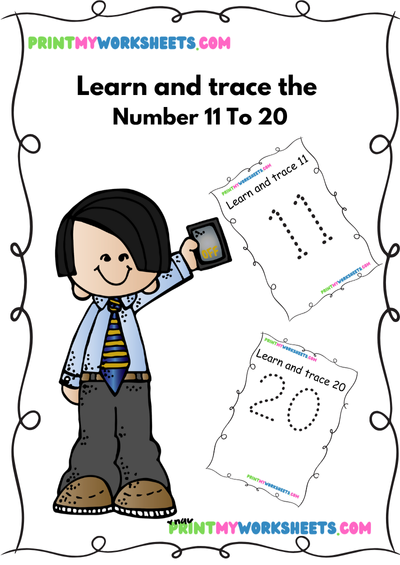
Pre Kindergarten Number Recognition 11-20 | Free Downloadable PDF
Pre Kindergarten Number Recognition 11-20
Early number learning lays the foundation for future math success, especially during the preschool years when children are developing core cognitive and motor skills. The Pre Kindergarten Number Recognition 11-20 worksheet set is created to help young learners become familiar with numbers beyond ten through gentle, engaging practice. Designed for U.S. parents, classroom teachers, and homeschool families, these printable worksheets support early math development in a clear and age-appropriate way.
At the pre-kindergarten level, children are beginning to move past counting from one to ten and are ready to explore larger numbers. Recognizing numbers from 11 to 20 can be challenging because these numbers do not always follow obvious visual patterns. This worksheet set provides structured exposure to help children identify, name, and connect these numbers to quantities. Through consistent practice, students gain confidence with number recognition, which supports readiness for kindergarten math expectations and everyday number use.
What Students Will Learn?
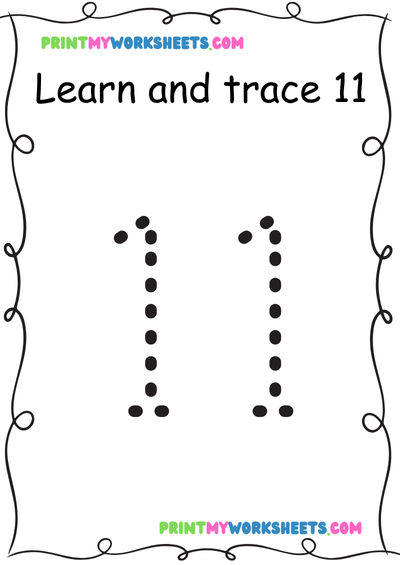
These worksheets are designed to help young learners recognize and understand numbers from 11 through 20 in multiple ways. Children practice identifying numerals visually while connecting them to spoken number names and simple quantities. Early activities may involve tracing numbers, circling correct numerals, or matching numbers to groups of objects.
As students work through the pages, they begin to build stronger number awareness by seeing how teen numbers are formed and used. Activities are intentionally simple and repetitive to support memory and familiarity. This repetition is important at the pre-kindergarten stage, where children learn best through consistent routines and clear expectations.
The worksheets support structured learning by using predictable layouts and easy-to-follow instructions. This helps young learners focus on the task without becoming overwhelmed. The activities are aligned with age-appropriate expectations, supporting early math skills such as counting, number identification, and visual discrimination. By practicing number recognition within this specific range, children develop a stronger understanding that prepares them for more advanced number work in kindergarten.
Educational Value & Skill Development
Early number recognition is closely connected to later success in math. Using the Pre Kindergarten Number Recognition 11-20 worksheets helps children strengthen their understanding of numerals while building confidence in their abilities. Recognizing numbers accurately supports counting, comparing quantities, and following classroom routines that involve numbers.
These worksheets also support cognitive development by encouraging attention, memory, and visual processing. When children trace numbers or match numerals to objects, they practice fine motor skills and hand-eye coordination. These foundational skills are important for writing and other classroom tasks.
Confidence and independence grow as children successfully complete activities on their own. Familiar formats and clear expectations help students feel comfortable engaging with the worksheets, which encourages a positive attitude toward math learning. Over time, children begin to recognize numbers automatically, reducing frustration and increasing engagement.
Skill progression is another important benefit. Mastery of numbers 11–20 builds on earlier learning from 1–10 and prepares children for counting beyond twenty, simple addition concepts, and number comparisons in kindergarten and first grade.
Why Focus on Pre Kindergarten Number Recognition 11-20?
Numbers from 11 to 20 are a key transition point in early math learning. Unlike smaller numbers, teen numbers require children to understand counting sequences and recognize patterns that are not always visually obvious. Focusing on this range helps children build a clearer understanding of how numbers grow and change.
Developing strong number recognition skills at this stage supports future learning in counting, place value, and basic operations. When children can quickly identify numbers, they are better prepared to focus on problem-solving rather than decoding numerals.
Repetition and guided practice are essential for young learners. Worksheets provide a consistent way to revisit numbers until recognition becomes automatic. These activities align with early learning standards used across the United States, which emphasize number identification, counting skills, and readiness for kindergarten math. By strengthening these skills early, children gain a solid foundation that supports long-term academic confidence.
How to Use These Worksheets
These printable math worksheets are flexible and easy to use in a variety of learning settings. In homeschool environments, they can be included as part of a daily math routine or used for short practice sessions that fit a child’s attention span. Parents can sit with their child, talk through the numbers, and celebrate progress together.
In classrooms, teachers may use the worksheets during small-group instruction, math centers, or independent work time. They are also helpful for reinforcing skills with students who need extra practice.
The Pre Kindergarten Number Recognition 11-20 worksheets are provided as a free printable PDF, making them easy to download and reuse. Pages can be printed multiple times or placed in sheet protectors for repeated practice using dry-erase markers. This reusability allows educators and families to adapt the worksheets to individual learning needs while maintaining consistent instruction.
Related Worksheets / Extensions:
Frequently Asked Questions
Q1. Is this worksheet free to download?Yes, this worksheet is 100% free to download and print. No account, subscription, or payment is required. Click the Download Now button to get your free PDF instantly.Q2. What format is this worksheet available in?This worksheet is available as a printable PDF file. It is black-and-white, printer-friendly, and works on any standard home or classroom printer using A4 or US Letter paper.Q3. Can I use this worksheet for both classroom and home learning?Yes, these worksheets are designed for use by classroom teachers, homeschool parents, and tutors. They can be used as morning work, homework, revision practice, or learning centre activities.Q4. Is this worksheet suitable for extra practice or exam preparation?Yes, this worksheet is ideal for supplemental practice, homework reinforcement, test preparation, and homeschool math lessons.Q5. Does this math worksheet include an answer key?Yes, an answer key is included in the PDF so parents and teachers can quickly check student responses without manual calculation.Pre Kindergarten Number Recognition 11-20 | Free Downloadable PDF
Pre Kindergarten Number Recognition 11-20
Early number learning lays the foundation for future math success, especially during the preschool years when children are developing core cognitive and motor skills. The Pre Kindergarten Number Recognition 11-20 worksheet set is created to help young learners become familiar with numbers beyond ten through gentle, engaging practice. Designed for U.S. parents, classroom teachers, and homeschool families, these printable worksheets support early math development in a clear and age-appropriate way.
At the pre-kindergarten level, children are beginning to move past counting from one to ten and are ready to explore larger numbers. Recognizing numbers from 11 to 20 can be challenging because these numbers do not always follow obvious visual patterns. This worksheet set provides structured exposure to help children identify, name, and connect these numbers to quantities. Through consistent practice, students gain confidence with number recognition, which supports readiness for kindergarten math expectations and everyday number use.
What Students Will Learn?
These worksheets are designed to help young learners recognize and understand numbers from 11 through 20 in multiple ways. Children practice identifying numerals visually while connecting them to spoken number names and simple quantities. Early activities may involve tracing numbers, circling correct numerals, or matching numbers to groups of objects.
As students work through the pages, they begin to build stronger number awareness by seeing how teen numbers are formed and used. Activities are intentionally simple and repetitive to support memory and familiarity. This repetition is important at the pre-kindergarten stage, where children learn best through consistent routines and clear expectations.
The worksheets support structured learning by using predictable layouts and easy-to-follow instructions. This helps young learners focus on the task without becoming overwhelmed. The activities are aligned with age-appropriate expectations, supporting early math skills such as counting, number identification, and visual discrimination. By practicing number recognition within this specific range, children develop a stronger understanding that prepares them for more advanced number work in kindergarten.
Educational Value & Skill Development
Early number recognition is closely connected to later success in math. Using the Pre Kindergarten Number Recognition 11-20 worksheets helps children strengthen their understanding of numerals while building confidence in their abilities. Recognizing numbers accurately supports counting, comparing quantities, and following classroom routines that involve numbers.
These worksheets also support cognitive development by encouraging attention, memory, and visual processing. When children trace numbers or match numerals to objects, they practice fine motor skills and hand-eye coordination. These foundational skills are important for writing and other classroom tasks.
Confidence and independence grow as children successfully complete activities on their own. Familiar formats and clear expectations help students feel comfortable engaging with the worksheets, which encourages a positive attitude toward math learning. Over time, children begin to recognize numbers automatically, reducing frustration and increasing engagement.
Skill progression is another important benefit. Mastery of numbers 11–20 builds on earlier learning from 1–10 and prepares children for counting beyond twenty, simple addition concepts, and number comparisons in kindergarten and first grade.
Why Focus on Pre Kindergarten Number Recognition 11-20?
Numbers from 11 to 20 are a key transition point in early math learning. Unlike smaller numbers, teen numbers require children to understand counting sequences and recognize patterns that are not always visually obvious. Focusing on this range helps children build a clearer understanding of how numbers grow and change.
Developing strong number recognition skills at this stage supports future learning in counting, place value, and basic operations. When children can quickly identify numbers, they are better prepared to focus on problem-solving rather than decoding numerals.
Repetition and guided practice are essential for young learners. Worksheets provide a consistent way to revisit numbers until recognition becomes automatic. These activities align with early learning standards used across the United States, which emphasize number identification, counting skills, and readiness for kindergarten math. By strengthening these skills early, children gain a solid foundation that supports long-term academic confidence.
How to Use These Worksheets
These printable math worksheets are flexible and easy to use in a variety of learning settings. In homeschool environments, they can be included as part of a daily math routine or used for short practice sessions that fit a child’s attention span. Parents can sit with their child, talk through the numbers, and celebrate progress together.
In classrooms, teachers may use the worksheets during small-group instruction, math centers, or independent work time. They are also helpful for reinforcing skills with students who need extra practice.
The Pre Kindergarten Number Recognition 11-20 worksheets are provided as a free printable PDF, making them easy to download and reuse. Pages can be printed multiple times or placed in sheet protectors for repeated practice using dry-erase markers. This reusability allows educators and families to adapt the worksheets to individual learning needs while maintaining consistent instruction.