
26 Pre-K Lowercase Alphabet Tracing Worksheets – Build Early Writing Skills A to Z
26 Pre-K Lowercase Alphabet Tracing Worksheets
The 26 Pre-K Lowercase Alphabet Tracing Worksheets resource is designed to help young learners build strong early literacy skills through structured handwriting practice. This free printable PDF is created specifically for U.S. parents, preschool teachers, and homeschool families who want to support letter formation and alphabet recognition in a clear, developmentally appropriate way.
In Pre-K, children begin recognizing letters and understanding that each letter represents a sound. Learning to correctly trace and form lowercase letters is an essential step in early reading and writing development. Because most printed text uses lowercase letters, early familiarity builds confidence and prepares children for kindergarten readiness. These worksheets provide guided tracing practice for all 26 lowercase letters, helping young learners develop muscle memory, visual recognition, and foundational writing skills in an engaging and supportive format.
What Students Will Learn?
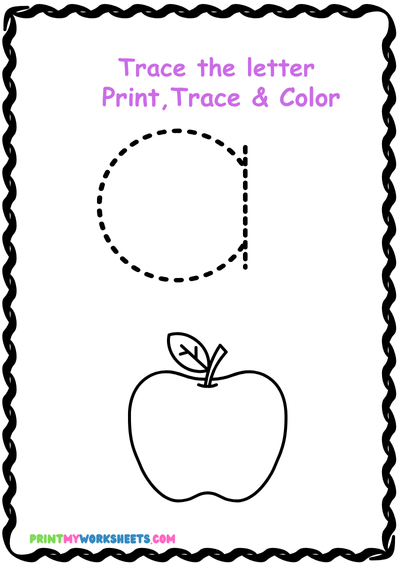
Through these lowercase alphabet tracing pages, children will learn how to correctly form each letter from a to z. Each worksheet focuses on a single lowercase letter, allowing students to concentrate on one shape at a time without feeling overwhelmed.
Students practice following directional strokes using dotted lines and guided tracing paths. This structured approach supports proper letter formation habits from the beginning. Children also strengthen their understanding of letter identification as they repeatedly see and trace each letter.
Activities may include large tracing lines for beginners, smaller practice rows for additional repetition, and simple letter recognition elements to reinforce learning. By working through all 26 letters, students gain familiarity with the full lowercase alphabet in a consistent and manageable way.
The clear layout and age-appropriate spacing ensure that young learners can focus on skill development. These tracing exercises align with early childhood literacy expectations across the United States and support smooth progression into kindergarten handwriting tasks.
Educational Value & Skill Development
The 26 Pre-K Lowercase Alphabet Tracing Worksheets provide meaningful educational value beyond simple handwriting practice. Tracing letters strengthens fine motor skills by encouraging proper pencil grip, hand stability, and controlled movements. These foundational motor skills are essential for future writing fluency.
Cognitive development is also supported as children connect visual letter shapes with hand movements. Repeated tracing helps build muscle memory, making letter formation more automatic over time. This reduces frustration and builds writing confidence.
In addition, early tracing practice supports phonemic awareness. As children recognize lowercase letters consistently, they are better prepared to connect letters to their corresponding sounds. This connection forms the basis for decoding and early reading skills.
Confidence grows as children master each letter. Completing all 26 letters gives young learners a sense of accomplishment and readiness for more advanced literacy activities. Consistent exposure through structured worksheets ensures gradual progress and reinforces classroom instruction or homeschool lessons.
Why Focus on Lowercase Alphabet Tracing?
Lowercase letters appear more frequently in everyday reading materials than uppercase letters. Books, worksheets, classroom charts, and printed text primarily use lowercase letters, making early familiarity essential for reading readiness.
In Pre-K, students are developing foundational literacy skills. Practicing lowercase letter formation ensures they learn correct stroke order before habits become difficult to change. Guided repetition supports accuracy and builds long-term writing fluency.
Repetition is especially important at this stage. Young learners benefit from consistent practice that allows them to revisit each letter multiple times. This repetition strengthens memory retention and reinforces recognition.
Early alphabet tracing also supports kindergarten readiness standards across the United States. Many kindergarten classrooms expect students to recognize and attempt writing lowercase letters independently. Developing these skills in Pre-K helps ease that transition and builds confidence in the classroom environment.
How to Use These Worksheets?
The 26 Pre-K Lowercase Alphabet Tracing Worksheets can be used in a variety of learning settings. Preschool teachers may incorporate them into daily literacy centers, small-group handwriting practice, or alphabet-focused lessons. Working alongside a teacher allows children to receive immediate guidance on proper stroke direction and pencil grip.
Homeschool parents can use the worksheets as part of a structured phonics routine. Completing one letter per day or per week creates a steady learning rhythm. Parents may also pair tracing activities with letter sound practice, alphabet songs, or hands-on activities such as forming letters with playdough.
Because this resource is a free printable PDF, families can easily download and print pages as needed. Worksheets can be reused for additional practice, review sessions, or reinforcement before advancing to independent writing tasks.
The simple, clean design allows children to focus on tracing without unnecessary distractions. Whether used in classrooms or at home, these worksheets provide structured and supportive alphabet practice.
Related Worksheets / Extensions:
You may also like:
-
Pre-K uppercase alphabet tracing worksheets
-
Preschool letter recognition activities
-
Beginning phonics worksheets for kindergarten
-
Alphabet matching and sound identification pages
The 26 Pre-K Lowercase Alphabet Tracing Worksheets work well alongside other early literacy resources that focus on phonics, letter sounds, and handwriting development. Combining tracing practice with sound recognition and simple word-building activities strengthens overall literacy growth. By reinforcing alphabet skills in multiple formats, young learners build the confidence and readiness needed for kindergarten reading and writing success.
You may also like :
[gallery ids="5911,5405,5333,5297"] 26 Pre-K Lowercase Alphabet Tracing Worksheets – Build Early Writing Skills A to Z
26 Pre-K Lowercase Alphabet Tracing Worksheets
The 26 Pre-K Lowercase Alphabet Tracing Worksheets resource is designed to help young learners build strong early literacy skills through structured handwriting practice. This free printable PDF is created specifically for U.S. parents, preschool teachers, and homeschool families who want to support letter formation and alphabet recognition in a clear, developmentally appropriate way.
In Pre-K, children begin recognizing letters and understanding that each letter represents a sound. Learning to correctly trace and form lowercase letters is an essential step in early reading and writing development. Because most printed text uses lowercase letters, early familiarity builds confidence and prepares children for kindergarten readiness. These worksheets provide guided tracing practice for all 26 lowercase letters, helping young learners develop muscle memory, visual recognition, and foundational writing skills in an engaging and supportive format.
What Students Will Learn?
Through these lowercase alphabet tracing pages, children will learn how to correctly form each letter from a to z. Each worksheet focuses on a single lowercase letter, allowing students to concentrate on one shape at a time without feeling overwhelmed.
Students practice following directional strokes using dotted lines and guided tracing paths. This structured approach supports proper letter formation habits from the beginning. Children also strengthen their understanding of letter identification as they repeatedly see and trace each letter.
Activities may include large tracing lines for beginners, smaller practice rows for additional repetition, and simple letter recognition elements to reinforce learning. By working through all 26 letters, students gain familiarity with the full lowercase alphabet in a consistent and manageable way.
The clear layout and age-appropriate spacing ensure that young learners can focus on skill development. These tracing exercises align with early childhood literacy expectations across the United States and support smooth progression into kindergarten handwriting tasks.
Educational Value & Skill Development
The 26 Pre-K Lowercase Alphabet Tracing Worksheets provide meaningful educational value beyond simple handwriting practice. Tracing letters strengthens fine motor skills by encouraging proper pencil grip, hand stability, and controlled movements. These foundational motor skills are essential for future writing fluency.
Cognitive development is also supported as children connect visual letter shapes with hand movements. Repeated tracing helps build muscle memory, making letter formation more automatic over time. This reduces frustration and builds writing confidence.
In addition, early tracing practice supports phonemic awareness. As children recognize lowercase letters consistently, they are better prepared to connect letters to their corresponding sounds. This connection forms the basis for decoding and early reading skills.
Confidence grows as children master each letter. Completing all 26 letters gives young learners a sense of accomplishment and readiness for more advanced literacy activities. Consistent exposure through structured worksheets ensures gradual progress and reinforces classroom instruction or homeschool lessons.
Why Focus on Lowercase Alphabet Tracing?
Lowercase letters appear more frequently in everyday reading materials than uppercase letters. Books, worksheets, classroom charts, and printed text primarily use lowercase letters, making early familiarity essential for reading readiness.
In Pre-K, students are developing foundational literacy skills. Practicing lowercase letter formation ensures they learn correct stroke order before habits become difficult to change. Guided repetition supports accuracy and builds long-term writing fluency.
Repetition is especially important at this stage. Young learners benefit from consistent practice that allows them to revisit each letter multiple times. This repetition strengthens memory retention and reinforces recognition.
Early alphabet tracing also supports kindergarten readiness standards across the United States. Many kindergarten classrooms expect students to recognize and attempt writing lowercase letters independently. Developing these skills in Pre-K helps ease that transition and builds confidence in the classroom environment.
How to Use These Worksheets?
The 26 Pre-K Lowercase Alphabet Tracing Worksheets can be used in a variety of learning settings. Preschool teachers may incorporate them into daily literacy centers, small-group handwriting practice, or alphabet-focused lessons. Working alongside a teacher allows children to receive immediate guidance on proper stroke direction and pencil grip.
Homeschool parents can use the worksheets as part of a structured phonics routine. Completing one letter per day or per week creates a steady learning rhythm. Parents may also pair tracing activities with letter sound practice, alphabet songs, or hands-on activities such as forming letters with playdough.
Because this resource is a free printable PDF, families can easily download and print pages as needed. Worksheets can be reused for additional practice, review sessions, or reinforcement before advancing to independent writing tasks.
The simple, clean design allows children to focus on tracing without unnecessary distractions. Whether used in classrooms or at home, these worksheets provide structured and supportive alphabet practice.
Related Worksheets / Extensions:
You may also like:
-
Pre-K uppercase alphabet tracing worksheets
-
Preschool letter recognition activities
-
Beginning phonics worksheets for kindergarten
-
Alphabet matching and sound identification pages
The 26 Pre-K Lowercase Alphabet Tracing Worksheets work well alongside other early literacy resources that focus on phonics, letter sounds, and handwriting development. Combining tracing practice with sound recognition and simple word-building activities strengthens overall literacy growth. By reinforcing alphabet skills in multiple formats, young learners build the confidence and readiness needed for kindergarten reading and writing success.
You may also like :
[gallery ids="5911,5405,5333,5297"]
4th of July Word Search Worksheets PDF | Free Dowloadable
Celebrate learning this Independence Day with our 4th of July Word Search Worksheets PDF on Comparing Size, Height & Weight, designed especially for young learners in the US. Perfect for homeschool parents, preschool teachers, and early learners, this worksheet makes patriotic learning both fun and educational.
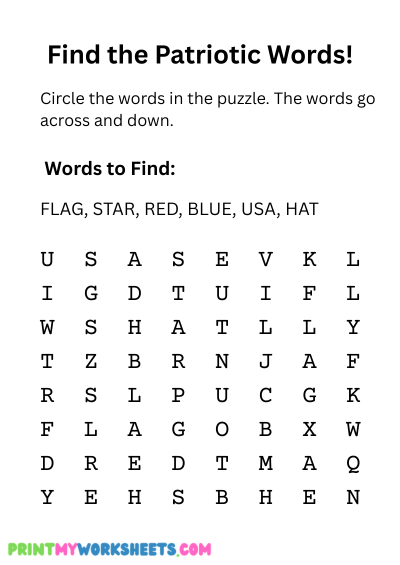
Kids will enjoy tracing, coloring, and identifying festive 4th of July-themed words like flag, star, hat, firework, and USA. Alongside vocabulary building, children also engage in comparing exercises that help them recognize differences in size, height, and weight—important early math and observation skills. These activities encourage creativity, attention to detail, and fine motor development while reinforcing early literacy.
Why use themed worksheets? Seasonal learning like this keeps kids motivated, focused, and excited about education. It connects real-life celebrations to early academic concepts, helping children better understand the world around them. By integrating reading, coloring, and comparison, kids enhance language, comprehension, and problem-solving skills in an enjoyable way.
This free downloadable PDF is easy to print and perfect for classroom centers, homeschool lessons, or fun at-home learning.
You may also like :
[gallery ids="5588,5466,5596"] 4th of July Word Search Worksheets PDF | Free Dowloadable
Celebrate learning this Independence Day with our 4th of July Word Search Worksheets PDF on Comparing Size, Height & Weight, designed especially for young learners in the US. Perfect for homeschool parents, preschool teachers, and early learners, this worksheet makes patriotic learning both fun and educational.
Kids will enjoy tracing, coloring, and identifying festive 4th of July-themed words like flag, star, hat, firework, and USA. Alongside vocabulary building, children also engage in comparing exercises that help them recognize differences in size, height, and weight—important early math and observation skills. These activities encourage creativity, attention to detail, and fine motor development while reinforcing early literacy.
Why use themed worksheets? Seasonal learning like this keeps kids motivated, focused, and excited about education. It connects real-life celebrations to early academic concepts, helping children better understand the world around them. By integrating reading, coloring, and comparison, kids enhance language, comprehension, and problem-solving skills in an enjoyable way.
This free downloadable PDF is easy to print and perfect for classroom centers, homeschool lessons, or fun at-home learning.
You may also like :
[gallery ids="5588,5466,5596"]
4th of July Worksheets PDF | Free Downloadable
Celebrate the 4th of July with this engaging and educational Learning National Symbols Worksheet designed for Kindergarten learners. This free downloadable PDF helps young children recognize and understand key U.S. patriotic symbols—like the American flag, bald eagle, Statue of Liberty, and more—through coloring, matching, and visual learning activities.
Perfect for homeschool families, classrooms, and summer learning programs, this worksheet blends fun patriotic celebration with early social studies education. It encourages students to explore the meaning behind these symbols while developing observation skills, critical thinking, and a deeper love for their country.
This worksheet is aligned with Kindergarten-level civics and history standards, making it a valuable and age-appropriate tool for introducing American identity, heritage, and the significance of Independence Day.
✅ Reasons to Learn About U.S. National Symbols (for Kids):
Understanding national symbols at a young age helps children:
-
🦅 Build national identity and pride
-
🇺🇸 Recognize important symbols of freedom and democracy
-
📚 Develop early civics and history knowledge
-
🎨 Improve vocabulary through visual association
-
🧠 Build memory and cognitive recognition skills
The worksheet is thoughtfully created with large, child-friendly graphics, tracing activities, and coloring prompts to keep young learners engaged while supporting foundational learning about American culture.
✅ What’s Inside the Worksheet:
-
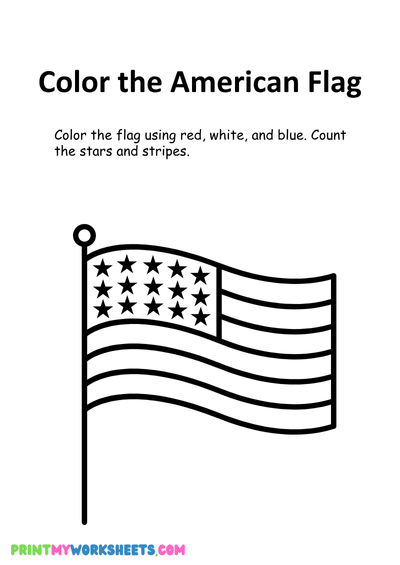
Color the Flag activity
-
Match the Symbol to its Name
-
Trace the words (e.g., Liberty, Flag, Eagle)
-
Learn through pictures: Liberty Bell, Capitol, Uncle Sam, etc.
-
Simple sentences about each symbol
All pages are printable and designed for U.S. Letter Size (8.5 x 11 inches) — perfect for classroom walls, holiday packets, or Independence Day events.
✅ Who Is This For?
✅ Kindergarten students
✅ Homeschool parents
✅ Early childhood teachers
✅ Summer camp organizers
✅ Parents planning 4th of July activities
✅ Educational Benefits:
-
Boosts recognition of patriotic symbols
-
Fosters a sense of American identity
-
Enhances fine motor skills through tracing and coloring
-
Strengthens word-image association
-
Introduces basic civics at an early stage
✅ How to Use:
-
Print the worksheet set.
-
Introduce each symbol verbally and visually.
-
Guide kids through coloring and tracing.
-
Discuss each symbol’s importance briefly.
-
Display completed pages during 4th of July celebrations!
Download and print today to give your little learners the head start they deserve!
You may also like :
[gallery ids="4818,4833,5018"] 4th of July Worksheets PDF | Free Downloadable
Celebrate the 4th of July with this engaging and educational Learning National Symbols Worksheet designed for Kindergarten learners. This free downloadable PDF helps young children recognize and understand key U.S. patriotic symbols—like the American flag, bald eagle, Statue of Liberty, and more—through coloring, matching, and visual learning activities.
Perfect for homeschool families, classrooms, and summer learning programs, this worksheet blends fun patriotic celebration with early social studies education. It encourages students to explore the meaning behind these symbols while developing observation skills, critical thinking, and a deeper love for their country.
This worksheet is aligned with Kindergarten-level civics and history standards, making it a valuable and age-appropriate tool for introducing American identity, heritage, and the significance of Independence Day.
✅ Reasons to Learn About U.S. National Symbols (for Kids):
Understanding national symbols at a young age helps children:
-
🦅 Build national identity and pride
-
🇺🇸 Recognize important symbols of freedom and democracy
-
📚 Develop early civics and history knowledge
-
🎨 Improve vocabulary through visual association
-
🧠 Build memory and cognitive recognition skills
The worksheet is thoughtfully created with large, child-friendly graphics, tracing activities, and coloring prompts to keep young learners engaged while supporting foundational learning about American culture.
✅ What’s Inside the Worksheet:
-
Color the Flag activity
-
Match the Symbol to its Name
-
Trace the words (e.g., Liberty, Flag, Eagle)
-
Learn through pictures: Liberty Bell, Capitol, Uncle Sam, etc.
-
Simple sentences about each symbol
All pages are printable and designed for U.S. Letter Size (8.5 x 11 inches) — perfect for classroom walls, holiday packets, or Independence Day events.
✅ Who Is This For?
✅ Kindergarten students
✅ Homeschool parents
✅ Early childhood teachers
✅ Summer camp organizers
✅ Parents planning 4th of July activities
✅ Educational Benefits:
-
Boosts recognition of patriotic symbols
-
Fosters a sense of American identity
-
Enhances fine motor skills through tracing and coloring
-
Strengthens word-image association
-
Introduces basic civics at an early stage
✅ How to Use:
-
Print the worksheet set.
-
Introduce each symbol verbally and visually.
-
Guide kids through coloring and tracing.
-
Discuss each symbol’s importance briefly.
-
Display completed pages during 4th of July celebrations!
Download and print today to give your little learners the head start they deserve!
You may also like :
[gallery ids="4818,4833,5018"]
Alphabet Animal Coloring Worksheets for Kindergarten | Free Downloadable PDF
Alphabet Animal Coloring Worksheets for Kindergarten
It is created for kindergarten students, homeschool parents, and teachers in the US. This engaging worksheet combines alphabet recognition, animal exploration, and early math skills through creative, hands-on activities.
Coloring activities also strengthen hand–eye coordination, pencil control, and fine motor muscles, preparing kids for handwriting success. The fun animal designs keep children motivated and focused while reinforcing letter formation and vocabulary skills. Parents and teachers love how easily these worksheets fit into daily literacy centers, morning work, or quiet time activities.
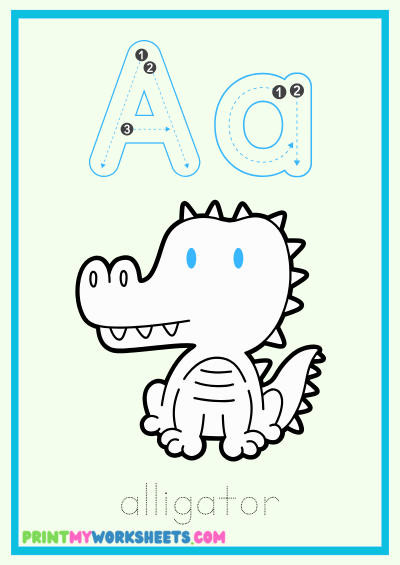
Each worksheet features a letter of the alphabet paired with an adorable animal (A for Alligator, B for Bear, C for Cat, and more), helping children connect letter recognition with familiar animal names and beginning sounds. This connection supports phonemic awareness, a key step in early reading development.
Affordable, easy to print, and enjoyable for all skill levels, this Animal Alphabet Coloring Book for Kindergarten gives parents a powerful resource that blends literacy, creativity, and motor development. It’s a must-have for preparing young learners for preschool and kindergarten success.
Alphabet Animal Coloring Worksheets for Kindergarten
These are free to download and print, they’re a convenient resource for busy parents, preschool teachers, and homeschoolers. You can use them to create an engaging alphabet book, decorate classroom walls, or send them home for extra practice.
Why an Animal Alphabet Coloring Book for Kindergarten is helpful for kids :
-
Builds Strong Letter Recognition: Each page pairs a letter with a fun animal, helping children remember alphabet shapes and sounds more easily.
-
Boosts Phonemic Awareness: Kids connect letters with beginning sounds (A for Alligator, B for Bear), supporting early reading and vocabulary growth.
-
Strengthens Fine Motor Skills: Coloring within lines improves pencil grip, hand–eye coordination, and muscle control needed for handwriting.
-
Encourages Creativity & Focus: Cute animal illustrations keep kids engaged, making learning enjoyable and improving attention span through meaningful activity.This Animal Alphabet Coloring Book is perfect for early learners, making it an excellent choice for preschool, kindergarten, or homeschooling. It helps build confidence, independence, and essential readiness skills for reading and writing. Parents can easily fit it into daily routines—whether during morning warm-ups, bedtime wind-downs, or weekend learning sessions. Its versatility also makes it ideal for mixed age groups, supporting preschoolers, kindergarteners, and even early first graders who need extra alphabet practice. Best of all, it promotes meaningful, screen-free learning by offering a hands-on, creative activity that keeps children engaged and focused while strengthening foundational literacy skills.
This free downloadable PDF is perfect for homeschool lessons, classroom centers, or at-home learning fun.
You may also like :
[gallery ids="6266,5913,5243"] Alphabet Animal Coloring Worksheets for Kindergarten | Free Downloadable PDF
Alphabet Animal Coloring Worksheets for Kindergarten
It is created for kindergarten students, homeschool parents, and teachers in the US. This engaging worksheet combines alphabet recognition, animal exploration, and early math skills through creative, hands-on activities.
Coloring activities also strengthen hand–eye coordination, pencil control, and fine motor muscles, preparing kids for handwriting success. The fun animal designs keep children motivated and focused while reinforcing letter formation and vocabulary skills. Parents and teachers love how easily these worksheets fit into daily literacy centers, morning work, or quiet time activities.
Each worksheet features a letter of the alphabet paired with an adorable animal (A for Alligator, B for Bear, C for Cat, and more), helping children connect letter recognition with familiar animal names and beginning sounds. This connection supports phonemic awareness, a key step in early reading development.
Affordable, easy to print, and enjoyable for all skill levels, this Animal Alphabet Coloring Book for Kindergarten gives parents a powerful resource that blends literacy, creativity, and motor development. It’s a must-have for preparing young learners for preschool and kindergarten success.
Alphabet Animal Coloring Worksheets for Kindergarten
These are free to download and print, they’re a convenient resource for busy parents, preschool teachers, and homeschoolers. You can use them to create an engaging alphabet book, decorate classroom walls, or send them home for extra practice.
Why an Animal Alphabet Coloring Book for Kindergarten is helpful for kids :
-
Builds Strong Letter Recognition: Each page pairs a letter with a fun animal, helping children remember alphabet shapes and sounds more easily.
-
Boosts Phonemic Awareness: Kids connect letters with beginning sounds (A for Alligator, B for Bear), supporting early reading and vocabulary growth.
-
Strengthens Fine Motor Skills: Coloring within lines improves pencil grip, hand–eye coordination, and muscle control needed for handwriting.
-
Encourages Creativity & Focus: Cute animal illustrations keep kids engaged, making learning enjoyable and improving attention span through meaningful activity.This Animal Alphabet Coloring Book is perfect for early learners, making it an excellent choice for preschool, kindergarten, or homeschooling. It helps build confidence, independence, and essential readiness skills for reading and writing. Parents can easily fit it into daily routines—whether during morning warm-ups, bedtime wind-downs, or weekend learning sessions. Its versatility also makes it ideal for mixed age groups, supporting preschoolers, kindergarteners, and even early first graders who need extra alphabet practice. Best of all, it promotes meaningful, screen-free learning by offering a hands-on, creative activity that keeps children engaged and focused while strengthening foundational literacy skills.
This free downloadable PDF is perfect for homeschool lessons, classroom centers, or at-home learning fun.
You may also like :
[gallery ids="6266,5913,5243"]
Count and Color 1–10 Worksheets PDF | Free Downloadable
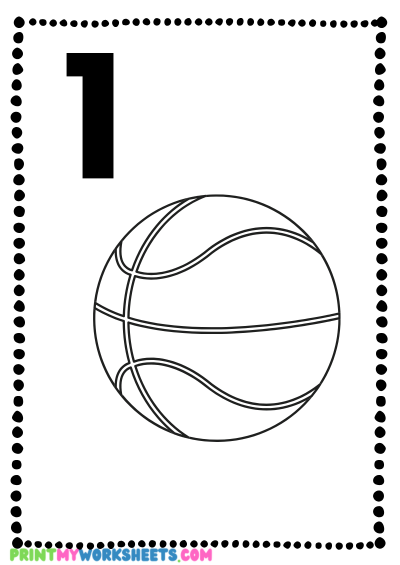
Make early math learning fun and engaging with our Count and Color 1–10 Worksheets PDF on Comparing Size, Height & Weight, designed especially for young learners. Perfect for US homeschool parents, teachers, and classrooms, this worksheet introduces kids to numbers 1–10 through exciting visual activities that combine counting, coloring, and comparing.
Children will learn to count objects, identify numbers, and color pictures according to instructions while comparing items based on size, height, and weight. These hands-on exercises help strengthen essential math and observation skills through playful learning. Kids will enjoy activities like coloring the tallest tree, circling the smallest object, or counting animals of different sizes.
Why are counting and comparison activities important in kindergarten? They build a strong foundation for number sense, logical reasoning, and problem-solving. Through comparison, children also learn descriptive vocabulary like big, small, tall, and short, helping with both math and language development.
This free printable PDF is easy to download, print, and use for classroom activities, homeschool lessons, or fun practice at home.
You may also like :
[gallery ids="5326,5846,5848"] Count and Color 1–10 Worksheets PDF | Free Downloadable
Make early math learning fun and engaging with our Count and Color 1–10 Worksheets PDF on Comparing Size, Height & Weight, designed especially for young learners. Perfect for US homeschool parents, teachers, and classrooms, this worksheet introduces kids to numbers 1–10 through exciting visual activities that combine counting, coloring, and comparing.
Children will learn to count objects, identify numbers, and color pictures according to instructions while comparing items based on size, height, and weight. These hands-on exercises help strengthen essential math and observation skills through playful learning. Kids will enjoy activities like coloring the tallest tree, circling the smallest object, or counting animals of different sizes.
Why are counting and comparison activities important in kindergarten? They build a strong foundation for number sense, logical reasoning, and problem-solving. Through comparison, children also learn descriptive vocabulary like big, small, tall, and short, helping with both math and language development.
This free printable PDF is easy to download, print, and use for classroom activities, homeschool lessons, or fun practice at home.
You may also like :
[gallery ids="5326,5846,5848"]
Dot-to-Dot Tracing and Coloring Worksheets PDF for Kindergarten | Free Downloadable
Dot-to-Dot Tracing and Coloring Worksheets PDF for Kindergarten
It is designed especially for kindergarten students, homeschool parents, and teachers across the US. This fun-filled worksheet helps kids develop essential early learning skills while sparking creativity and curiosity.
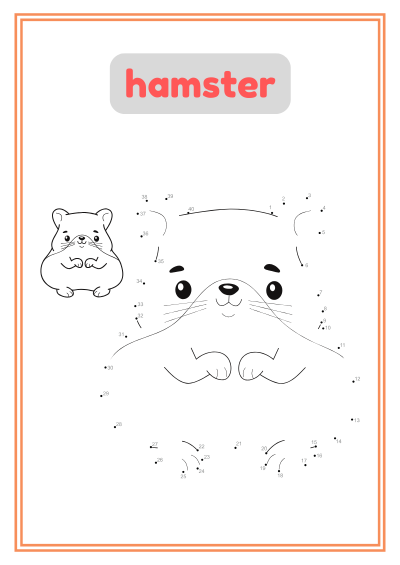
Children will connect the dots to form adorable pictures, trace shapes, and color them while exploring comparison concepts like size, height, and weight. These activities help children improve fine motor skills, number recognition, hand-eye coordination, and observation, while also reinforcing early math concepts in a playful way.
Why are dot-to-dot and comparison activities important? Connecting dots supports number sequencing and logical thinking, while comparing objects enhances problem-solving and critical reasoning. This combination encourages kids to focus, count carefully, and understand relationships between objects—key skills for early math development.
With bright, easy-to-follow designs and age-appropriate exercises, this free printable PDF is perfect for classroom learning, homeschool practice, or at-home creative fun.
You may also like :
[gallery ids="5923,6266,5914"] Dot-to-Dot Tracing and Coloring Worksheets PDF for Kindergarten | Free Downloadable
Dot-to-Dot Tracing and Coloring Worksheets PDF for Kindergarten
It is designed especially for kindergarten students, homeschool parents, and teachers across the US. This fun-filled worksheet helps kids develop essential early learning skills while sparking creativity and curiosity.
Children will connect the dots to form adorable pictures, trace shapes, and color them while exploring comparison concepts like size, height, and weight. These activities help children improve fine motor skills, number recognition, hand-eye coordination, and observation, while also reinforcing early math concepts in a playful way.
Why are dot-to-dot and comparison activities important? Connecting dots supports number sequencing and logical thinking, while comparing objects enhances problem-solving and critical reasoning. This combination encourages kids to focus, count carefully, and understand relationships between objects—key skills for early math development.
With bright, easy-to-follow designs and age-appropriate exercises, this free printable PDF is perfect for classroom learning, homeschool practice, or at-home creative fun.
You may also like :
[gallery ids="5923,6266,5914"]
End of Year Activities Journal Worksheets PDF | Free First Grade Downloadab
1st Grade End of Year Activities Journal Worksheets PDF
The end of the school year is an exciting time for young learners. It provides an opportunity for students to reflect on their experiences, celebrate their progress, and express their thoughts about the year they have completed. The 1st Grade End of Year Activities Journal Worksheets PDF is designed to help students capture these memories through simple writing and reflection activities. These worksheets are helpful for U.S. teachers, parents, and homeschool families who want to encourage students to think about what they learned and experienced throughout the year.
Reflection activities allow first grade students to organize their thoughts, remember meaningful moments, and practice expressing ideas through writing and drawing. These journal-style worksheets provide guided prompts that help children talk about their favorite lessons, classroom memories, and goals for the future.
The 1st Grade End of Year Activities Journal Worksheets PDF offers structured writing opportunities that are age-appropriate and engaging. Students can reflect on friendships, favorite subjects, and personal accomplishments while strengthening their writing skills. These activities provide a meaningful way for children to celebrate their learning journey and prepare for the next school year.
What Students Will Learn?
End-of-year journal worksheets help first grade students reflect on their experiences and practice expressing their thoughts through simple writing activities. These exercises encourage children to think about what they learned, what they enjoyed, and how they grew throughout the school year.
Students will respond to guided prompts that encourage reflection. For example, they may write about their favorite classroom activity, the subject they enjoyed the most, or a new skill they learned during the year. These prompts help children organize their thoughts and communicate their ideas clearly.
Many worksheets also include drawing sections where students can illustrate their memories. Combining writing with drawing helps students express their thoughts more comfortably and creatively.
These activities also strengthen sentence-building skills. First grade learners practice writing short sentences while using vocabulary related to school experiences and personal reflections.
Journal worksheets may also encourage students to think about goals for the future. Writing about what they want to learn next year helps students develop a growth mindset and positive attitude toward learning.
Through these reflective activities, children build confidence in their writing abilities while celebrating the progress they have made during the school year.
Educational Value & Skill Development
The 1st Grade End of Year Activities Journal Worksheets PDF supports important academic and emotional development for first grade students.
One major benefit is strengthening writing skills. Students practice forming sentences, expressing ideas, and organizing their thoughts in a clear way. These writing exercises help reinforce the foundational literacy skills that children develop during first grade.
The 1st Grade End of Year Activities Journal Worksheets PDF also encourages reflection and self-awareness. When children think about their favorite activities or proud moments, they learn to recognize their accomplishments and appreciate their progress.
These worksheets also support language development. Students expand their vocabulary as they describe their experiences, classroom activities, and friendships.
Another benefit is creativity. Drawing sections allow children to illustrate their memories and personalize their journal pages. This combination of writing and drawing makes the activity engaging and enjoyable.
These worksheets also help build confidence. Reflecting on achievements helps students feel proud of their work and motivates them to continue learning in the future.
By combining writing practice with reflection and creativity, these worksheets provide a balanced learning experience that supports both academic and emotional growth.
Why Focus on End of Year Activities Journal?
End-of-year reflection activities play an important role in helping students recognize their growth and celebrate their learning experiences. Young learners benefit from taking time to think about what they accomplished during the school year.
Writing about favorite moments and lessons helps students reinforce what they learned. It also helps them see how their skills improved over time.
Reflection activities also encourage students to develop communication skills. When children explain their thoughts through writing, they learn how to organize ideas and express themselves clearly.
These journal activities also support social and emotional learning. Students often write about friendships, classroom experiences, and personal achievements, which helps them develop positive connections with their learning environment.
Teachers in many first grade classrooms include reflection activities during the final weeks of school. These exercises help students transition from one grade level to the next while recognizing their progress.
Encouraging children to reflect on their learning helps them develop a sense of accomplishment and prepares them for future academic challenges.
How to Use These Worksheets?
The 1st Grade End of Year Activities Journal Worksheets PDF can be used in classrooms, homeschool settings, or independent learning environments during the final weeks of the school year.
Teachers often use these worksheets as part of end-of-year classroom activities. Students may complete one page each day as they reflect on different aspects of their school experience.
In classroom settings, teachers may guide discussions before students begin writing. For example, students might talk about their favorite classroom memory or the most interesting lesson they learned before recording their thoughts on the worksheet.
Parents who homeschool can also use the worksheets to encourage reflection on the year’s learning journey. Children may write about what they enjoyed studying or what they hope to learn next year.
Because the worksheets are provided as a free printable PDF, they can be downloaded and printed easily for classroom or home use. They can also be saved as keepsakes for students to look back on in the future.
These activities also work well for independent writing time. Students can complete the prompts at their own pace while practicing writing and creative expression.
The 1st Grade End of Year Activities Journal Worksheets PDF can be used in classrooms, homeschool settings, or independent learning environments during the final weeks of the school year.
Teachers often use these worksheets as part of end-of-year classroom activities. Students may complete one page each day as they reflect on different aspects of their school experience.
In classroom settings, teachers may guide discussions before students begin writing. For example, students might talk about their favorite classroom memory or the most interesting lesson they learned before recording their thoughts on the worksheet.
Parents who homeschool can also use the worksheets to encourage reflection on the year’s learning journey. Children may write about what they enjoyed studying or what they hope to learn next year.
Because the worksheets are provided as a free printable PDF, they can be downloaded and printed easily for classroom or home use. They can also be saved as keepsakes for students to look back on in the future.
These activities also work well for independent writing time. Students can complete the prompts at their own pace while practicing writing and creative expression.
Related Worksheets / Extensions:
You may also like:
• First grade writing prompt worksheets
• Beginning sentence writing worksheets for first grade
• Reflection journal worksheets for elementary students
• End-of-year classroom activities worksheets
• Early creative writing worksheets for young learners
The 1st Grade End of Year Activities Journal Worksheets PDF can also be paired with other writing and reflection activities that encourage students to express their thoughts and ideas. Combining journal prompts with storytelling exercises or drawing activities can help children expand their creativity and communication skills.
Teachers and parents may extend learning by encouraging students to share their reflections with classmates or family members. Talking about their experiences helps children develop confidence and strengthen their speaking skills.
With thoughtful reflection and writing practice, first grade students can celebrate their accomplishments and feel excited about the next stage of their learning journey.
You may also like :
[gallery ids="6343,6366,5186"] End of Year Activities Journal Worksheets PDF | Free First Grade Downloadab
1st Grade End of Year Activities Journal Worksheets PDF
The end of the school year is an exciting time for young learners. It provides an opportunity for students to reflect on their experiences, celebrate their progress, and express their thoughts about the year they have completed. The 1st Grade End of Year Activities Journal Worksheets PDF is designed to help students capture these memories through simple writing and reflection activities. These worksheets are helpful for U.S. teachers, parents, and homeschool families who want to encourage students to think about what they learned and experienced throughout the year.
Reflection activities allow first grade students to organize their thoughts, remember meaningful moments, and practice expressing ideas through writing and drawing. These journal-style worksheets provide guided prompts that help children talk about their favorite lessons, classroom memories, and goals for the future.
The 1st Grade End of Year Activities Journal Worksheets PDF offers structured writing opportunities that are age-appropriate and engaging. Students can reflect on friendships, favorite subjects, and personal accomplishments while strengthening their writing skills. These activities provide a meaningful way for children to celebrate their learning journey and prepare for the next school year.
What Students Will Learn?
End-of-year journal worksheets help first grade students reflect on their experiences and practice expressing their thoughts through simple writing activities. These exercises encourage children to think about what they learned, what they enjoyed, and how they grew throughout the school year.
Students will respond to guided prompts that encourage reflection. For example, they may write about their favorite classroom activity, the subject they enjoyed the most, or a new skill they learned during the year. These prompts help children organize their thoughts and communicate their ideas clearly.
Many worksheets also include drawing sections where students can illustrate their memories. Combining writing with drawing helps students express their thoughts more comfortably and creatively.
These activities also strengthen sentence-building skills. First grade learners practice writing short sentences while using vocabulary related to school experiences and personal reflections.
Journal worksheets may also encourage students to think about goals for the future. Writing about what they want to learn next year helps students develop a growth mindset and positive attitude toward learning.
Through these reflective activities, children build confidence in their writing abilities while celebrating the progress they have made during the school year.
Educational Value & Skill Development
The 1st Grade End of Year Activities Journal Worksheets PDF supports important academic and emotional development for first grade students.
One major benefit is strengthening writing skills. Students practice forming sentences, expressing ideas, and organizing their thoughts in a clear way. These writing exercises help reinforce the foundational literacy skills that children develop during first grade.
The 1st Grade End of Year Activities Journal Worksheets PDF also encourages reflection and self-awareness. When children think about their favorite activities or proud moments, they learn to recognize their accomplishments and appreciate their progress.
These worksheets also support language development. Students expand their vocabulary as they describe their experiences, classroom activities, and friendships.
Another benefit is creativity. Drawing sections allow children to illustrate their memories and personalize their journal pages. This combination of writing and drawing makes the activity engaging and enjoyable.
These worksheets also help build confidence. Reflecting on achievements helps students feel proud of their work and motivates them to continue learning in the future.
By combining writing practice with reflection and creativity, these worksheets provide a balanced learning experience that supports both academic and emotional growth.
Why Focus on End of Year Activities Journal?
End-of-year reflection activities play an important role in helping students recognize their growth and celebrate their learning experiences. Young learners benefit from taking time to think about what they accomplished during the school year.
Writing about favorite moments and lessons helps students reinforce what they learned. It also helps them see how their skills improved over time.
Reflection activities also encourage students to develop communication skills. When children explain their thoughts through writing, they learn how to organize ideas and express themselves clearly.
These journal activities also support social and emotional learning. Students often write about friendships, classroom experiences, and personal achievements, which helps them develop positive connections with their learning environment.
Teachers in many first grade classrooms include reflection activities during the final weeks of school. These exercises help students transition from one grade level to the next while recognizing their progress.
Encouraging children to reflect on their learning helps them develop a sense of accomplishment and prepares them for future academic challenges.
How to Use These Worksheets?
The 1st Grade End of Year Activities Journal Worksheets PDF can be used in classrooms, homeschool settings, or independent learning environments during the final weeks of the school year.
Teachers often use these worksheets as part of end-of-year classroom activities. Students may complete one page each day as they reflect on different aspects of their school experience.
In classroom settings, teachers may guide discussions before students begin writing. For example, students might talk about their favorite classroom memory or the most interesting lesson they learned before recording their thoughts on the worksheet.
Parents who homeschool can also use the worksheets to encourage reflection on the year’s learning journey. Children may write about what they enjoyed studying or what they hope to learn next year.
Because the worksheets are provided as a free printable PDF, they can be downloaded and printed easily for classroom or home use. They can also be saved as keepsakes for students to look back on in the future.
These activities also work well for independent writing time. Students can complete the prompts at their own pace while practicing writing and creative expression.
The 1st Grade End of Year Activities Journal Worksheets PDF can be used in classrooms, homeschool settings, or independent learning environments during the final weeks of the school year.
Teachers often use these worksheets as part of end-of-year classroom activities. Students may complete one page each day as they reflect on different aspects of their school experience.
In classroom settings, teachers may guide discussions before students begin writing. For example, students might talk about their favorite classroom memory or the most interesting lesson they learned before recording their thoughts on the worksheet.
Parents who homeschool can also use the worksheets to encourage reflection on the year’s learning journey. Children may write about what they enjoyed studying or what they hope to learn next year.
Because the worksheets are provided as a free printable PDF, they can be downloaded and printed easily for classroom or home use. They can also be saved as keepsakes for students to look back on in the future.
These activities also work well for independent writing time. Students can complete the prompts at their own pace while practicing writing and creative expression.
Related Worksheets / Extensions:
You may also like:
• First grade writing prompt worksheets
• Beginning sentence writing worksheets for first grade
• Reflection journal worksheets for elementary students
• End-of-year classroom activities worksheets
• Early creative writing worksheets for young learners
The 1st Grade End of Year Activities Journal Worksheets PDF can also be paired with other writing and reflection activities that encourage students to express their thoughts and ideas. Combining journal prompts with storytelling exercises or drawing activities can help children expand their creativity and communication skills.
Teachers and parents may extend learning by encouraging students to share their reflections with classmates or family members. Talking about their experiences helps children develop confidence and strengthen their speaking skills.
With thoughtful reflection and writing practice, first grade students can celebrate their accomplishments and feel excited about the next stage of their learning journey.
You may also like :
[gallery ids="6343,6366,5186"]
Kindergarten Phonics Poems A–Z PDF | Free Downloadable
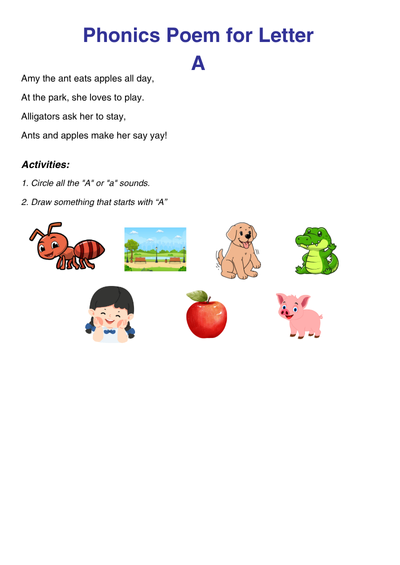
Looking for an effective and enjoyable way to introduce letter sounds to your early learner? Our Kindergarten Phonics Poems A–Z PDF for Kindergarten is the perfect tool to bring phonics to life with rhythm and rhyme.
Each letter of the alphabet is represented with a short, catchy poem that features a key phonics sound and a focus word, like "A is for Apple that I like to eat" or "B is for Ball I kick with my feet." This format encourages sound association, early decoding, and memory retention, all critical for strong reading foundations.
These worksheets are aligned with early literacy objectives and ideal for:
-
Daily phonics warm-ups
-
Independent practice
-
Small group literacy centers
-
Morning journals or homework
-
Homeschool phonics lessons
This phonics pack reinforces:
-
Letter identification
-
Phonemic awareness
-
Vocabulary building
-
Reading fluency through repetition
Each poem is followed by:
-
A tracing activity (e.g., trace the letter A)
-
A coloring section (e.g., color the apple)
-
A sound identification question (e.g., circle the word that starts with A)
✅ Why Kids Should Learn Phonics with Poems:
🗣️ Rhythm helps retention – Rhymes make sounds easier to remember
📚 Reinforces letter-sound relationships
🧠 Improves listening skills and vocabulary
🎓 Builds phonemic awareness—a cornerstone of early reading success
🎨 Encourages creativity through reading, drawing, and interaction
✅ Who Can Use This:
-
Kindergarten teachers in U.S. classrooms
-
Homeschooling parents
-
Reading tutors
-
ESL/ELL instructors
-
Daycare centers
✅ File Format & Compatibility:
🖨️ PDF format, 8.5" x 11" U.S. Letter size
🖍️ Black-and-white print-friendly
📥 Easy to download, save, and print
Download and print today to give your little learners the head start they deserve!
You may also like :
[gallery ids="4429,4434,4513"] Kindergarten Phonics Poems A–Z PDF | Free Downloadable
Looking for an effective and enjoyable way to introduce letter sounds to your early learner? Our Kindergarten Phonics Poems A–Z PDF for Kindergarten is the perfect tool to bring phonics to life with rhythm and rhyme.
Each letter of the alphabet is represented with a short, catchy poem that features a key phonics sound and a focus word, like "A is for Apple that I like to eat" or "B is for Ball I kick with my feet." This format encourages sound association, early decoding, and memory retention, all critical for strong reading foundations.
These worksheets are aligned with early literacy objectives and ideal for:
-
Daily phonics warm-ups
-
Independent practice
-
Small group literacy centers
-
Morning journals or homework
-
Homeschool phonics lessons
This phonics pack reinforces:
-
Letter identification
-
Phonemic awareness
-
Vocabulary building
-
Reading fluency through repetition
Each poem is followed by:
-
A tracing activity (e.g., trace the letter A)
-
A coloring section (e.g., color the apple)
-
A sound identification question (e.g., circle the word that starts with A)
✅ Why Kids Should Learn Phonics with Poems:
🗣️ Rhythm helps retention – Rhymes make sounds easier to remember
📚 Reinforces letter-sound relationships
🧠 Improves listening skills and vocabulary
🎓 Builds phonemic awareness—a cornerstone of early reading success
🎨 Encourages creativity through reading, drawing, and interaction
✅ Who Can Use This:
-
Kindergarten teachers in U.S. classrooms
-
Homeschooling parents
-
Reading tutors
-
ESL/ELL instructors
-
Daycare centers
✅ File Format & Compatibility:
🖨️ PDF format, 8.5" x 11" U.S. Letter size
🖍️ Black-and-white print-friendly
📥 Easy to download, save, and print
Download and print today to give your little learners the head start they deserve!
You may also like :
[gallery ids="4429,4434,4513"]
Land Animal Coloring Worksheets PDF for Kindergarten | Free Downloadable
Land Animal Coloring Worksheets PDF for Kindergarten
Creative activities play an important role in early childhood learning, especially when they combine fun with skill development. The Land Animal Coloring Worksheets PDF for Kindergarten is designed to introduce young learners to common land animals while supporting fine motor skills, focus, and early science awareness. This printable worksheet set is created for U.S. parents, kindergarten teachers, and homeschool families looking for engaging, age-appropriate activities that fit easily into daily learning routines.
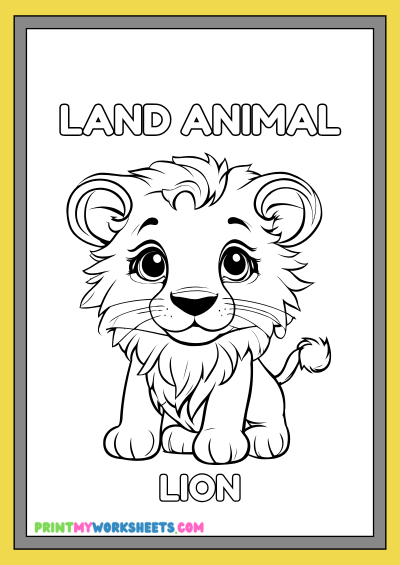
In kindergarten, children learn best through hands-on and visual experiences. Coloring familiar animals such as lions, elephants, dogs, and horses helps children connect learning with curiosity and enjoyment. These worksheets encourage children to observe details, stay within lines, and express creativity, all while building foundational classroom skills. With a simple layout and clear illustrations, this free printable PDF supports independent work, quiet time activities, and themed lessons, making it a valuable resource for both home and classroom use.
What Students Will Learn?
These worksheets help kindergarten students explore land animals in a way that feels natural and enjoyable. Children learn to recognize and name common animals that live on land, building early science vocabulary through visual exposure. As they color, students practice identifying shapes, patterns, and details in each animal illustration.
The activities focus on strengthening fine motor control as children hold crayons or pencils and color within boundaries. This practice supports hand strength and coordination, which are essential for future writing tasks. Coloring also encourages attention to detail and patience, helping children develop focus during independent activities.
The worksheets support structured learning by offering consistent page layouts and clear, recognizable images. This predictability helps young learners feel comfortable and confident. Activities are aligned with age-appropriate kindergarten expectations, emphasizing exploration, creativity, and basic observation skills. Through repeated use, students build confidence, improve motor skills, and develop a growing interest in animals and the natural world.
Educational Value & Skill Development
Coloring activities provide more than just creative expression. The Land Animal Coloring Worksheets PDF for Kindergarten supports multiple areas of early development while keeping learning enjoyable. From an academic perspective, these worksheets introduce basic science concepts by helping children recognize animals and understand that different animals live in different environments.
Fine motor development is a major benefit. Coloring strengthens hand muscles and improves pencil control, which supports writing readiness. These skills are especially important in kindergarten, where children are preparing to write letters and numbers more independently.
Cognitively, coloring encourages focus, visual discrimination, and the ability to follow simple directions. Children learn to complete tasks from start to finish, building early independence and confidence. Choosing colors and filling in details also supports decision-making and creativity.
Skill progression is gently supported. As children become more comfortable with coloring tasks, they gain stamina for longer activities and improve accuracy. These foundational skills prepare students for more structured academic work in later grades while maintaining a positive attitude toward learning.
Why Focus on Land Animal Coloring?
Land animals are a familiar and engaging topic for young children. Focusing on animal-themed coloring activities helps children connect learning to the world around them. In kindergarten, curiosity about animals often sparks conversations, questions, and imaginative play, all of which support language and thinking skills.
Coloring land animals supports early science learning by introducing basic concepts such as animal names, body parts, and habitats. It also provides opportunities for discussion, such as where animals live or what sounds they make. These conversations help expand vocabulary and comprehension.
Repetition and guided practice are important at this age. Coloring worksheets offer a structured yet flexible way for children to practice skills repeatedly without pressure. These activities align with U.S. early learning standards, which emphasize fine motor development, creativity, and foundational science awareness. By focusing on land animal coloring, children build essential skills while staying engaged and motivated.
How to Use These Worksheets?
These printable coloring worksheets are flexible and easy to use in a variety of settings. In homeschool environments, they can be part of a themed unit on animals or used as a quiet activity during the day. Parents can sit with children, talk about each animal, and encourage color choices while reinforcing vocabulary.
In kindergarten classrooms, teachers may use the worksheets during center time, art activities, or science lessons. They also work well as morning work, early finisher activities, or calming tasks after active play.
The Land Animal Coloring Worksheets PDF for Kindergarten is provided as a free printable PDF, making it simple to download and reuse throughout the school year. Pages can be printed multiple times for different lessons or saved for repeated use. This reusability allows educators and families to integrate learning seamlessly into daily routines.
Related Worksheets / Extensions:
To extend learning, you may also explore worksheets focused on farm animals, wild animals, or animal habitats. These topics help children understand how animals are grouped and where they live. Tracing or labeling animal worksheets can further support vocabulary and early writing skills.
The Land Animal Coloring Worksheets PDF for Kindergarten pairs well with preschool coloring pages or first-grade animal classification activities. Using related resources across grade levels helps children strengthen retention, build confidence, and continue developing curiosity about the natural world while reinforcing important early learning skills.
You may also like :
[gallery ids="5913,5915,5914"] Land Animal Coloring Worksheets PDF for Kindergarten | Free Downloadable
Land Animal Coloring Worksheets PDF for Kindergarten
Creative activities play an important role in early childhood learning, especially when they combine fun with skill development. The Land Animal Coloring Worksheets PDF for Kindergarten is designed to introduce young learners to common land animals while supporting fine motor skills, focus, and early science awareness. This printable worksheet set is created for U.S. parents, kindergarten teachers, and homeschool families looking for engaging, age-appropriate activities that fit easily into daily learning routines.
In kindergarten, children learn best through hands-on and visual experiences. Coloring familiar animals such as lions, elephants, dogs, and horses helps children connect learning with curiosity and enjoyment. These worksheets encourage children to observe details, stay within lines, and express creativity, all while building foundational classroom skills. With a simple layout and clear illustrations, this free printable PDF supports independent work, quiet time activities, and themed lessons, making it a valuable resource for both home and classroom use.
What Students Will Learn?
These worksheets help kindergarten students explore land animals in a way that feels natural and enjoyable. Children learn to recognize and name common animals that live on land, building early science vocabulary through visual exposure. As they color, students practice identifying shapes, patterns, and details in each animal illustration.
The activities focus on strengthening fine motor control as children hold crayons or pencils and color within boundaries. This practice supports hand strength and coordination, which are essential for future writing tasks. Coloring also encourages attention to detail and patience, helping children develop focus during independent activities.
The worksheets support structured learning by offering consistent page layouts and clear, recognizable images. This predictability helps young learners feel comfortable and confident. Activities are aligned with age-appropriate kindergarten expectations, emphasizing exploration, creativity, and basic observation skills. Through repeated use, students build confidence, improve motor skills, and develop a growing interest in animals and the natural world.
Educational Value & Skill Development
Coloring activities provide more than just creative expression. The Land Animal Coloring Worksheets PDF for Kindergarten supports multiple areas of early development while keeping learning enjoyable. From an academic perspective, these worksheets introduce basic science concepts by helping children recognize animals and understand that different animals live in different environments.
Fine motor development is a major benefit. Coloring strengthens hand muscles and improves pencil control, which supports writing readiness. These skills are especially important in kindergarten, where children are preparing to write letters and numbers more independently.
Cognitively, coloring encourages focus, visual discrimination, and the ability to follow simple directions. Children learn to complete tasks from start to finish, building early independence and confidence. Choosing colors and filling in details also supports decision-making and creativity.
Skill progression is gently supported. As children become more comfortable with coloring tasks, they gain stamina for longer activities and improve accuracy. These foundational skills prepare students for more structured academic work in later grades while maintaining a positive attitude toward learning.
Why Focus on Land Animal Coloring?
Land animals are a familiar and engaging topic for young children. Focusing on animal-themed coloring activities helps children connect learning to the world around them. In kindergarten, curiosity about animals often sparks conversations, questions, and imaginative play, all of which support language and thinking skills.
Coloring land animals supports early science learning by introducing basic concepts such as animal names, body parts, and habitats. It also provides opportunities for discussion, such as where animals live or what sounds they make. These conversations help expand vocabulary and comprehension.
Repetition and guided practice are important at this age. Coloring worksheets offer a structured yet flexible way for children to practice skills repeatedly without pressure. These activities align with U.S. early learning standards, which emphasize fine motor development, creativity, and foundational science awareness. By focusing on land animal coloring, children build essential skills while staying engaged and motivated.
How to Use These Worksheets?
These printable coloring worksheets are flexible and easy to use in a variety of settings. In homeschool environments, they can be part of a themed unit on animals or used as a quiet activity during the day. Parents can sit with children, talk about each animal, and encourage color choices while reinforcing vocabulary.
In kindergarten classrooms, teachers may use the worksheets during center time, art activities, or science lessons. They also work well as morning work, early finisher activities, or calming tasks after active play.
The Land Animal Coloring Worksheets PDF for Kindergarten is provided as a free printable PDF, making it simple to download and reuse throughout the school year. Pages can be printed multiple times for different lessons or saved for repeated use. This reusability allows educators and families to integrate learning seamlessly into daily routines.
Related Worksheets / Extensions:
To extend learning, you may also explore worksheets focused on farm animals, wild animals, or animal habitats. These topics help children understand how animals are grouped and where they live. Tracing or labeling animal worksheets can further support vocabulary and early writing skills.
The Land Animal Coloring Worksheets PDF for Kindergarten pairs well with preschool coloring pages or first-grade animal classification activities. Using related resources across grade levels helps children strengthen retention, build confidence, and continue developing curiosity about the natural world while reinforcing important early learning skills.
You may also like :
[gallery ids="5913,5915,5914"]
Ocean Life Coloring Worksheets PDF for Kindergarten | Free Downloadable
Dive into learning with our End of Year Ocean Life Coloring Worksheets PDF for Kindergarten on Comparing Size, Height & Weight, designed to make early education fun, colorful, and engaging! Perfect for US homeschool parents, teachers, and early learners, this worksheet introduces children to fascinating ocean creatures while helping them understand real-world math and observation concepts.
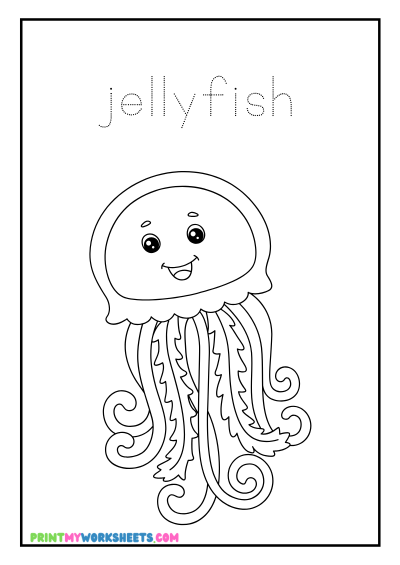
Kids will enjoy coloring vibrant sea animals like fish, whales, turtles, and starfish while comparing their size, height, and weight. Through these activities, children strengthen essential early learning skills, including fine motor coordination, creativity, attention to detail, and comparative thinking. They’ll learn to identify which sea creatures are big or small, tall or short, heavy or light—all while having fun!
Why combine coloring with comparison? It helps young learners connect visual and mathematical understanding, boosting cognitive development and vocabulary. The ocean theme makes learning relatable and exciting, encouraging curiosity about marine life and environmental awareness.
This free printable PDF is ideal for end-of-year classroom reviews, homeschool lessons, or relaxing at-home learning.
You may also like :
[gallery ids="4931,4980,4892"] Ocean Life Coloring Worksheets PDF for Kindergarten | Free Downloadable
Dive into learning with our End of Year Ocean Life Coloring Worksheets PDF for Kindergarten on Comparing Size, Height & Weight, designed to make early education fun, colorful, and engaging! Perfect for US homeschool parents, teachers, and early learners, this worksheet introduces children to fascinating ocean creatures while helping them understand real-world math and observation concepts.
Kids will enjoy coloring vibrant sea animals like fish, whales, turtles, and starfish while comparing their size, height, and weight. Through these activities, children strengthen essential early learning skills, including fine motor coordination, creativity, attention to detail, and comparative thinking. They’ll learn to identify which sea creatures are big or small, tall or short, heavy or light—all while having fun!
Why combine coloring with comparison? It helps young learners connect visual and mathematical understanding, boosting cognitive development and vocabulary. The ocean theme makes learning relatable and exciting, encouraging curiosity about marine life and environmental awareness.
This free printable PDF is ideal for end-of-year classroom reviews, homeschool lessons, or relaxing at-home learning.
You may also like :
[gallery ids="4931,4980,4892"]
Pre-K End of Year Coloring Worksheets PDF | Free Downloadable
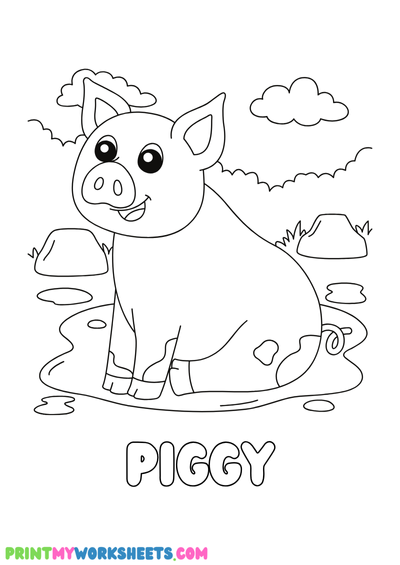
Pre-K End of Year Coloring Worksheets PDF
The end of the school year is a special time for young learners. It provides an opportunity to celebrate accomplishments, reflect on classroom experiences, and enjoy fun learning activities. The Pre-K End of Year Coloring Worksheets PDF is designed to help preschool students participate in simple and enjoyable coloring activities that highlight the excitement of finishing the school year. These printable worksheets are ideal for U.S. teachers, parents, and homeschool families who want to end the year with creative and engaging activities.
Coloring worksheets are especially beneficial for preschool students because they combine creativity with skill development. Through coloring activities, children strengthen fine motor skills while expressing themselves through colors and drawings. End-of-year themes such as school memories, classroom celebrations, and summer anticipation make these worksheets meaningful and enjoyable.
The Pre-K End of Year Coloring Worksheets PDF provides preschool learners with age-appropriate coloring pages that celebrate the completion of the school year. These worksheets encourage creativity, support early developmental skills, and give children a fun way to recognize their progress before moving on to the next stage of learning.
What Students Will Learn?
End-of-year coloring worksheets provide preschool learners with opportunities to engage in creative activities while reinforcing important developmental skills. These worksheets focus on simple tasks that are appropriate for young children who are still developing their fine motor and attention skills.
Students practice coloring pictures related to school, learning, and seasonal celebrations. These images may include classroom items, graduation caps, smiling students, or summer-themed pictures that represent the transition from the school year to vacation time.
Coloring activities help children learn how to stay within lines and control their hand movements while using crayons, markers, or colored pencils. These exercises strengthen fine motor skills that are essential for writing letters and numbers in the future.
Many worksheets also include simple visual prompts or short phrases that relate to the end of the school year. These prompts help students connect the activity to their classroom experiences.
Through these coloring exercises, children also practice focusing on a task from beginning to end. Completing a page builds patience and concentration while allowing students to feel proud of their finished work.
By participating in creative coloring activities, preschool students celebrate their learning journey while continuing to develop important early childhood skills.
Educational Value & Skill Development
The Pre-K End of Year Coloring Worksheets PDF supports several important developmental areas for preschool learners.
One of the most valuable benefits is fine motor development. Coloring requires children to hold crayons and move their hands carefully across the page. These movements strengthen hand muscles and improve coordination, which are essential for writing readiness.
The Pre-K End of Year Coloring Worksheets PDF also encourages creativity and self-expression. Children choose colors and design their artwork based on their imagination, allowing them to express their personality and emotions.
Coloring activities also support focus and attention. Young learners practice concentrating on a task while completing the coloring page, which helps build patience and persistence.
Another benefit is emotional development. End-of-year coloring activities give children a chance to celebrate their accomplishments and reflect on their classroom experiences in a positive way.
These worksheets also encourage independence. Preschool students can complete coloring pages on their own, helping them develop confidence in their abilities.
By combining creativity, skill development, and reflection, these worksheets provide a meaningful activity that supports both academic and personal growth.
Why Focus on End of Year Coloring?
The end of the school year is an important milestone for young learners. It marks the completion of months of learning, friendships, and classroom experiences. Providing creative activities at this time allows children to celebrate their progress in a positive and enjoyable way.
Coloring activities are especially suitable for preschool students because they are simple, relaxing, and engaging. These activities help children reflect on their school experiences while participating in a familiar and comfortable task.
End-of-year coloring worksheets also encourage students to express their emotions. Some children may feel excited about summer break, while others may feel nostalgic about leaving their classroom. Creative activities allow them to express those feelings through art.
These activities also reinforce the importance of reflection. Even at a young age, students can think about what they enjoyed during the school year and recognize how much they have learned.
Preschool classrooms across the United States often include end-of-year celebrations and creative projects. Coloring worksheets are an easy way to incorporate meaningful activities that fit naturally into these celebrations.
Providing time for creative expression helps students finish the school year with positive memories and excitement for the next stage of learning.
How to Use These Worksheets?
The Pre-K End of Year Coloring Worksheets PDF can be used in classrooms, homeschool settings, or early learning centers during the final days or weeks of the school year.
Teachers often use coloring worksheets as part of end-of-year classroom celebrations. Students may complete coloring pages during quiet activity time or as part of a class reflection project.
In classroom settings, educators may begin by discussing favorite classroom memories or activities from the year. After the discussion, students can color pictures that represent their school experiences.
Parents who homeschool can also use these worksheets to mark the completion of a learning year. Children may enjoy coloring pages that celebrate their achievements and the transition to summer activities.
Because the worksheets are available as a free printable PDF, they can be downloaded quickly and printed whenever needed. Teachers and parents can easily include them in classroom events, memory books, or end-of-year portfolios.
These worksheets are also perfect for independent work. Preschool learners can color at their own pace while enjoying a calm and creative activity.
Related Worksheets / Extensions:
You may also like:
• Preschool coloring worksheets for classroom themes
• Summer-themed coloring worksheets for early learners
• Preschool drawing and creativity worksheets
• Back-to-school coloring worksheets for preschool students
• Simple preschool art activity worksheets
The Pre-K End of Year Coloring Worksheets PDF can also be combined with other creative classroom activities such as memory books, drawing projects, or simple writing reflections for older students. These activities allow children to celebrate their learning experiences in meaningful ways.
Teachers and parents can extend the activity by asking children to talk about their favorite school memory while coloring. Sharing stories about the school year helps build communication skills and strengthens positive connections with learning.
Ending the school year with creative activities helps preschool students feel proud of their accomplishments and excited about continuing their educational journey.
You may also like :
[gallery ids="4714,4747,4808"] Pre-K End of Year Coloring Worksheets PDF | Free Downloadable
Pre-K End of Year Coloring Worksheets PDF
The end of the school year is a special time for young learners. It provides an opportunity to celebrate accomplishments, reflect on classroom experiences, and enjoy fun learning activities. The Pre-K End of Year Coloring Worksheets PDF is designed to help preschool students participate in simple and enjoyable coloring activities that highlight the excitement of finishing the school year. These printable worksheets are ideal for U.S. teachers, parents, and homeschool families who want to end the year with creative and engaging activities.
Coloring worksheets are especially beneficial for preschool students because they combine creativity with skill development. Through coloring activities, children strengthen fine motor skills while expressing themselves through colors and drawings. End-of-year themes such as school memories, classroom celebrations, and summer anticipation make these worksheets meaningful and enjoyable.
The Pre-K End of Year Coloring Worksheets PDF provides preschool learners with age-appropriate coloring pages that celebrate the completion of the school year. These worksheets encourage creativity, support early developmental skills, and give children a fun way to recognize their progress before moving on to the next stage of learning.
What Students Will Learn?
End-of-year coloring worksheets provide preschool learners with opportunities to engage in creative activities while reinforcing important developmental skills. These worksheets focus on simple tasks that are appropriate for young children who are still developing their fine motor and attention skills.
Students practice coloring pictures related to school, learning, and seasonal celebrations. These images may include classroom items, graduation caps, smiling students, or summer-themed pictures that represent the transition from the school year to vacation time.
Coloring activities help children learn how to stay within lines and control their hand movements while using crayons, markers, or colored pencils. These exercises strengthen fine motor skills that are essential for writing letters and numbers in the future.
Many worksheets also include simple visual prompts or short phrases that relate to the end of the school year. These prompts help students connect the activity to their classroom experiences.
Through these coloring exercises, children also practice focusing on a task from beginning to end. Completing a page builds patience and concentration while allowing students to feel proud of their finished work.
By participating in creative coloring activities, preschool students celebrate their learning journey while continuing to develop important early childhood skills.
Educational Value & Skill Development
The Pre-K End of Year Coloring Worksheets PDF supports several important developmental areas for preschool learners.
One of the most valuable benefits is fine motor development. Coloring requires children to hold crayons and move their hands carefully across the page. These movements strengthen hand muscles and improve coordination, which are essential for writing readiness.
The Pre-K End of Year Coloring Worksheets PDF also encourages creativity and self-expression. Children choose colors and design their artwork based on their imagination, allowing them to express their personality and emotions.
Coloring activities also support focus and attention. Young learners practice concentrating on a task while completing the coloring page, which helps build patience and persistence.
Another benefit is emotional development. End-of-year coloring activities give children a chance to celebrate their accomplishments and reflect on their classroom experiences in a positive way.
These worksheets also encourage independence. Preschool students can complete coloring pages on their own, helping them develop confidence in their abilities.
By combining creativity, skill development, and reflection, these worksheets provide a meaningful activity that supports both academic and personal growth.
Why Focus on End of Year Coloring?
The end of the school year is an important milestone for young learners. It marks the completion of months of learning, friendships, and classroom experiences. Providing creative activities at this time allows children to celebrate their progress in a positive and enjoyable way.
Coloring activities are especially suitable for preschool students because they are simple, relaxing, and engaging. These activities help children reflect on their school experiences while participating in a familiar and comfortable task.
End-of-year coloring worksheets also encourage students to express their emotions. Some children may feel excited about summer break, while others may feel nostalgic about leaving their classroom. Creative activities allow them to express those feelings through art.
These activities also reinforce the importance of reflection. Even at a young age, students can think about what they enjoyed during the school year and recognize how much they have learned.
Preschool classrooms across the United States often include end-of-year celebrations and creative projects. Coloring worksheets are an easy way to incorporate meaningful activities that fit naturally into these celebrations.
Providing time for creative expression helps students finish the school year with positive memories and excitement for the next stage of learning.
How to Use These Worksheets?
The Pre-K End of Year Coloring Worksheets PDF can be used in classrooms, homeschool settings, or early learning centers during the final days or weeks of the school year.
Teachers often use coloring worksheets as part of end-of-year classroom celebrations. Students may complete coloring pages during quiet activity time or as part of a class reflection project.
In classroom settings, educators may begin by discussing favorite classroom memories or activities from the year. After the discussion, students can color pictures that represent their school experiences.
Parents who homeschool can also use these worksheets to mark the completion of a learning year. Children may enjoy coloring pages that celebrate their achievements and the transition to summer activities.
Because the worksheets are available as a free printable PDF, they can be downloaded quickly and printed whenever needed. Teachers and parents can easily include them in classroom events, memory books, or end-of-year portfolios.
These worksheets are also perfect for independent work. Preschool learners can color at their own pace while enjoying a calm and creative activity.
Related Worksheets / Extensions:
You may also like:
• Preschool coloring worksheets for classroom themes
• Summer-themed coloring worksheets for early learners
• Preschool drawing and creativity worksheets
• Back-to-school coloring worksheets for preschool students
• Simple preschool art activity worksheets
The Pre-K End of Year Coloring Worksheets PDF can also be combined with other creative classroom activities such as memory books, drawing projects, or simple writing reflections for older students. These activities allow children to celebrate their learning experiences in meaningful ways.
Teachers and parents can extend the activity by asking children to talk about their favorite school memory while coloring. Sharing stories about the school year helps build communication skills and strengthens positive connections with learning.
Ending the school year with creative activities helps preschool students feel proud of their accomplishments and excited about continuing their educational journey.
You may also like :
[gallery ids="4714,4747,4808"]
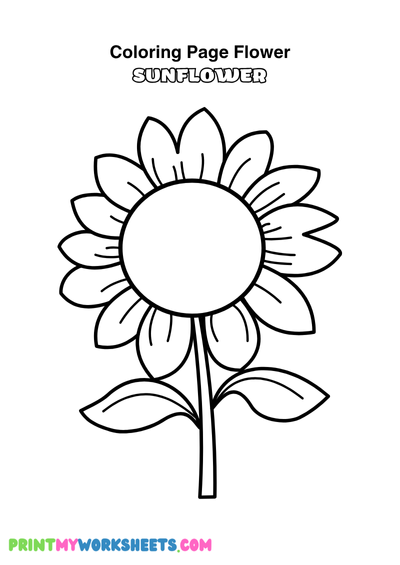
Pre-K Flower Coloring Worksheets PDF | Free Downloadable
Pre-K Flower Coloring Worksheets PDF
Creative activities play a key role in early childhood learning, especially for preschoolers who thrive on hands-on experiences. The Pre-K Flower Coloring Worksheets PDF is designed to introduce young learners to nature-inspired themes while helping them develop important foundational skills. These printable worksheets are perfect for U.S. parents, teachers, and homeschool families looking to combine creativity with early learning.
In Pre-K, children are just beginning to explore colors, shapes, and fine motor control. Coloring flower-themed pages provides a fun and engaging way to support these early skills. Flowers are familiar and visually appealing, making them an excellent topic for young learners.
The Pre-K Flower Coloring Worksheets PDF allows children to practice coloring within lines, experiment with colors, and express their creativity. At the same time, these worksheets help build coordination, focus, and confidence, making them a valuable addition to any preschool learning routine.
What Students Will Learn?
Flower coloring worksheets offer more than just a fun activity—they support essential developmental skills in young children. These worksheets are designed with simple, clear illustrations that are easy for preschoolers to understand and enjoy.
Students begin by recognizing different types of flowers and basic shapes such as petals, stems, and leaves. This helps improve visual recognition and vocabulary development.
Coloring activities encourage children to explore a variety of colors. They can choose realistic colors or use their imagination, which supports creative thinking and self-expression.
These worksheets also help strengthen fine motor skills. Holding crayons and carefully coloring within the lines improves hand strength and coordination, which are important for writing readiness.
Students practice focus and attention as they complete each coloring page. Staying engaged in an activity helps develop concentration and patience.
Some worksheets may include simple prompts, such as identifying colors or counting petals, which introduce early math and language concepts in a natural way.
Through these activities, preschool learners develop creativity, coordination, and early cognitive skills in an enjoyable and structured format.
Educational Value & Skill Development
The Pre-K Flower Coloring Worksheets PDF provides a strong foundation for early learning by supporting multiple areas of development.
One of the key benefits is the development of fine motor skills. Coloring helps strengthen the muscles in children’s hands, preparing them for writing and other classroom tasks.
The Pre-K Flower Coloring Worksheets PDF also encourages creativity. Children can experiment with colors, patterns, and designs, allowing them to express their ideas freely.
These worksheets support visual learning by helping children recognize shapes, patterns, and natural elements such as flowers and leaves. This builds observation skills and attention to detail.
Coloring activities also promote focus and independence. As children work through each page, they learn to complete tasks on their own and take pride in their work.
Additionally, these worksheets can support early language development. Teachers and parents can talk about the colors, shapes, and parts of the flower while children are coloring.
The calming nature of coloring also provides a positive learning experience. It helps children feel relaxed and engaged, which supports a healthy approach to learning.
By combining creativity with skill-building, these worksheets offer a well-rounded learning experience for preschool students.
Why Focus on Flower Coloring Worksheets PDF?
Flower-themed coloring activities are especially effective for preschool learners because they connect children with nature in a simple and engaging way. Flowers are easy to recognize and visually appealing, making them ideal for early learning activities.
Focusing on flower coloring helps children develop observation skills. They begin to notice details such as shapes, sizes, and patterns in natural objects.
These activities also encourage creativity. Children can explore different color combinations and express their ideas freely without strict rules.
In early education settings across the United States, nature-based themes are often used to make learning more meaningful. Flower coloring worksheets provide a gentle introduction to nature while supporting essential developmental skills.
Repetition is important at this stage of learning. Coloring similar shapes, such as petals and leaves, helps reinforce motor skills and build confidence.
These worksheets also create opportunities for conversation. Teachers and parents can discuss seasons, plants, and colors while children are engaged in the activity.
By focusing on flower-themed coloring, children develop creativity, awareness, and foundational skills in a fun and approachable way.
How to Use These Worksheets?
The Pre-K Flower Coloring Worksheets PDF can be used in a variety of learning environments, including classrooms, homeschool settings, and early childhood centers.
Teachers can incorporate these worksheets into art centers or quiet activity time. Students can work independently or in small groups while practicing coloring and creativity.
In classroom settings, teachers may introduce the activity by discussing flowers and their parts. This helps build background knowledge before students begin coloring.
Parents can use these worksheets at home as part of daily learning routines. Coloring can be a relaxing activity that also supports skill development.
Because the worksheets are available as a free printable PDF, they can be easily downloaded and printed multiple times. This makes them ideal for repeated practice and reinforcement.
These worksheets are also useful for independent practice. Children can complete them at their own pace, building confidence as they finish each page.
The printable format provides flexibility, allowing families and educators to use the worksheets whenever and wherever they choose.
Related Worksheets / Extensions:
Pre-K Flower Coloring Worksheets PDF | Free Downloadable
Pre-K Flower Coloring Worksheets PDF
Creative activities play a key role in early childhood learning, especially for preschoolers who thrive on hands-on experiences. The Pre-K Flower Coloring Worksheets PDF is designed to introduce young learners to nature-inspired themes while helping them develop important foundational skills. These printable worksheets are perfect for U.S. parents, teachers, and homeschool families looking to combine creativity with early learning.
In Pre-K, children are just beginning to explore colors, shapes, and fine motor control. Coloring flower-themed pages provides a fun and engaging way to support these early skills. Flowers are familiar and visually appealing, making them an excellent topic for young learners.
The Pre-K Flower Coloring Worksheets PDF allows children to practice coloring within lines, experiment with colors, and express their creativity. At the same time, these worksheets help build coordination, focus, and confidence, making them a valuable addition to any preschool learning routine.
What Students Will Learn?
Flower coloring worksheets offer more than just a fun activity—they support essential developmental skills in young children. These worksheets are designed with simple, clear illustrations that are easy for preschoolers to understand and enjoy.
Students begin by recognizing different types of flowers and basic shapes such as petals, stems, and leaves. This helps improve visual recognition and vocabulary development.
Coloring activities encourage children to explore a variety of colors. They can choose realistic colors or use their imagination, which supports creative thinking and self-expression.
These worksheets also help strengthen fine motor skills. Holding crayons and carefully coloring within the lines improves hand strength and coordination, which are important for writing readiness.
Students practice focus and attention as they complete each coloring page. Staying engaged in an activity helps develop concentration and patience.
Some worksheets may include simple prompts, such as identifying colors or counting petals, which introduce early math and language concepts in a natural way.
Through these activities, preschool learners develop creativity, coordination, and early cognitive skills in an enjoyable and structured format.
Educational Value & Skill Development
The Pre-K Flower Coloring Worksheets PDF provides a strong foundation for early learning by supporting multiple areas of development.
One of the key benefits is the development of fine motor skills. Coloring helps strengthen the muscles in children’s hands, preparing them for writing and other classroom tasks.
The Pre-K Flower Coloring Worksheets PDF also encourages creativity. Children can experiment with colors, patterns, and designs, allowing them to express their ideas freely.
These worksheets support visual learning by helping children recognize shapes, patterns, and natural elements such as flowers and leaves. This builds observation skills and attention to detail.
Coloring activities also promote focus and independence. As children work through each page, they learn to complete tasks on their own and take pride in their work.
Additionally, these worksheets can support early language development. Teachers and parents can talk about the colors, shapes, and parts of the flower while children are coloring.
The calming nature of coloring also provides a positive learning experience. It helps children feel relaxed and engaged, which supports a healthy approach to learning.
By combining creativity with skill-building, these worksheets offer a well-rounded learning experience for preschool students.
Why Focus on Flower Coloring Worksheets PDF?
Flower-themed coloring activities are especially effective for preschool learners because they connect children with nature in a simple and engaging way. Flowers are easy to recognize and visually appealing, making them ideal for early learning activities.
Focusing on flower coloring helps children develop observation skills. They begin to notice details such as shapes, sizes, and patterns in natural objects.
These activities also encourage creativity. Children can explore different color combinations and express their ideas freely without strict rules.
In early education settings across the United States, nature-based themes are often used to make learning more meaningful. Flower coloring worksheets provide a gentle introduction to nature while supporting essential developmental skills.
Repetition is important at this stage of learning. Coloring similar shapes, such as petals and leaves, helps reinforce motor skills and build confidence.
These worksheets also create opportunities for conversation. Teachers and parents can discuss seasons, plants, and colors while children are engaged in the activity.
By focusing on flower-themed coloring, children develop creativity, awareness, and foundational skills in a fun and approachable way.
How to Use These Worksheets?
The Pre-K Flower Coloring Worksheets PDF can be used in a variety of learning environments, including classrooms, homeschool settings, and early childhood centers.
Teachers can incorporate these worksheets into art centers or quiet activity time. Students can work independently or in small groups while practicing coloring and creativity.
In classroom settings, teachers may introduce the activity by discussing flowers and their parts. This helps build background knowledge before students begin coloring.
Parents can use these worksheets at home as part of daily learning routines. Coloring can be a relaxing activity that also supports skill development.
Because the worksheets are available as a free printable PDF, they can be easily downloaded and printed multiple times. This makes them ideal for repeated practice and reinforcement.
These worksheets are also useful for independent practice. Children can complete them at their own pace, building confidence as they finish each page.
The printable format provides flexibility, allowing families and educators to use the worksheets whenever and wherever they choose.
Related Worksheets / Extensions:
Pre-K Tracing and Coloring Worksheets PDF – Fun Preschool Activities for Home
Make early learning fun and interactive with our Pre-K Tracing and Coloring Worksheets PDF on Comparing Size, Height & Weight, specially designed for kindergarten students, homeschool parents, and teachers in the US. This engaging worksheet combines creativity and education to help kids strengthen early math and fine motor skills through playful tracing and coloring activities.
Children will trace shapes, letters, and objects, then color them while learning important comparison concepts such as big vs. small, tall vs. short, and heavy vs. light. These activities encourage observation, concentration, and hand-eye coordination, making learning both visual and hands-on. Tracing improves handwriting readiness, while coloring fosters creativity and focus—skills essential for early childhood development.
Why is comparing size, height, and weight important in kindergarten? It introduces children to basic math and science concepts, helping them understand relationships between objects and their surroundings. This foundation supports logical thinking and prepares them for more advanced problem-solving tasks.
Perfect for both classroom use and homeschool practice, this free printable PDF is easy to download, print, and reuse.
You may also like :
[gallery ids="6392,6308,6359"] Pre-K Tracing and Coloring Worksheets PDF – Fun Preschool Activities for Home
Make early learning fun and interactive with our Pre-K Tracing and Coloring Worksheets PDF on Comparing Size, Height & Weight, specially designed for kindergarten students, homeschool parents, and teachers in the US. This engaging worksheet combines creativity and education to help kids strengthen early math and fine motor skills through playful tracing and coloring activities.
Children will trace shapes, letters, and objects, then color them while learning important comparison concepts such as big vs. small, tall vs. short, and heavy vs. light. These activities encourage observation, concentration, and hand-eye coordination, making learning both visual and hands-on. Tracing improves handwriting readiness, while coloring fosters creativity and focus—skills essential for early childhood development.
Why is comparing size, height, and weight important in kindergarten? It introduces children to basic math and science concepts, helping them understand relationships between objects and their surroundings. This foundation supports logical thinking and prepares them for more advanced problem-solving tasks.
Perfect for both classroom use and homeschool practice, this free printable PDF is easy to download, print, and reuse.