


Halloween Counting Worksheets PDF – Build Early Number Recognition Skills
Halloween Counting Worksheets PDF
Celebrate the Halloween spirit while boosting early math skills with our Halloween Counting Worksheets PDF, specially designed for preschool, kindergarten, and early elementary learners. Perfect for US homeschool parents, teachers, and classrooms, these worksheets make counting fun, festive, and educational! 🎃
Each worksheet features adorable pumpkin illustrations in different sizes and patterns, encouraging kids to count, color, and recognize numbers. Through interactive activities like “Count and Match,” “Circle the Correct Number,” and “Add the Pumpkins,” children strengthen their number recognition, fine motor coordination, and basic math skills — all while enjoying a Halloween theme!
Why learn counting through themed worksheets? Themed activities help children stay engaged, focused, and excited about learning. These worksheets combine visual learning and hands-on practice, making it easier for kids to grasp early math concepts while connecting them to seasonal fun.
Perfect for homeschool learning, classroom centers, or at-home holiday activities, this free downloadable PDF is a great way to turn counting into a creative and joyful experience.
Download and print today to give your little learners the head start they deserve!
You may also like:
[caption id="attachment_6191" align="alignnone" width="212"] Halloween Math Coloring Worksheets PDF[/caption]
[caption id="attachment_6201" align="alignnone" width="212"]
Halloween Math Coloring Worksheets PDF[/caption]
[caption id="attachment_6201" align="alignnone" width="212"] Halloween Counting Worksheets PDF[/caption]
[caption id="attachment_6215" align="alignnone" width="212"]
Halloween Counting Worksheets PDF[/caption]
[caption id="attachment_6215" align="alignnone" width="212"] Halloween Subtraction Worksheets PDF[/caption]
 Halloween Counting Worksheets PDF – Build Early Number Recognition Skills
Halloween Counting Worksheets PDF
Celebrate the Halloween spirit while boosting early math skills with our Halloween Counting Worksheets PDF, specially designed for preschool, kindergarten, and early elementary learners. Perfect for US homeschool parents, teachers, and classrooms, these worksheets make counting fun, festive, and educational! 🎃
Each worksheet features adorable pumpkin illustrations in different sizes and patterns, encouraging kids to count, color, and recognize numbers. Through interactive activities like “Count and Match,” “Circle the Correct Number,” and “Add the Pumpkins,” children strengthen their number recognition, fine motor coordination, and basic math skills — all while enjoying a Halloween theme!
Why learn counting through themed worksheets? Themed activities help children stay engaged, focused, and excited about learning. These worksheets combine visual learning and hands-on practice, making it easier for kids to grasp early math concepts while connecting them to seasonal fun.
Perfect for homeschool learning, classroom centers, or at-home holiday activities, this free downloadable PDF is a great way to turn counting into a creative and joyful experience.
Download and print today to give your little learners the head start they deserve!
You may also like:
[caption id="attachment_6191" align="alignnone" width="212"] Halloween Math Coloring Worksheets PDF[/caption]
[caption id="attachment_6201" align="alignnone" width="212"] Halloween Counting Worksheets PDF[/caption]
[caption id="attachment_6215" align="alignnone" width="212"] Halloween Subtraction Worksheets PDF[/caption]

Halloween Math Coloring Worksheets PDF – Build Number Skills with Color by Code
Make math magical this spooky season with our Halloween Math Coloring Worksheets PDF, designed especially for US homeschool parents, teachers, and classrooms. These worksheets combine math practice and coloring fun, turning learning into a creative and engaging Halloween-themed adventure for kids! 🎃
Each worksheet features adorable Halloween characters, pumpkins, ghosts, bats, and witches, paired with math problems that reveal colorful designs when solved correctly. Kids will practice addition, subtraction, multiplication, and division while boosting their focus, problem-solving, and creativity. This fun, interactive format helps learners reinforce essential math skills while staying engaged and entertained.
Why learn math through coloring? Studies show that combining art and academics enhances memory, attention, and comprehension. These worksheets help children learn through play, reduce math anxiety, and strengthen both logical and artistic thinking — all while celebrating Halloween in an exciting way!
Perfect for classroom use, homeschool learning, or after-school activities, this free downloadable PDF adds a festive twist to math practice.
Download and print today to give your little learners the head start they deserve!
You may also like:
[caption id="attachment_6085" align="alignnone" width="212"] Halloween Coloring Worksheets PDF[/caption]
[caption id="attachment_6092" align="alignnone" width="212"]
Halloween Coloring Worksheets PDF[/caption]
[caption id="attachment_6092" align="alignnone" width="212"] Halloween Shapes Coloring Worksheets PDF[/caption]
[caption id="attachment_5858" align="alignnone" width="212"]
Halloween Shapes Coloring Worksheets PDF[/caption]
[caption id="attachment_5858" align="alignnone" width="212"] Pre-K Halloween Worksheets PDF[/caption]
 Halloween Math Coloring Worksheets PDF – Build Number Skills with Color by Code
Make math magical this spooky season with our Halloween Math Coloring Worksheets PDF, designed especially for US homeschool parents, teachers, and classrooms. These worksheets combine math practice and coloring fun, turning learning into a creative and engaging Halloween-themed adventure for kids! 🎃
Each worksheet features adorable Halloween characters, pumpkins, ghosts, bats, and witches, paired with math problems that reveal colorful designs when solved correctly. Kids will practice addition, subtraction, multiplication, and division while boosting their focus, problem-solving, and creativity. This fun, interactive format helps learners reinforce essential math skills while staying engaged and entertained.
Why learn math through coloring? Studies show that combining art and academics enhances memory, attention, and comprehension. These worksheets help children learn through play, reduce math anxiety, and strengthen both logical and artistic thinking — all while celebrating Halloween in an exciting way!
Perfect for classroom use, homeschool learning, or after-school activities, this free downloadable PDF adds a festive twist to math practice.
Download and print today to give your little learners the head start they deserve!
You may also like:
[caption id="attachment_6085" align="alignnone" width="212"] Halloween Coloring Worksheets PDF[/caption]
[caption id="attachment_6092" align="alignnone" width="212"] Halloween Shapes Coloring Worksheets PDF[/caption]
[caption id="attachment_5858" align="alignnone" width="212"] Pre-K Halloween Worksheets PDF[/caption]

Halloween Subtraction Worksheets PDF – Fun Fall Math Practice at Home
Halloween Subtraction Worksheets PDF
Teaching Subtraction through Halloween theme is a fun way to teach kids this basic understanding of Maths, these worksheets are aligned with US Curriculum. Learning Maths is very important for Pre-K children as it develops logical thinking, reasoning and Problem Solving and using Halloween theme makes it easy.Make subtraction fun and spooky with our Halloween Subtraction Worksheets PDF, designed especially for kindergarten and elementary students across the US homeschool and classroom audience. These engaging Halloween-themed worksheets turn basic math practice into an exciting adventure filled with creepy-crawly fun! 🕷️🎃
Why Pre-k kids should learn Subtraction ?
1. Through Halloween Subtraction Worksheets PDF, we are trying to build a sense of numbers in your little Pre-K kids.
2. Kids learn to solve small problems on their own, like “If I give 1 toy to my friend, how many do I have left?” hence it encourages thinking.
3.Subtraction happens every day — eating snacks, sharing crayons, or cleaning up toys it makes them connect with real life.
4.“Take away,” “less,” “fewer,” and “left” help kids learn math vocabulary - these words enhances Maths Vocabulary.
By exploring Subtraction through activities such as counting fingers, removing blocks, or giving away items, children develop strong number sense and confidence. These early experiences not only prepare them for kindergarten math but also encourage curiosity and a love for learning. Subtraction helps children think critically, communicate clearly, and make connections between numbers and real-life situations. When kids can figure out “how many are left,” they feel proud of their achievement — and that sense of accomplishment motivates them to keep exploring math. In Pre-K, subtraction is not just about numbers; it’s about building thinking skills, confidence, and joy in discovering how the world around them works.
Through Halloween Subtraction Worksheets PDF, Kids will enjoy solving subtraction problems featuring adorable spiders, webs, pumpkins, and bats. Each worksheet encourages them to count, subtract, and color, helping improve number fluency, focus, and logical thinking. The interactive Halloween theme keeps children motivated, transforming regular subtraction drills into an imaginative and hands-on activity.
These Halloween Subtraction Worksheets PDF, are perfect for teachers, homeschool parents, and classrooms wanting to combine learning with seasonal excitement. Whether it’s removing spiders from their webs or subtracting pumpkins from the patch, kids will strengthen their basic arithmetic skills while having a blast.
🕷️ Why Themed Worksheets Like Spooky Spiders Subtraction Are Good for Kids
Themed worksheets, such as Spooky Spiders Subtraction, make learning math exciting, engaging, and memorable for young children. For Pre-K kids, learning happens best when it feels like play. A fun theme instantly captures their attention and sparks curiosity. When subtraction problems are surrounded by colorful spiders, webs, pumpkins, or other seasonal images, children feel like they’re part of a story — not just doing math. This storytelling element keeps them motivated and focused for longer periods, helping them absorb concepts naturally without pressure.Themed activities also help reduce math anxiety and encourage a positive attitude toward learning. A spooky theme, for example, turns what might seem like a simple math task into a fun Halloween adventure. Kids enjoy counting spiders, crossing them off, or taking them away to solve “how many are left.”
Themed worksheets like Spooky Spiders Subtraction combine learning and play in a powerful way. They spark curiosity, encourage creativity, and make practicing subtraction enjoyable and memorable — turning everyday math lessons into magical moments of discovery.
Download these Halloween Subtraction Worksheets PDF and print them today to give your little learners the head start they deserve!
You may also like:
[caption id="attachment_6199" align="alignnone" width="212"] Free Count The Pumpkin Worksheets PDF | Fun Halloween Math for Kids[/caption]
[caption id="attachment_6191" align="alignnone" width="212"] Halloween Math Coloring Worksheets PDF[/caption]
[caption id="attachment_5870" align="alignnone" width="212"]
Free Count The Pumpkin Worksheets PDF | Fun Halloween Math for Kids[/caption]
[caption id="attachment_6191" align="alignnone" width="212"] Halloween Math Coloring Worksheets PDF[/caption]
[caption id="attachment_5870" align="alignnone" width="212"] Halloween Worksheets PDF[/caption]
 Halloween Subtraction Worksheets PDF – Fun Fall Math Practice at Home
Halloween Subtraction Worksheets PDF
Teaching Subtraction through Halloween theme is a fun way to teach kids this basic understanding of Maths, these worksheets are aligned with US Curriculum. Learning Maths is very important for Pre-K children as it develops logical thinking, reasoning and Problem Solving and using Halloween theme makes it easy.Make subtraction fun and spooky with our Halloween Subtraction Worksheets PDF, designed especially for kindergarten and elementary students across the US homeschool and classroom audience. These engaging Halloween-themed worksheets turn basic math practice into an exciting adventure filled with creepy-crawly fun! 🕷️🎃
Why Pre-k kids should learn Subtraction ?
1. Through Halloween Subtraction Worksheets PDF, we are trying to build a sense of numbers in your little Pre-K kids.
2. Kids learn to solve small problems on their own, like “If I give 1 toy to my friend, how many do I have left?” hence it encourages thinking.
3.Subtraction happens every day — eating snacks, sharing crayons, or cleaning up toys it makes them connect with real life.
4.“Take away,” “less,” “fewer,” and “left” help kids learn math vocabulary - these words enhances Maths Vocabulary.
By exploring Subtraction through activities such as counting fingers, removing blocks, or giving away items, children develop strong number sense and confidence. These early experiences not only prepare them for kindergarten math but also encourage curiosity and a love for learning. Subtraction helps children think critically, communicate clearly, and make connections between numbers and real-life situations. When kids can figure out “how many are left,” they feel proud of their achievement — and that sense of accomplishment motivates them to keep exploring math. In Pre-K, subtraction is not just about numbers; it’s about building thinking skills, confidence, and joy in discovering how the world around them works.
Through Halloween Subtraction Worksheets PDF, Kids will enjoy solving subtraction problems featuring adorable spiders, webs, pumpkins, and bats. Each worksheet encourages them to count, subtract, and color, helping improve number fluency, focus, and logical thinking. The interactive Halloween theme keeps children motivated, transforming regular subtraction drills into an imaginative and hands-on activity.
These Halloween Subtraction Worksheets PDF, are perfect for teachers, homeschool parents, and classrooms wanting to combine learning with seasonal excitement. Whether it’s removing spiders from their webs or subtracting pumpkins from the patch, kids will strengthen their basic arithmetic skills while having a blast.
🕷️ Why Themed Worksheets Like Spooky Spiders Subtraction Are Good for Kids
Themed worksheets, such as Spooky Spiders Subtraction, make learning math exciting, engaging, and memorable for young children. For Pre-K kids, learning happens best when it feels like play. A fun theme instantly captures their attention and sparks curiosity. When subtraction problems are surrounded by colorful spiders, webs, pumpkins, or other seasonal images, children feel like they’re part of a story — not just doing math. This storytelling element keeps them motivated and focused for longer periods, helping them absorb concepts naturally without pressure.Themed activities also help reduce math anxiety and encourage a positive attitude toward learning. A spooky theme, for example, turns what might seem like a simple math task into a fun Halloween adventure. Kids enjoy counting spiders, crossing them off, or taking them away to solve “how many are left.”
Themed worksheets like Spooky Spiders Subtraction combine learning and play in a powerful way. They spark curiosity, encourage creativity, and make practicing subtraction enjoyable and memorable — turning everyday math lessons into magical moments of discovery.
Download these Halloween Subtraction Worksheets PDF and print them today to give your little learners the head start they deserve!
You may also like:
[caption id="attachment_6199" align="alignnone" width="212"] Free Count The Pumpkin Worksheets PDF | Fun Halloween Math for Kids[/caption]
[caption id="attachment_6191" align="alignnone" width="212"] Halloween Math Coloring Worksheets PDF[/caption]
[caption id="attachment_5870" align="alignnone" width="212"] Halloween Worksheets PDF[/caption]

Halloween Worksheets PDF | Free Maths II Downloadable – Spooky Math Practice Pack
Free Halloween Worksheets | Downloadable PDF for Kids
These worksheets are designed especially for US homeschool parents, teachers, and classrooms. These worksheets bring fun and education together through engaging, themed activities perfect for preschool and elementary students.
Each worksheet includes exciting tasks like Halloween coloring pages, tracing letters, counting candy, matching spooky objects, word searches, and simple puzzles. These hands-on activities help children develop fine motor skills, literacy, numeracy, focus, and creativity while enjoying the festive Halloween spirit.
Why are Halloween worksheets important? Themed learning keeps kids motivated and makes education feel like play. By connecting academic skills with fun seasonal themes, children strengthen memory, comprehension, and problem-solving abilities. Plus, coloring and writing activities improve hand-eye coordination, vocabulary, and concentration—all while exploring Halloween traditions in a safe, creative way.
Perfect for classroom use, homeschool lessons, or at-home holiday fun, this free printable PDF is easy to download and print.
Download and print today to give your little learners the head start they deserve!
[caption id="attachment_6243" align="alignnone" width="212"] Halloween Beginning Sounds Worksheets PDF[/caption]
[caption id="attachment_6260" align="alignnone" width="212"]
Halloween Beginning Sounds Worksheets PDF[/caption]
[caption id="attachment_6260" align="alignnone" width="212"] Free Halloween Rhyming Words Trick or Treat Worksheets PDF | Fun First Grade Learning[/caption]
[caption id="attachment_6250" align="alignnone" width="212"]
Free Halloween Rhyming Words Trick or Treat Worksheets PDF | Fun First Grade Learning[/caption]
[caption id="attachment_6250" align="alignnone" width="212"] Halloween Alphabet Tracing Worksheets PDF[/caption]
 Halloween Worksheets PDF | Free Maths II Downloadable – Spooky Math Practice Pack
Free Halloween Worksheets | Downloadable PDF for Kids
These worksheets are designed especially for US homeschool parents, teachers, and classrooms. These worksheets bring fun and education together through engaging, themed activities perfect for preschool and elementary students.
Each worksheet includes exciting tasks like Halloween coloring pages, tracing letters, counting candy, matching spooky objects, word searches, and simple puzzles. These hands-on activities help children develop fine motor skills, literacy, numeracy, focus, and creativity while enjoying the festive Halloween spirit.
Why are Halloween worksheets important? Themed learning keeps kids motivated and makes education feel like play. By connecting academic skills with fun seasonal themes, children strengthen memory, comprehension, and problem-solving abilities. Plus, coloring and writing activities improve hand-eye coordination, vocabulary, and concentration—all while exploring Halloween traditions in a safe, creative way.
Perfect for classroom use, homeschool lessons, or at-home holiday fun, this free printable PDF is easy to download and print.
Download and print today to give your little learners the head start they deserve!
[caption id="attachment_6243" align="alignnone" width="212"] Halloween Beginning Sounds Worksheets PDF[/caption]
[caption id="attachment_6260" align="alignnone" width="212"] Free Halloween Rhyming Words Trick or Treat Worksheets PDF | Fun First Grade Learning[/caption]
[caption id="attachment_6250" align="alignnone" width="212"] Halloween Alphabet Tracing Worksheets PDF[/caption]
Kindergarten Addition Math Worksheets Fun | Free Downloadable
Kindergarten Addition Math Worksheets Fun
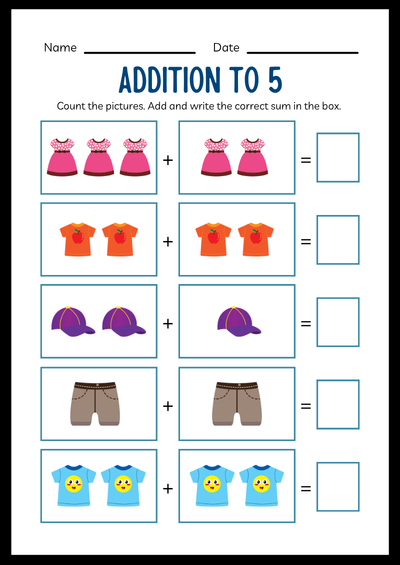
The Kindergarten Addition Math Worksheets Fun resource is designed to make early math learning engaging and enjoyable for young learners. These worksheets are perfect for U.S. parents, teachers, and homeschool families who want to introduce addition in a playful and structured way.
At the kindergarten level, children are just beginning to understand numbers and basic math operations. Learning addition through fun and interactive worksheets helps build a strong foundation while keeping students motivated and interested. These activities combine simple math problems with engaging formats that make learning feel like play.
The Kindergarten Addition Math Worksheets Fun set supports early number skills, helping children recognize patterns, count objects, and understand how numbers combine. By practicing regularly, students develop confidence and familiarity with addition, which is essential for future math success.
What Students Will Learn ?
These kindergarten addition worksheets are carefully designed to introduce young learners to basic addition concepts in an age-appropriate and engaging way.
Students will begin by learning how to combine small numbers using visual aids such as objects, pictures, and counting strategies. This helps them understand the concept of “adding” in a concrete and meaningful way.
The worksheets include simple addition problems with numbers typically ranging from 0 to 10. These activities allow students to practice counting forward and recognizing number relationships.
Children will also work on identifying number pairs and understanding how two numbers come together to form a total. This builds early number sense and helps students become comfortable with basic math operations.
Some activities include matching, coloring, and tracing, which keep students engaged while reinforcing learning. These interactive elements are especially important for kindergarten learners who benefit from hands-on experiences.
The worksheets are structured to support gradual learning, starting with simple problems and progressing to slightly more challenging ones. This ensures that students build confidence as they move forward.
Overall, these activities help create a strong foundation in addition while keeping learning enjoyable and stress-free.
Educational Value & Skill Development
The Kindergarten Addition Math Worksheets Fun resource provides valuable opportunities for both academic and cognitive development.
One of the main benefits is the development of number sense. Students learn how numbers relate to each other and how they can be combined to form new values. This understanding is essential for all future math learning.
These worksheets also support fine motor skills through activities like tracing numbers and coloring. These skills are important for writing and overall coordination.
Cognitive development is enhanced as students practice counting, recognizing patterns, and solving simple problems. These activities encourage children to think logically and make connections.
The Kindergarten Addition Math Worksheets Fun set also helps build confidence. As students successfully complete problems, they gain a sense of achievement and become more willing to try new challenges.
Additionally, these worksheets promote independence. Children can work through many of the activities on their own, allowing them to develop self-reliance and focus.
By combining learning with fun, these worksheets create a positive experience that encourages a lifelong interest in math.
Why Focus on Kindergarten Addition Math Worksheets Fun?
Addition is one of the first and most important math skills that children learn. It serves as the foundation for more advanced topics such as subtraction, multiplication, and problem-solving.
At the kindergarten level, it is important to introduce addition in a way that is both engaging and easy to understand. Fun and interactive worksheets help children stay interested while learning new concepts.
Repetition plays a key role in mastering addition. Regular practice allows students to become familiar with number combinations and improves accuracy over time.
These early experiences with math also help shape a child’s attitude toward learning. When math is presented in a fun and supportive way, students are more likely to develop a positive mindset.
In U.S. education standards, kindergarten students are expected to begin understanding addition and applying it in simple situations. These worksheets align with those expectations by providing structured and meaningful practice.
Focusing on addition at this stage helps ensure that students are prepared for future math learning and confident in their abilities.
How to Use These Worksheets?
The Kindergarten Addition Math Worksheets Fun can be used in a variety of learning settings to support early math development.
In classrooms, teachers can use these worksheets during math centers, small group instruction, or independent work time. They are also helpful for reinforcing lessons and providing extra practice.
For homeschool families, these worksheets can be included in daily routines. Parents can guide children through activities or allow them to complete tasks independently.
The free printable PDF format makes these worksheets easy to download, print, and reuse. This flexibility allows for consistent practice without additional preparation.
These worksheets are also suitable for small group activities, where students can work together and discuss their answers. This encourages collaboration and communication.
They can be used as review tools to reinforce previously learned concepts or as introductory activities for new topics.
With their simple layout and engaging format, these worksheets are easy to integrate into any learning plan.
Related Worksheets / Extensions:
Kindergarten Addition Math Worksheets Fun | Free Downloadable
Kindergarten Addition Math Worksheets Fun
The Kindergarten Addition Math Worksheets Fun resource is designed to make early math learning engaging and enjoyable for young learners. These worksheets are perfect for U.S. parents, teachers, and homeschool families who want to introduce addition in a playful and structured way.
At the kindergarten level, children are just beginning to understand numbers and basic math operations. Learning addition through fun and interactive worksheets helps build a strong foundation while keeping students motivated and interested. These activities combine simple math problems with engaging formats that make learning feel like play.
The Kindergarten Addition Math Worksheets Fun set supports early number skills, helping children recognize patterns, count objects, and understand how numbers combine. By practicing regularly, students develop confidence and familiarity with addition, which is essential for future math success.
What Students Will Learn ?
These kindergarten addition worksheets are carefully designed to introduce young learners to basic addition concepts in an age-appropriate and engaging way.
Students will begin by learning how to combine small numbers using visual aids such as objects, pictures, and counting strategies. This helps them understand the concept of “adding” in a concrete and meaningful way.
The worksheets include simple addition problems with numbers typically ranging from 0 to 10. These activities allow students to practice counting forward and recognizing number relationships.
Children will also work on identifying number pairs and understanding how two numbers come together to form a total. This builds early number sense and helps students become comfortable with basic math operations.
Some activities include matching, coloring, and tracing, which keep students engaged while reinforcing learning. These interactive elements are especially important for kindergarten learners who benefit from hands-on experiences.
The worksheets are structured to support gradual learning, starting with simple problems and progressing to slightly more challenging ones. This ensures that students build confidence as they move forward.
Overall, these activities help create a strong foundation in addition while keeping learning enjoyable and stress-free.
Educational Value & Skill Development
The Kindergarten Addition Math Worksheets Fun resource provides valuable opportunities for both academic and cognitive development.
One of the main benefits is the development of number sense. Students learn how numbers relate to each other and how they can be combined to form new values. This understanding is essential for all future math learning.
These worksheets also support fine motor skills through activities like tracing numbers and coloring. These skills are important for writing and overall coordination.
Cognitive development is enhanced as students practice counting, recognizing patterns, and solving simple problems. These activities encourage children to think logically and make connections.
The Kindergarten Addition Math Worksheets Fun set also helps build confidence. As students successfully complete problems, they gain a sense of achievement and become more willing to try new challenges.
Additionally, these worksheets promote independence. Children can work through many of the activities on their own, allowing them to develop self-reliance and focus.
By combining learning with fun, these worksheets create a positive experience that encourages a lifelong interest in math.
Why Focus on Kindergarten Addition Math Worksheets Fun?
Addition is one of the first and most important math skills that children learn. It serves as the foundation for more advanced topics such as subtraction, multiplication, and problem-solving.
At the kindergarten level, it is important to introduce addition in a way that is both engaging and easy to understand. Fun and interactive worksheets help children stay interested while learning new concepts.
Repetition plays a key role in mastering addition. Regular practice allows students to become familiar with number combinations and improves accuracy over time.
These early experiences with math also help shape a child’s attitude toward learning. When math is presented in a fun and supportive way, students are more likely to develop a positive mindset.
In U.S. education standards, kindergarten students are expected to begin understanding addition and applying it in simple situations. These worksheets align with those expectations by providing structured and meaningful practice.
Focusing on addition at this stage helps ensure that students are prepared for future math learning and confident in their abilities.
How to Use These Worksheets?
The Kindergarten Addition Math Worksheets Fun can be used in a variety of learning settings to support early math development.
In classrooms, teachers can use these worksheets during math centers, small group instruction, or independent work time. They are also helpful for reinforcing lessons and providing extra practice.
For homeschool families, these worksheets can be included in daily routines. Parents can guide children through activities or allow them to complete tasks independently.
The free printable PDF format makes these worksheets easy to download, print, and reuse. This flexibility allows for consistent practice without additional preparation.
These worksheets are also suitable for small group activities, where students can work together and discuss their answers. This encourages collaboration and communication.
They can be used as review tools to reinforce previously learned concepts or as introductory activities for new topics.
With their simple layout and engaging format, these worksheets are easy to integrate into any learning plan.
Related Worksheets / Extensions:
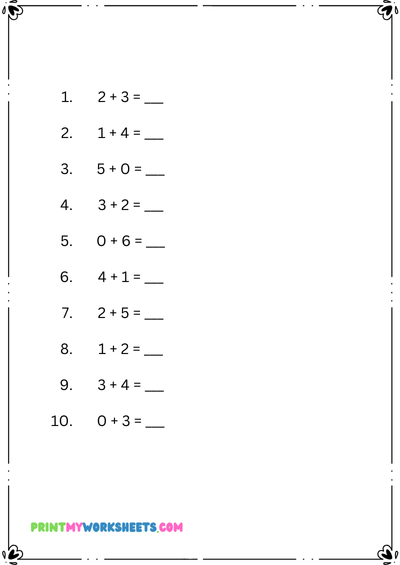
Kindergarten Addition Worksheets PDF | Free Math Downloadable
Kindergarten Addition Worksheets PDF
Early math experiences shape how children feel about numbers and learning in general. The Kindergarten Addition Worksheets PDF is created to introduce young learners to basic addition concepts in a gentle, supportive way. This printable worksheet set is designed for U.S. parents, kindergarten teachers, and homeschool families who want to build early math skills through clear and engaging practice.
In kindergarten, children are just beginning to understand how numbers work together. Addition helps students learn that numbers can be combined to make new amounts, laying the groundwork for future math learning. These worksheets focus on simple addition using pictures, objects, and small numbers to make learning meaningful and approachable. With a predictable layout and child-friendly activities, this free printable PDF supports hands-on learning while helping students gain confidence. Whether used at home or in the classroom, these worksheets encourage positive math habits at an important stage of development.
What Students Will Learn?
These worksheets are designed to help kindergarten students understand the basic idea of addition as putting groups together. Children learn to combine two small sets of objects and count the total, building a clear connection between numbers and quantities. Early activities focus on visual models, such as pictures, dots, or simple objects, to help students see how addition works.
Students may practice adding within small number ranges, often using numbers up to five or ten. Activities can include counting pictures, drawing lines to match groups, or writing simple number sentences with support. These tasks help children understand that addition is not just about numbers on a page but about real quantities they can see and count.
The worksheets support structured learning by using consistent formats and clear instructions. This predictability helps young learners feel comfortable and focused. The activities align with age-appropriate expectations for kindergarten math, supporting early number sense, counting skills, and one-to-one correspondence. Through regular practice, students begin to recognize addition patterns and develop confidence in solving simple math problems.
Educational Value & Skill Development
Early addition practice supports a wide range of academic and developmental skills. Using the Kindergarten Addition Worksheets PDF helps children strengthen number sense while building a foundation for future math learning. Understanding how numbers combine prepares students for subtraction, problem-solving, and more advanced math concepts in later grades.
These worksheets also support cognitive development by encouraging logical thinking and attention. When children count objects and combine groups, they practice sequencing, memory, and focus. Visual addition activities help students make sense of abstract ideas in a concrete way, which is especially important for young learners.
The Kindergarten Addition Worksheets PDF also helps build confidence and independence. Familiar formats and repeated practice allow children to work successfully on their own, increasing their comfort with math tasks. Completing worksheets gives students a sense of accomplishment and encourages a positive attitude toward learning.
Skill progression is carefully supported. Mastery of simple addition prepares children for working with larger numbers and more complex operations in first grade. These worksheets ensure that students develop a strong base before moving on to new challenges.
Why Focus on Kindergarten Addition?
Addition is one of the first math operations children learn, and it plays a critical role in early number understanding. In kindergarten, students begin to see how numbers relate to one another and how combining groups changes quantity. This understanding is essential for building strong math skills.
Focusing on addition helps children develop problem-solving abilities and number flexibility. When students understand that numbers can be added together in different ways, they are better prepared to tackle new math concepts later on. Addition also supports real-life skills, such as counting toys, snacks, or steps during daily routines.
Repetition and guided practice are especially important at this age. Worksheets provide a consistent and structured way for students to practice addition until it becomes familiar. These activities align with early learning standards used across the United States, which emphasize number sense, counting, and basic operations. By strengthening addition skills early, children gain confidence and readiness for future math learning.
How to Use These Worksheets?
These printable addition worksheets are flexible and easy to use in a variety of learning settings. In homeschool environments, they can be included as part of a daily math routine or used for short practice sessions that match a child’s attention span. Parents can work alongside their child, counting objects together and discussing answers.
In classrooms, teachers may use the worksheets during math centers, small-group instruction, or independent work time. They also work well as warm-up activities or review after hands-on math lessons.
The Kindergarten Addition Worksheets PDF is provided as a free printable PDF, making it simple to download and reuse throughout the school year. Pages can be printed multiple times or placed in sheet protectors for repeated practice using crayons or dry-erase markers. This reusability allows educators and families to adapt instruction to individual learning needs while maintaining consistent practice.
Related Worksheets / Extensions:
Kindergarten Addition Worksheets PDF | Free Math Downloadable
Kindergarten Addition Worksheets PDF
Early math experiences shape how children feel about numbers and learning in general. The Kindergarten Addition Worksheets PDF is created to introduce young learners to basic addition concepts in a gentle, supportive way. This printable worksheet set is designed for U.S. parents, kindergarten teachers, and homeschool families who want to build early math skills through clear and engaging practice.
In kindergarten, children are just beginning to understand how numbers work together. Addition helps students learn that numbers can be combined to make new amounts, laying the groundwork for future math learning. These worksheets focus on simple addition using pictures, objects, and small numbers to make learning meaningful and approachable. With a predictable layout and child-friendly activities, this free printable PDF supports hands-on learning while helping students gain confidence. Whether used at home or in the classroom, these worksheets encourage positive math habits at an important stage of development.
What Students Will Learn?
These worksheets are designed to help kindergarten students understand the basic idea of addition as putting groups together. Children learn to combine two small sets of objects and count the total, building a clear connection between numbers and quantities. Early activities focus on visual models, such as pictures, dots, or simple objects, to help students see how addition works.
Students may practice adding within small number ranges, often using numbers up to five or ten. Activities can include counting pictures, drawing lines to match groups, or writing simple number sentences with support. These tasks help children understand that addition is not just about numbers on a page but about real quantities they can see and count.
The worksheets support structured learning by using consistent formats and clear instructions. This predictability helps young learners feel comfortable and focused. The activities align with age-appropriate expectations for kindergarten math, supporting early number sense, counting skills, and one-to-one correspondence. Through regular practice, students begin to recognize addition patterns and develop confidence in solving simple math problems.
Educational Value & Skill Development
Early addition practice supports a wide range of academic and developmental skills. Using the Kindergarten Addition Worksheets PDF helps children strengthen number sense while building a foundation for future math learning. Understanding how numbers combine prepares students for subtraction, problem-solving, and more advanced math concepts in later grades.
These worksheets also support cognitive development by encouraging logical thinking and attention. When children count objects and combine groups, they practice sequencing, memory, and focus. Visual addition activities help students make sense of abstract ideas in a concrete way, which is especially important for young learners.
The Kindergarten Addition Worksheets PDF also helps build confidence and independence. Familiar formats and repeated practice allow children to work successfully on their own, increasing their comfort with math tasks. Completing worksheets gives students a sense of accomplishment and encourages a positive attitude toward learning.
Skill progression is carefully supported. Mastery of simple addition prepares children for working with larger numbers and more complex operations in first grade. These worksheets ensure that students develop a strong base before moving on to new challenges.
Why Focus on Kindergarten Addition?
Addition is one of the first math operations children learn, and it plays a critical role in early number understanding. In kindergarten, students begin to see how numbers relate to one another and how combining groups changes quantity. This understanding is essential for building strong math skills.
Focusing on addition helps children develop problem-solving abilities and number flexibility. When students understand that numbers can be added together in different ways, they are better prepared to tackle new math concepts later on. Addition also supports real-life skills, such as counting toys, snacks, or steps during daily routines.
Repetition and guided practice are especially important at this age. Worksheets provide a consistent and structured way for students to practice addition until it becomes familiar. These activities align with early learning standards used across the United States, which emphasize number sense, counting, and basic operations. By strengthening addition skills early, children gain confidence and readiness for future math learning.
How to Use These Worksheets?
These printable addition worksheets are flexible and easy to use in a variety of learning settings. In homeschool environments, they can be included as part of a daily math routine or used for short practice sessions that match a child’s attention span. Parents can work alongside their child, counting objects together and discussing answers.
In classrooms, teachers may use the worksheets during math centers, small-group instruction, or independent work time. They also work well as warm-up activities or review after hands-on math lessons.
The Kindergarten Addition Worksheets PDF is provided as a free printable PDF, making it simple to download and reuse throughout the school year. Pages can be printed multiple times or placed in sheet protectors for repeated practice using crayons or dry-erase markers. This reusability allows educators and families to adapt instruction to individual learning needs while maintaining consistent practice.
Related Worksheets / Extensions:
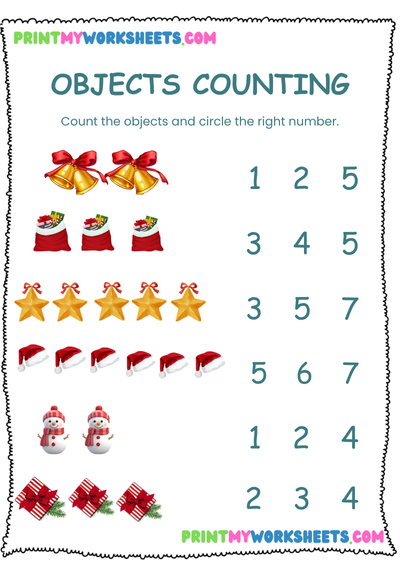
Kindergarten Counting and Number Writing Worksheets PDF – Early Math Practice with Answer Key
Help your child build number fluency with our Kindergarten Counting and Number Writing Worksheets PDF! This printable helps kids count objects and write the correct numeral, strengthening early math and handwriting skills.
Perfect for homeschool, classroom, or extra practice, this worksheet supports:
-
Number writing from 1–20
-
Counting accuracy and one-to-one correspondence
-
Kindergarten Common Core math standards
Key Features:
-
Printable PDF (U.S. Letter size – 8.5” x 11”)
-
Fun images to count and color
-
Trace and write numerals independently
-
Great for home, classroom, and tutoring use
🖍️ Download now and help your child become a confident counter and number writer!
Simply visit the page, download the PDF via Google Drive, and print it for easy practice.
You may also like :
[gallery ids="6329,5915,5914"] Kindergarten Counting and Number Writing Worksheets PDF – Early Math Practice with Answer Key
Help your child build number fluency with our Kindergarten Counting and Number Writing Worksheets PDF! This printable helps kids count objects and write the correct numeral, strengthening early math and handwriting skills.
Perfect for homeschool, classroom, or extra practice, this worksheet supports:
-
Number writing from 1–20
-
Counting accuracy and one-to-one correspondence
-
Kindergarten Common Core math standards
Key Features:
-
Printable PDF (U.S. Letter size – 8.5” x 11”)
-
Fun images to count and color
-
Trace and write numerals independently
-
Great for home, classroom, and tutoring use
🖍️ Download now and help your child become a confident counter and number writer!
Simply visit the page, download the PDF via Google Drive, and print it for easy practice.
You may also like :
[gallery ids="6329,5915,5914"]
Kindergarten Counting Worksheets PDF | Free Math Downloadable
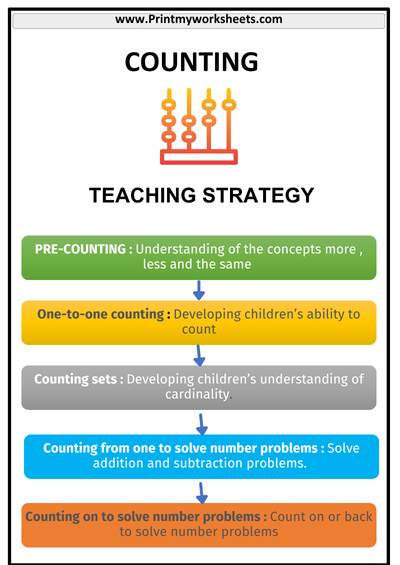
Start your child’s math journey with confidence using our Kindergarten Counting Worksheets PDF—a free downloadable PDF designed for early learners in the U.S. This engaging worksheet helps young children practice number recognition, one-to-one correspondence, and counting from 1 to 20 through fun, hands-on activities.
Ideal for homeschool parents, kindergarten teachers, and early childhood educators, this worksheet includes colorful visuals, count-and-color activities, and traceable numbers that build both fine motor skills and early math understanding. By encouraging kids to count objects, match numbers, and trace digits, this worksheet supports foundational math concepts in a playful and meaningful way.
Why is counting so important in kindergarten? Counting forms the base of all future math skills. It teaches number order, quantity understanding, and introduces the idea that numbers represent value—key principles aligned with Common Core Kindergarten Math Standards.
Children who master basic counting are better prepared for addition, subtraction, place value, and problem-solving in higher grades. Our worksheet helps reinforce these skills while making math fun and approachable.
🎯 Download the FREE Maths Counting Basics Worksheet today and give your kindergartener a strong foundation in numbers through joyful, screen-free learning!
Download and print today to give your little learners the head start they deserve!
You may also like :
[gallery ids="5923,5908,5326"] Kindergarten Counting Worksheets PDF | Free Math Downloadable
Start your child’s math journey with confidence using our Kindergarten Counting Worksheets PDF—a free downloadable PDF designed for early learners in the U.S. This engaging worksheet helps young children practice number recognition, one-to-one correspondence, and counting from 1 to 20 through fun, hands-on activities.
Ideal for homeschool parents, kindergarten teachers, and early childhood educators, this worksheet includes colorful visuals, count-and-color activities, and traceable numbers that build both fine motor skills and early math understanding. By encouraging kids to count objects, match numbers, and trace digits, this worksheet supports foundational math concepts in a playful and meaningful way.
Why is counting so important in kindergarten? Counting forms the base of all future math skills. It teaches number order, quantity understanding, and introduces the idea that numbers represent value—key principles aligned with Common Core Kindergarten Math Standards.
Children who master basic counting are better prepared for addition, subtraction, place value, and problem-solving in higher grades. Our worksheet helps reinforce these skills while making math fun and approachable.
🎯 Download the FREE Maths Counting Basics Worksheet today and give your kindergartener a strong foundation in numbers through joyful, screen-free learning!
Download and print today to give your little learners the head start they deserve!
You may also like :
[gallery ids="5923,5908,5326"]
Kindergarten Missing Numbers Worksheets PDF – Easy Home Math Review Pack
Kindergarten Missing Numbers Worksheets PDF
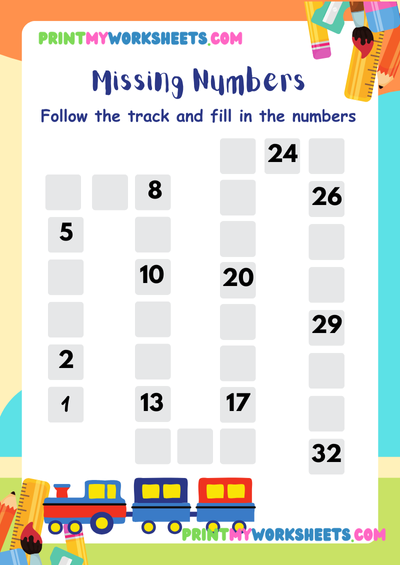
The Kindergarten Missing Numbers Worksheets PDF is a helpful learning resource designed to support early math development in young learners. These free printable worksheets are ideal for U.S. parents, kindergarten teachers, and homeschool families who want to strengthen number recognition and counting skills through engaging activities.
In kindergarten, children begin developing a strong understanding of numbers and counting sequences. Learning to identify missing numbers helps students recognize number patterns and understand how numbers progress in order. This skill is an important step toward building early mathematical confidence and problem-solving abilities.
The Kindergarten Missing Numbers Worksheets PDF provides structured practice that allows students to complete number sequences by identifying the numbers that are missing. Through simple and visually clear exercises, children learn to recognize number patterns, practice counting forward, and improve their ability to organize numbers logically. These activities support early math learning while making practice enjoyable and accessible for young students.
What Students Will Learn?
Missing number worksheets help kindergarten students strengthen their understanding of number sequences and counting patterns. These activities introduce basic numerical order in a simple and engaging format that is appropriate for early learners.
Students practice identifying numbers that belong within a sequence. For example, they may see a series such as 1, 2, __, 4 and determine that the missing number is 3. This type of exercise helps children understand how numbers progress in order.
The worksheets also reinforce number recognition. By repeatedly observing and filling in numbers within sequences, students become more familiar with individual numbers and their placement in counting patterns.
Some activities may include visual aids such as number lines, pictures, or counting objects that help children connect numbers with quantities. These visuals support conceptual understanding and make the learning process more engaging.
Completing missing number activities also encourages logical thinking. Students must analyze the sequence and determine which number correctly completes the pattern.
With clear instructions and age-appropriate exercises, these worksheets support structured practice that helps kindergarten learners build strong early math skills.
Educational Value & Skill Development
The Kindergarten Missing Numbers Worksheets PDF supports several key areas of early childhood learning, particularly in mathematics and cognitive development.
One of the most important benefits is strengthening number sense. Number sense refers to a child’s ability to understand how numbers relate to one another. Missing number exercises help students recognize how numbers increase and follow predictable patterns.
These activities also improve counting skills. When children fill in missing numbers, they practice counting forward and understanding the correct order of numbers.
Another benefit is enhanced problem-solving ability. Students must observe the sequence, think carefully about the pattern, and determine the correct number that completes the series.
The Kindergarten Missing Numbers Worksheets PDF also helps improve concentration and attention to detail. Children must focus on the sequence and consider which number fits in the correct position.
These worksheets also support early math confidence. When children successfully complete number patterns, they gain confidence in their mathematical abilities and become more motivated to continue learning.
With repeated practice, young learners develop a stronger understanding of number relationships, which supports more advanced math concepts in future grades.
Why Focus on Missing Numbers?
Learning to identify missing numbers is a fundamental part of early math instruction. It helps children understand the structure and order of numbers, which is an essential foundation for later mathematical learning.
For kindergarten students, recognizing number sequences helps build familiarity with counting patterns. When children practice identifying missing numbers, they learn how numbers relate to each other in a logical progression.
This skill also supports early addition and subtraction concepts. Understanding that numbers follow a predictable order helps children later understand how numbers increase or decrease in simple calculations.
Missing number activities also promote pattern recognition. Students observe how numbers change within a sequence and determine the correct number needed to complete it.
Repetition is especially important in early math learning. Practicing number sequences regularly helps students develop automatic recognition of counting patterns.
Early math standards in the United States emphasize number recognition, counting, and sequencing in kindergarten. Providing structured practice with missing number exercises helps students build the skills needed for future math success.
How to Use These Worksheets?
The Kindergarten Missing Numbers Worksheets PDF can be used in a variety of learning environments, including classrooms, homeschool settings, and small-group math instruction.
Teachers may include these worksheets as part of math centers or daily number practice activities. Students can complete number sequences independently or work with classmates to identify missing numbers.
In small groups, teachers can guide students through number patterns and discuss how numbers increase step by step. Asking questions such as “What number comes next?” helps students think carefully about the sequence.
Parents who homeschool can use the worksheets as part of daily math routines. Children may practice counting aloud while filling in missing numbers to reinforce understanding.
Because the worksheets are available as a free printable PDF, they can be downloaded and printed easily for classroom or home use. Teachers and parents may reuse the worksheets for review activities or additional practice.
These worksheets are also suitable for independent learning. The clear layout and simple instructions allow young learners to practice number sequencing at their own pace.
Related Worksheets / Extensions:
You may also like:
• Kindergarten counting worksheets
• Number recognition worksheets for early learners
• Kindergarten number sequencing worksheets
• Early math pattern worksheets
• Simple addition worksheets for kindergarten
The Kindergarten Missing Numbers Worksheets PDF works well alongside other early math activities that focus on counting, number recognition, and pattern identification. Combining these exercises helps children build a stronger understanding of how numbers function within sequences.
Teachers and parents can also extend learning by using number lines, counting objects, or everyday activities that involve numbers. Encouraging children to count items, identify numbers in their environment, or create their own number sequences helps reinforce the concepts practiced in worksheets.
With regular practice, kindergarten students become more comfortable recognizing number patterns and identifying missing numbers. These foundational skills prepare them for more advanced math topics as they progress through elementary school.
You may also like :
[gallery ids="6329,5914,5913"] Kindergarten Missing Numbers Worksheets PDF – Easy Home Math Review Pack
Kindergarten Missing Numbers Worksheets PDF
The Kindergarten Missing Numbers Worksheets PDF is a helpful learning resource designed to support early math development in young learners. These free printable worksheets are ideal for U.S. parents, kindergarten teachers, and homeschool families who want to strengthen number recognition and counting skills through engaging activities.
In kindergarten, children begin developing a strong understanding of numbers and counting sequences. Learning to identify missing numbers helps students recognize number patterns and understand how numbers progress in order. This skill is an important step toward building early mathematical confidence and problem-solving abilities.
The Kindergarten Missing Numbers Worksheets PDF provides structured practice that allows students to complete number sequences by identifying the numbers that are missing. Through simple and visually clear exercises, children learn to recognize number patterns, practice counting forward, and improve their ability to organize numbers logically. These activities support early math learning while making practice enjoyable and accessible for young students.
What Students Will Learn?
Missing number worksheets help kindergarten students strengthen their understanding of number sequences and counting patterns. These activities introduce basic numerical order in a simple and engaging format that is appropriate for early learners.
Students practice identifying numbers that belong within a sequence. For example, they may see a series such as 1, 2, __, 4 and determine that the missing number is 3. This type of exercise helps children understand how numbers progress in order.
The worksheets also reinforce number recognition. By repeatedly observing and filling in numbers within sequences, students become more familiar with individual numbers and their placement in counting patterns.
Some activities may include visual aids such as number lines, pictures, or counting objects that help children connect numbers with quantities. These visuals support conceptual understanding and make the learning process more engaging.
Completing missing number activities also encourages logical thinking. Students must analyze the sequence and determine which number correctly completes the pattern.
With clear instructions and age-appropriate exercises, these worksheets support structured practice that helps kindergarten learners build strong early math skills.
Educational Value & Skill Development
The Kindergarten Missing Numbers Worksheets PDF supports several key areas of early childhood learning, particularly in mathematics and cognitive development.
One of the most important benefits is strengthening number sense. Number sense refers to a child’s ability to understand how numbers relate to one another. Missing number exercises help students recognize how numbers increase and follow predictable patterns.
These activities also improve counting skills. When children fill in missing numbers, they practice counting forward and understanding the correct order of numbers.
Another benefit is enhanced problem-solving ability. Students must observe the sequence, think carefully about the pattern, and determine the correct number that completes the series.
The Kindergarten Missing Numbers Worksheets PDF also helps improve concentration and attention to detail. Children must focus on the sequence and consider which number fits in the correct position.
These worksheets also support early math confidence. When children successfully complete number patterns, they gain confidence in their mathematical abilities and become more motivated to continue learning.
With repeated practice, young learners develop a stronger understanding of number relationships, which supports more advanced math concepts in future grades.
Why Focus on Missing Numbers?
Learning to identify missing numbers is a fundamental part of early math instruction. It helps children understand the structure and order of numbers, which is an essential foundation for later mathematical learning.
For kindergarten students, recognizing number sequences helps build familiarity with counting patterns. When children practice identifying missing numbers, they learn how numbers relate to each other in a logical progression.
This skill also supports early addition and subtraction concepts. Understanding that numbers follow a predictable order helps children later understand how numbers increase or decrease in simple calculations.
Missing number activities also promote pattern recognition. Students observe how numbers change within a sequence and determine the correct number needed to complete it.
Repetition is especially important in early math learning. Practicing number sequences regularly helps students develop automatic recognition of counting patterns.
Early math standards in the United States emphasize number recognition, counting, and sequencing in kindergarten. Providing structured practice with missing number exercises helps students build the skills needed for future math success.
How to Use These Worksheets?
The Kindergarten Missing Numbers Worksheets PDF can be used in a variety of learning environments, including classrooms, homeschool settings, and small-group math instruction.
Teachers may include these worksheets as part of math centers or daily number practice activities. Students can complete number sequences independently or work with classmates to identify missing numbers.
In small groups, teachers can guide students through number patterns and discuss how numbers increase step by step. Asking questions such as “What number comes next?” helps students think carefully about the sequence.
Parents who homeschool can use the worksheets as part of daily math routines. Children may practice counting aloud while filling in missing numbers to reinforce understanding.
Because the worksheets are available as a free printable PDF, they can be downloaded and printed easily for classroom or home use. Teachers and parents may reuse the worksheets for review activities or additional practice.
These worksheets are also suitable for independent learning. The clear layout and simple instructions allow young learners to practice number sequencing at their own pace.
Related Worksheets / Extensions:
You may also like:
• Kindergarten counting worksheets
• Number recognition worksheets for early learners
• Kindergarten number sequencing worksheets
• Early math pattern worksheets
• Simple addition worksheets for kindergarten
The Kindergarten Missing Numbers Worksheets PDF works well alongside other early math activities that focus on counting, number recognition, and pattern identification. Combining these exercises helps children build a stronger understanding of how numbers function within sequences.
Teachers and parents can also extend learning by using number lines, counting objects, or everyday activities that involve numbers. Encouraging children to count items, identify numbers in their environment, or create their own number sequences helps reinforce the concepts practiced in worksheets.
With regular practice, kindergarten students become more comfortable recognizing number patterns and identifying missing numbers. These foundational skills prepare them for more advanced math topics as they progress through elementary school.
You may also like :
[gallery ids="6329,5914,5913"]

Kindergarten No-Prep Winter Math Worksheets PDF – Build Early Number Skills This Season
Kindergarten No-Prep Winter Math Worksheets PDF
These worksheets are designed to make math learning easy, engaging, and stress-free for young learners. These free downloadable PDF worksheets are perfect for US homeschool parents, kindergarten teachers, and families looking for simple, effective math practice during the winter season.
The NO-PREP format means teachers and parents can print and use the worksheets instantly—no cutting, laminating, or extra materials required. This packet focuses on essential kindergarten math skills such as number recognition, counting, comparing numbers, simple addition and subtraction, shapes, and patterns, all presented with fun winter-themed visuals.
Learning math through a winter-themed back-to-school packet helps re-engage students after breaks and supports smooth transitions back into classroom routines. Seasonal themes keep children motivated while reinforcing core math concepts through repetition and hands-on practice.
These worksheets also help build problem-solving skills, number sense, and confidence in early math. Clear instructions and age-appropriate activities make them ideal for independent work, math centers, homework, or small-group instruction.
The printable PDF format ensures flexibility for classrooms and homeschooling environments. Whether reinforcing daily lessons or providing extra winter practice, this NO-PREP math packet offers a practical, engaging, and completely free resource aligned with US kindergarten math standards.
You may also like:
[gallery ids="6329,6689,6588"] Kindergarten No-Prep Winter Math Worksheets PDF – Build Early Number Skills This Season
Kindergarten No-Prep Winter Math Worksheets PDF
These worksheets are designed to make math learning easy, engaging, and stress-free for young learners. These free downloadable PDF worksheets are perfect for US homeschool parents, kindergarten teachers, and families looking for simple, effective math practice during the winter season.
The NO-PREP format means teachers and parents can print and use the worksheets instantly—no cutting, laminating, or extra materials required. This packet focuses on essential kindergarten math skills such as number recognition, counting, comparing numbers, simple addition and subtraction, shapes, and patterns, all presented with fun winter-themed visuals.
Learning math through a winter-themed back-to-school packet helps re-engage students after breaks and supports smooth transitions back into classroom routines. Seasonal themes keep children motivated while reinforcing core math concepts through repetition and hands-on practice.
These worksheets also help build problem-solving skills, number sense, and confidence in early math. Clear instructions and age-appropriate activities make them ideal for independent work, math centers, homework, or small-group instruction.
The printable PDF format ensures flexibility for classrooms and homeschooling environments. Whether reinforcing daily lessons or providing extra winter practice, this NO-PREP math packet offers a practical, engaging, and completely free resource aligned with US kindergarten math standards.
You may also like:
[gallery ids="6329,6689,6588"]
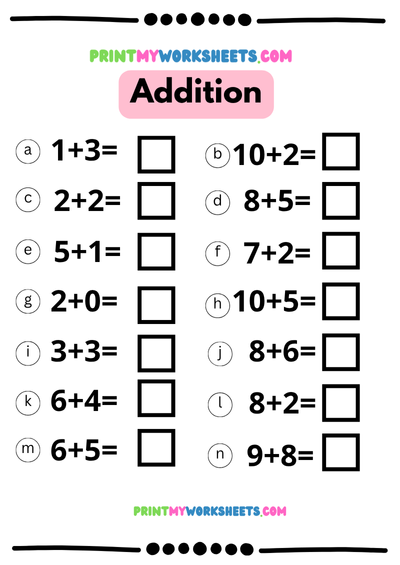
Kindergarten Simple Addition Worksheet PDF | Free Math Downloadable for Kids
Kindergarten Simple Addition Worksheet PDF
The Kindergarten Simple Addition Worksheet PDF is designed to help young learners build a strong foundation in early math skills through clear, engaging practice. This free printable PDF is ideal for U.S. parents, classroom teachers, and homeschool families who want structured addition support for kindergarten students.
In kindergarten, children begin developing number sense and understanding how numbers work together. Simple addition introduces the idea of combining quantities in a visual and hands-on way. At this stage, students are learning to add within 10 using pictures, objects, and number sentences. Practicing these skills regularly helps children gain confidence and prepares them for more advanced math concepts in first grade and beyond. This worksheet supports early learners with age-appropriate activities that encourage both accuracy and understanding.
What Students Will Learn?
This simple addition worksheet helps kindergarten students understand how to combine two groups to find a total. Children practice adding small numbers, typically within 10, using visual models such as pictures, dots, ten frames, and number lines.
Students will learn how to:
-
Recognize addition as “putting together”
-
Count objects to find totals
-
Write basic addition number sentences
-
Match equations with visual representations
-
Build fluency with small sums
The activities are structured to move from concrete to symbolic learning. For example, students may first count pictures of apples or stars before writing the corresponding equation. This step-by-step approach supports comprehension rather than memorization.
The worksheet aligns with U.S. kindergarten math standards, which focus on understanding addition as combining and adding to. By practicing in a clear, organized format, students strengthen their number sense while becoming comfortable with early math language and symbols.
Educational Value & Skill Development
The Kindergarten Simple Addition Worksheet PDF supports both academic growth and cognitive development. At the kindergarten level, math instruction centers on building number awareness and developing problem-solving habits. Practicing addition helps students understand relationships between numbers and recognize patterns in counting.
Academically, early addition skills lay the groundwork for subtraction, place value, and future multi-digit operations. When children grasp the concept of combining two groups, they are better prepared to understand more complex equations in later grades.
Cognitively, addition exercises strengthen logical thinking and sequencing. Students learn to follow steps: count one group, count the next group, and then combine the totals. These structured routines improve focus and attention to detail.
Confidence is another important benefit. When children successfully solve addition problems, they feel capable and motivated. Repeated practice in a clear format builds independence. Students begin to recognize patterns and solve problems more quickly, which reduces frustration and supports a positive attitude toward math learning.
Why Focus on Simple Addition?
Simple addition is one of the first formal math skills children learn in school. It introduces the concept that numbers can be combined to make larger numbers. This understanding forms the foundation of nearly every math topic students encounter later.
In kindergarten, children are expected to add within 10 using objects, drawings, and equations. Mastering this skill ensures they are ready for subtraction, number bonds, and place value in first grade. Without a clear understanding of addition, future math concepts may feel confusing or overwhelming.
Repetition and guided practice are essential at this age. Young learners benefit from seeing addition represented in different ways—pictures, number lines, and written equations. Consistent exposure strengthens memory and understanding. By focusing on simple addition early, students develop strong number sense that supports long-term academic success.
How to Use These Worksheets?
The Kindergarten Simple Addition Worksheet PDF can be used in a variety of settings. In the classroom, teachers may incorporate it into math centers, small group instruction, or independent practice time. It also works well as morning work or homework reinforcement.
Homeschool families can include the worksheet as part of a daily math routine. Begin by reviewing counting skills aloud, then guide your child through the first few problems. After modeling how to combine groups, allow independent practice while offering encouragement and support.
Because this resource is a free printable PDF, it can be downloaded quickly and printed as needed. Educators and parents can reuse it throughout the year for review. Laminating pages or placing them in sheet protectors allows students to practice with dry-erase markers for repeated use.
The clear, distraction-free design keeps young learners focused on counting and adding without overwhelming visuals.
Related Worksheets / Extensions:
You may also like:
-
Kindergarten subtraction worksheets
-
Counting and number recognition activities
-
Ten frame practice sheets
-
Number bonds for kindergarten
-
First grade addition review pages
The Kindergarten Simple Addition Worksheet PDF pairs well with other early math resources to create a balanced and comprehensive learning routine. Consistent practice across counting, addition, and subtraction strengthens number sense and builds readiness for first grade math. By integrating simple addition activities throughout the school year, parents and teachers can help young learners develop confidence and accuracy in foundational math skills.
You may also like :
[gallery ids="5908,4625,4634"] Kindergarten Simple Addition Worksheet PDF | Free Math Downloadable for Kids
Kindergarten Simple Addition Worksheet PDF
The Kindergarten Simple Addition Worksheet PDF is designed to help young learners build a strong foundation in early math skills through clear, engaging practice. This free printable PDF is ideal for U.S. parents, classroom teachers, and homeschool families who want structured addition support for kindergarten students.
In kindergarten, children begin developing number sense and understanding how numbers work together. Simple addition introduces the idea of combining quantities in a visual and hands-on way. At this stage, students are learning to add within 10 using pictures, objects, and number sentences. Practicing these skills regularly helps children gain confidence and prepares them for more advanced math concepts in first grade and beyond. This worksheet supports early learners with age-appropriate activities that encourage both accuracy and understanding.
What Students Will Learn?
This simple addition worksheet helps kindergarten students understand how to combine two groups to find a total. Children practice adding small numbers, typically within 10, using visual models such as pictures, dots, ten frames, and number lines.
Students will learn how to:
-
Recognize addition as “putting together”
-
Count objects to find totals
-
Write basic addition number sentences
-
Match equations with visual representations
-
Build fluency with small sums
The activities are structured to move from concrete to symbolic learning. For example, students may first count pictures of apples or stars before writing the corresponding equation. This step-by-step approach supports comprehension rather than memorization.
The worksheet aligns with U.S. kindergarten math standards, which focus on understanding addition as combining and adding to. By practicing in a clear, organized format, students strengthen their number sense while becoming comfortable with early math language and symbols.
Educational Value & Skill Development
The Kindergarten Simple Addition Worksheet PDF supports both academic growth and cognitive development. At the kindergarten level, math instruction centers on building number awareness and developing problem-solving habits. Practicing addition helps students understand relationships between numbers and recognize patterns in counting.
Academically, early addition skills lay the groundwork for subtraction, place value, and future multi-digit operations. When children grasp the concept of combining two groups, they are better prepared to understand more complex equations in later grades.
Cognitively, addition exercises strengthen logical thinking and sequencing. Students learn to follow steps: count one group, count the next group, and then combine the totals. These structured routines improve focus and attention to detail.
Confidence is another important benefit. When children successfully solve addition problems, they feel capable and motivated. Repeated practice in a clear format builds independence. Students begin to recognize patterns and solve problems more quickly, which reduces frustration and supports a positive attitude toward math learning.
Why Focus on Simple Addition?
Simple addition is one of the first formal math skills children learn in school. It introduces the concept that numbers can be combined to make larger numbers. This understanding forms the foundation of nearly every math topic students encounter later.
In kindergarten, children are expected to add within 10 using objects, drawings, and equations. Mastering this skill ensures they are ready for subtraction, number bonds, and place value in first grade. Without a clear understanding of addition, future math concepts may feel confusing or overwhelming.
Repetition and guided practice are essential at this age. Young learners benefit from seeing addition represented in different ways—pictures, number lines, and written equations. Consistent exposure strengthens memory and understanding. By focusing on simple addition early, students develop strong number sense that supports long-term academic success.
How to Use These Worksheets?
The Kindergarten Simple Addition Worksheet PDF can be used in a variety of settings. In the classroom, teachers may incorporate it into math centers, small group instruction, or independent practice time. It also works well as morning work or homework reinforcement.
Homeschool families can include the worksheet as part of a daily math routine. Begin by reviewing counting skills aloud, then guide your child through the first few problems. After modeling how to combine groups, allow independent practice while offering encouragement and support.
Because this resource is a free printable PDF, it can be downloaded quickly and printed as needed. Educators and parents can reuse it throughout the year for review. Laminating pages or placing them in sheet protectors allows students to practice with dry-erase markers for repeated use.
The clear, distraction-free design keeps young learners focused on counting and adding without overwhelming visuals.
Related Worksheets / Extensions:
You may also like:
-
Kindergarten subtraction worksheets
-
Counting and number recognition activities
-
Ten frame practice sheets
-
Number bonds for kindergarten
-
First grade addition review pages
The Kindergarten Simple Addition Worksheet PDF pairs well with other early math resources to create a balanced and comprehensive learning routine. Consistent practice across counting, addition, and subtraction strengthens number sense and builds readiness for first grade math. By integrating simple addition activities throughout the school year, parents and teachers can help young learners develop confidence and accuracy in foundational math skills.
You may also like :
[gallery ids="5908,4625,4634"]
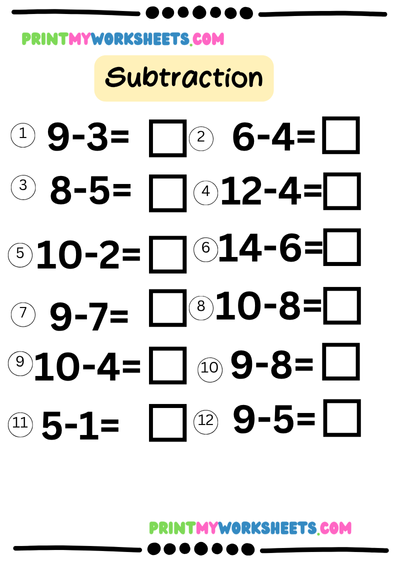
Kindergarten Subtraction Worksheets PDF – Beginner Math Practice with Answer Key
Kindergarten Subtraction Worksheets PDF
This engaging worksheet is designed to help young learners understand how numbers work when taking away, making early math both fun and educational.
The worksheet features single-digit subtraction problems supported by visuals such as objects, pictures, and shapes that children can count and cross out to find the correct answer. Activities include fill-in-the-blank exercises, picture-based subtraction, and tracing numbers, allowing kids to practice subtraction in a hands-on, interactive way. With large fonts and child-friendly layouts, this worksheet ensures learning is stress-free and enjoyable.
Why teach subtraction in kindergarten? Learning subtraction early strengthens number sense, problem-solving, and logical thinking. It teaches children that numbers can represent both adding together and taking away, preparing them for higher-level math concepts like multiplication, division, and fractions. Practicing subtraction also helps children build focus, fine motor skills, and confidence in handling numbers.
Perfect for homeschool parents, kindergarten teachers, and tutors, this free printable PDF is easy to download, print, and use at home, in classrooms, or during extra practice.
[gallery ids="6207,5914,5218"] Kindergarten Subtraction Worksheets PDF – Beginner Math Practice with Answer Key
Kindergarten Subtraction Worksheets PDF
This engaging worksheet is designed to help young learners understand how numbers work when taking away, making early math both fun and educational.
The worksheet features single-digit subtraction problems supported by visuals such as objects, pictures, and shapes that children can count and cross out to find the correct answer. Activities include fill-in-the-blank exercises, picture-based subtraction, and tracing numbers, allowing kids to practice subtraction in a hands-on, interactive way. With large fonts and child-friendly layouts, this worksheet ensures learning is stress-free and enjoyable.
Why teach subtraction in kindergarten? Learning subtraction early strengthens number sense, problem-solving, and logical thinking. It teaches children that numbers can represent both adding together and taking away, preparing them for higher-level math concepts like multiplication, division, and fractions. Practicing subtraction also helps children build focus, fine motor skills, and confidence in handling numbers.
Perfect for homeschool parents, kindergarten teachers, and tutors, this free printable PDF is easy to download, print, and use at home, in classrooms, or during extra practice.
[gallery ids="6207,5914,5218"]
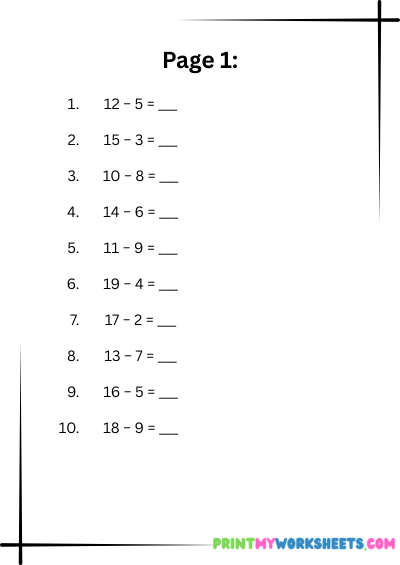
Kindergarten Two-Digit Subtraction Worksheets PDF | Free Math Dowloadable
Build your child’s math confidence with our Kindergarten Two-Digit Subtraction Worksheets PDF, designed for the US curriculum and perfect for homeschool parents, kindergarten teachers, and caregivers.
These worksheets introduce young learners to basic two-digit subtraction in a clear and engaging way. With large, easy-to-read numbers and visually appealing layouts, kids can practice subtracting without regrouping, developing a solid foundation for more advanced arithmetic skills.
Activities include vertical subtraction problems, number line exercises, and picture-supported problems that make learning hands-on and fun. By practicing two-digit subtraction early, children strengthen number sense, problem-solving skills, and logical thinking, all while improving their speed and accuracy in math.
Why teach two-digit subtraction in kindergarten? Early exposure helps children understand how numbers relate to each other, preparing them for regrouping, borrowing, and more complex math in later grades. It also boosts confidence, reduces math anxiety, and makes problem-solving a natural part of their learning routine.
Our free printable PDF is easy to download, print, and use at home or in classrooms. Give your child the skills they need for a strong mathematical start—while making math practice fun and engaging.
Download and print today to give your little learners the head start they deserve!
You may also like :
[gallery ids="6329,5915,5914"] Kindergarten Two-Digit Subtraction Worksheets PDF | Free Math Dowloadable
Build your child’s math confidence with our Kindergarten Two-Digit Subtraction Worksheets PDF, designed for the US curriculum and perfect for homeschool parents, kindergarten teachers, and caregivers.
These worksheets introduce young learners to basic two-digit subtraction in a clear and engaging way. With large, easy-to-read numbers and visually appealing layouts, kids can practice subtracting without regrouping, developing a solid foundation for more advanced arithmetic skills.
Activities include vertical subtraction problems, number line exercises, and picture-supported problems that make learning hands-on and fun. By practicing two-digit subtraction early, children strengthen number sense, problem-solving skills, and logical thinking, all while improving their speed and accuracy in math.
Why teach two-digit subtraction in kindergarten? Early exposure helps children understand how numbers relate to each other, preparing them for regrouping, borrowing, and more complex math in later grades. It also boosts confidence, reduces math anxiety, and makes problem-solving a natural part of their learning routine.
Our free printable PDF is easy to download, print, and use at home or in classrooms. Give your child the skills they need for a strong mathematical start—while making math practice fun and engaging.
Download and print today to give your little learners the head start they deserve!
You may also like :
[gallery ids="6329,5915,5914"]
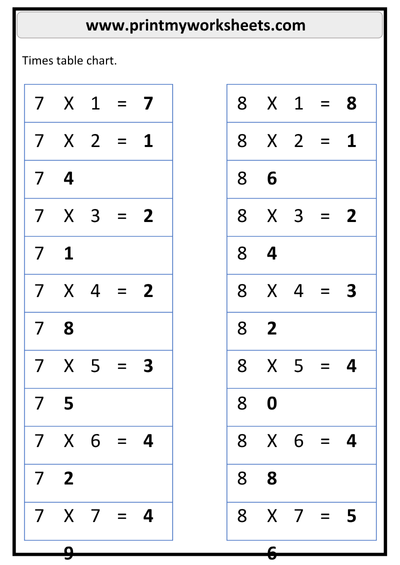
Multiplication Facts Worksheets PDF 4th Grade | Free Math Downloadable
Multiplication Facts Worksheets PDF 4th Grade
Mastering multiplication facts is a key milestone in upper elementary math and a skill that supports success across many subjects. The Multiplication Facts Worksheets PDF 4th Grade resource is designed to give students structured, consistent practice with multiplication in a clear and student-friendly format. These printable worksheets are created for U.S. parents, classroom teachers, and homeschool families who want to reinforce essential math skills through daily practice.
By fourth grade, students are expected to recall multiplication facts with accuracy and speed. This fluency allows them to focus on more complex problem-solving rather than basic calculations. These worksheets provide targeted activities that help students strengthen fact recall, recognize number patterns, and build confidence. With easy-to-follow layouts and purposeful repetition, this free printable PDF supports both independent learning and guided instruction, making it a reliable resource for reinforcing multiplication skills at home or in the classroom.
What Students Will Learn?
These worksheets focus on helping students develop strong and reliable multiplication fact fluency. Students practice multiplying single-digit numbers through repeated exposure to facts commonly used in fourth-grade math. Activities are designed to help learners recall facts efficiently while also understanding how multiplication works as repeated addition and grouping.
The worksheets may include timed practice, fill-in-the-blank problems, matching exercises, and word-based number sentences. These varied formats keep practice engaging while reinforcing the same core skills. Students also begin to recognize patterns within multiplication tables, such as how facts relate to one another.
Structured learning is supported through consistent formatting and gradual progression. Students move from reviewing familiar facts to practicing more challenging combinations. Clear instructions help learners work independently, while the predictable layout reduces distractions. These activities align with age-appropriate expectations by supporting fluency, accuracy, and confidence. Through regular practice, students strengthen their ability to use multiplication facts quickly and correctly in a wide range of math tasks.
Educational Value & Skill Development
Strong multiplication fact fluency is essential for academic success in elementary and middle school math. The Multiplication Facts Worksheets PDF 4th Grade supports this development by providing consistent, focused practice that helps facts become automatic. When students no longer need to pause to calculate basic products, they can concentrate on higher-level thinking.
Academically, these worksheets support skills needed for multi-digit multiplication, division, fractions, and problem-solving. Multiplication facts are used daily in word problems, measurement, and data analysis, making fluency a critical foundation.
From a cognitive perspective, repeated practice strengthens memory, attention, and processing speed. Students learn to recognize patterns and apply strategies, such as using known facts to solve unknown ones. Completing worksheets independently also supports responsibility and self-confidence.
Skill progression is carefully supported. As students gain mastery, they are better prepared to handle more complex concepts such as long multiplication and division with remainders. This steady growth helps students approach math tasks with confidence and reduces frustration as expectations increase.
Why Focus on Multiplication Facts?
Multiplication facts are one of the most important building blocks in elementary mathematics. In fourth grade, students rely on these facts across nearly every math topic they encounter. Without fluency, students may struggle to keep up with lessons that require quick and accurate calculations.
Focusing on multiplication facts helps students build efficiency and confidence. When facts are recalled automatically, students can devote their attention to understanding problem-solving steps and reasoning through complex questions. This skill also supports standardized assessments and classroom performance.
Repetition and guided practice are essential for building long-term retention. Worksheets offer a structured way to revisit facts regularly without overwhelming students. These activities align with U.S. math learning standards, which emphasize fluency with multiplication as a core expectation at this grade level. By strengthening fact recall now, students are better prepared for division, fractions, and algebraic thinking in later grades.
How to Use These Worksheets?
These printable multiplication worksheets are flexible and easy to use in a variety of learning environments. In homeschool settings, they can be included as part of a daily math routine or used for short practice sessions to reinforce specific facts. Parents can review completed work with their child to identify strengths and areas for improvement.
In classrooms, teachers may use the worksheets for warm-up activities, math centers, small-group instruction, or independent practice. They are also effective for homework or review before quizzes and tests.
The Multiplication Facts Worksheets PDF 4th Grade is available as a free printable PDF, making it simple to download and reuse throughout the school year. Pages can be printed multiple times or placed in sheet protectors for repeated practice. This reusability allows educators to provide consistent reinforcement while adapting instruction to individual student needs.
Related Worksheets / Extensions:
Multiplication Facts Worksheets PDF 4th Grade | Free Math Downloadable
Multiplication Facts Worksheets PDF 4th Grade
Mastering multiplication facts is a key milestone in upper elementary math and a skill that supports success across many subjects. The Multiplication Facts Worksheets PDF 4th Grade resource is designed to give students structured, consistent practice with multiplication in a clear and student-friendly format. These printable worksheets are created for U.S. parents, classroom teachers, and homeschool families who want to reinforce essential math skills through daily practice.
By fourth grade, students are expected to recall multiplication facts with accuracy and speed. This fluency allows them to focus on more complex problem-solving rather than basic calculations. These worksheets provide targeted activities that help students strengthen fact recall, recognize number patterns, and build confidence. With easy-to-follow layouts and purposeful repetition, this free printable PDF supports both independent learning and guided instruction, making it a reliable resource for reinforcing multiplication skills at home or in the classroom.
What Students Will Learn?
These worksheets focus on helping students develop strong and reliable multiplication fact fluency. Students practice multiplying single-digit numbers through repeated exposure to facts commonly used in fourth-grade math. Activities are designed to help learners recall facts efficiently while also understanding how multiplication works as repeated addition and grouping.
The worksheets may include timed practice, fill-in-the-blank problems, matching exercises, and word-based number sentences. These varied formats keep practice engaging while reinforcing the same core skills. Students also begin to recognize patterns within multiplication tables, such as how facts relate to one another.
Structured learning is supported through consistent formatting and gradual progression. Students move from reviewing familiar facts to practicing more challenging combinations. Clear instructions help learners work independently, while the predictable layout reduces distractions. These activities align with age-appropriate expectations by supporting fluency, accuracy, and confidence. Through regular practice, students strengthen their ability to use multiplication facts quickly and correctly in a wide range of math tasks.
Educational Value & Skill Development
Strong multiplication fact fluency is essential for academic success in elementary and middle school math. The Multiplication Facts Worksheets PDF 4th Grade supports this development by providing consistent, focused practice that helps facts become automatic. When students no longer need to pause to calculate basic products, they can concentrate on higher-level thinking.
Academically, these worksheets support skills needed for multi-digit multiplication, division, fractions, and problem-solving. Multiplication facts are used daily in word problems, measurement, and data analysis, making fluency a critical foundation.
From a cognitive perspective, repeated practice strengthens memory, attention, and processing speed. Students learn to recognize patterns and apply strategies, such as using known facts to solve unknown ones. Completing worksheets independently also supports responsibility and self-confidence.
Skill progression is carefully supported. As students gain mastery, they are better prepared to handle more complex concepts such as long multiplication and division with remainders. This steady growth helps students approach math tasks with confidence and reduces frustration as expectations increase.
Why Focus on Multiplication Facts?
Multiplication facts are one of the most important building blocks in elementary mathematics. In fourth grade, students rely on these facts across nearly every math topic they encounter. Without fluency, students may struggle to keep up with lessons that require quick and accurate calculations.
Focusing on multiplication facts helps students build efficiency and confidence. When facts are recalled automatically, students can devote their attention to understanding problem-solving steps and reasoning through complex questions. This skill also supports standardized assessments and classroom performance.
Repetition and guided practice are essential for building long-term retention. Worksheets offer a structured way to revisit facts regularly without overwhelming students. These activities align with U.S. math learning standards, which emphasize fluency with multiplication as a core expectation at this grade level. By strengthening fact recall now, students are better prepared for division, fractions, and algebraic thinking in later grades.
How to Use These Worksheets?
These printable multiplication worksheets are flexible and easy to use in a variety of learning environments. In homeschool settings, they can be included as part of a daily math routine or used for short practice sessions to reinforce specific facts. Parents can review completed work with their child to identify strengths and areas for improvement.
In classrooms, teachers may use the worksheets for warm-up activities, math centers, small-group instruction, or independent practice. They are also effective for homework or review before quizzes and tests.
The Multiplication Facts Worksheets PDF 4th Grade is available as a free printable PDF, making it simple to download and reuse throughout the school year. Pages can be printed multiple times or placed in sheet protectors for repeated practice. This reusability allows educators to provide consistent reinforcement while adapting instruction to individual student needs.
Related Worksheets / Extensions:

Number Tracing 11-20 | Free Downloadable PDF Pre Kindergarten
Pre Kindergarten Number Tracing 11-20
Early number recognition and writing skills are essential parts of preschool learning. The Pre Kindergarten Number Tracing 11-20 worksheets help young learners practice writing numbers while becoming familiar with number sequences beyond ten. These printable worksheets are designed for U.S. parents, preschool teachers, and homeschool families who want to introduce number writing in a clear and engaging way.
For many preschool students, numbers 1–10 are the first step in understanding counting and basic math concepts. Once children become comfortable with those numbers, the next step is recognizing and writing numbers 11 through 20. Practicing these numbers helps children develop stronger counting abilities and prepares them for kindergarten-level math.
The Pre Kindergarten Number Tracing 11-20 worksheets provide structured tracing activities that guide children through proper number formation. By following dotted lines and repeating the numbers several times, students strengthen both number recognition and fine motor skills. These worksheets create a supportive learning environment where children can practice writing numbers confidently while building a strong mathematical foundation.
What Students Will Learn?
Number tracing worksheets introduce preschool learners to writing and recognizing numbers between eleven and twenty. These activities help children extend their understanding of numbers while developing the physical skills required for writing.
Students will begin by recognizing numbers from 11 to 20. Seeing these numbers repeatedly helps young learners understand that counting continues beyond the first ten numbers they have already learned.
Tracing activities guide children through the correct formation of each number. Dotted lines or directional arrows help students follow the proper writing pattern, making it easier for them to learn how each number is formed.
Many worksheets also include counting activities that reinforce number meaning. Students may count objects such as stars, animals, or shapes that match the number being traced. This helps children connect the written number with the quantity it represents.
These exercises also strengthen fine motor skills. Holding a pencil, following tracing lines, and writing numbers repeatedly helps children develop the hand control needed for writing letters and numbers in the future.
Through consistent practice, preschool learners gain confidence in recognizing and writing numbers while strengthening their early math skills.
Educational Value & Skill Development
The Pre Kindergarten Number Tracing 11-20 worksheets support several important areas of early childhood development.
One key benefit is number recognition. Young learners become familiar with numbers 11 through 20 and begin to understand their place within the counting sequence.
Tracing activities also strengthen handwriting skills. Following dotted lines helps children practice correct number formation while improving their pencil control and hand coordination.
The Pre Kindergarten Number Tracing 11-20 worksheets also reinforce counting skills. When students connect numbers with groups of objects, they develop a deeper understanding of how numbers represent quantities.
These worksheets also encourage concentration and patience. Completing tracing activities requires careful attention and focus, helping students develop important learning habits.
Another important benefit is confidence building. When children successfully trace and write numbers on their own, they gain a sense of accomplishment that encourages further learning.
By combining number recognition, counting practice, and handwriting development, these worksheets support a well-rounded approach to early math instruction.
Why Focus on Number Tracing 11-20?
Learning to recognize and write numbers from 11 to 20 is an important step in early math development. These numbers extend students’ understanding of counting and introduce them to larger number sequences.
Children who practice writing numbers become more comfortable recognizing them in books, classroom activities, and everyday life. This familiarity helps students transition more easily into kindergarten math lessons.
Tracing numbers also supports early writing development. Preschool learners often need guidance when forming numbers correctly, and tracing activities provide a clear visual structure that helps them learn proper formation.
Practicing numbers 11 through 20 also strengthens counting fluency. Students begin to see how numbers continue beyond ten and how they relate to each other in a sequence.
Repetition plays an important role in early learning. By tracing numbers multiple times, children gradually memorize their shapes and become more confident writing them independently.
These skills align with early childhood learning standards in the United States, which emphasize number recognition, counting, and basic number writing as key preschool milestones.
How to Use These Worksheets?
The Pre Kindergarten Number Tracing 11-20 worksheets can be used in many learning environments, including preschool classrooms, homeschool lessons, and independent practice time.
Teachers often use number tracing worksheets during math centers or small group instruction. Students can practice tracing numbers while the teacher provides guidance and encouragement.
In classroom settings, educators may begin by reviewing numbers 11 through 20 aloud with the class. Students can then practice tracing the numbers on their worksheets to reinforce what they learned.
Parents who homeschool can incorporate the worksheets into daily learning routines. Children may trace each number several times while counting aloud to strengthen both recognition and writing skills.
Because the worksheets are available as a free printable PDF, they are easy to download and print whenever additional practice is needed. Teachers and parents can reuse them for review sessions or extra reinforcement.
These worksheets are also helpful for quiet independent work. Children can focus on tracing numbers while gradually building their confidence and handwriting skills.
Related Worksheets / Extensions:
You may also like:
• Preschool number tracing 1–10 worksheets
• Kindergarten counting worksheets
• Early number recognition worksheets for preschool
• Number writing practice worksheets for kindergarten
• Simple counting and number sequence worksheets
The Pre Kindergarten Number Tracing 11-20 worksheets can be combined with other early math activities that focus on counting, number recognition, and writing practice. When students practice multiple number skills together, they develop a stronger understanding of how numbers work.
Teachers and parents can extend learning by encouraging children to count objects around them, such as toys, blocks, or classroom materials. Writing the numbers that match those quantities helps reinforce the connection between numbers and real-life counting.
With regular practice, preschool learners become more comfortable recognizing and writing numbers from 11 to 20. These early experiences create a strong foundation for kindergarten math and help children approach numbers with confidence.
You may also like :
[gallery ids="4219,4453,4537"] Number Tracing 11-20 | Free Downloadable PDF Pre Kindergarten
Pre Kindergarten Number Tracing 11-20
Early number recognition and writing skills are essential parts of preschool learning. The Pre Kindergarten Number Tracing 11-20 worksheets help young learners practice writing numbers while becoming familiar with number sequences beyond ten. These printable worksheets are designed for U.S. parents, preschool teachers, and homeschool families who want to introduce number writing in a clear and engaging way.
For many preschool students, numbers 1–10 are the first step in understanding counting and basic math concepts. Once children become comfortable with those numbers, the next step is recognizing and writing numbers 11 through 20. Practicing these numbers helps children develop stronger counting abilities and prepares them for kindergarten-level math.
The Pre Kindergarten Number Tracing 11-20 worksheets provide structured tracing activities that guide children through proper number formation. By following dotted lines and repeating the numbers several times, students strengthen both number recognition and fine motor skills. These worksheets create a supportive learning environment where children can practice writing numbers confidently while building a strong mathematical foundation.
What Students Will Learn?
Number tracing worksheets introduce preschool learners to writing and recognizing numbers between eleven and twenty. These activities help children extend their understanding of numbers while developing the physical skills required for writing.
Students will begin by recognizing numbers from 11 to 20. Seeing these numbers repeatedly helps young learners understand that counting continues beyond the first ten numbers they have already learned.
Tracing activities guide children through the correct formation of each number. Dotted lines or directional arrows help students follow the proper writing pattern, making it easier for them to learn how each number is formed.
Many worksheets also include counting activities that reinforce number meaning. Students may count objects such as stars, animals, or shapes that match the number being traced. This helps children connect the written number with the quantity it represents.
These exercises also strengthen fine motor skills. Holding a pencil, following tracing lines, and writing numbers repeatedly helps children develop the hand control needed for writing letters and numbers in the future.
Through consistent practice, preschool learners gain confidence in recognizing and writing numbers while strengthening their early math skills.
Educational Value & Skill Development
The Pre Kindergarten Number Tracing 11-20 worksheets support several important areas of early childhood development.
One key benefit is number recognition. Young learners become familiar with numbers 11 through 20 and begin to understand their place within the counting sequence.
Tracing activities also strengthen handwriting skills. Following dotted lines helps children practice correct number formation while improving their pencil control and hand coordination.
The Pre Kindergarten Number Tracing 11-20 worksheets also reinforce counting skills. When students connect numbers with groups of objects, they develop a deeper understanding of how numbers represent quantities.
These worksheets also encourage concentration and patience. Completing tracing activities requires careful attention and focus, helping students develop important learning habits.
Another important benefit is confidence building. When children successfully trace and write numbers on their own, they gain a sense of accomplishment that encourages further learning.
By combining number recognition, counting practice, and handwriting development, these worksheets support a well-rounded approach to early math instruction.
Why Focus on Number Tracing 11-20?
Learning to recognize and write numbers from 11 to 20 is an important step in early math development. These numbers extend students’ understanding of counting and introduce them to larger number sequences.
Children who practice writing numbers become more comfortable recognizing them in books, classroom activities, and everyday life. This familiarity helps students transition more easily into kindergarten math lessons.
Tracing numbers also supports early writing development. Preschool learners often need guidance when forming numbers correctly, and tracing activities provide a clear visual structure that helps them learn proper formation.
Practicing numbers 11 through 20 also strengthens counting fluency. Students begin to see how numbers continue beyond ten and how they relate to each other in a sequence.
Repetition plays an important role in early learning. By tracing numbers multiple times, children gradually memorize their shapes and become more confident writing them independently.
These skills align with early childhood learning standards in the United States, which emphasize number recognition, counting, and basic number writing as key preschool milestones.
How to Use These Worksheets?
The Pre Kindergarten Number Tracing 11-20 worksheets can be used in many learning environments, including preschool classrooms, homeschool lessons, and independent practice time.
Teachers often use number tracing worksheets during math centers or small group instruction. Students can practice tracing numbers while the teacher provides guidance and encouragement.
In classroom settings, educators may begin by reviewing numbers 11 through 20 aloud with the class. Students can then practice tracing the numbers on their worksheets to reinforce what they learned.
Parents who homeschool can incorporate the worksheets into daily learning routines. Children may trace each number several times while counting aloud to strengthen both recognition and writing skills.
Because the worksheets are available as a free printable PDF, they are easy to download and print whenever additional practice is needed. Teachers and parents can reuse them for review sessions or extra reinforcement.
These worksheets are also helpful for quiet independent work. Children can focus on tracing numbers while gradually building their confidence and handwriting skills.
Related Worksheets / Extensions:
You may also like:
• Preschool number tracing 1–10 worksheets
• Kindergarten counting worksheets
• Early number recognition worksheets for preschool
• Number writing practice worksheets for kindergarten
• Simple counting and number sequence worksheets
The Pre Kindergarten Number Tracing 11-20 worksheets can be combined with other early math activities that focus on counting, number recognition, and writing practice. When students practice multiple number skills together, they develop a stronger understanding of how numbers work.
Teachers and parents can extend learning by encouraging children to count objects around them, such as toys, blocks, or classroom materials. Writing the numbers that match those quantities helps reinforce the connection between numbers and real-life counting.
With regular practice, preschool learners become more comfortable recognizing and writing numbers from 11 to 20. These early experiences create a strong foundation for kindergarten math and help children approach numbers with confidence.
You may also like :
[gallery ids="4219,4453,4537"]
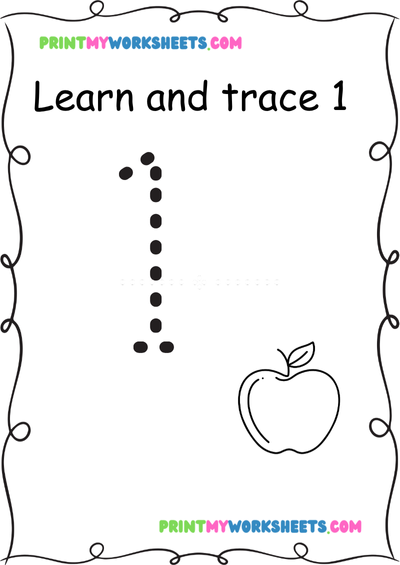
Pre Kindergarten Number Recognition 1-10 | Free Downloadable PDF
Pre Kindergarten Number Recognition 1-10
Early math learning begins with recognizing numbers and understanding what they represent. The Pre Kindergarten Number Recognition 1-10 worksheet set is designed to introduce young learners to numbers in a gentle, engaging, and developmentally appropriate way. Created for U.S. parents, preschool teachers, and homeschool families, these printable worksheets support early number awareness through simple, hands-on practice.
At the pre-kindergarten level, children are just beginning to make sense of numbers they see in books, games, and everyday life. Recognizing numbers from one to ten is a critical first step that supports counting, matching, and later math concepts. These worksheets help children visually identify numerals, connect them to quantities, and begin forming numbers through tracing and guided activities. With a clear layout and predictable structure, this free printable PDF makes early math practice feel approachable and enjoyable while building confidence and readiness for kindergarten.
What Students Will Learn?
These worksheets are carefully designed to support early number learning for young children. Students begin by identifying numerals from one to ten and learning to recognize them consistently across different activities. Through repeated exposure, children become familiar with how each number looks and how it connects to spoken number words.
Activities may include tracing numerals, circling the correct number, matching numbers to groups of objects, and counting simple sets. These tasks help children understand that numbers represent quantities, not just symbols on a page. Visual supports and simple instructions allow learners to focus on the concept without feeling overwhelmed.
The worksheets support structured learning by using consistent formats and clear expectations. This predictability helps pre-kindergarten students stay engaged and confident. Activities are aligned with age-appropriate learning goals, supporting early math skills such as counting, number identification, and one-to-one correspondence. By working within a small, manageable number range, children develop a strong foundation that prepares them for more advanced number work in kindergarten and beyond.
Educational Value & Skill Development
Early number recognition plays an important role in overall academic development. Using the Pre Kindergarten Number Recognition 1-10 worksheets helps children build essential math readiness skills while also supporting cognitive growth. Recognizing numbers accurately allows children to participate more confidently in classroom routines, games, and daily activities that involve counting or identifying numbers.
These worksheets also support memory and attention skills. Repeated practice helps children remember number shapes and associate them with quantities. Tracing and matching activities strengthen fine motor skills and hand-eye coordination, which are important for writing and other learning tasks.
Confidence and independence grow as children successfully complete familiar activities. When young learners recognize numbers quickly, they feel more capable and motivated to engage with math. This positive early experience helps reduce anxiety around numbers and encourages curiosity.
Skill progression is another key benefit. Mastery of numbers one through ten is the foundation for counting beyond ten, comparing numbers, and understanding basic addition concepts. These worksheets help ensure children are ready to move forward with confidence as math expectations increase.
Why Focus on Pre Kindergarten Number Recognition 1-10?
Learning to recognize numbers from one to ten is one of the most important early math skills. These numbers appear frequently in everyday life, from counting toys to identifying ages or reading simple books. Helping children recognize these numerals builds familiarity and comfort with math at an early age.
Strong number recognition supports future learning by allowing children to focus on problem-solving rather than struggling to identify numbers. When students know their numbers well, they are better prepared for counting, comparing quantities, and understanding simple math operations later on.
Repetition and guided practice are especially important for young learners. Worksheets provide a consistent and structured way to revisit numbers until recognition becomes automatic. These activities align with early learning standards commonly used across the United States, which emphasize number identification, counting skills, and readiness for kindergarten. By focusing on these foundational skills early, children develop a strong base for long-term math success.
How to Use These Worksheets?
These printable number worksheets are flexible and easy to use in a variety of learning environments. In homeschool settings, they can be included as part of a daily routine or used for short, focused practice sessions that match a child’s attention span. Parents can work alongside their child, counting objects together and discussing numbers aloud.
In preschool or classroom settings, teachers may use the worksheets during small-group instruction, math centers, or independent work time. They are also useful for reinforcing skills with children who need additional practice.
The Pre Kindergarten Number Recognition 1-10 worksheets are available as a free printable PDF, making them simple to download and reuse. Pages can be printed multiple times or placed in sheet protectors for repeated practice using dry-erase markers. This reusability allows families and educators to adapt the worksheets to individual learning needs while maintaining consistent instruction.
Related Worksheets / Extensions:
Pre Kindergarten Number Recognition 1-10 | Free Downloadable PDF
Pre Kindergarten Number Recognition 1-10
Early math learning begins with recognizing numbers and understanding what they represent. The Pre Kindergarten Number Recognition 1-10 worksheet set is designed to introduce young learners to numbers in a gentle, engaging, and developmentally appropriate way. Created for U.S. parents, preschool teachers, and homeschool families, these printable worksheets support early number awareness through simple, hands-on practice.
At the pre-kindergarten level, children are just beginning to make sense of numbers they see in books, games, and everyday life. Recognizing numbers from one to ten is a critical first step that supports counting, matching, and later math concepts. These worksheets help children visually identify numerals, connect them to quantities, and begin forming numbers through tracing and guided activities. With a clear layout and predictable structure, this free printable PDF makes early math practice feel approachable and enjoyable while building confidence and readiness for kindergarten.
What Students Will Learn?
These worksheets are carefully designed to support early number learning for young children. Students begin by identifying numerals from one to ten and learning to recognize them consistently across different activities. Through repeated exposure, children become familiar with how each number looks and how it connects to spoken number words.
Activities may include tracing numerals, circling the correct number, matching numbers to groups of objects, and counting simple sets. These tasks help children understand that numbers represent quantities, not just symbols on a page. Visual supports and simple instructions allow learners to focus on the concept without feeling overwhelmed.
The worksheets support structured learning by using consistent formats and clear expectations. This predictability helps pre-kindergarten students stay engaged and confident. Activities are aligned with age-appropriate learning goals, supporting early math skills such as counting, number identification, and one-to-one correspondence. By working within a small, manageable number range, children develop a strong foundation that prepares them for more advanced number work in kindergarten and beyond.
Educational Value & Skill Development
Early number recognition plays an important role in overall academic development. Using the Pre Kindergarten Number Recognition 1-10 worksheets helps children build essential math readiness skills while also supporting cognitive growth. Recognizing numbers accurately allows children to participate more confidently in classroom routines, games, and daily activities that involve counting or identifying numbers.
These worksheets also support memory and attention skills. Repeated practice helps children remember number shapes and associate them with quantities. Tracing and matching activities strengthen fine motor skills and hand-eye coordination, which are important for writing and other learning tasks.
Confidence and independence grow as children successfully complete familiar activities. When young learners recognize numbers quickly, they feel more capable and motivated to engage with math. This positive early experience helps reduce anxiety around numbers and encourages curiosity.
Skill progression is another key benefit. Mastery of numbers one through ten is the foundation for counting beyond ten, comparing numbers, and understanding basic addition concepts. These worksheets help ensure children are ready to move forward with confidence as math expectations increase.
Why Focus on Pre Kindergarten Number Recognition 1-10?
Learning to recognize numbers from one to ten is one of the most important early math skills. These numbers appear frequently in everyday life, from counting toys to identifying ages or reading simple books. Helping children recognize these numerals builds familiarity and comfort with math at an early age.
Strong number recognition supports future learning by allowing children to focus on problem-solving rather than struggling to identify numbers. When students know their numbers well, they are better prepared for counting, comparing quantities, and understanding simple math operations later on.
Repetition and guided practice are especially important for young learners. Worksheets provide a consistent and structured way to revisit numbers until recognition becomes automatic. These activities align with early learning standards commonly used across the United States, which emphasize number identification, counting skills, and readiness for kindergarten. By focusing on these foundational skills early, children develop a strong base for long-term math success.
How to Use These Worksheets?
These printable number worksheets are flexible and easy to use in a variety of learning environments. In homeschool settings, they can be included as part of a daily routine or used for short, focused practice sessions that match a child’s attention span. Parents can work alongside their child, counting objects together and discussing numbers aloud.
In preschool or classroom settings, teachers may use the worksheets during small-group instruction, math centers, or independent work time. They are also useful for reinforcing skills with children who need additional practice.
The Pre Kindergarten Number Recognition 1-10 worksheets are available as a free printable PDF, making them simple to download and reuse. Pages can be printed multiple times or placed in sheet protectors for repeated practice using dry-erase markers. This reusability allows families and educators to adapt the worksheets to individual learning needs while maintaining consistent instruction.
Related Worksheets / Extensions:
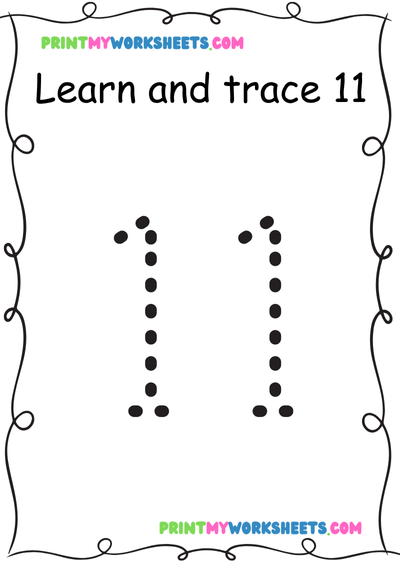
Pre Kindergarten Number Recognition 11-20 | Free Downloadable PDF
Pre Kindergarten Number Recognition 11-20
Early number learning lays the foundation for future math success, especially during the preschool years when children are developing core cognitive and motor skills. The Pre Kindergarten Number Recognition 11-20 worksheet set is created to help young learners become familiar with numbers beyond ten through gentle, engaging practice. Designed for U.S. parents, classroom teachers, and homeschool families, these printable worksheets support early math development in a clear and age-appropriate way.
At the pre-kindergarten level, children are beginning to move past counting from one to ten and are ready to explore larger numbers. Recognizing numbers from 11 to 20 can be challenging because these numbers do not always follow obvious visual patterns. This worksheet set provides structured exposure to help children identify, name, and connect these numbers to quantities. Through consistent practice, students gain confidence with number recognition, which supports readiness for kindergarten math expectations and everyday number use.
What Students Will Learn?
These worksheets are designed to help young learners recognize and understand numbers from 11 through 20 in multiple ways. Children practice identifying numerals visually while connecting them to spoken number names and simple quantities. Early activities may involve tracing numbers, circling correct numerals, or matching numbers to groups of objects.
As students work through the pages, they begin to build stronger number awareness by seeing how teen numbers are formed and used. Activities are intentionally simple and repetitive to support memory and familiarity. This repetition is important at the pre-kindergarten stage, where children learn best through consistent routines and clear expectations.
The worksheets support structured learning by using predictable layouts and easy-to-follow instructions. This helps young learners focus on the task without becoming overwhelmed. The activities are aligned with age-appropriate expectations, supporting early math skills such as counting, number identification, and visual discrimination. By practicing number recognition within this specific range, children develop a stronger understanding that prepares them for more advanced number work in kindergarten.
Educational Value & Skill Development
Early number recognition is closely connected to later success in math. Using the Pre Kindergarten Number Recognition 11-20 worksheets helps children strengthen their understanding of numerals while building confidence in their abilities. Recognizing numbers accurately supports counting, comparing quantities, and following classroom routines that involve numbers.
These worksheets also support cognitive development by encouraging attention, memory, and visual processing. When children trace numbers or match numerals to objects, they practice fine motor skills and hand-eye coordination. These foundational skills are important for writing and other classroom tasks.
Confidence and independence grow as children successfully complete activities on their own. Familiar formats and clear expectations help students feel comfortable engaging with the worksheets, which encourages a positive attitude toward math learning. Over time, children begin to recognize numbers automatically, reducing frustration and increasing engagement.
Skill progression is another important benefit. Mastery of numbers 11–20 builds on earlier learning from 1–10 and prepares children for counting beyond twenty, simple addition concepts, and number comparisons in kindergarten and first grade.
Why Focus on Pre Kindergarten Number Recognition 11-20?
Numbers from 11 to 20 are a key transition point in early math learning. Unlike smaller numbers, teen numbers require children to understand counting sequences and recognize patterns that are not always visually obvious. Focusing on this range helps children build a clearer understanding of how numbers grow and change.
Developing strong number recognition skills at this stage supports future learning in counting, place value, and basic operations. When children can quickly identify numbers, they are better prepared to focus on problem-solving rather than decoding numerals.
Repetition and guided practice are essential for young learners. Worksheets provide a consistent way to revisit numbers until recognition becomes automatic. These activities align with early learning standards used across the United States, which emphasize number identification, counting skills, and readiness for kindergarten math. By strengthening these skills early, children gain a solid foundation that supports long-term academic confidence.
How to Use These Worksheets
These printable math worksheets are flexible and easy to use in a variety of learning settings. In homeschool environments, they can be included as part of a daily math routine or used for short practice sessions that fit a child’s attention span. Parents can sit with their child, talk through the numbers, and celebrate progress together.
In classrooms, teachers may use the worksheets during small-group instruction, math centers, or independent work time. They are also helpful for reinforcing skills with students who need extra practice.
The Pre Kindergarten Number Recognition 11-20 worksheets are provided as a free printable PDF, making them easy to download and reuse. Pages can be printed multiple times or placed in sheet protectors for repeated practice using dry-erase markers. This reusability allows educators and families to adapt the worksheets to individual learning needs while maintaining consistent instruction.
Related Worksheets / Extensions:
Pre Kindergarten Number Recognition 11-20 | Free Downloadable PDF
Pre Kindergarten Number Recognition 11-20
Early number learning lays the foundation for future math success, especially during the preschool years when children are developing core cognitive and motor skills. The Pre Kindergarten Number Recognition 11-20 worksheet set is created to help young learners become familiar with numbers beyond ten through gentle, engaging practice. Designed for U.S. parents, classroom teachers, and homeschool families, these printable worksheets support early math development in a clear and age-appropriate way.
At the pre-kindergarten level, children are beginning to move past counting from one to ten and are ready to explore larger numbers. Recognizing numbers from 11 to 20 can be challenging because these numbers do not always follow obvious visual patterns. This worksheet set provides structured exposure to help children identify, name, and connect these numbers to quantities. Through consistent practice, students gain confidence with number recognition, which supports readiness for kindergarten math expectations and everyday number use.
What Students Will Learn?
These worksheets are designed to help young learners recognize and understand numbers from 11 through 20 in multiple ways. Children practice identifying numerals visually while connecting them to spoken number names and simple quantities. Early activities may involve tracing numbers, circling correct numerals, or matching numbers to groups of objects.
As students work through the pages, they begin to build stronger number awareness by seeing how teen numbers are formed and used. Activities are intentionally simple and repetitive to support memory and familiarity. This repetition is important at the pre-kindergarten stage, where children learn best through consistent routines and clear expectations.
The worksheets support structured learning by using predictable layouts and easy-to-follow instructions. This helps young learners focus on the task without becoming overwhelmed. The activities are aligned with age-appropriate expectations, supporting early math skills such as counting, number identification, and visual discrimination. By practicing number recognition within this specific range, children develop a stronger understanding that prepares them for more advanced number work in kindergarten.
Educational Value & Skill Development
Early number recognition is closely connected to later success in math. Using the Pre Kindergarten Number Recognition 11-20 worksheets helps children strengthen their understanding of numerals while building confidence in their abilities. Recognizing numbers accurately supports counting, comparing quantities, and following classroom routines that involve numbers.
These worksheets also support cognitive development by encouraging attention, memory, and visual processing. When children trace numbers or match numerals to objects, they practice fine motor skills and hand-eye coordination. These foundational skills are important for writing and other classroom tasks.
Confidence and independence grow as children successfully complete activities on their own. Familiar formats and clear expectations help students feel comfortable engaging with the worksheets, which encourages a positive attitude toward math learning. Over time, children begin to recognize numbers automatically, reducing frustration and increasing engagement.
Skill progression is another important benefit. Mastery of numbers 11–20 builds on earlier learning from 1–10 and prepares children for counting beyond twenty, simple addition concepts, and number comparisons in kindergarten and first grade.
Why Focus on Pre Kindergarten Number Recognition 11-20?
Numbers from 11 to 20 are a key transition point in early math learning. Unlike smaller numbers, teen numbers require children to understand counting sequences and recognize patterns that are not always visually obvious. Focusing on this range helps children build a clearer understanding of how numbers grow and change.
Developing strong number recognition skills at this stage supports future learning in counting, place value, and basic operations. When children can quickly identify numbers, they are better prepared to focus on problem-solving rather than decoding numerals.
Repetition and guided practice are essential for young learners. Worksheets provide a consistent way to revisit numbers until recognition becomes automatic. These activities align with early learning standards used across the United States, which emphasize number identification, counting skills, and readiness for kindergarten math. By strengthening these skills early, children gain a solid foundation that supports long-term academic confidence.
How to Use These Worksheets
These printable math worksheets are flexible and easy to use in a variety of learning settings. In homeschool environments, they can be included as part of a daily math routine or used for short practice sessions that fit a child’s attention span. Parents can sit with their child, talk through the numbers, and celebrate progress together.
In classrooms, teachers may use the worksheets during small-group instruction, math centers, or independent work time. They are also helpful for reinforcing skills with students who need extra practice.
The Pre Kindergarten Number Recognition 11-20 worksheets are provided as a free printable PDF, making them easy to download and reuse. Pages can be printed multiple times or placed in sheet protectors for repeated practice using dry-erase markers. This reusability allows educators and families to adapt the worksheets to individual learning needs while maintaining consistent instruction.
Related Worksheets / Extensions:

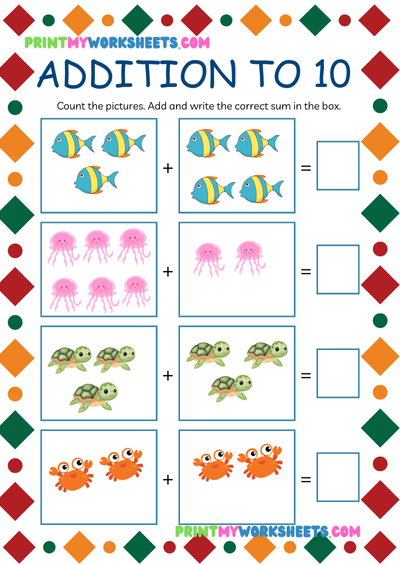
Pre Kindergarten Simple Addition Maths II – Easy Home Learning for Early Math Skills
Pre Kindergarten Simple Addition Maths II
The Pre Kindergarten Simple Addition Maths II worksheet is designed to help young learners build early math confidence through structured and engaging practice. Created for U.S. parents, preschool teachers, and homeschool families, this free printable PDF focuses on strengthening foundational addition skills in a developmentally appropriate way.
At the Pre-K level, children are just beginning to understand how numbers represent quantities. Simple addition activities help them see how two small groups can be combined to create a new total. Through clear visuals, counting exercises, and guided practice, this worksheet supports early number sense while keeping learning playful and accessible. Strong early math foundations are essential for kindergarten readiness, and consistent exposure to combining numbers helps children gain familiarity, confidence, and enthusiasm for learning.
What Students Will Learn?
This worksheet focuses on introducing and reinforcing the concept of combining small groups. Students practice counting objects in two separate sets and determining the total when those sets are joined together. Activities may include picture-based addition problems, matching number sentences to images, tracing totals, and circling correct answers.
Children develop one-to-one correspondence as they count each object carefully. They also begin recognizing common number combinations within 5 and within 10, depending on their readiness level. These early math experiences help children move from concrete counting to understanding simple number relationships.
The structure of the worksheet allows learners to progress step by step. Large illustrations and clearly spaced numbers reduce distractions and help children focus. By engaging in repeated practice with visual support, young learners begin to understand that addition represents “putting together” or “adding more,” which is a key early childhood math concept.
Educational Value & Skill Development
The Pre Kindergarten Simple Addition Maths II worksheet supports both academic growth and broader cognitive development. Early addition strengthens number sense, which is the foundation for all future math learning. When children combine groups and count totals, they begin to understand how numbers interact and change.
These activities encourage logical thinking and sequencing. Children learn to count one group, count another, and then count the total. This structured process builds attention to detail and problem-solving skills. Even simple math tasks require children to focus, follow steps, and check their work.
Fine motor development is also supported through tracing numbers, circling answers, and writing totals. Strengthening hand control and pencil grip prepares children for more advanced writing tasks in kindergarten.
Perhaps most importantly, early success in math builds confidence. When children consistently solve simple addition problems correctly, they begin to feel capable and motivated. Positive early math experiences reduce anxiety and create a strong foundation for future operations such as subtraction and basic word problems.
Why Focus on Simple Addition?
Simple addition is one of the earliest formal math concepts introduced in preschool. Understanding how two small quantities combine to form a new number is essential before children can move on to subtraction, larger sums, or story problems.
At the Pre-K level, repetition plays an important role. Children benefit from practicing similar problem types in multiple formats, such as counting animals, shapes, or everyday objects. This repetition strengthens memory and reinforces understanding.
Simple addition also connects to early learning standards used across the United States. Preschool math frameworks emphasize counting, understanding quantity, and recognizing number relationships. Combining groups is a natural extension of these early skills.
When children become comfortable with small sums, they enter kindergarten better prepared. A strong foundation in early addition supports smoother transitions into structured classroom instruction and sets the stage for long-term math success.
How to Use These Worksheets?
The Pre Kindergarten Simple Addition Maths II worksheet can be used flexibly in different learning settings. In preschool classrooms, teachers may include it in math centers, small-group instruction, or guided practice sessions. Working with a teacher allows children to use manipulatives like counters or small toys to physically combine groups before completing the worksheet.
Homeschool families can integrate the printable pages into a daily math routine. Parents may encourage children to count household items, snacks, or blocks alongside the printed problems to make learning hands-on and meaningful.
Because this resource is provided as a free printable PDF, it can be downloaded quickly and printed as often as needed. Pages may be reused for review, extra practice, or reinforcement before advancing to more challenging math tasks.
The simple and clear layout also supports independent work once children understand the directions. Whether used for practice, review, or introduction to addition, this worksheet provides consistent exposure to early math concepts.
Related Worksheets / Extensions:
You may also like:
[gallery ids="5343,5031,5003"] Pre Kindergarten Simple Addition Maths II – Easy Home Learning for Early Math Skills
Pre Kindergarten Simple Addition Maths II
The Pre Kindergarten Simple Addition Maths II worksheet is designed to help young learners build early math confidence through structured and engaging practice. Created for U.S. parents, preschool teachers, and homeschool families, this free printable PDF focuses on strengthening foundational addition skills in a developmentally appropriate way.
At the Pre-K level, children are just beginning to understand how numbers represent quantities. Simple addition activities help them see how two small groups can be combined to create a new total. Through clear visuals, counting exercises, and guided practice, this worksheet supports early number sense while keeping learning playful and accessible. Strong early math foundations are essential for kindergarten readiness, and consistent exposure to combining numbers helps children gain familiarity, confidence, and enthusiasm for learning.
What Students Will Learn?
This worksheet focuses on introducing and reinforcing the concept of combining small groups. Students practice counting objects in two separate sets and determining the total when those sets are joined together. Activities may include picture-based addition problems, matching number sentences to images, tracing totals, and circling correct answers.
Children develop one-to-one correspondence as they count each object carefully. They also begin recognizing common number combinations within 5 and within 10, depending on their readiness level. These early math experiences help children move from concrete counting to understanding simple number relationships.
The structure of the worksheet allows learners to progress step by step. Large illustrations and clearly spaced numbers reduce distractions and help children focus. By engaging in repeated practice with visual support, young learners begin to understand that addition represents “putting together” or “adding more,” which is a key early childhood math concept.
Educational Value & Skill Development
The Pre Kindergarten Simple Addition Maths II worksheet supports both academic growth and broader cognitive development. Early addition strengthens number sense, which is the foundation for all future math learning. When children combine groups and count totals, they begin to understand how numbers interact and change.
These activities encourage logical thinking and sequencing. Children learn to count one group, count another, and then count the total. This structured process builds attention to detail and problem-solving skills. Even simple math tasks require children to focus, follow steps, and check their work.
Fine motor development is also supported through tracing numbers, circling answers, and writing totals. Strengthening hand control and pencil grip prepares children for more advanced writing tasks in kindergarten.
Perhaps most importantly, early success in math builds confidence. When children consistently solve simple addition problems correctly, they begin to feel capable and motivated. Positive early math experiences reduce anxiety and create a strong foundation for future operations such as subtraction and basic word problems.
Why Focus on Simple Addition?
Simple addition is one of the earliest formal math concepts introduced in preschool. Understanding how two small quantities combine to form a new number is essential before children can move on to subtraction, larger sums, or story problems.
At the Pre-K level, repetition plays an important role. Children benefit from practicing similar problem types in multiple formats, such as counting animals, shapes, or everyday objects. This repetition strengthens memory and reinforces understanding.
Simple addition also connects to early learning standards used across the United States. Preschool math frameworks emphasize counting, understanding quantity, and recognizing number relationships. Combining groups is a natural extension of these early skills.
When children become comfortable with small sums, they enter kindergarten better prepared. A strong foundation in early addition supports smoother transitions into structured classroom instruction and sets the stage for long-term math success.
How to Use These Worksheets?
The Pre Kindergarten Simple Addition Maths II worksheet can be used flexibly in different learning settings. In preschool classrooms, teachers may include it in math centers, small-group instruction, or guided practice sessions. Working with a teacher allows children to use manipulatives like counters or small toys to physically combine groups before completing the worksheet.
Homeschool families can integrate the printable pages into a daily math routine. Parents may encourage children to count household items, snacks, or blocks alongside the printed problems to make learning hands-on and meaningful.
Because this resource is provided as a free printable PDF, it can be downloaded quickly and printed as often as needed. Pages may be reused for review, extra practice, or reinforcement before advancing to more challenging math tasks.
The simple and clear layout also supports independent work once children understand the directions. Whether used for practice, review, or introduction to addition, this worksheet provides consistent exposure to early math concepts.
Related Worksheets / Extensions:
You may also like:
[gallery ids="5343,5031,5003"]
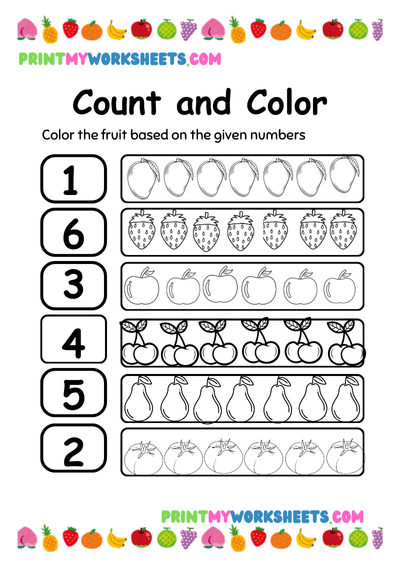
Pre-K Counting and Coloring Worksheets PDF | Free Math Downloadable
Pre-K Counting and Coloring Worksheets PDF
The Pre-K Counting and Coloring Worksheets PDF is designed to introduce young learners to early math concepts through engaging and creative activities. These free printable worksheets help preschool students practice counting while also developing fine motor skills through coloring tasks. This resource is ideal for U.S. parents, preschool teachers, and homeschool families who want to support early learning in a fun and structured way.
At the Pre-K level, children are just beginning to explore numbers and understand how counting works. Combining counting with coloring makes learning interactive and enjoyable for young learners. These activities encourage students to recognize numbers, count objects carefully, and apply their understanding through simple visual tasks.
The Pre-K Counting and Coloring Worksheets PDF provides a balanced learning approach that supports both math development and creative expression. Children count objects in pictures and then color them according to the instructions. This combination of activities strengthens early math skills while keeping students engaged in a playful and meaningful learning experience.
What Students Will Learn?
Counting and coloring worksheets introduce preschool learners to basic number concepts in an interactive and visually engaging format. These activities help children develop early math skills while also encouraging creativity and concentration.
Students practice counting groups of objects such as animals, shapes, fruits, or everyday items. By carefully observing each image and counting the objects shown, children begin to understand how numbers represent quantities.
Many worksheets ask students to color a specific number of objects within a picture. For example, they may be instructed to count five stars and color them or count three apples and shade them in. These exercises help reinforce the relationship between numbers and quantities.
In addition to counting practice, coloring activities support fine motor development. Children learn to hold crayons or markers correctly and control their movements while coloring within the lines.
These worksheets also promote visual recognition skills. Students must identify and locate the objects they are asked to count and color, strengthening observation abilities.
Through repeated practice, young learners become more comfortable with numbers while enjoying creative and hands-on activities.
Educational Value & Skill Development
The Pre-K Counting and Coloring Worksheets PDF supports several key developmental areas that are important for early childhood learning.
One of the primary benefits is early number recognition. When children repeatedly count objects and connect numbers with quantities, they begin to understand how numbers represent groups of items.
These worksheets also strengthen counting skills. Students practice counting objects one by one, helping them learn correct counting sequences and develop a clear understanding of numbers.
Another important benefit is fine motor development. Coloring requires children to hold writing tools and control their movements carefully. These actions strengthen hand muscles that will later be used for writing letters and numbers.
The Pre-K Counting and Coloring Worksheets PDF also supports cognitive development. Children must observe images carefully, count the correct number of objects, and follow simple instructions. This process encourages concentration and attention to detail.
Creative coloring activities also allow children to express themselves while learning. Choosing colors and completing pictures helps build confidence and encourages engagement with the activity.
Together, these skills form an important foundation for future math learning and academic success.
Why Focus on Counting and Coloring?
Counting is one of the most important foundational math skills that preschool students learn. Understanding numbers and quantities prepares children for more advanced mathematical concepts such as addition, subtraction, and number patterns.
Combining counting with coloring creates an engaging learning experience for young children. Instead of simply memorizing numbers, students interact with objects visually and physically, which helps reinforce their understanding.
Coloring activities also help maintain student interest. Young learners naturally enjoy artistic activities, so integrating coloring into math practice makes the learning process more enjoyable.
These activities also encourage careful observation. Students must look closely at pictures, identify objects, and count them accurately before coloring them.
Counting and coloring worksheets also support early instruction standards used in preschool classrooms across the United States. These standards emphasize number recognition, counting practice, and fine motor skill development.
Providing repeated opportunities to count objects and complete coloring activities helps students gain confidence and develop a positive attitude toward learning.
How to Use These Worksheets?
The Pre-K Counting and Coloring Worksheets PDF can be used in a variety of educational environments, including preschool classrooms, homeschool settings, and early learning centers.
Teachers often use these worksheets as part of early math learning stations or activity centers. Students can work independently or in small groups to count and color the objects shown on each page.
Educators may guide students through the activity by asking questions such as “How many objects do you see?” or “Which ones should we color?” These discussions help reinforce counting skills.
Parents who homeschool can use the worksheets during daily learning routines. Children can practice counting aloud while coloring the objects they identify.
Because the worksheets are available as a free printable PDF, they are easy to download and print whenever needed. Teachers and parents can use them for classroom practice, homework activities, or additional learning at home.
The worksheets are also suitable for quiet learning time. Coloring activities allow children to focus calmly while practicing early math skills in a relaxed environment.
Related Worksheets / Extensions:
Pre-K Counting and Coloring Worksheets PDF | Free Math Downloadable
Pre-K Counting and Coloring Worksheets PDF
The Pre-K Counting and Coloring Worksheets PDF is designed to introduce young learners to early math concepts through engaging and creative activities. These free printable worksheets help preschool students practice counting while also developing fine motor skills through coloring tasks. This resource is ideal for U.S. parents, preschool teachers, and homeschool families who want to support early learning in a fun and structured way.
At the Pre-K level, children are just beginning to explore numbers and understand how counting works. Combining counting with coloring makes learning interactive and enjoyable for young learners. These activities encourage students to recognize numbers, count objects carefully, and apply their understanding through simple visual tasks.
The Pre-K Counting and Coloring Worksheets PDF provides a balanced learning approach that supports both math development and creative expression. Children count objects in pictures and then color them according to the instructions. This combination of activities strengthens early math skills while keeping students engaged in a playful and meaningful learning experience.
What Students Will Learn?
Counting and coloring worksheets introduce preschool learners to basic number concepts in an interactive and visually engaging format. These activities help children develop early math skills while also encouraging creativity and concentration.
Students practice counting groups of objects such as animals, shapes, fruits, or everyday items. By carefully observing each image and counting the objects shown, children begin to understand how numbers represent quantities.
Many worksheets ask students to color a specific number of objects within a picture. For example, they may be instructed to count five stars and color them or count three apples and shade them in. These exercises help reinforce the relationship between numbers and quantities.
In addition to counting practice, coloring activities support fine motor development. Children learn to hold crayons or markers correctly and control their movements while coloring within the lines.
These worksheets also promote visual recognition skills. Students must identify and locate the objects they are asked to count and color, strengthening observation abilities.
Through repeated practice, young learners become more comfortable with numbers while enjoying creative and hands-on activities.
Educational Value & Skill Development
The Pre-K Counting and Coloring Worksheets PDF supports several key developmental areas that are important for early childhood learning.
One of the primary benefits is early number recognition. When children repeatedly count objects and connect numbers with quantities, they begin to understand how numbers represent groups of items.
These worksheets also strengthen counting skills. Students practice counting objects one by one, helping them learn correct counting sequences and develop a clear understanding of numbers.
Another important benefit is fine motor development. Coloring requires children to hold writing tools and control their movements carefully. These actions strengthen hand muscles that will later be used for writing letters and numbers.
The Pre-K Counting and Coloring Worksheets PDF also supports cognitive development. Children must observe images carefully, count the correct number of objects, and follow simple instructions. This process encourages concentration and attention to detail.
Creative coloring activities also allow children to express themselves while learning. Choosing colors and completing pictures helps build confidence and encourages engagement with the activity.
Together, these skills form an important foundation for future math learning and academic success.
Why Focus on Counting and Coloring?
Counting is one of the most important foundational math skills that preschool students learn. Understanding numbers and quantities prepares children for more advanced mathematical concepts such as addition, subtraction, and number patterns.
Combining counting with coloring creates an engaging learning experience for young children. Instead of simply memorizing numbers, students interact with objects visually and physically, which helps reinforce their understanding.
Coloring activities also help maintain student interest. Young learners naturally enjoy artistic activities, so integrating coloring into math practice makes the learning process more enjoyable.
These activities also encourage careful observation. Students must look closely at pictures, identify objects, and count them accurately before coloring them.
Counting and coloring worksheets also support early instruction standards used in preschool classrooms across the United States. These standards emphasize number recognition, counting practice, and fine motor skill development.
Providing repeated opportunities to count objects and complete coloring activities helps students gain confidence and develop a positive attitude toward learning.
How to Use These Worksheets?
The Pre-K Counting and Coloring Worksheets PDF can be used in a variety of educational environments, including preschool classrooms, homeschool settings, and early learning centers.
Teachers often use these worksheets as part of early math learning stations or activity centers. Students can work independently or in small groups to count and color the objects shown on each page.
Educators may guide students through the activity by asking questions such as “How many objects do you see?” or “Which ones should we color?” These discussions help reinforce counting skills.
Parents who homeschool can use the worksheets during daily learning routines. Children can practice counting aloud while coloring the objects they identify.
Because the worksheets are available as a free printable PDF, they are easy to download and print whenever needed. Teachers and parents can use them for classroom practice, homework activities, or additional learning at home.
The worksheets are also suitable for quiet learning time. Coloring activities allow children to focus calmly while practicing early math skills in a relaxed environment.
Related Worksheets / Extensions:


Pre-K Fine Motor Skills Worksheets PDF – No Prep Preschool Centers Pack
Pre-K Fine Motor Skills Worksheets PDF
Early childhood is a critical time for developing the small muscle movements that children will rely on throughout their school years. The Pre-K Fine Motor Skills Worksheets PDF is thoughtfully designed to support young learners as they build strength, coordination, and control in their hands and fingers. Created for U.S. parents, preschool teachers, and homeschool families, this printable resource provides structured, age-appropriate activities that fit easily into daily learning routines.
In Pre-K, fine motor development lays the foundation for writing, cutting, drawing, and many self-care tasks. These worksheets help children practice essential movements through engaging, hands-on activities that feel more like play than work. With clear visuals and simple instructions, the worksheets encourage independence while still allowing opportunities for guided practice. Whether used at home or in the classroom, this free printable PDF supports early learning goals while helping children gain confidence and readiness for kindergarten.
What Students Will Learn?
These worksheets are designed to help Pre-K learners strengthen fine motor control through a variety of engaging tasks. Children practice controlled hand movements by tracing lines, shapes, and patterns, which helps improve pencil grip and hand stability. Activities may include connecting dots, following paths, circling objects, and simple drawing exercises that promote precision and coordination.
Through repeated practice, students learn how to move their hands with purpose and accuracy. These activities also support visual-motor integration, helping children coordinate what they see with how they move their hands. This skill is essential for early writing and drawing.
The worksheets support structured learning by offering predictable layouts and consistent activity styles. This structure helps young learners understand expectations and feel comfortable completing tasks independently. All activities are aligned with age-appropriate Pre-K expectations, focusing on development rather than academic pressure. By practicing these skills regularly, children build a strong foundation for future classroom tasks such as letter formation, number writing, and art projects.
Educational Value & Skill Development
Fine motor activities play a vital role in early childhood development, and the Pre-K Fine Motor Skills Worksheets PDF provides meaningful practice across multiple developmental areas. Academically, these worksheets prepare children for writing and math tasks by strengthening the muscles needed to hold and control pencils, crayons, and scissors.
Cognitive development is also supported. Following lines, patterns, and instructions encourages focus, problem-solving, and attention to detail. Children learn to complete tasks step by step, which builds early executive functioning skills such as persistence and self-regulation.
Confidence and independence grow as children successfully complete activities on their own. Each finished worksheet provides a sense of accomplishment, motivating learners to continue practicing. Over time, students develop greater control and accuracy in their movements, allowing them to approach more complex tasks with confidence.
Skill progression is gentle and intentional. Activities can be repeated as needed, allowing children to improve at their own pace. This gradual development supports readiness for kindergarten and helps ensure that children enter the next stage of learning with strong foundational skills.
Why Focus on Fine Motor Skills?
Fine motor skills are essential for nearly every classroom activity children will encounter as they grow. In Pre-K, these skills are especially important because they support writing readiness, cutting, coloring, and manipulating small objects. Without adequate fine motor control, children may struggle with tasks that require precision and coordination.
Focusing on fine motor development helps children build the strength and endurance needed for longer academic tasks in later grades. Simple activities like tracing and drawing help prepare students for forming letters and numbers correctly. These skills also support independence in daily routines, such as buttoning clothes or using utensils.
Repetition and guided practice are key at this stage. Fine motor worksheets provide structured opportunities for children to practice movements consistently without feeling overwhelmed. These activities align with U.S. early learning standards, which emphasize physical development and motor skills as part of school readiness. By focusing on fine motor skills early, children are better prepared for academic success and everyday tasks.
How to Use These Worksheets?
These fine motor worksheets are flexible and easy to use in a variety of learning environments. In homeschool settings, parents can incorporate them into daily routines as short practice sessions or quiet-time activities. Sitting with children and offering gentle guidance can help reinforce correct hand positioning and movement.
In Pre-K classrooms, teachers can use the worksheets during centers, small-group instruction, or independent work time. They also work well as morning activities or transitions between lessons. The worksheets can be paired with hands-on tools such as crayons, pencils, or markers to add variety.
The Pre-K Fine Motor Skills Worksheets PDF is available as a free printable PDF, making it simple to download, print, and reuse throughout the year. Pages can be printed multiple times for continued practice or used selectively based on individual student needs, supporting both remediation and reinforcement.
Related Worksheets / Extensions:
To extend learning, you may also explore tracing worksheets for letters and numbers, cutting practice activities, or shape drawing pages. These resources build on fine motor development while introducing early academic concepts. Play-based activities such as playdough shaping or bead threading can also complement worksheet practice.
The Pre-K Fine Motor Skills Worksheets PDF pairs well with preschool handwriting readiness or kindergarten pre-writing worksheets. Using a variety of fine motor resources helps children strengthen skills across different contexts, supporting long-term development and a smooth transition into more structured academic learning.
You may also like:
[gallery ids="6391,6392,6359"] Pre-K Fine Motor Skills Worksheets PDF – No Prep Preschool Centers Pack
Pre-K Fine Motor Skills Worksheets PDF
Early childhood is a critical time for developing the small muscle movements that children will rely on throughout their school years. The Pre-K Fine Motor Skills Worksheets PDF is thoughtfully designed to support young learners as they build strength, coordination, and control in their hands and fingers. Created for U.S. parents, preschool teachers, and homeschool families, this printable resource provides structured, age-appropriate activities that fit easily into daily learning routines.
In Pre-K, fine motor development lays the foundation for writing, cutting, drawing, and many self-care tasks. These worksheets help children practice essential movements through engaging, hands-on activities that feel more like play than work. With clear visuals and simple instructions, the worksheets encourage independence while still allowing opportunities for guided practice. Whether used at home or in the classroom, this free printable PDF supports early learning goals while helping children gain confidence and readiness for kindergarten.
What Students Will Learn?
These worksheets are designed to help Pre-K learners strengthen fine motor control through a variety of engaging tasks. Children practice controlled hand movements by tracing lines, shapes, and patterns, which helps improve pencil grip and hand stability. Activities may include connecting dots, following paths, circling objects, and simple drawing exercises that promote precision and coordination.
Through repeated practice, students learn how to move their hands with purpose and accuracy. These activities also support visual-motor integration, helping children coordinate what they see with how they move their hands. This skill is essential for early writing and drawing.
The worksheets support structured learning by offering predictable layouts and consistent activity styles. This structure helps young learners understand expectations and feel comfortable completing tasks independently. All activities are aligned with age-appropriate Pre-K expectations, focusing on development rather than academic pressure. By practicing these skills regularly, children build a strong foundation for future classroom tasks such as letter formation, number writing, and art projects.
Educational Value & Skill Development
Fine motor activities play a vital role in early childhood development, and the Pre-K Fine Motor Skills Worksheets PDF provides meaningful practice across multiple developmental areas. Academically, these worksheets prepare children for writing and math tasks by strengthening the muscles needed to hold and control pencils, crayons, and scissors.
Cognitive development is also supported. Following lines, patterns, and instructions encourages focus, problem-solving, and attention to detail. Children learn to complete tasks step by step, which builds early executive functioning skills such as persistence and self-regulation.
Confidence and independence grow as children successfully complete activities on their own. Each finished worksheet provides a sense of accomplishment, motivating learners to continue practicing. Over time, students develop greater control and accuracy in their movements, allowing them to approach more complex tasks with confidence.
Skill progression is gentle and intentional. Activities can be repeated as needed, allowing children to improve at their own pace. This gradual development supports readiness for kindergarten and helps ensure that children enter the next stage of learning with strong foundational skills.
Why Focus on Fine Motor Skills?
Fine motor skills are essential for nearly every classroom activity children will encounter as they grow. In Pre-K, these skills are especially important because they support writing readiness, cutting, coloring, and manipulating small objects. Without adequate fine motor control, children may struggle with tasks that require precision and coordination.
Focusing on fine motor development helps children build the strength and endurance needed for longer academic tasks in later grades. Simple activities like tracing and drawing help prepare students for forming letters and numbers correctly. These skills also support independence in daily routines, such as buttoning clothes or using utensils.
Repetition and guided practice are key at this stage. Fine motor worksheets provide structured opportunities for children to practice movements consistently without feeling overwhelmed. These activities align with U.S. early learning standards, which emphasize physical development and motor skills as part of school readiness. By focusing on fine motor skills early, children are better prepared for academic success and everyday tasks.
How to Use These Worksheets?
These fine motor worksheets are flexible and easy to use in a variety of learning environments. In homeschool settings, parents can incorporate them into daily routines as short practice sessions or quiet-time activities. Sitting with children and offering gentle guidance can help reinforce correct hand positioning and movement.
In Pre-K classrooms, teachers can use the worksheets during centers, small-group instruction, or independent work time. They also work well as morning activities or transitions between lessons. The worksheets can be paired with hands-on tools such as crayons, pencils, or markers to add variety.
The Pre-K Fine Motor Skills Worksheets PDF is available as a free printable PDF, making it simple to download, print, and reuse throughout the year. Pages can be printed multiple times for continued practice or used selectively based on individual student needs, supporting both remediation and reinforcement.
Related Worksheets / Extensions:
To extend learning, you may also explore tracing worksheets for letters and numbers, cutting practice activities, or shape drawing pages. These resources build on fine motor development while introducing early academic concepts. Play-based activities such as playdough shaping or bead threading can also complement worksheet practice.
The Pre-K Fine Motor Skills Worksheets PDF pairs well with preschool handwriting readiness or kindergarten pre-writing worksheets. Using a variety of fine motor resources helps children strengthen skills across different contexts, supporting long-term development and a smooth transition into more structured academic learning.
You may also like:
[gallery ids="6391,6392,6359"]
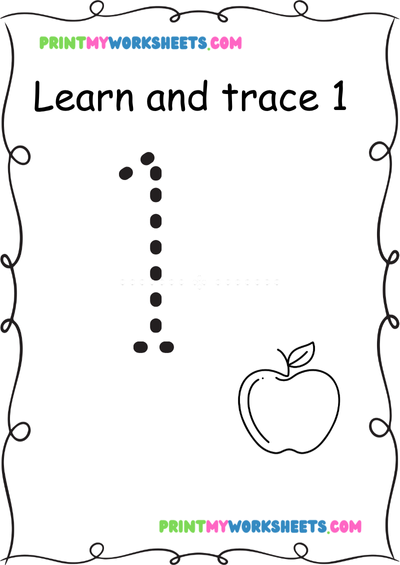
Pre-K Number Tracing Worksheets PDF | Free Math Downloadable
Pre-K Number Tracing Worksheets PDF | Free Math Downloadable
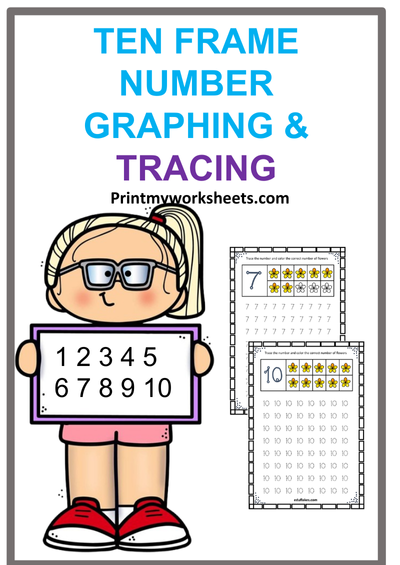
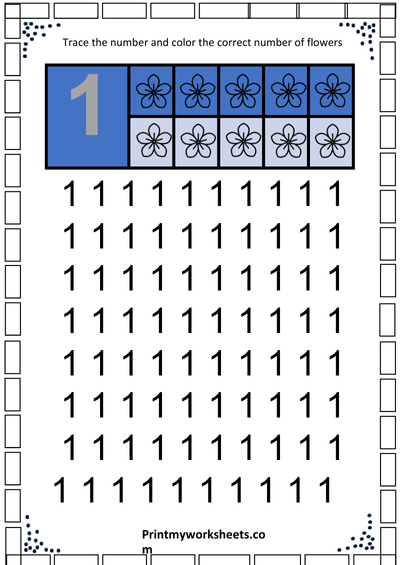
Pre-K Numbers 1–10 Tracing Worksheets PDF | Free Math Downloadable
Pre-K Numbers 1–10 Tracing Worksheets PDF
Early math skills begin with recognizing and writing numbers, and structured practice plays an important role in this process. The Pre-K Numbers 1–10 Tracing Worksheets PDF is designed to help preschool learners develop number recognition and writing skills through simple and engaging tracing activities. These printable worksheets are ideal for U.S. parents, teachers, and homeschool families looking to support early math development in a clear and hands-on way.
In Pre-K, children are introduced to numbers 1 through 10 as part of foundational math learning. Learning to trace numbers helps young learners understand number shapes, develop fine motor skills, and build confidence in early writing tasks. Repetition and guided practice are essential at this stage to help children remember and recognize each number.
The Pre-K Numbers 1–10 Tracing Worksheets PDF provides structured activities that guide students through tracing and identifying numbers. With consistent practice, children gain confidence in writing numbers while building the skills needed for counting and basic math concepts.
What Students Will Learn?
Numbers 1–10 tracing worksheets help preschool students develop early math and writing skills through guided practice. These activities are designed to match the developmental needs of young learners.
Students begin by recognizing numbers from 1 to 10. Each worksheet focuses on a specific number, allowing children to become familiar with its shape and appearance.
Tracing activities guide students to follow dotted lines that form each number. This helps children understand how numbers are written while developing proper writing habits.
Many worksheets include counting elements such as objects or pictures that match the number being traced. For example, students may trace the number “3” and then count three apples or stars.
Students also practice identifying numbers by matching them with groups of objects. This reinforces number recognition and builds a connection between numbers and quantities.
Some activities include coloring or circling numbers, which adds variety and keeps students engaged.
Through these exercises, preschool learners develop number recognition, counting skills, and early writing abilities that are essential for future math learning.
Educational Value & Skill Development
The Pre-K Numbers 1–10 Tracing Worksheets PDF supports several key developmental areas for preschool students.
One of the most important benefits is improving number recognition. Repeated exposure to numbers helps children quickly identify and remember each number from 1 to 10.
The Pre-K Numbers 1–10 Tracing Worksheets PDF also strengthens fine motor skills. Tracing numbers requires controlled hand movements, which helps develop the muscles needed for writing.
These worksheets also support early counting skills. By connecting numbers with objects, students learn that numbers represent quantities.
Another important benefit is building writing readiness. Practicing number formation prepares children for writing both numbers and letters in future lessons.
Tracing activities also improve focus and attention. Completing each worksheet requires concentration, helping students develop patience and task completion skills.
Additionally, these worksheets build confidence. As children successfully trace and recognize numbers, they feel more comfortable with math concepts and independent learning.
By combining tracing, counting, and recognition activities, these worksheets provide a strong foundation for early math development.
Why Focus on Numbers 1–10 Tracing?
Learning numbers 1 through 10 is one of the first steps in early math education. These numbers form the foundation for counting, addition, and other math skills introduced in later grades.
Tracing numbers helps children understand how numbers are formed. This visual and physical practice makes it easier for students to remember number shapes.
In preschool classrooms across the United States, tracing activities are commonly used to introduce writing skills. These activities provide guided support that helps children learn correct number formation.
Repetition is essential at this stage. Regular tracing practice allows students to become more comfortable with numbers and improves their ability to write them independently.
Numbers 1–10 are also important for everyday learning. Children use these numbers to count objects, understand quantities, and solve simple problems.
Tracing activities also support coordination and motor development. As children trace numbers, they improve hand control and prepare for more advanced writing tasks.
Focusing on number tracing helps students build confidence while developing the foundational skills needed for future math success.
How to Use These Worksheets?
The Pre-K Numbers 1–10 Tracing Worksheets PDF can be used in various learning environments, including preschool classrooms, homeschool settings, and early learning centers.
Teachers often include tracing worksheets as part of daily math routines. Students can practice one number at a time, gradually building familiarity with all numbers from 1 to 10.
In classroom settings, teachers may demonstrate how to trace each number before students begin working independently. This guidance helps ensure proper number formation.
Parents who homeschool can incorporate these worksheets into daily learning sessions. Children can trace numbers while counting objects or identifying numbers in their surroundings.
Because the worksheets are available as a free printable PDF, they can be easily downloaded and printed for repeated use. Teachers and parents can revisit the worksheets for additional practice and review.
These worksheets are also suitable for small group instruction. Students can practice together while receiving support and encouragement.
The printable format allows flexibility, making it easy to adapt the worksheets to different learning needs and schedules.
Related Worksheets / Extensions:
You may also like:
• Preschool counting worksheets
• Number recognition worksheets for early learners
• Pre-K math worksheets for basic number skills
• Shape and counting worksheets for preschool students
• Early addition worksheets for kindergarten readiness
The Pre-K Numbers 1–10 Tracing Worksheets PDF works well alongside other early math resources that focus on counting, number recognition, and simple problem-solving. Combining these activities helps children develop a well-rounded understanding of numbers.
Teachers and parents can extend learning by encouraging children to count everyday objects such as toys, fruits, or steps. These real-life connections reinforce number understanding and make learning more meaningful.
With consistent practice, preschool learners build confidence in recognizing and writing numbers, preparing them for more advanced math skills in kindergarten and beyond.
You may also like :
[gallery ids="5911,6280,6308"] Pre-K Numbers 1–10 Tracing Worksheets PDF | Free Math Downloadable
Pre-K Numbers 1–10 Tracing Worksheets PDF
Early math skills begin with recognizing and writing numbers, and structured practice plays an important role in this process. The Pre-K Numbers 1–10 Tracing Worksheets PDF is designed to help preschool learners develop number recognition and writing skills through simple and engaging tracing activities. These printable worksheets are ideal for U.S. parents, teachers, and homeschool families looking to support early math development in a clear and hands-on way.
In Pre-K, children are introduced to numbers 1 through 10 as part of foundational math learning. Learning to trace numbers helps young learners understand number shapes, develop fine motor skills, and build confidence in early writing tasks. Repetition and guided practice are essential at this stage to help children remember and recognize each number.
The Pre-K Numbers 1–10 Tracing Worksheets PDF provides structured activities that guide students through tracing and identifying numbers. With consistent practice, children gain confidence in writing numbers while building the skills needed for counting and basic math concepts.
What Students Will Learn?
Numbers 1–10 tracing worksheets help preschool students develop early math and writing skills through guided practice. These activities are designed to match the developmental needs of young learners.
Students begin by recognizing numbers from 1 to 10. Each worksheet focuses on a specific number, allowing children to become familiar with its shape and appearance.
Tracing activities guide students to follow dotted lines that form each number. This helps children understand how numbers are written while developing proper writing habits.
Many worksheets include counting elements such as objects or pictures that match the number being traced. For example, students may trace the number “3” and then count three apples or stars.
Students also practice identifying numbers by matching them with groups of objects. This reinforces number recognition and builds a connection between numbers and quantities.
Some activities include coloring or circling numbers, which adds variety and keeps students engaged.
Through these exercises, preschool learners develop number recognition, counting skills, and early writing abilities that are essential for future math learning.
Educational Value & Skill Development
The Pre-K Numbers 1–10 Tracing Worksheets PDF supports several key developmental areas for preschool students.
One of the most important benefits is improving number recognition. Repeated exposure to numbers helps children quickly identify and remember each number from 1 to 10.
The Pre-K Numbers 1–10 Tracing Worksheets PDF also strengthens fine motor skills. Tracing numbers requires controlled hand movements, which helps develop the muscles needed for writing.
These worksheets also support early counting skills. By connecting numbers with objects, students learn that numbers represent quantities.
Another important benefit is building writing readiness. Practicing number formation prepares children for writing both numbers and letters in future lessons.
Tracing activities also improve focus and attention. Completing each worksheet requires concentration, helping students develop patience and task completion skills.
Additionally, these worksheets build confidence. As children successfully trace and recognize numbers, they feel more comfortable with math concepts and independent learning.
By combining tracing, counting, and recognition activities, these worksheets provide a strong foundation for early math development.
Why Focus on Numbers 1–10 Tracing?
Learning numbers 1 through 10 is one of the first steps in early math education. These numbers form the foundation for counting, addition, and other math skills introduced in later grades.
Tracing numbers helps children understand how numbers are formed. This visual and physical practice makes it easier for students to remember number shapes.
In preschool classrooms across the United States, tracing activities are commonly used to introduce writing skills. These activities provide guided support that helps children learn correct number formation.
Repetition is essential at this stage. Regular tracing practice allows students to become more comfortable with numbers and improves their ability to write them independently.
Numbers 1–10 are also important for everyday learning. Children use these numbers to count objects, understand quantities, and solve simple problems.
Tracing activities also support coordination and motor development. As children trace numbers, they improve hand control and prepare for more advanced writing tasks.
Focusing on number tracing helps students build confidence while developing the foundational skills needed for future math success.
How to Use These Worksheets?
The Pre-K Numbers 1–10 Tracing Worksheets PDF can be used in various learning environments, including preschool classrooms, homeschool settings, and early learning centers.
Teachers often include tracing worksheets as part of daily math routines. Students can practice one number at a time, gradually building familiarity with all numbers from 1 to 10.
In classroom settings, teachers may demonstrate how to trace each number before students begin working independently. This guidance helps ensure proper number formation.
Parents who homeschool can incorporate these worksheets into daily learning sessions. Children can trace numbers while counting objects or identifying numbers in their surroundings.
Because the worksheets are available as a free printable PDF, they can be easily downloaded and printed for repeated use. Teachers and parents can revisit the worksheets for additional practice and review.
These worksheets are also suitable for small group instruction. Students can practice together while receiving support and encouragement.
The printable format allows flexibility, making it easy to adapt the worksheets to different learning needs and schedules.
Related Worksheets / Extensions:
You may also like:
• Preschool counting worksheets
• Number recognition worksheets for early learners
• Pre-K math worksheets for basic number skills
• Shape and counting worksheets for preschool students
• Early addition worksheets for kindergarten readiness
The Pre-K Numbers 1–10 Tracing Worksheets PDF works well alongside other early math resources that focus on counting, number recognition, and simple problem-solving. Combining these activities helps children develop a well-rounded understanding of numbers.
Teachers and parents can extend learning by encouraging children to count everyday objects such as toys, fruits, or steps. These real-life connections reinforce number understanding and make learning more meaningful.
With consistent practice, preschool learners build confidence in recognizing and writing numbers, preparing them for more advanced math skills in kindergarten and beyond.
You may also like :
[gallery ids="5911,6280,6308"]
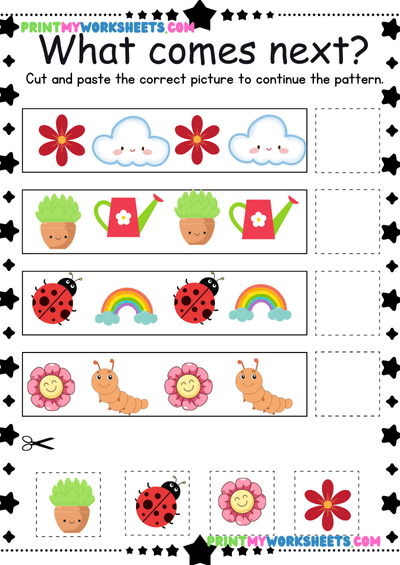
Pre-K Pattern Worksheets PDF | Free Math Downloadable
Pre-K Pattern Worksheets PDF
The Pre-K Pattern Worksheets PDF is a helpful early learning resource designed to introduce young children to the concept of patterns in a fun and structured way. These free printable worksheets are ideal for U.S. parents, preschool teachers, and homeschool families who want to support early math and cognitive development through engaging activities.
Recognizing patterns is one of the foundational skills children develop before learning more advanced math concepts. At the Pre-K level, students begin identifying simple repeating sequences using colors, shapes, pictures, and objects. These early experiences help children understand how patterns work in everyday learning.
The Pre-K Pattern Worksheets PDF provides structured practice that allows children to explore patterns through clear and age-appropriate activities. Students practice identifying repeating sequences, completing missing elements, and recognizing patterns in visual forms. These exercises encourage observation, logical thinking, and early problem-solving skills.
With consistent practice, young learners begin to recognize patterns quickly and confidently, preparing them for future math concepts such as counting, sequencing, and early algebraic thinking.
What Students Will Learn?
Pattern worksheets help Pre-K students understand how sequences repeat and how objects can follow a predictable order. Learning to recognize patterns is an important early math skill that supports logical thinking and observation.
Students begin by identifying simple repeating patterns such as AB, AAB, or ABC patterns using shapes, colors, and pictures. These basic patterns allow children to see how objects repeat in a sequence.
Many activities ask students to complete unfinished patterns by identifying what comes next. This encourages children to carefully observe the sequence and determine the correct continuation.
Other exercises may include matching patterns, circling repeating groups, or coloring objects to complete a pattern. These activities strengthen visual recognition and attention to detail.
The worksheets are designed with simple instructions and clear illustrations that support independent practice. Young learners can easily follow the patterns and understand what they need to do to complete each activity.
Through repeated practice with engaging visuals, children develop a stronger understanding of sequencing and logical order. These early pattern-recognition activities support foundational math skills that children will build upon throughout elementary school.
Educational Value & Skill Development
The Pre-K Pattern Worksheets PDF supports several areas of early childhood development, particularly in the areas of mathematics, cognitive skills, and visual recognition.
One of the main benefits is strengthening logical thinking. When children recognize patterns, they learn to identify relationships between objects and predict what will come next in a sequence.
Pattern recognition also supports early problem-solving skills. Students must carefully analyze a sequence and determine which object completes the pattern correctly. This process encourages critical thinking and reasoning.
Another important benefit is visual discrimination. Children practice noticing differences in shapes, colors, and images, which helps improve attention to detail.
The Pre-K Pattern Worksheets PDF also supports early math readiness. Patterns are closely connected to later math concepts such as counting, number patterns, and early algebra. By learning to recognize sequences early, students develop a foundation for future mathematical learning.
In addition to academic benefits, these activities help build confidence in young learners. Completing patterns successfully encourages children to continue exploring and learning through hands-on practice.
Over time, repeated exposure to patterns helps students become more comfortable recognizing sequences in both classroom activities and everyday situations.
Why Focus on Pattern Recognition?
Pattern recognition is a fundamental skill in early childhood education because it helps children understand how sequences and relationships work. Recognizing patterns allows students to identify order, predict outcomes, and organize information logically.
For preschool learners, patterns often appear through simple visual sequences such as alternating colors, repeating shapes, or picture patterns. These early activities make learning interactive and engaging.
Developing pattern recognition also supports early mathematical thinking. Understanding how patterns repeat prepares children for more advanced topics such as number sequences, multiplication patterns, and algebraic reasoning in later grades.
Patterns also appear frequently in everyday life. Children may notice patterns in music, clothing designs, nature, and daily routines. Recognizing these patterns helps them connect classroom learning with real-world observations.
Repetition and guided practice are important when teaching pattern recognition. When students repeatedly identify and complete patterns, they become more confident in recognizing sequences independently.
Early exposure to pattern activities aligns with preschool learning standards in the United States. These skills help prepare children for kindergarten math and problem-solving tasks.
How to Use These Worksheets?
The Pre-K Pattern Worksheets PDF can be used in a variety of learning environments, including preschool classrooms, homeschool settings, and small-group learning activities.
Teachers often include pattern worksheets as part of early math centers or hands-on learning stations. Students can complete pattern activities independently or work together in small groups to identify repeating sequences.
Teachers may guide students through the first few exercises by discussing what they observe in the pattern. Asking questions such as “What comes next?” or “What repeats?” helps children think about the sequence more carefully.
Parents who homeschool can include these worksheets as part of daily preschool activities. Children may practice identifying patterns through coloring, circling, or drawing objects that complete a sequence.
Because the worksheets are available as a free printable PDF, they are easy to download and print whenever needed. Families and educators can reuse the worksheets for additional practice sessions or review activities.
The clear layout and simple instructions also make the worksheets suitable for independent practice. Young learners can work through the activities at their own pace while strengthening early math skills.
Related Worksheets / Extensions:
Pre-K Pattern Worksheets PDF | Free Math Downloadable
Pre-K Pattern Worksheets PDF
The Pre-K Pattern Worksheets PDF is a helpful early learning resource designed to introduce young children to the concept of patterns in a fun and structured way. These free printable worksheets are ideal for U.S. parents, preschool teachers, and homeschool families who want to support early math and cognitive development through engaging activities.
Recognizing patterns is one of the foundational skills children develop before learning more advanced math concepts. At the Pre-K level, students begin identifying simple repeating sequences using colors, shapes, pictures, and objects. These early experiences help children understand how patterns work in everyday learning.
The Pre-K Pattern Worksheets PDF provides structured practice that allows children to explore patterns through clear and age-appropriate activities. Students practice identifying repeating sequences, completing missing elements, and recognizing patterns in visual forms. These exercises encourage observation, logical thinking, and early problem-solving skills.
With consistent practice, young learners begin to recognize patterns quickly and confidently, preparing them for future math concepts such as counting, sequencing, and early algebraic thinking.
What Students Will Learn?
Pattern worksheets help Pre-K students understand how sequences repeat and how objects can follow a predictable order. Learning to recognize patterns is an important early math skill that supports logical thinking and observation.
Students begin by identifying simple repeating patterns such as AB, AAB, or ABC patterns using shapes, colors, and pictures. These basic patterns allow children to see how objects repeat in a sequence.
Many activities ask students to complete unfinished patterns by identifying what comes next. This encourages children to carefully observe the sequence and determine the correct continuation.
Other exercises may include matching patterns, circling repeating groups, or coloring objects to complete a pattern. These activities strengthen visual recognition and attention to detail.
The worksheets are designed with simple instructions and clear illustrations that support independent practice. Young learners can easily follow the patterns and understand what they need to do to complete each activity.
Through repeated practice with engaging visuals, children develop a stronger understanding of sequencing and logical order. These early pattern-recognition activities support foundational math skills that children will build upon throughout elementary school.
Educational Value & Skill Development
The Pre-K Pattern Worksheets PDF supports several areas of early childhood development, particularly in the areas of mathematics, cognitive skills, and visual recognition.
One of the main benefits is strengthening logical thinking. When children recognize patterns, they learn to identify relationships between objects and predict what will come next in a sequence.
Pattern recognition also supports early problem-solving skills. Students must carefully analyze a sequence and determine which object completes the pattern correctly. This process encourages critical thinking and reasoning.
Another important benefit is visual discrimination. Children practice noticing differences in shapes, colors, and images, which helps improve attention to detail.
The Pre-K Pattern Worksheets PDF also supports early math readiness. Patterns are closely connected to later math concepts such as counting, number patterns, and early algebra. By learning to recognize sequences early, students develop a foundation for future mathematical learning.
In addition to academic benefits, these activities help build confidence in young learners. Completing patterns successfully encourages children to continue exploring and learning through hands-on practice.
Over time, repeated exposure to patterns helps students become more comfortable recognizing sequences in both classroom activities and everyday situations.
Why Focus on Pattern Recognition?
Pattern recognition is a fundamental skill in early childhood education because it helps children understand how sequences and relationships work. Recognizing patterns allows students to identify order, predict outcomes, and organize information logically.
For preschool learners, patterns often appear through simple visual sequences such as alternating colors, repeating shapes, or picture patterns. These early activities make learning interactive and engaging.
Developing pattern recognition also supports early mathematical thinking. Understanding how patterns repeat prepares children for more advanced topics such as number sequences, multiplication patterns, and algebraic reasoning in later grades.
Patterns also appear frequently in everyday life. Children may notice patterns in music, clothing designs, nature, and daily routines. Recognizing these patterns helps them connect classroom learning with real-world observations.
Repetition and guided practice are important when teaching pattern recognition. When students repeatedly identify and complete patterns, they become more confident in recognizing sequences independently.
Early exposure to pattern activities aligns with preschool learning standards in the United States. These skills help prepare children for kindergarten math and problem-solving tasks.
How to Use These Worksheets?
The Pre-K Pattern Worksheets PDF can be used in a variety of learning environments, including preschool classrooms, homeschool settings, and small-group learning activities.
Teachers often include pattern worksheets as part of early math centers or hands-on learning stations. Students can complete pattern activities independently or work together in small groups to identify repeating sequences.
Teachers may guide students through the first few exercises by discussing what they observe in the pattern. Asking questions such as “What comes next?” or “What repeats?” helps children think about the sequence more carefully.
Parents who homeschool can include these worksheets as part of daily preschool activities. Children may practice identifying patterns through coloring, circling, or drawing objects that complete a sequence.
Because the worksheets are available as a free printable PDF, they are easy to download and print whenever needed. Families and educators can reuse the worksheets for additional practice sessions or review activities.
The clear layout and simple instructions also make the worksheets suitable for independent practice. Young learners can work through the activities at their own pace while strengthening early math skills.
Related Worksheets / Extensions:

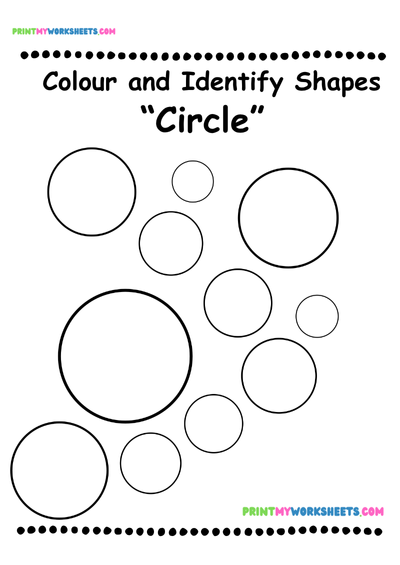
Pre-K Shapes and Colors Worksheets PDF – Free Fun Preschool Learning Activities at Home
Pre-K Shapes and Colors Worksheets PDF
The Pre-K Shapes and Colors Worksheets PDF is a fun and developmentally appropriate printable resource designed to help young learners build early math foundations. Created for U.S. parents, preschool teachers, and homeschool families, this worksheet set introduces essential shape and color recognition skills in a simple, engaging format.
In Pre-K, children begin learning how to identify basic shapes like circles, squares, triangles, and rectangles while also recognizing and naming common colors. These early skills form the foundation for later math concepts, visual discrimination, and problem-solving abilities. With clear directions and playful activities, this printable PDF supports hands-on learning while keeping tasks manageable for preschool-aged children. Whether used in a classroom center or at home, these worksheets provide structured practice that aligns with early childhood learning standards in the United States.
What Students Will Learn?
These preschool worksheets focus on helping children recognize, name, and match common shapes and colors. Students practice identifying basic shapes such as circles, squares, triangles, rectangles, and ovals. They also work on recognizing primary and secondary colors through guided activities.
Children may complete tasks such as coloring specific shapes based on instructions, matching shapes to everyday objects, sorting pictures by color, or tracing simple shape outlines. These activities encourage visual recognition and reinforce vocabulary development at the same time.
The worksheets are designed with clear instructions and uncluttered layouts so young learners can focus on one skill at a time. Structured repetition helps children remember shape names and color words while developing early attention and listening skills. Each activity supports age-appropriate expectations for Pre-K learners, providing practice that strengthens foundational math and pre-reading abilities.
Educational Value & Skill Development
The Pre-K Shapes and Colors Worksheets PDF supports both academic growth and cognitive development in young children. Recognizing shapes and colors is one of the first steps in building early math readiness. When children learn to sort, match, and identify visual patterns, they begin developing important classification and reasoning skills.
Shape recognition strengthens spatial awareness. Children learn to notice differences in sides, corners, and curves, which later supports geometry concepts in elementary school. Color identification helps improve observation skills and descriptive language. When a child can describe an object as a “red circle” or a “blue square,” they are combining vocabulary with visual understanding.
These activities also improve fine motor development. Coloring, tracing, and circling shapes help strengthen hand muscles needed for writing. As children successfully complete each worksheet, they gain confidence in their abilities. This sense of achievement encourages independence and a positive attitude toward learning.
Consistent practice with visual discrimination activities builds focus and memory retention. Over time, children become more comfortable identifying details and following simple multi-step directions, which supports overall school readiness.
Why Focus on Shapes and Colors?
Shapes and colors are core components of early childhood education. Before children can understand numbers or read words, they must first develop strong visual recognition skills. Identifying shapes and colors helps children make sense of the world around them.
Learning shapes supports early geometry foundations. Recognizing circles, squares, and triangles prepares children for more advanced mathematical thinking in later grades. Color recognition builds vocabulary and strengthens descriptive language, which supports communication and literacy development.
Repetition and guided practice are essential at the Pre-K level. Young learners benefit from repeated exposure to the same concepts in slightly different formats. This steady reinforcement builds long-term memory and confidence.
Additionally, shape and color activities align with early learning standards across the United States. Preschool programs emphasize sorting, matching, and identifying attributes as key readiness skills. Focused worksheets provide a structured way to practice these foundational concepts in a clear and supportive format.
How to Use These Worksheets?
The Pre-K Shapes and Colors Worksheets PDF is designed for flexibility and ease of use. In preschool classrooms, teachers can include the worksheets as part of math centers, morning work, or small-group instruction. They also work well during shape or color theme weeks.
Homeschool families can incorporate these pages into a daily learning routine. Parents may introduce one shape or color at a time, discussing examples found around the home before completing the worksheet. For added engagement, children can use crayons, markers, or colored pencils to complete activities.
Because this resource is provided as a free printable PDF, it can be downloaded quickly and printed as needed. Pages may be reused with different coloring tools or laminated for repeated practice with dry-erase markers. The simple design ensures that children can work independently with minimal assistance once they understand the directions.
Related Worksheets / Extensions:
You may also like:
-
Pre-K number tracing worksheets
-
Preschool counting and sorting activities
-
Alphabet tracing practice pages
-
Kindergarten shape identification worksheets
The Pre-K Shapes and Colors Worksheets PDF can be paired with other early math and literacy printables to create a well-rounded preschool learning plan. Combining shape and color practice with counting, letter recognition, and fine motor activities ensures balanced development across key readiness areas. Regular, short practice sessions help young learners build confidence and establish a strong foundation for kindergarten and beyond.
You may also like:
[gallery ids="6959,6951,6923"] Pre-K Shapes and Colors Worksheets PDF – Free Fun Preschool Learning Activities at Home
Pre-K Shapes and Colors Worksheets PDF
The Pre-K Shapes and Colors Worksheets PDF is a fun and developmentally appropriate printable resource designed to help young learners build early math foundations. Created for U.S. parents, preschool teachers, and homeschool families, this worksheet set introduces essential shape and color recognition skills in a simple, engaging format.
In Pre-K, children begin learning how to identify basic shapes like circles, squares, triangles, and rectangles while also recognizing and naming common colors. These early skills form the foundation for later math concepts, visual discrimination, and problem-solving abilities. With clear directions and playful activities, this printable PDF supports hands-on learning while keeping tasks manageable for preschool-aged children. Whether used in a classroom center or at home, these worksheets provide structured practice that aligns with early childhood learning standards in the United States.
What Students Will Learn?
These preschool worksheets focus on helping children recognize, name, and match common shapes and colors. Students practice identifying basic shapes such as circles, squares, triangles, rectangles, and ovals. They also work on recognizing primary and secondary colors through guided activities.
Children may complete tasks such as coloring specific shapes based on instructions, matching shapes to everyday objects, sorting pictures by color, or tracing simple shape outlines. These activities encourage visual recognition and reinforce vocabulary development at the same time.
The worksheets are designed with clear instructions and uncluttered layouts so young learners can focus on one skill at a time. Structured repetition helps children remember shape names and color words while developing early attention and listening skills. Each activity supports age-appropriate expectations for Pre-K learners, providing practice that strengthens foundational math and pre-reading abilities.
Educational Value & Skill Development
The Pre-K Shapes and Colors Worksheets PDF supports both academic growth and cognitive development in young children. Recognizing shapes and colors is one of the first steps in building early math readiness. When children learn to sort, match, and identify visual patterns, they begin developing important classification and reasoning skills.
Shape recognition strengthens spatial awareness. Children learn to notice differences in sides, corners, and curves, which later supports geometry concepts in elementary school. Color identification helps improve observation skills and descriptive language. When a child can describe an object as a “red circle” or a “blue square,” they are combining vocabulary with visual understanding.
These activities also improve fine motor development. Coloring, tracing, and circling shapes help strengthen hand muscles needed for writing. As children successfully complete each worksheet, they gain confidence in their abilities. This sense of achievement encourages independence and a positive attitude toward learning.
Consistent practice with visual discrimination activities builds focus and memory retention. Over time, children become more comfortable identifying details and following simple multi-step directions, which supports overall school readiness.
Why Focus on Shapes and Colors?
Shapes and colors are core components of early childhood education. Before children can understand numbers or read words, they must first develop strong visual recognition skills. Identifying shapes and colors helps children make sense of the world around them.
Learning shapes supports early geometry foundations. Recognizing circles, squares, and triangles prepares children for more advanced mathematical thinking in later grades. Color recognition builds vocabulary and strengthens descriptive language, which supports communication and literacy development.
Repetition and guided practice are essential at the Pre-K level. Young learners benefit from repeated exposure to the same concepts in slightly different formats. This steady reinforcement builds long-term memory and confidence.
Additionally, shape and color activities align with early learning standards across the United States. Preschool programs emphasize sorting, matching, and identifying attributes as key readiness skills. Focused worksheets provide a structured way to practice these foundational concepts in a clear and supportive format.
How to Use These Worksheets?
The Pre-K Shapes and Colors Worksheets PDF is designed for flexibility and ease of use. In preschool classrooms, teachers can include the worksheets as part of math centers, morning work, or small-group instruction. They also work well during shape or color theme weeks.
Homeschool families can incorporate these pages into a daily learning routine. Parents may introduce one shape or color at a time, discussing examples found around the home before completing the worksheet. For added engagement, children can use crayons, markers, or colored pencils to complete activities.
Because this resource is provided as a free printable PDF, it can be downloaded quickly and printed as needed. Pages may be reused with different coloring tools or laminated for repeated practice with dry-erase markers. The simple design ensures that children can work independently with minimal assistance once they understand the directions.
Related Worksheets / Extensions:
You may also like:
-
Pre-K number tracing worksheets
-
Preschool counting and sorting activities
-
Alphabet tracing practice pages
-
Kindergarten shape identification worksheets
The Pre-K Shapes and Colors Worksheets PDF can be paired with other early math and literacy printables to create a well-rounded preschool learning plan. Combining shape and color practice with counting, letter recognition, and fine motor activities ensures balanced development across key readiness areas. Regular, short practice sessions help young learners build confidence and establish a strong foundation for kindergarten and beyond.
You may also like:
[gallery ids="6959,6951,6923"]
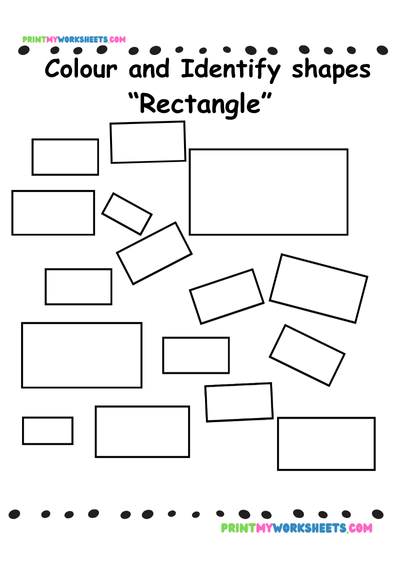
Pre-K Shapes Worksheets PDF – Free Fun Home Learning Activities for Preschool
Pre-K Shapes Worksheets PDF
Learning shapes is one of the earliest and most important math skills for young children. The Pre-K Shapes Worksheets PDF is thoughtfully created to help preschool learners build strong shape recognition skills through simple, engaging, and age-appropriate activities. Designed for U.S. parents, teachers, and homeschool families, these worksheets provide structured practice that supports early math development in a fun and approachable way.
At the Pre-K level, children are just beginning to understand how shapes appear in their environment. Identifying circles, squares, triangles, and other basic shapes helps children make sense of the world around them while strengthening visual awareness and early problem-solving skills. These printable worksheets give children repeated exposure to shapes through hands-on activities that encourage observation, comparison, and recognition. With a clear layout and simple instructions, they support confident learning while preparing children for kindergarten readiness.
What Students Will Learn?
These worksheets focus on introducing and reinforcing basic two-dimensional shapes in a way that is developmentally appropriate for preschool learners. Children learn to recognize common shapes such as circles, squares, rectangles, triangles, and ovals by identifying them in different formats and contexts. Activities may include matching shapes, coloring specific shapes, tracing outlines, and finding shapes within pictures.
The worksheets are designed to support structured learning by presenting one concept at a time. This allows young learners to focus without feeling overwhelmed. Visual cues and clear directions help children understand what is expected, even if they are still developing early reading skills. The Pre-K Shapes Worksheets PDF supports age-appropriate expectations by keeping activities short, engaging, and easy to repeat.
Through consistent practice, children gain confidence in identifying shapes independently while developing early math vocabulary and visual discrimination skills.
Educational Value & Skill Development
The Pre-K Shapes Worksheets PDF provides meaningful educational value by supporting both academic learning and overall developmental growth. Academically, shape recognition is a foundational math skill that supports geometry concepts taught in later grades. Early exposure helps children understand attributes such as sides, corners, and curves, which are essential for future problem-solving.
Cognitively, working with shapes strengthens visual-spatial awareness and classification skills. Children learn to notice similarities and differences, an important early thinking skill. Activities such as tracing and coloring shapes also support fine motor development, helping children build hand strength and coordination needed for writing.
Completing worksheets independently builds confidence and encourages children to take pride in their learning. Repeated practice helps skills become familiar and automatic, allowing children to progress naturally. These worksheets support a smooth skill progression from simple shape recognition to more complex early math concepts introduced in kindergarten.
Why Focus on Shapes?
Shapes are one of the first math concepts young children encounter, and they play a vital role in early learning. Recognizing shapes helps children understand their surroundings, from identifying signs and objects to building with blocks and puzzles. Shape knowledge also supports early geometry, spatial reasoning, and problem-solving skills.
At the Pre-K level, repetition and guided practice are key. Children need multiple opportunities to see, touch, and work with shapes to truly understand them. Shape activities align with early learning standards across the United States, which emphasize foundational math skills, visual awareness, and hands-on exploration.
By focusing on shapes early, children develop confidence and curiosity about math. These skills create a strong base for future learning in areas such as measurement, patterns, and geometry.
How to Use These Worksheets?
These worksheets are flexible and easy to use in a variety of learning environments. In preschool classrooms, teachers can include them in math centers, morning work, or small-group activities. The simple layout allows children to work independently while teachers provide guidance as needed.
Homeschool families can use the Pre-K Shapes Worksheets PDF as part of daily learning routines or short practice sessions. Since the worksheets are provided as a free printable PDF, they are easy to download, print, and reuse. Parents may choose to laminate pages or place them in sheet protectors for repeated use with dry-erase markers.
These worksheets also work well for review, extra practice, or early intervention support, allowing children to learn at their own pace.
Related Worksheets / Extensions:
Pre-K Shapes Worksheets PDF – Free Fun Home Learning Activities for Preschool
Pre-K Shapes Worksheets PDF
Learning shapes is one of the earliest and most important math skills for young children. The Pre-K Shapes Worksheets PDF is thoughtfully created to help preschool learners build strong shape recognition skills through simple, engaging, and age-appropriate activities. Designed for U.S. parents, teachers, and homeschool families, these worksheets provide structured practice that supports early math development in a fun and approachable way.
At the Pre-K level, children are just beginning to understand how shapes appear in their environment. Identifying circles, squares, triangles, and other basic shapes helps children make sense of the world around them while strengthening visual awareness and early problem-solving skills. These printable worksheets give children repeated exposure to shapes through hands-on activities that encourage observation, comparison, and recognition. With a clear layout and simple instructions, they support confident learning while preparing children for kindergarten readiness.
What Students Will Learn?
These worksheets focus on introducing and reinforcing basic two-dimensional shapes in a way that is developmentally appropriate for preschool learners. Children learn to recognize common shapes such as circles, squares, rectangles, triangles, and ovals by identifying them in different formats and contexts. Activities may include matching shapes, coloring specific shapes, tracing outlines, and finding shapes within pictures.
The worksheets are designed to support structured learning by presenting one concept at a time. This allows young learners to focus without feeling overwhelmed. Visual cues and clear directions help children understand what is expected, even if they are still developing early reading skills. The Pre-K Shapes Worksheets PDF supports age-appropriate expectations by keeping activities short, engaging, and easy to repeat.
Through consistent practice, children gain confidence in identifying shapes independently while developing early math vocabulary and visual discrimination skills.
Educational Value & Skill Development
The Pre-K Shapes Worksheets PDF provides meaningful educational value by supporting both academic learning and overall developmental growth. Academically, shape recognition is a foundational math skill that supports geometry concepts taught in later grades. Early exposure helps children understand attributes such as sides, corners, and curves, which are essential for future problem-solving.
Cognitively, working with shapes strengthens visual-spatial awareness and classification skills. Children learn to notice similarities and differences, an important early thinking skill. Activities such as tracing and coloring shapes also support fine motor development, helping children build hand strength and coordination needed for writing.
Completing worksheets independently builds confidence and encourages children to take pride in their learning. Repeated practice helps skills become familiar and automatic, allowing children to progress naturally. These worksheets support a smooth skill progression from simple shape recognition to more complex early math concepts introduced in kindergarten.
Why Focus on Shapes?
Shapes are one of the first math concepts young children encounter, and they play a vital role in early learning. Recognizing shapes helps children understand their surroundings, from identifying signs and objects to building with blocks and puzzles. Shape knowledge also supports early geometry, spatial reasoning, and problem-solving skills.
At the Pre-K level, repetition and guided practice are key. Children need multiple opportunities to see, touch, and work with shapes to truly understand them. Shape activities align with early learning standards across the United States, which emphasize foundational math skills, visual awareness, and hands-on exploration.
By focusing on shapes early, children develop confidence and curiosity about math. These skills create a strong base for future learning in areas such as measurement, patterns, and geometry.
How to Use These Worksheets?
These worksheets are flexible and easy to use in a variety of learning environments. In preschool classrooms, teachers can include them in math centers, morning work, or small-group activities. The simple layout allows children to work independently while teachers provide guidance as needed.
Homeschool families can use the Pre-K Shapes Worksheets PDF as part of daily learning routines or short practice sessions. Since the worksheets are provided as a free printable PDF, they are easy to download, print, and reuse. Parents may choose to laminate pages or place them in sheet protectors for repeated use with dry-erase markers.
These worksheets also work well for review, extra practice, or early intervention support, allowing children to learn at their own pace.
Related Worksheets / Extensions:
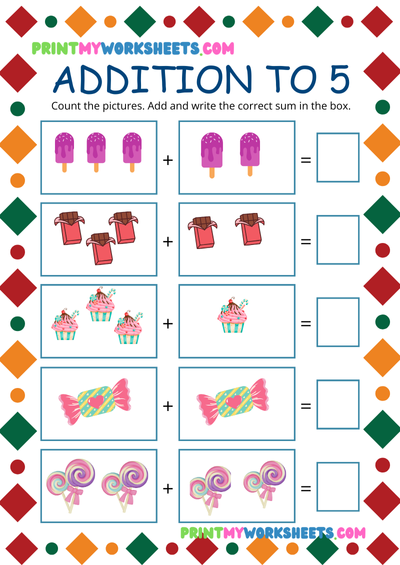
Pre-K Simple Addition Worksheets PDF – Easy Home Math Practice for Preschoolers
Pre-K Simple Addition Worksheets PDF
Early math experiences shape how children feel about numbers for years to come. The Pre-K Simple Addition Worksheets PDF is created to introduce young learners to basic addition concepts in a gentle, engaging, and age-appropriate way. Designed specifically for U.S. parents, preschool teachers, and homeschool families, this worksheet set helps children explore numbers through hands-on practice that feels approachable and encouraging.
At the Pre-Kindergarten level, children are just beginning to understand quantity, counting, and how numbers relate to one another. Simple addition builds on these early skills by showing children that numbers can be combined to make new totals. Using visual supports, clear layouts, and guided activities, these worksheets help children make sense of addition without pressure or confusion. As a free printable PDF, this resource fits easily into daily routines, offering consistent practice that supports confidence, curiosity, and a strong foundation for future math learning.
What Students Will Learn?
These worksheets focus on introducing the concept of adding small numbers in a clear and supportive way. Children learn that addition means putting groups together and finding how many there are in all. Activities are designed to reinforce counting skills while gently introducing number combinations.
Students work with simple visuals such as objects, pictures, or number representations to help them see how quantities combine. Tasks may include counting groups, matching totals, filling in missing numbers, or circling correct answers. These activities support structured learning by guiding children step by step through the addition process.
The worksheets are carefully aligned with Pre-Kindergarten developmental expectations. Instructions are simple, visuals are easy to interpret, and numbers stay within a beginner-friendly range. This ensures children can focus on understanding the concept rather than feeling overwhelmed. Through repeated exposure and guided practice, learners begin to recognize patterns in numbers and develop early problem-solving skills that prepare them for kindergarten math.
Educational Value & Skill Development
The Pre-K Simple Addition Worksheets PDF provides meaningful educational value by supporting early math readiness and cognitive growth. Academically, these worksheets strengthen number sense, helping children understand how numbers relate to one another. This foundational knowledge is essential for later math skills such as subtraction, place value, and problem-solving.
From a cognitive development perspective, simple addition activities enhance logical thinking, memory, and attention. Children practice focusing on tasks, following directions, and completing steps in sequence. Visual addition exercises also support spatial awareness and visual processing skills.
Confidence and independence grow as children successfully complete addition problems on their own. When tasks are developmentally appropriate, learners experience success more often, which builds positive attitudes toward math. Over time, students progress from counting objects to recognizing simple number combinations. This gradual skill development ensures children are well-prepared for more formal math instruction in kindergarten and beyond.
Why Focus on Simple Addition?
Simple addition is one of the first math concepts children encounter beyond counting. It helps young learners understand that numbers represent quantities that can be combined and compared. This understanding is essential for building strong number sense.
Focusing on addition in Pre-K supports future academic success by laying the groundwork for more advanced math concepts. Children who understand basic addition are better prepared to tackle subtraction, word problems, and number relationships in later grades.
Repetition and guided practice are especially important at this stage of development. Young children learn best through consistent exposure and hands-on experiences. Addition worksheets provide a structured way to reinforce learning while keeping activities predictable and manageable. These skills align with U.S. early learning standards, which emphasize counting, understanding quantities, and beginning operations. Early practice helps ensure a smooth transition into kindergarten math expectations.
How to Use These Worksheets?
These worksheets are designed to be flexible and easy to use in a variety of learning settings. In preschool classrooms, teachers can include them during math centers, small-group instruction, or quiet work time. They are also effective as review activities after hands-on counting lessons.
For homeschool families, the worksheets offer a simple way to introduce addition concepts at home. Parents can work alongside their child, talking through each problem and counting objects together. As confidence grows, children can complete pages independently for reinforcement.
The Pre-K Simple Addition Worksheets PDF is available as a free printable PDF, making it easy to download, print, and reuse as needed. Pages can be revisited multiple times or used selectively based on a child’s readiness level. This adaptability allows families and educators to tailor instruction to each learner’s pace.
Related Worksheets / Extensions:
To extend learning, children may also benefit from counting worksheets, number recognition activities, or shape and pattern resources. Hands-on activities such as using blocks, toys, or snacks for addition practice can reinforce concepts learned on paper. Simple math games that involve combining groups also support understanding.
The Pre-K Simple Addition Worksheets PDF pairs well with other early math resources that focus on counting and number sense. Together, these materials help young learners build a strong, positive foundation in math while developing confidence and curiosity that will support their learning journey in kindergarten and beyond.
You may also like :
[gallery ids="5836,5343,4642"] Pre-K Simple Addition Worksheets PDF – Easy Home Math Practice for Preschoolers
Pre-K Simple Addition Worksheets PDF
Early math experiences shape how children feel about numbers for years to come. The Pre-K Simple Addition Worksheets PDF is created to introduce young learners to basic addition concepts in a gentle, engaging, and age-appropriate way. Designed specifically for U.S. parents, preschool teachers, and homeschool families, this worksheet set helps children explore numbers through hands-on practice that feels approachable and encouraging.
At the Pre-Kindergarten level, children are just beginning to understand quantity, counting, and how numbers relate to one another. Simple addition builds on these early skills by showing children that numbers can be combined to make new totals. Using visual supports, clear layouts, and guided activities, these worksheets help children make sense of addition without pressure or confusion. As a free printable PDF, this resource fits easily into daily routines, offering consistent practice that supports confidence, curiosity, and a strong foundation for future math learning.
What Students Will Learn?
These worksheets focus on introducing the concept of adding small numbers in a clear and supportive way. Children learn that addition means putting groups together and finding how many there are in all. Activities are designed to reinforce counting skills while gently introducing number combinations.
Students work with simple visuals such as objects, pictures, or number representations to help them see how quantities combine. Tasks may include counting groups, matching totals, filling in missing numbers, or circling correct answers. These activities support structured learning by guiding children step by step through the addition process.
The worksheets are carefully aligned with Pre-Kindergarten developmental expectations. Instructions are simple, visuals are easy to interpret, and numbers stay within a beginner-friendly range. This ensures children can focus on understanding the concept rather than feeling overwhelmed. Through repeated exposure and guided practice, learners begin to recognize patterns in numbers and develop early problem-solving skills that prepare them for kindergarten math.
Educational Value & Skill Development
The Pre-K Simple Addition Worksheets PDF provides meaningful educational value by supporting early math readiness and cognitive growth. Academically, these worksheets strengthen number sense, helping children understand how numbers relate to one another. This foundational knowledge is essential for later math skills such as subtraction, place value, and problem-solving.
From a cognitive development perspective, simple addition activities enhance logical thinking, memory, and attention. Children practice focusing on tasks, following directions, and completing steps in sequence. Visual addition exercises also support spatial awareness and visual processing skills.
Confidence and independence grow as children successfully complete addition problems on their own. When tasks are developmentally appropriate, learners experience success more often, which builds positive attitudes toward math. Over time, students progress from counting objects to recognizing simple number combinations. This gradual skill development ensures children are well-prepared for more formal math instruction in kindergarten and beyond.
Why Focus on Simple Addition?
Simple addition is one of the first math concepts children encounter beyond counting. It helps young learners understand that numbers represent quantities that can be combined and compared. This understanding is essential for building strong number sense.
Focusing on addition in Pre-K supports future academic success by laying the groundwork for more advanced math concepts. Children who understand basic addition are better prepared to tackle subtraction, word problems, and number relationships in later grades.
Repetition and guided practice are especially important at this stage of development. Young children learn best through consistent exposure and hands-on experiences. Addition worksheets provide a structured way to reinforce learning while keeping activities predictable and manageable. These skills align with U.S. early learning standards, which emphasize counting, understanding quantities, and beginning operations. Early practice helps ensure a smooth transition into kindergarten math expectations.
How to Use These Worksheets?
These worksheets are designed to be flexible and easy to use in a variety of learning settings. In preschool classrooms, teachers can include them during math centers, small-group instruction, or quiet work time. They are also effective as review activities after hands-on counting lessons.
For homeschool families, the worksheets offer a simple way to introduce addition concepts at home. Parents can work alongside their child, talking through each problem and counting objects together. As confidence grows, children can complete pages independently for reinforcement.
The Pre-K Simple Addition Worksheets PDF is available as a free printable PDF, making it easy to download, print, and reuse as needed. Pages can be revisited multiple times or used selectively based on a child’s readiness level. This adaptability allows families and educators to tailor instruction to each learner’s pace.
Related Worksheets / Extensions:
To extend learning, children may also benefit from counting worksheets, number recognition activities, or shape and pattern resources. Hands-on activities such as using blocks, toys, or snacks for addition practice can reinforce concepts learned on paper. Simple math games that involve combining groups also support understanding.
The Pre-K Simple Addition Worksheets PDF pairs well with other early math resources that focus on counting and number sense. Together, these materials help young learners build a strong, positive foundation in math while developing confidence and curiosity that will support their learning journey in kindergarten and beyond.
You may also like :
[gallery ids="5836,5343,4642"]
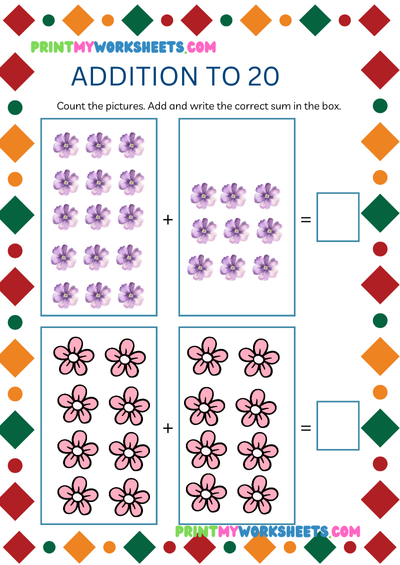
Pre-K Simple Addition Worksheets PDF | Free Math IV Downloadable
Pre-K Simple Addition Worksheets PDF
The Pre-K Simple Addition Worksheets PDF is designed to introduce young learners to early math concepts in a fun and developmentally appropriate way. Created for U.S. parents, preschool teachers, and homeschool families, this free printable PDF helps children begin understanding how numbers work together through simple addition activities.
At the Pre-K level, children are just starting to explore counting, number recognition, and basic number relationships. Simple addition lays the groundwork for future math success by helping children see how two small groups can combine to make a larger group. Through visual models, pictures, and hands-on counting opportunities, these worksheets support early math confidence. The structured yet playful format makes it easy for children to practice combining numbers while building foundational skills that will support kindergarten and beyond.
What Students Will Learn?
These early math worksheets focus on helping children understand the concept of addition as “putting together.” Students practice counting small groups of objects, combining two sets, and identifying the total. Activities may include picture-based addition problems, counting illustrations, tracing numbers, and matching number sentences to visual models.
Young learners develop one-to-one correspondence as they count each object carefully. They begin recognizing number combinations within 5 and within 10, depending on readiness. The worksheets are structured to move gradually from concrete visuals to simple number sentences, helping children connect pictures to written math expressions.
The activities are designed with preschool development in mind. Large numbers, clear images, and uncluttered layouts allow children to focus without feeling overwhelmed. By practicing these early addition skills, children strengthen number sense and prepare for more formal math instruction in kindergarten.
Educational Value & Skill Development
The Pre-K Simple Addition Worksheets PDF supports both academic and cognitive development during an important early learning stage. When children combine two small groups and count the total, they begin building foundational math reasoning skills.
Simple addition strengthens number sense, which is the ability to understand how numbers relate to one another. Children learn that numbers represent quantities and that combining quantities changes the total. This concept becomes essential in later grades when students work with larger numbers and more complex operations.
These worksheets also support fine motor development. As children trace numbers, circle answers, or draw lines to match sets, they practice pencil control and hand coordination. Following directions and completing tasks independently encourages focus and attention.
Confidence grows as children successfully solve problems. Early math success helps reduce anxiety about numbers and encourages a positive attitude toward learning. Over time, repeated practice with small addition problems builds familiarity and comfort, setting the stage for smooth transitions into kindergarten math lessons.
Why Focus on Simple Addition?
Simple addition is one of the first formal math skills children encounter. Understanding how numbers combine is essential for future math development. Before children can subtract, work with larger sums, or solve word problems, they must first grasp the idea of adding small groups together.
Practicing early addition supports logical thinking. Children learn to observe two groups, count each one, and determine the total. This step-by-step process strengthens sequencing skills and attention to detail.
Repetition is especially important at the Pre-K level. Young learners benefit from seeing similar problem types multiple times in different formats. Whether counting animals, fruits, or shapes, the repetition reinforces understanding while keeping activities engaging.
Building strong addition foundations in preschool helps children enter kindergarten with greater readiness. Early exposure to combining numbers supports classroom learning expectations and aligns with early childhood math standards used across the United States.
How to Use These Worksheets?
The Pre-K Simple Addition Worksheets PDF can be used in multiple learning environments. In preschool classrooms, teachers may incorporate these pages into math centers, small-group instruction, or morning work routines. The visual format makes them suitable for guided practice with teacher support.
Homeschool families can use the worksheets as part of a daily math routine. Parents may encourage children to use physical objects, such as small toys or counters, alongside the printed problems to create a hands-on experience. This helps children connect concrete objects to written numbers.
Because this resource is a free printable PDF, it can be downloaded quickly and printed as needed. Pages may be reused for review, extra practice, or reinforcement before moving on to more advanced math skills.
The flexible design also allows children to work independently once they understand the directions. Whether used for review, enrichment, or initial instruction, these worksheets provide consistent practice in early addition concepts.
Related Worksheets / Extensions:
Pre-K Simple Addition Worksheets PDF | Free Math IV Downloadable
Pre-K Simple Addition Worksheets PDF
The Pre-K Simple Addition Worksheets PDF is designed to introduce young learners to early math concepts in a fun and developmentally appropriate way. Created for U.S. parents, preschool teachers, and homeschool families, this free printable PDF helps children begin understanding how numbers work together through simple addition activities.
At the Pre-K level, children are just starting to explore counting, number recognition, and basic number relationships. Simple addition lays the groundwork for future math success by helping children see how two small groups can combine to make a larger group. Through visual models, pictures, and hands-on counting opportunities, these worksheets support early math confidence. The structured yet playful format makes it easy for children to practice combining numbers while building foundational skills that will support kindergarten and beyond.
What Students Will Learn?
These early math worksheets focus on helping children understand the concept of addition as “putting together.” Students practice counting small groups of objects, combining two sets, and identifying the total. Activities may include picture-based addition problems, counting illustrations, tracing numbers, and matching number sentences to visual models.
Young learners develop one-to-one correspondence as they count each object carefully. They begin recognizing number combinations within 5 and within 10, depending on readiness. The worksheets are structured to move gradually from concrete visuals to simple number sentences, helping children connect pictures to written math expressions.
The activities are designed with preschool development in mind. Large numbers, clear images, and uncluttered layouts allow children to focus without feeling overwhelmed. By practicing these early addition skills, children strengthen number sense and prepare for more formal math instruction in kindergarten.
Educational Value & Skill Development
The Pre-K Simple Addition Worksheets PDF supports both academic and cognitive development during an important early learning stage. When children combine two small groups and count the total, they begin building foundational math reasoning skills.
Simple addition strengthens number sense, which is the ability to understand how numbers relate to one another. Children learn that numbers represent quantities and that combining quantities changes the total. This concept becomes essential in later grades when students work with larger numbers and more complex operations.
These worksheets also support fine motor development. As children trace numbers, circle answers, or draw lines to match sets, they practice pencil control and hand coordination. Following directions and completing tasks independently encourages focus and attention.
Confidence grows as children successfully solve problems. Early math success helps reduce anxiety about numbers and encourages a positive attitude toward learning. Over time, repeated practice with small addition problems builds familiarity and comfort, setting the stage for smooth transitions into kindergarten math lessons.
Why Focus on Simple Addition?
Simple addition is one of the first formal math skills children encounter. Understanding how numbers combine is essential for future math development. Before children can subtract, work with larger sums, or solve word problems, they must first grasp the idea of adding small groups together.
Practicing early addition supports logical thinking. Children learn to observe two groups, count each one, and determine the total. This step-by-step process strengthens sequencing skills and attention to detail.
Repetition is especially important at the Pre-K level. Young learners benefit from seeing similar problem types multiple times in different formats. Whether counting animals, fruits, or shapes, the repetition reinforces understanding while keeping activities engaging.
Building strong addition foundations in preschool helps children enter kindergarten with greater readiness. Early exposure to combining numbers supports classroom learning expectations and aligns with early childhood math standards used across the United States.
How to Use These Worksheets?
The Pre-K Simple Addition Worksheets PDF can be used in multiple learning environments. In preschool classrooms, teachers may incorporate these pages into math centers, small-group instruction, or morning work routines. The visual format makes them suitable for guided practice with teacher support.
Homeschool families can use the worksheets as part of a daily math routine. Parents may encourage children to use physical objects, such as small toys or counters, alongside the printed problems to create a hands-on experience. This helps children connect concrete objects to written numbers.
Because this resource is a free printable PDF, it can be downloaded quickly and printed as needed. Pages may be reused for review, extra practice, or reinforcement before moving on to more advanced math skills.
The flexible design also allows children to work independently once they understand the directions. Whether used for review, enrichment, or initial instruction, these worksheets provide consistent practice in early addition concepts.
Related Worksheets / Extensions:
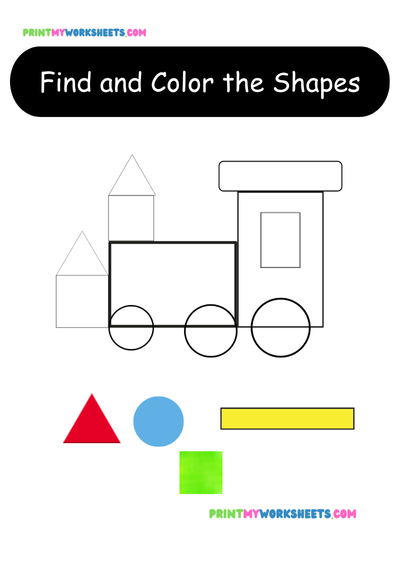
Pre-Kindergarten Color Quest Shapes – Fun Shape Learning Game for Home Practice
Pre-Kindergarten Color Quest Shapes
Early math learning in Pre-Kindergarten is all about exploration, recognition, and joyful discovery. The Pre-Kindergarten Color Quest Shapes worksheet is thoughtfully designed to help young learners identify, sort, and explore basic shapes through engaging color-based activities. Created for U.S. parents, teachers, and homeschool families, this free printable PDF supports early math development in a fun, low-pressure way that feels more like play than practice.
At the Pre-Kindergarten level, children are just beginning to notice shapes in their environment—circles in wheels, squares in windows, and triangles in signs. Combining shape recognition with color exploration strengthens visual perception and early problem-solving skills. The Pre-Kindergarten Color Quest Shapes worksheets guide children through hands-on activities that encourage observation, matching, and decision-making. With simple instructions and child-friendly layouts, these worksheets help young learners build confidence while developing essential early math and cognitive skills that prepare them for kindergarten success.
What Students Will Learn?
These worksheets are designed to introduce foundational shape concepts in a structured yet playful format. Children will learn to recognize common shapes such as circles, squares, triangles, rectangles, and ovals. Through guided activities, students explore how shapes look, how they differ, and how they can be identified using visual cues like color and size.
Activities include matching shapes to colors, identifying shapes within pictures, tracing simple shapes, and following color-based directions. These tasks support structured learning by helping children focus on one concept at a time while reinforcing it through repetition. Visual prompts and minimal text make the worksheets accessible for non-readers and early readers alike.
The activities align well with age-appropriate expectations for Pre-Kindergarten learners. Children are encouraged to observe carefully, make choices, and complete tasks independently or with light guidance. This balance supports early learning routines while allowing flexibility for different learning styles and developmental stages.
Educational Value & Skill Development
The Pre-Kindergarten Color Quest Shapes worksheets offer strong educational value by supporting multiple areas of early development. Academically, shape recognition is a key math readiness skill that prepares children for geometry concepts in later grades. Understanding shapes helps children categorize objects, recognize patterns, and make sense of their surroundings.
Cognitively, these activities strengthen visual discrimination, attention to detail, and memory. When children identify shapes based on color cues, they practice following directions and processing multiple pieces of information at once. This builds early executive functioning skills in an age-appropriate way.
Confidence and independence grow as children complete activities successfully. Simple tasks with clear outcomes help learners feel capable and motivated. Over time, students progress from basic recognition to applying shape knowledge in more complex ways, such as finding shapes within scenes or sorting by attributes. These gradual skill-building opportunities create a strong foundation for future math learning and classroom readiness.
Why Focus on Color Quest Shapes?
Shape recognition is one of the earliest math skills children develop, and it plays a crucial role in overall cognitive growth. Learning shapes helps children understand spatial relationships, compare objects, and describe the world around them. When shapes are combined with color-based activities, learning becomes more engaging and memorable for young learners.
This skill supports future academic success by laying the groundwork for geometry, problem-solving, and even early reading skills, as shape awareness contributes to letter recognition. Repetition and guided practice are especially important at the Pre-K level, where children learn best through consistent exposure and hands-on exploration.
Color-and-shape activities align closely with U.S. early learning standards, which emphasize identifying shapes, sorting objects, and following simple directions. By focusing on these skills early, children develop the confidence and familiarity they need to transition smoothly into kindergarten math instruction.
How to Use These Worksheets?
These worksheets are flexible and easy to use across a variety of learning environments. In classrooms, teachers can incorporate them into math centers, morning work, or small-group instruction. They work well as part of a themed unit on shapes, colors, or early math exploration.
For homeschool families, the worksheets provide a simple way to introduce or reinforce shape concepts at home. Parents can sit alongside their child to talk about shapes and colors or encourage independent work for short practice sessions. The Pre-Kindergarten Color Quest Shapes activities are ideal for keeping learning playful while still purposeful.
Because the worksheets are offered as a free printable PDF, they are easy to download and reuse. Pages can be printed multiple times for continued practice or used selectively based on a child’s readiness level. This adaptability makes them a practical resource for both structured lessons and informal learning moments.
Related Worksheets / Extensions:
To extend learning beyond this resource, children may also enjoy worksheets focused on color recognition, patterning, or counting with shapes. Shape scavenger hunts around the classroom or home can reinforce concepts learned on paper. Simple art activities, such as creating pictures using cut-out shapes, further support hands-on learning.
The Pre-Kindergarten Color Quest Shapes worksheets pair well with other early math and fine motor skill resources. Together, these activities help young learners build confidence, curiosity, and a strong foundation for future math success in a fun and supportive way.
You may also like:
[gallery ids="5848,5836,5393"] Pre-Kindergarten Color Quest Shapes – Fun Shape Learning Game for Home Practice
Pre-Kindergarten Color Quest Shapes
Early math learning in Pre-Kindergarten is all about exploration, recognition, and joyful discovery. The Pre-Kindergarten Color Quest Shapes worksheet is thoughtfully designed to help young learners identify, sort, and explore basic shapes through engaging color-based activities. Created for U.S. parents, teachers, and homeschool families, this free printable PDF supports early math development in a fun, low-pressure way that feels more like play than practice.
At the Pre-Kindergarten level, children are just beginning to notice shapes in their environment—circles in wheels, squares in windows, and triangles in signs. Combining shape recognition with color exploration strengthens visual perception and early problem-solving skills. The Pre-Kindergarten Color Quest Shapes worksheets guide children through hands-on activities that encourage observation, matching, and decision-making. With simple instructions and child-friendly layouts, these worksheets help young learners build confidence while developing essential early math and cognitive skills that prepare them for kindergarten success.
What Students Will Learn?
These worksheets are designed to introduce foundational shape concepts in a structured yet playful format. Children will learn to recognize common shapes such as circles, squares, triangles, rectangles, and ovals. Through guided activities, students explore how shapes look, how they differ, and how they can be identified using visual cues like color and size.
Activities include matching shapes to colors, identifying shapes within pictures, tracing simple shapes, and following color-based directions. These tasks support structured learning by helping children focus on one concept at a time while reinforcing it through repetition. Visual prompts and minimal text make the worksheets accessible for non-readers and early readers alike.
The activities align well with age-appropriate expectations for Pre-Kindergarten learners. Children are encouraged to observe carefully, make choices, and complete tasks independently or with light guidance. This balance supports early learning routines while allowing flexibility for different learning styles and developmental stages.
Educational Value & Skill Development
The Pre-Kindergarten Color Quest Shapes worksheets offer strong educational value by supporting multiple areas of early development. Academically, shape recognition is a key math readiness skill that prepares children for geometry concepts in later grades. Understanding shapes helps children categorize objects, recognize patterns, and make sense of their surroundings.
Cognitively, these activities strengthen visual discrimination, attention to detail, and memory. When children identify shapes based on color cues, they practice following directions and processing multiple pieces of information at once. This builds early executive functioning skills in an age-appropriate way.
Confidence and independence grow as children complete activities successfully. Simple tasks with clear outcomes help learners feel capable and motivated. Over time, students progress from basic recognition to applying shape knowledge in more complex ways, such as finding shapes within scenes or sorting by attributes. These gradual skill-building opportunities create a strong foundation for future math learning and classroom readiness.
Why Focus on Color Quest Shapes?
Shape recognition is one of the earliest math skills children develop, and it plays a crucial role in overall cognitive growth. Learning shapes helps children understand spatial relationships, compare objects, and describe the world around them. When shapes are combined with color-based activities, learning becomes more engaging and memorable for young learners.
This skill supports future academic success by laying the groundwork for geometry, problem-solving, and even early reading skills, as shape awareness contributes to letter recognition. Repetition and guided practice are especially important at the Pre-K level, where children learn best through consistent exposure and hands-on exploration.
Color-and-shape activities align closely with U.S. early learning standards, which emphasize identifying shapes, sorting objects, and following simple directions. By focusing on these skills early, children develop the confidence and familiarity they need to transition smoothly into kindergarten math instruction.
How to Use These Worksheets?
These worksheets are flexible and easy to use across a variety of learning environments. In classrooms, teachers can incorporate them into math centers, morning work, or small-group instruction. They work well as part of a themed unit on shapes, colors, or early math exploration.
For homeschool families, the worksheets provide a simple way to introduce or reinforce shape concepts at home. Parents can sit alongside their child to talk about shapes and colors or encourage independent work for short practice sessions. The Pre-Kindergarten Color Quest Shapes activities are ideal for keeping learning playful while still purposeful.
Because the worksheets are offered as a free printable PDF, they are easy to download and reuse. Pages can be printed multiple times for continued practice or used selectively based on a child’s readiness level. This adaptability makes them a practical resource for both structured lessons and informal learning moments.
Related Worksheets / Extensions:
To extend learning beyond this resource, children may also enjoy worksheets focused on color recognition, patterning, or counting with shapes. Shape scavenger hunts around the classroom or home can reinforce concepts learned on paper. Simple art activities, such as creating pictures using cut-out shapes, further support hands-on learning.
The Pre-Kindergarten Color Quest Shapes worksheets pair well with other early math and fine motor skill resources. Together, these activities help young learners build confidence, curiosity, and a strong foundation for future math success in a fun and supportive way.
You may also like:
[gallery ids="5848,5836,5393"]

Simple Addition Worksheets PDF for Kindergarten | Maths III Free Downloadable
Make early math learning fun and engaging with our Simple Addition Worksheets PDF for Kindergarten on Comparing Size, Height & Weight, designed especially for kindergarten students. This worksheet introduces children to basic addition while helping them understand real-world measurement concepts like size, height, and weight through fun, visual activities.
Each page includes colorful illustrations, counting exercises, and comparison problems that encourage critical thinking and observation skills. Children will practice adding objects, identifying which items are taller, shorter, heavier, or lighter, and solving simple math problems in an interactive way. These hands-on activities make math exciting, relatable, and easy to grasp for young learners.
Why are addition and comparison activities important in kindergarten? Learning to add and compare builds a strong foundation for logical reasoning, number recognition, and early problem-solving. It also develops fine motor skills, focus, and real-world understanding of math concepts.
Perfect for homeschooling, classroom teaching, or at-home practice, this free downloadable PDF is easy to print and reuse. Designed according to early math standards, it helps kids gain confidence in both addition and measurement while enjoying every activity.
You may also like :
[gallery ids="4543,4548,4605"] Simple Addition Worksheets PDF for Kindergarten | Maths III Free Downloadable
Make early math learning fun and engaging with our Simple Addition Worksheets PDF for Kindergarten on Comparing Size, Height & Weight, designed especially for kindergarten students. This worksheet introduces children to basic addition while helping them understand real-world measurement concepts like size, height, and weight through fun, visual activities.
Each page includes colorful illustrations, counting exercises, and comparison problems that encourage critical thinking and observation skills. Children will practice adding objects, identifying which items are taller, shorter, heavier, or lighter, and solving simple math problems in an interactive way. These hands-on activities make math exciting, relatable, and easy to grasp for young learners.
Why are addition and comparison activities important in kindergarten? Learning to add and compare builds a strong foundation for logical reasoning, number recognition, and early problem-solving. It also develops fine motor skills, focus, and real-world understanding of math concepts.
Perfect for homeschooling, classroom teaching, or at-home practice, this free downloadable PDF is easy to print and reuse. Designed according to early math standards, it helps kids gain confidence in both addition and measurement while enjoying every activity.