
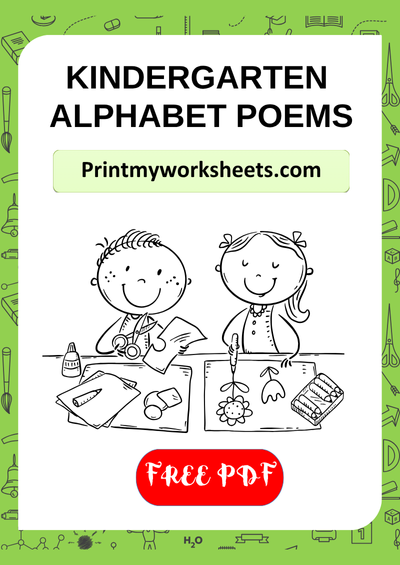

Kindergarten A–Z Phonics Worksheets PDF | Free English Downloadable
$0.00
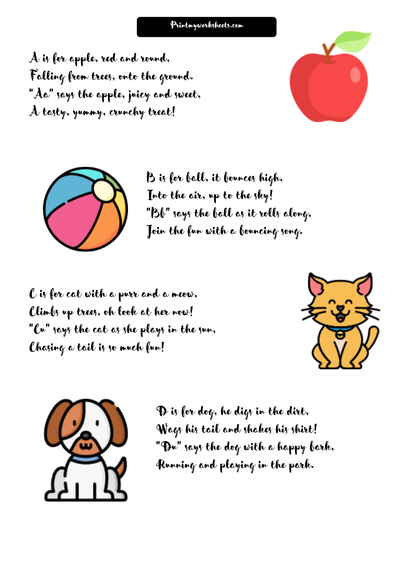
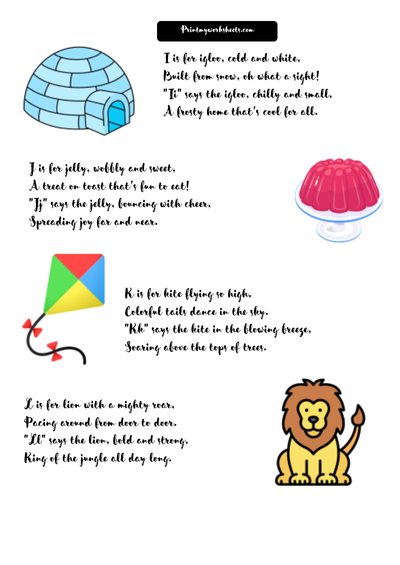
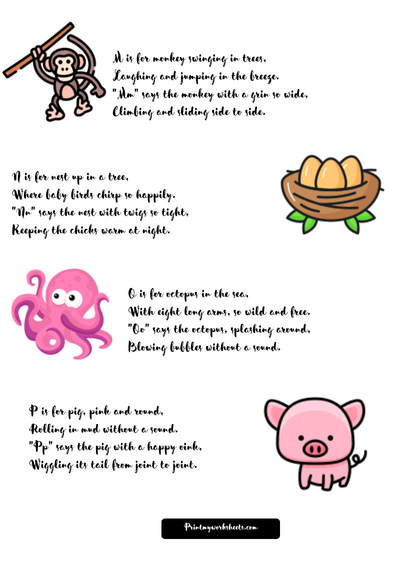
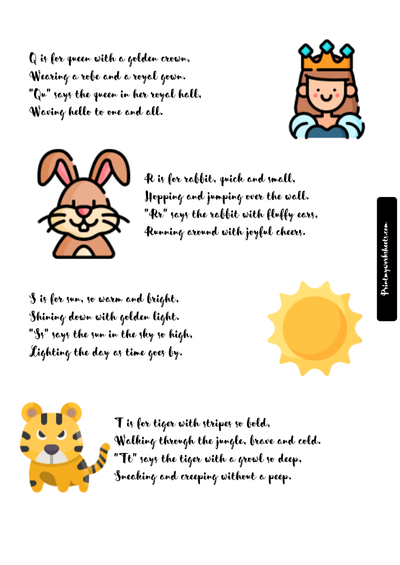
Set your kindergartener up for reading success with our Kindergarten A–Z Phonics Worksheets PDF—a fun and engaging printable designed specifically for U.S. early learners. Aligned with kindergarten phonics curriculum standards, this worksheet helps children connect each letter of the alphabet to its beginning sound through rhythmic, rhyming poems from A to Z. It is completely aligned with U.S Curriculum.
Each worksheet is designed to support foundational phonics skills in a clear and engaging way.
Kindergarten A–Z Phonics Worksheets PDF
Building a strong foundation in reading begins with understanding letters and their sounds. The Kindergarten A–Z Phonics Worksheets PDF is designed to help young learners develop essential phonics skills through structured and engaging activities. These printable worksheets are created for U.S. teachers, parents, and homeschool families who want to support early literacy development in a clear and effective way.
In kindergarten, students are introduced to the alphabet and begin connecting letters with their corresponding sounds. This process is a key step in learning how to read and write. Practicing phonics from A to Z helps children recognize letters, understand sound patterns, and build confidence in decoding simple words.
The Kindergarten A–Z Phonics Worksheets PDF provides a comprehensive set of activities that guide students through each letter of the alphabet. With consistent practice, children learn to identify letters, associate them with sounds, and begin forming words. These worksheets support early reading development while making learning enjoyable and easy to follow.
What Students Will Learn?
A–Z phonics worksheets provide kindergarten students with structured opportunities to learn and practice letter recognition and sound association. These activities are carefully designed to match the developmental level of young learners.
Students begin by identifying uppercase and lowercase letters from A to Z. Recognizing both forms of each letter helps build familiarity and prepares students for reading and writing tasks.
Each worksheet focuses on a specific letter and its corresponding sound. Students practice saying the sound aloud, which strengthens phonemic awareness and helps them understand how letters represent sounds in words.
Activities often include tracing letters, circling the correct letter, and matching letters with pictures that begin with the same sound. For example, students may match the letter “B” with images like “ball” or “bird.”
Students also practice identifying beginning sounds in simple words. This helps them understand how sounds connect to letters and prepares them for reading short words.
Some worksheets include simple word-building activities that allow students to combine sounds and form basic words.
Through these structured exercises, kindergarten learners develop essential phonics skills that support early reading success.
Educational Value & Skill Development
The Kindergarten A–Z Phonics Worksheets PDF supports key areas of early literacy development and provides a strong foundation for reading and writing.
One of the primary benefits is improving letter recognition. By practicing each letter from A to Z, students become familiar with the alphabet and can quickly identify letters in different contexts.
The Kindergarten A–Z Phonics Worksheets PDF also strengthens phonemic awareness. Students learn to recognize individual sounds in words and understand how these sounds are represented by letters.
These worksheets help develop early decoding skills. As students connect letters with sounds, they begin to read simple words by blending sounds together.
Another important benefit is improving fine motor skills. Activities such as tracing letters and writing simple words help children develop hand control and coordination needed for writing.
Phonics practice also supports vocabulary development. When students match letters with pictures and words, they expand their understanding of language and word meanings.
Additionally, these worksheets build confidence. As children successfully complete activities and recognize letters and sounds, they feel more comfortable with reading tasks.
By combining visual, auditory, and hands-on activities, these worksheets provide a well-rounded approach to early literacy learning.
Why Focus on A–Z Phonics?
Phonics is one of the most important components of early reading instruction. Learning letter-sound relationships helps children understand how words are formed and how to read them.
Focusing on A–Z phonics ensures that students have a complete understanding of the alphabet. This knowledge is essential for recognizing words, spelling, and reading fluently.
In kindergarten classrooms across the United States, phonics instruction is a core part of the curriculum. Teachers use structured activities to help students connect letters with sounds and build early reading skills.
Learning phonics also supports writing development. When students understand how sounds correspond to letters, they can begin to write simple words independently.
Repetition and practice are key to mastering phonics. Regular exposure to letter sounds helps students remember and apply what they have learned.
Phonics activities also make learning interactive and engaging. Matching, tracing, and sound recognition tasks keep students actively involved in the learning process.
By focusing on A–Z phonics, students build a strong literacy foundation that supports reading comprehension and academic success in later grades.
How to Use These Worksheets?
The Kindergarten A–Z Phonics Worksheets PDF can be used in a variety of educational settings, including classrooms, homeschool environments, and independent learning activities.
Teachers often include phonics worksheets as part of daily literacy instruction. Students may complete one letter-focused worksheet each day to gradually build their understanding of the alphabet.
In classroom settings, teachers can guide students through activities such as identifying sounds, tracing letters, and matching pictures with beginning sounds.
Parents who homeschool can incorporate these worksheets into daily reading practice. Children can work on one or two letters at a time while reviewing previously learned sounds.
Because the worksheets are available as a free printable PDF, they are easy to download and print for repeated use. Teachers and parents can revisit the worksheets for review and reinforcement.
These worksheets also work well for small group instruction. Students can practice phonics together while receiving support and feedback from a teacher or parent.
The printable format allows for flexible use, making it easy to adapt the worksheets to different learning styles and needs.
Related Worksheets / Extensions:
You may also like:
• Kindergarten sight words worksheets
• Beginning sounds worksheets for early readers
• Letter tracing worksheets for handwriting practice
• CVC word worksheets for phonics development
• Early reading comprehension worksheets for kindergarten
The Kindergarten A–Z Phonics Worksheets PDF pairs well with other early literacy resources that focus on word building, sight words, and reading comprehension. Combining these materials helps students strengthen multiple language skills at the same time.
Teachers and parents can extend learning by encouraging children to practice letter sounds during everyday activities, such as identifying letters in books or objects around the home.
With consistent practice, kindergarten students develop strong phonics skills that prepare them for reading, writing, and continued academic success.
Frequently Asked Questions
Q1. Is this worksheet free to download?
Yes, this worksheet is 100% free to download and print. No account, subscription, or payment is required. Click the Download Now button to get your free PDF instantly.
Q2. What format is this worksheet available in?
This worksheet is available as a printable PDF file. It is black-and-white, printer-friendly, and works on any standard home or classroom printer using A4 or US Letter paper.
Q3. Can I use this worksheet for both classroom and home learning?
Yes, these worksheets are designed for use by classroom teachers, homeschool parents, and tutors. They can be used as morning work, homework, revision practice, or learning centre activities.
Q4. Is this worksheet aligned with Common Core ELA standards?
Yes, this English worksheet is aligned with U.S. Common Core English Language Arts standards and supports foundational literacy development.
Q5. Can this worksheet be used for phonics instruction?
Yes, this worksheet supports phonics-based reading instruction and is suitable for early readers building letter-sound recognition skills.
You may also like…
Kindergarten Sight Words Worksheet PDF – Easy Home Reading Review Pack
Kindergarten Sight Words Worksheet PDF
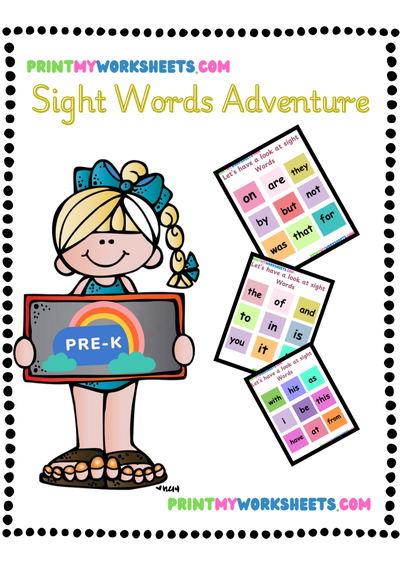
The Kindergarten Sight Words Worksheet PDF is designed to help young learners build early reading confidence through structured, engaging practice. This free printable PDF supports U.S. parents, teachers, and homeschool families who want to strengthen foundational literacy skills at home or in the classroom.
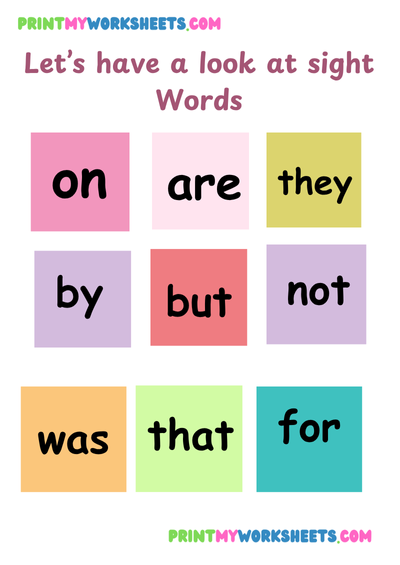
Sight words are high-frequency words that children are encouraged to recognize instantly without sounding them out. In kindergarten, students begin learning essential words such as “the,” “and,” “is,” and “can.” Mastering these common words allows children to read simple sentences more fluently and with greater understanding.
This worksheet collection provides clear, age-appropriate activities that help children recognize, read, trace, and write frequently used words. With consistent exposure and practice, young learners begin to build automatic word recognition skills, which are essential for reading success in first grade and beyond.
What Students Will Learn?
These kindergarten sight word worksheets focus on helping students quickly recognize and correctly use high-frequency words in context. The activities are carefully structured to match the developmental level of kindergarten learners.
Students will practice:
Identifying common high-frequency words
Tracing and writing sight words
Reading simple sentences that include familiar words
Matching words to pictures
Completing fill-in-the-blank sentences
Building short phrases using known vocabulary
The worksheets support gradual learning. Children begin by recognizing individual words, then progress to reading short phrases and sentences. This step-by-step approach ensures students feel successful while strengthening reading fluency.
Each activity is designed to be clear and manageable. Directions are simple, and tasks are visually organized to reduce frustration. By practicing word recognition in multiple ways—reading, writing, and matching—students reinforce learning through repetition.
Aligned with U.S. kindergarten literacy standards, these worksheets help develop early decoding skills while also strengthening vocabulary and comprehension. The goal is to build automatic recognition so students can focus more on understanding what they read.
Educational Value & Skill Development
The Kindergarten Sight Words Worksheet PDF supports essential early literacy development. Sight word mastery is a major milestone in kindergarten reading instruction, as it allows students to recognize frequently used words without decoding each letter.
Academically, recognizing common words quickly improves reading fluency. When children do not need to stop and sound out every word, they can read sentences more smoothly and with better expression. This builds comprehension because students can focus on meaning rather than decoding.
Cognitively, sight word practice strengthens memory and visual recognition skills. Repeated exposure helps students store words in long-term memory, making recall faster and more automatic.
Writing activities also improve fine motor skills and reinforce spelling patterns. When students trace and write words, they connect visual recognition with physical practice, strengthening retention.
Most importantly, confidence grows as children realize they can read sentences independently. Early reading success motivates students to practice more, which leads to steady progress throughout elementary school.
Why Focus on Sight Words?
Sight words form the foundation of early reading. In kindergarten classrooms across the United States, students are introduced to high-frequency word lists that appear often in children’s books and reading materials.
These words do not always follow standard phonics patterns, which means students benefit from memorizing them by sight. When children instantly recognize words like “you,” “was,” or “said,” their reading becomes smoother and more natural.
Repetition is essential. Seeing the same words in different contexts helps children build familiarity and recall. Guided practice, combined with independent review, ensures steady growth.
Strong sight word knowledge supports success in first grade and beyond. As reading materials become more complex, students rely on quick word recognition to maintain fluency and comprehension. Developing these skills early ensures a strong literacy foundation.
How to Use These Worksheets?
The Kindergarten Sight Words Worksheet PDF can be used in a variety of learning environments. Teachers may include the worksheets in literacy centers, small reading groups, or independent seatwork. They also work well for morning work or homework practice.
Homeschool families can incorporate the worksheets into a daily reading routine. Reviewing words aloud before completing the page helps reinforce pronunciation and recognition. Parents may also turn the activities into interactive games by timing word reading or creating simple flashcards.
Because this resource is provided as a free printable PDF, it can be downloaded and printed as needed. The pages can be reused throughout the year for review, especially before reading assessments or report periods.
These worksheets are ideal for reinforcement and extra practice. Students who need additional support can revisit word lists regularly, while confident readers can use the activities for fluency-building practice.
Related Worksheets / Extensions:
Frequently Asked Questions
Q1. Is this worksheet free to download?Yes, this worksheet is 100% free to download and print. No account, subscription, or payment is required. Click the Download Now button to get your free PDF instantly.Q2. What format is this worksheet available in?This worksheet is available as a printable PDF file. It is black-and-white, printer-friendly, and works on any standard home or classroom printer using A4 or US Letter paper.Q3. Can I use this worksheet for both classroom and home learning?Yes, these worksheets are designed for use by classroom teachers, homeschool parents, and tutors. They can be used as morning work, homework, revision practice, or learning centre activities.Q4. Is this worksheet aligned with Common Core ELA standards?Yes, this English worksheet is aligned with U.S. Common Core English Language Arts standards and supports foundational literacy development.Q5. Is this worksheet suitable for ESL or ELL students?This worksheet can be used as a supplemental resource for ESL and ELL students, particularly for vocabulary building and language pattern practice.Kindergarten Sight Words Worksheet PDF – Easy Home Reading Review Pack
Kindergarten Sight Words Worksheet PDF
The Kindergarten Sight Words Worksheet PDF is designed to help young learners build early reading confidence through structured, engaging practice. This free printable PDF supports U.S. parents, teachers, and homeschool families who want to strengthen foundational literacy skills at home or in the classroom.
Sight words are high-frequency words that children are encouraged to recognize instantly without sounding them out. In kindergarten, students begin learning essential words such as “the,” “and,” “is,” and “can.” Mastering these common words allows children to read simple sentences more fluently and with greater understanding.
This worksheet collection provides clear, age-appropriate activities that help children recognize, read, trace, and write frequently used words. With consistent exposure and practice, young learners begin to build automatic word recognition skills, which are essential for reading success in first grade and beyond.
What Students Will Learn?
These kindergarten sight word worksheets focus on helping students quickly recognize and correctly use high-frequency words in context. The activities are carefully structured to match the developmental level of kindergarten learners.
Students will practice:
Identifying common high-frequency words
Tracing and writing sight words
Reading simple sentences that include familiar words
Matching words to pictures
Completing fill-in-the-blank sentences
Building short phrases using known vocabulary
The worksheets support gradual learning. Children begin by recognizing individual words, then progress to reading short phrases and sentences. This step-by-step approach ensures students feel successful while strengthening reading fluency.
Each activity is designed to be clear and manageable. Directions are simple, and tasks are visually organized to reduce frustration. By practicing word recognition in multiple ways—reading, writing, and matching—students reinforce learning through repetition.
Aligned with U.S. kindergarten literacy standards, these worksheets help develop early decoding skills while also strengthening vocabulary and comprehension. The goal is to build automatic recognition so students can focus more on understanding what they read.
Educational Value & Skill Development
The Kindergarten Sight Words Worksheet PDF supports essential early literacy development. Sight word mastery is a major milestone in kindergarten reading instruction, as it allows students to recognize frequently used words without decoding each letter.
Academically, recognizing common words quickly improves reading fluency. When children do not need to stop and sound out every word, they can read sentences more smoothly and with better expression. This builds comprehension because students can focus on meaning rather than decoding.
Cognitively, sight word practice strengthens memory and visual recognition skills. Repeated exposure helps students store words in long-term memory, making recall faster and more automatic.
Writing activities also improve fine motor skills and reinforce spelling patterns. When students trace and write words, they connect visual recognition with physical practice, strengthening retention.
Most importantly, confidence grows as children realize they can read sentences independently. Early reading success motivates students to practice more, which leads to steady progress throughout elementary school.
Why Focus on Sight Words?
Sight words form the foundation of early reading. In kindergarten classrooms across the United States, students are introduced to high-frequency word lists that appear often in children’s books and reading materials.
These words do not always follow standard phonics patterns, which means students benefit from memorizing them by sight. When children instantly recognize words like “you,” “was,” or “said,” their reading becomes smoother and more natural.
Repetition is essential. Seeing the same words in different contexts helps children build familiarity and recall. Guided practice, combined with independent review, ensures steady growth.
Strong sight word knowledge supports success in first grade and beyond. As reading materials become more complex, students rely on quick word recognition to maintain fluency and comprehension. Developing these skills early ensures a strong literacy foundation.
How to Use These Worksheets?
The Kindergarten Sight Words Worksheet PDF can be used in a variety of learning environments. Teachers may include the worksheets in literacy centers, small reading groups, or independent seatwork. They also work well for morning work or homework practice.
Homeschool families can incorporate the worksheets into a daily reading routine. Reviewing words aloud before completing the page helps reinforce pronunciation and recognition. Parents may also turn the activities into interactive games by timing word reading or creating simple flashcards.
Because this resource is provided as a free printable PDF, it can be downloaded and printed as needed. The pages can be reused throughout the year for review, especially before reading assessments or report periods.
These worksheets are ideal for reinforcement and extra practice. Students who need additional support can revisit word lists regularly, while confident readers can use the activities for fluency-building practice.
Related Worksheets / Extensions:
Frequently Asked Questions
Q1. Is this worksheet free to download?Yes, this worksheet is 100% free to download and print. No account, subscription, or payment is required. Click the Download Now button to get your free PDF instantly.Q2. What format is this worksheet available in?This worksheet is available as a printable PDF file. It is black-and-white, printer-friendly, and works on any standard home or classroom printer using A4 or US Letter paper.Q3. Can I use this worksheet for both classroom and home learning?Yes, these worksheets are designed for use by classroom teachers, homeschool parents, and tutors. They can be used as morning work, homework, revision practice, or learning centre activities.Q4. Is this worksheet aligned with Common Core ELA standards?Yes, this English worksheet is aligned with U.S. Common Core English Language Arts standards and supports foundational literacy development.Q5. Is this worksheet suitable for ESL or ELL students?This worksheet can be used as a supplemental resource for ESL and ELL students, particularly for vocabulary building and language pattern practice.
Kindergarten Beginning Sounds Worksheets Free PDF
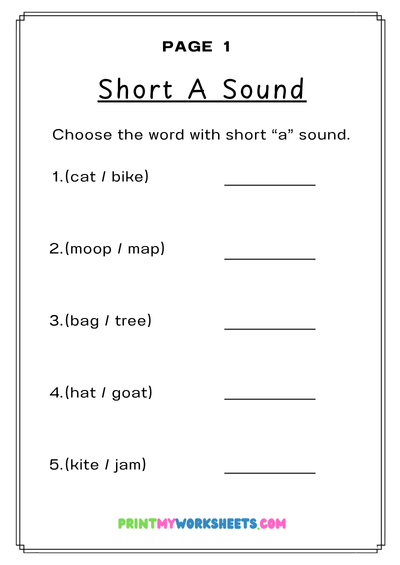
Support early literacy success with our engaging Kindergarten Beginning Sounds Worksheets designed for kids, homeschool parents, teachers, and classrooms following the US curriculum. These free downloadable PDF worksheets help young learners recognize and practice beginning letter sounds through fun and interactive phonics activities that make learning enjoyable and effective.
Learning beginning sounds is an essential step in developing strong reading and writing skills. These worksheets help children connect letters with their sounds, improve phonemic awareness, strengthen pronunciation, and build vocabulary confidence. Recognizing beginning sounds also supports early decoding skills, spelling development, and reading fluency, creating a strong foundation for future literacy success.
The printable worksheets include picture matching, letter-sound recognition activities, tracing exercises, cut-and-paste tasks, coloring activities, and phonics games that keep kindergarten students engaged and motivated. These activities are perfect for homeschool lessons, classroom literacy centers, homework practice, independent learning, and extra phonics review.
The easy-to-download PDF format allows parents and teachers to quickly print educational resources anytime for flexible learning at home or school. These beginning sounds worksheets encourage children to become confident readers while improving listening, speaking, and language development skills.
Download our free Kindergarten English Beginning Sounds Worksheets today and make early phonics learning fun, interactive, and rewarding for young learners.
Frequently Asked Questions
Q1. Is this worksheet free to download?Yes, this worksheet is 100% free to download and print. No account, subscription, or payment is required. Click the Download Now button to get your free PDF instantly.Q2. What format is this worksheet available in?This worksheet is available as a printable PDF file. It is black-and-white, printer-friendly, and works on any standard home or classroom printer using A4 or US Letter paper.Q3. Do I need to create an account to download this worksheet?No account or sign-up is required. All worksheets on Print My Worksheets are freely accessible to teachers, parents, and homeschool families without any registration.Q4. Is this worksheet aligned with Common Core ELA standards?Yes, this English worksheet is aligned with U.S. Common Core English Language Arts standards and supports foundational literacy development.Q5. Can this worksheet be used for phonics instruction?Yes, this worksheet supports phonics-based reading instruction and is suitable for early readers building letter-sound recognition skills.Kindergarten Beginning Sounds Worksheets Free PDF
Support early literacy success with our engaging Kindergarten Beginning Sounds Worksheets designed for kids, homeschool parents, teachers, and classrooms following the US curriculum. These free downloadable PDF worksheets help young learners recognize and practice beginning letter sounds through fun and interactive phonics activities that make learning enjoyable and effective.
Learning beginning sounds is an essential step in developing strong reading and writing skills. These worksheets help children connect letters with their sounds, improve phonemic awareness, strengthen pronunciation, and build vocabulary confidence. Recognizing beginning sounds also supports early decoding skills, spelling development, and reading fluency, creating a strong foundation for future literacy success.
The printable worksheets include picture matching, letter-sound recognition activities, tracing exercises, cut-and-paste tasks, coloring activities, and phonics games that keep kindergarten students engaged and motivated. These activities are perfect for homeschool lessons, classroom literacy centers, homework practice, independent learning, and extra phonics review.
The easy-to-download PDF format allows parents and teachers to quickly print educational resources anytime for flexible learning at home or school. These beginning sounds worksheets encourage children to become confident readers while improving listening, speaking, and language development skills.
Download our free Kindergarten English Beginning Sounds Worksheets today and make early phonics learning fun, interactive, and rewarding for young learners.
Frequently Asked Questions
Q1. Is this worksheet free to download?Yes, this worksheet is 100% free to download and print. No account, subscription, or payment is required. Click the Download Now button to get your free PDF instantly.Q2. What format is this worksheet available in?This worksheet is available as a printable PDF file. It is black-and-white, printer-friendly, and works on any standard home or classroom printer using A4 or US Letter paper.Q3. Do I need to create an account to download this worksheet?No account or sign-up is required. All worksheets on Print My Worksheets are freely accessible to teachers, parents, and homeschool families without any registration.Q4. Is this worksheet aligned with Common Core ELA standards?Yes, this English worksheet is aligned with U.S. Common Core English Language Arts standards and supports foundational literacy development.Q5. Can this worksheet be used for phonics instruction?Yes, this worksheet supports phonics-based reading instruction and is suitable for early readers building letter-sound recognition skills.
Kindergarten Body Parts Worksheets PDF Free | English Downloadable
Kindergarten Body Parts Worksheets PDF Free
The Kindergarten Body Parts Worksheets PDF Free resource is designed to help young learners identify and understand basic body parts in a simple, engaging way. This free printable PDF is ideal for U.S. parents, teachers, and homeschool families who want structured, age-appropriate activities that support early science and vocabulary development.
In kindergarten, children begin learning about themselves and the world around them. Understanding body parts is an important part of early education because it builds self-awareness, strengthens vocabulary, and supports communication skills. When students can correctly name parts of the body, they are better able to describe actions, feelings, and physical needs.
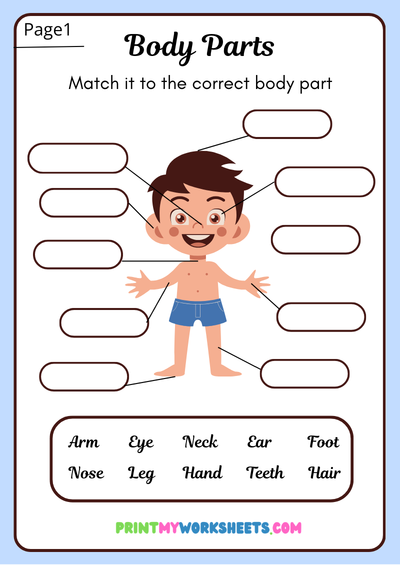
This worksheet collection provides interactive practice through labeling, matching, tracing, and simple writing activities. With repeated exposure and guided instruction, children gain confidence while building foundational knowledge that connects to health, science, and language learning.
What Students Will Learn?
These kindergarten body parts worksheets focus on helping students recognize, name, and describe common body parts. Activities are designed to match the developmental stage of kindergarten learners, using clear visuals and simple instructions.
Students will learn to:
Identify major body parts such as head, arms, legs, hands, and feet
Match pictures to correct body part names
Trace and write simple vocabulary words
Label parts of the body on diagrams
Understand how different body parts help us move and function
Strengthen listening and speaking skills through vocabulary practice
The worksheets include a variety of activity types to keep children engaged. Some pages may ask students to circle the correct word, while others encourage drawing lines to match labels to pictures. These varied formats help reinforce understanding through repetition and visual learning.
The activities align with U.S. kindergarten standards in science and English Language Arts. By combining vocabulary development with simple labeling exercises, students strengthen both language and conceptual understanding in an integrated way.
Educational Value & Skill Development
The Kindergarten Body Parts Worksheets PDF Free supports academic growth while encouraging curiosity about the human body. Learning body part names builds early science knowledge and strengthens communication skills.
Academically, students expand their vocabulary by connecting words to visual representations. Recognizing and labeling body parts helps children understand how language describes the physical world. This knowledge supports reading comprehension when body-related words appear in stories or informational texts.
Cognitively, labeling and matching activities improve memory and visual discrimination skills. Children learn to observe carefully and identify differences between similar images. These skills are important for early literacy development.
Fine motor skills are also strengthened through tracing and writing practice. As students trace vocabulary words, they develop better pencil control and hand coordination, which are essential for writing readiness.
Confidence grows as children correctly identify and name parts of the body. This self-awareness supports social-emotional development, as students gain language to express needs and describe physical experiences. Through structured and supportive practice, young learners build a strong foundation for future science and language learning.
Why Focus on Body Parts?
Learning about body parts is an important component of early childhood education. In kindergarten, children are naturally curious about how their bodies work and how they move. Providing structured learning opportunities supports that curiosity in a meaningful way.
Understanding body parts helps children communicate clearly. When students can say “arm,” “knee,” or “shoulder,” they can describe actions, injuries, or physical sensations more accurately. This improves both classroom communication and everyday interactions.
Repetition and guided practice help reinforce vocabulary retention. Seeing body part names in print and connecting them to pictures strengthens understanding and memory.
This skill also connects to health education and personal safety awareness. When children can correctly name parts of the body, they are better equipped to understand instructions and express themselves clearly.
Building foundational science vocabulary in kindergarten prepares students for more detailed lessons about the human body in later grades.
How to Use These Worksheets?
The Kindergarten Body Parts Worksheets PDF Free can be used in classrooms, homeschool settings, and small-group instruction. Teachers may introduce the topic during science lessons or health units, then assign worksheets for reinforcement.
In homeschool environments, parents can use these pages as part of a weekly science or vocabulary routine. Reviewing the names of body parts aloud before beginning the worksheet helps strengthen oral language skills.
Since the resource is provided as a free printable PDF, it can be easily downloaded and printed whenever needed. Pages may be reused for review throughout the school year.
These worksheets also work well for independent practice or literacy centers. Students can complete labeling and matching tasks on their own while reinforcing vocabulary. The simple layout makes the activities manageable for young learners.
Related Worksheets / Extensions:
You may also like:
Kindergarten five senses worksheets
Preschool health and hygiene activities
Kindergarten vocabulary building worksheets
Early science worksheets for young learners
First grade human body worksheets
The Kindergarten Body Parts Worksheets PDF Free pairs well with additional early science and vocabulary resources. Combining body part identification with lessons about the five senses or healthy habits creates a well-rounded learning experience. With consistent practice and guided instruction, children build essential vocabulary and gain confidence in understanding themselves and the world around them.
You may also like:
[gallery ids="7066,6966,6689"]Frequently Asked Questions
Q1. What format is this worksheet available in?This worksheet is available as a printable PDF file. It is black-and-white, printer-friendly, and works on any standard home or classroom printer using A4 or US Letter paper.Q2. Is this worksheet free to download?Yes, this worksheet is 100% free to download and print. No account, subscription, or payment is required. Click the Download Now button to get your free PDF instantly.Q3. Can I use this worksheet for both classroom and home learning?Yes, these worksheets are designed for use by classroom teachers, homeschool parents, and tutors. They can be used as morning work, homework, revision practice, or learning centre activities.Q4.Q4. Is this worksheet aligned with Common Core ELA standards?Yes, this English worksheet is aligned with U.S. Common Core English Language Arts standards and supports foundational literacy development.Q5. Can this worksheet be used for phonics instruction?Yes, this worksheet supports phonics-based reading instruction and is suitable for early readers building letter-sound recognition skills.Kindergarten Body Parts Worksheets PDF Free | English Downloadable
Kindergarten Body Parts Worksheets PDF Free
The Kindergarten Body Parts Worksheets PDF Free resource is designed to help young learners identify and understand basic body parts in a simple, engaging way. This free printable PDF is ideal for U.S. parents, teachers, and homeschool families who want structured, age-appropriate activities that support early science and vocabulary development.
In kindergarten, children begin learning about themselves and the world around them. Understanding body parts is an important part of early education because it builds self-awareness, strengthens vocabulary, and supports communication skills. When students can correctly name parts of the body, they are better able to describe actions, feelings, and physical needs.
This worksheet collection provides interactive practice through labeling, matching, tracing, and simple writing activities. With repeated exposure and guided instruction, children gain confidence while building foundational knowledge that connects to health, science, and language learning.
What Students Will Learn?
These kindergarten body parts worksheets focus on helping students recognize, name, and describe common body parts. Activities are designed to match the developmental stage of kindergarten learners, using clear visuals and simple instructions.
Students will learn to:
Identify major body parts such as head, arms, legs, hands, and feet
Match pictures to correct body part names
Trace and write simple vocabulary words
Label parts of the body on diagrams
Understand how different body parts help us move and function
Strengthen listening and speaking skills through vocabulary practice
The worksheets include a variety of activity types to keep children engaged. Some pages may ask students to circle the correct word, while others encourage drawing lines to match labels to pictures. These varied formats help reinforce understanding through repetition and visual learning.
The activities align with U.S. kindergarten standards in science and English Language Arts. By combining vocabulary development with simple labeling exercises, students strengthen both language and conceptual understanding in an integrated way.
Educational Value & Skill Development
The Kindergarten Body Parts Worksheets PDF Free supports academic growth while encouraging curiosity about the human body. Learning body part names builds early science knowledge and strengthens communication skills.
Academically, students expand their vocabulary by connecting words to visual representations. Recognizing and labeling body parts helps children understand how language describes the physical world. This knowledge supports reading comprehension when body-related words appear in stories or informational texts.
Cognitively, labeling and matching activities improve memory and visual discrimination skills. Children learn to observe carefully and identify differences between similar images. These skills are important for early literacy development.
Fine motor skills are also strengthened through tracing and writing practice. As students trace vocabulary words, they develop better pencil control and hand coordination, which are essential for writing readiness.
Confidence grows as children correctly identify and name parts of the body. This self-awareness supports social-emotional development, as students gain language to express needs and describe physical experiences. Through structured and supportive practice, young learners build a strong foundation for future science and language learning.
Why Focus on Body Parts?
Learning about body parts is an important component of early childhood education. In kindergarten, children are naturally curious about how their bodies work and how they move. Providing structured learning opportunities supports that curiosity in a meaningful way.
Understanding body parts helps children communicate clearly. When students can say “arm,” “knee,” or “shoulder,” they can describe actions, injuries, or physical sensations more accurately. This improves both classroom communication and everyday interactions.
Repetition and guided practice help reinforce vocabulary retention. Seeing body part names in print and connecting them to pictures strengthens understanding and memory.
This skill also connects to health education and personal safety awareness. When children can correctly name parts of the body, they are better equipped to understand instructions and express themselves clearly.
Building foundational science vocabulary in kindergarten prepares students for more detailed lessons about the human body in later grades.
How to Use These Worksheets?
The Kindergarten Body Parts Worksheets PDF Free can be used in classrooms, homeschool settings, and small-group instruction. Teachers may introduce the topic during science lessons or health units, then assign worksheets for reinforcement.
In homeschool environments, parents can use these pages as part of a weekly science or vocabulary routine. Reviewing the names of body parts aloud before beginning the worksheet helps strengthen oral language skills.
Since the resource is provided as a free printable PDF, it can be easily downloaded and printed whenever needed. Pages may be reused for review throughout the school year.
These worksheets also work well for independent practice or literacy centers. Students can complete labeling and matching tasks on their own while reinforcing vocabulary. The simple layout makes the activities manageable for young learners.
Related Worksheets / Extensions:
You may also like:
Kindergarten five senses worksheets
Preschool health and hygiene activities
Kindergarten vocabulary building worksheets
Early science worksheets for young learners
First grade human body worksheets
The Kindergarten Body Parts Worksheets PDF Free pairs well with additional early science and vocabulary resources. Combining body part identification with lessons about the five senses or healthy habits creates a well-rounded learning experience. With consistent practice and guided instruction, children build essential vocabulary and gain confidence in understanding themselves and the world around them.