
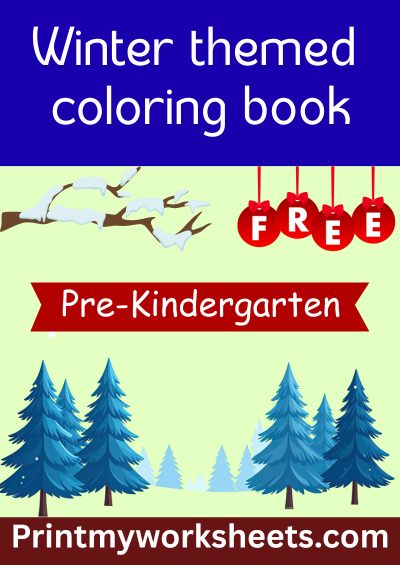
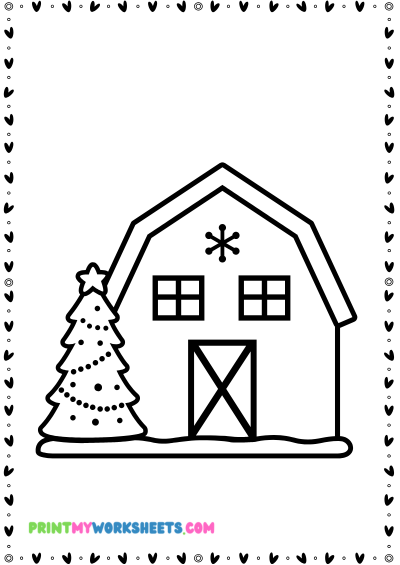
Pre-K Winter Coloring Worksheets PDF – Classroom Morning Work and Art Activities
Download free Pre-K Winter Coloring Worksheets PDF to help kids build fine motor skills, creativity, and early vocabulary through fun seasonal illustrations. Perfect for US teachers, homeschool parents, and preschool learners.
Click below to access the free Pre-K Winter Coloring Worksheets PDF
Continue Learning
Explore more worksheets to build your child’s English skills.

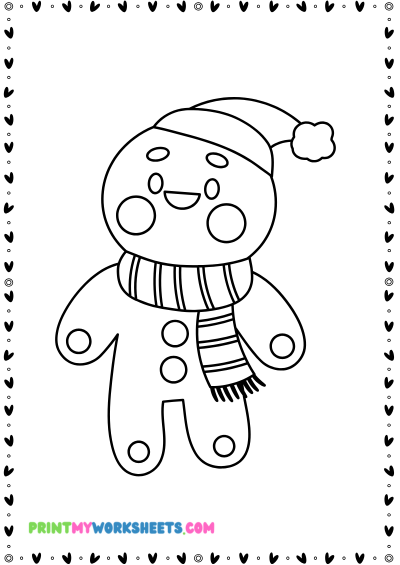
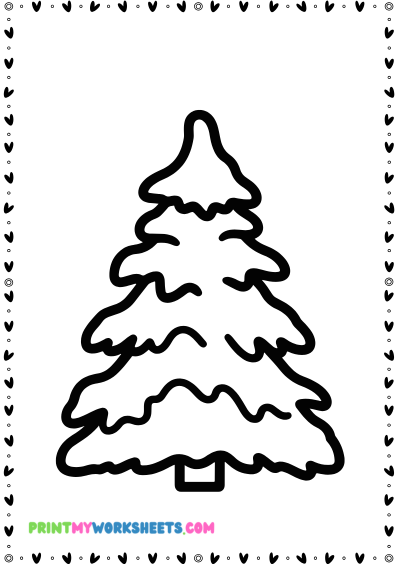
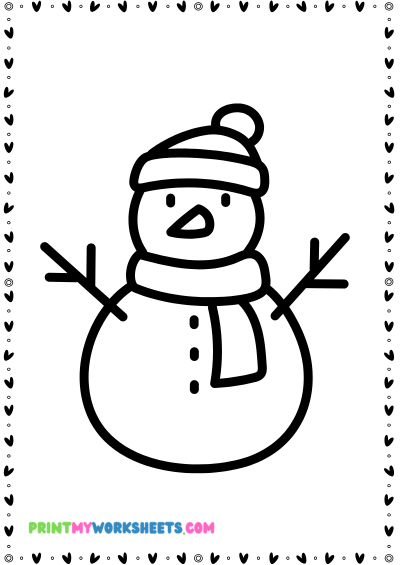
Bring seasonal fun and creativity into early learning with our Pre-K Winter Coloring Worksheets PDF, designed for US teachers, homeschool parents, and young learners. These charming winter-themed pages feature snowflakes, snowmen, penguins, mittens, winter animals, and cozy seasonal scenes that encourage children to explore creativity while developing essential early skills.
Coloring activities play a vital role in early childhood development. These winter coloring worksheets help strengthen fine motor skills, hand–eye coordination, pencil grip, and focus. They also support early vocabulary development as children identify winter-related objects and scenes. The calming nature of coloring promotes concentration and helps children express themselves creatively, making learning both enjoyable and meaningful.
Teachers can use these worksheets for classroom art centers, quiet time activities, indoor recess, holiday units, or seasonal learning stations. Homeschool parents appreciate the printable PDF format and simple, screen-free activity that keeps children engaged during the winter months.
Download the free PDF today and give your Pre-K learner a fun, educational winter coloring experience. These winter-themed coloring book worksheets combine creativity and learning to support early development in an engaging and age-appropriate way.
You may also like:
Frequently Asked Questions
Q1. What format is this worksheet available in?
This worksheet is available as a printable PDF file. It is black-and-white, printer-friendly, and works on any standard home or classroom printer using A4 or US Letter paper.
Q2. Is this worksheet free to download?
Yes, this worksheet is 100% free to download and print. No account, subscription, or payment is required. Click the Download Now button to get your free PDF instantly.
Q3. Can I use this worksheet for both classroom and home learning?
Yes, these worksheets are designed for use by classroom teachers, homeschool parents, and tutors. They can be used as morning work, homework, revision practice, or learning centre activities.
Q4. What skills does coloring develop in young children?
Coloring activities develop fine motor skills, pencil grip, hand-eye coordination, colour recognition, and focus — all essential skills for early childhood development.
Q5. Can this coloring worksheet be used as a classroom activity?
Yes, this worksheet works well as a quiet time activity, early finisher work, morning warm-up, or take-home creative activity.
You may also like…
End of Year Activities Journal Worksheets PDF | Free First Grade Downloadab
1st Grade End of Year Activities Journal Worksheets PDF
The end of the school year is an exciting time for young learners. It provides an opportunity for students to reflect on their experiences, celebrate their progress, and express their thoughts about the year they have completed. The 1st Grade End of Year Activities Journal Worksheets PDF is designed to help students capture these memories through simple writing and reflection activities. These worksheets are helpful for U.S. teachers, parents, and homeschool families who want to encourage students to think about what they learned and experienced throughout the year.
Reflection activities allow first grade students to organize their thoughts, remember meaningful moments, and practice expressing ideas through writing and drawing. These journal-style worksheets provide guided prompts that help children talk about their favorite lessons, classroom memories, and goals for the future.
The 1st Grade End of Year Activities Journal Worksheets PDF offers structured writing opportunities that are age-appropriate and engaging. Students can reflect on friendships, favorite subjects, and personal accomplishments while strengthening their writing skills. These activities provide a meaningful way for children to celebrate their learning journey and prepare for the next school year.
What Students Will Learn?
End-of-year journal worksheets help first grade students reflect on their experiences and practice expressing their thoughts through simple writing activities. These exercises encourage children to think about what they learned, what they enjoyed, and how they grew throughout the school year.
Students will respond to guided prompts that encourage reflection. For example, they may write about their favorite classroom activity, the subject they enjoyed the most, or a new skill they learned during the year. These prompts help children organize their thoughts and communicate their ideas clearly.
Many worksheets also include drawing sections where students can illustrate their memories. Combining writing with drawing helps students express their thoughts more comfortably and creatively.
These activities also strengthen sentence-building skills. First grade learners practice writing short sentences while using vocabulary related to school experiences and personal reflections.
Journal worksheets may also encourage students to think about goals for the future. Writing about what they want to learn next year helps students develop a growth mindset and positive attitude toward learning.
Through these reflective activities, children build confidence in their writing abilities while celebrating the progress they have made during the school year.
Educational Value & Skill Development
The 1st Grade End of Year Activities Journal Worksheets PDF supports important academic and emotional development for first grade students.
One major benefit is strengthening writing skills. Students practice forming sentences, expressing ideas, and organizing their thoughts in a clear way. These writing exercises help reinforce the foundational literacy skills that children develop during first grade.
The 1st Grade End of Year Activities Journal Worksheets PDF also encourages reflection and self-awareness. When children think about their favorite activities or proud moments, they learn to recognize their accomplishments and appreciate their progress.
These worksheets also support language development. Students expand their vocabulary as they describe their experiences, classroom activities, and friendships.
Another benefit is creativity. Drawing sections allow children to illustrate their memories and personalize their journal pages. This combination of writing and drawing makes the activity engaging and enjoyable.
These worksheets also help build confidence. Reflecting on achievements helps students feel proud of their work and motivates them to continue learning in the future.
By combining writing practice with reflection and creativity, these worksheets provide a balanced learning experience that supports both academic and emotional growth.
Why Focus on End of Year Activities Journal?
End-of-year reflection activities play an important role in helping students recognize their growth and celebrate their learning experiences. Young learners benefit from taking time to think about what they accomplished during the school year.
Writing about favorite moments and lessons helps students reinforce what they learned. It also helps them see how their skills improved over time.
Reflection activities also encourage students to develop communication skills. When children explain their thoughts through writing, they learn how to organize ideas and express themselves clearly.
These journal activities also support social and emotional learning. Students often write about friendships, classroom experiences, and personal achievements, which helps them develop positive connections with their learning environment.
Teachers in many first grade classrooms include reflection activities during the final weeks of school. These exercises help students transition from one grade level to the next while recognizing their progress.
Encouraging children to reflect on their learning helps them develop a sense of accomplishment and prepares them for future academic challenges.
How to Use These Worksheets?
The 1st Grade End of Year Activities Journal Worksheets PDF can be used in classrooms, homeschool settings, or independent learning environments during the final weeks of the school year.
Teachers often use these worksheets as part of end-of-year classroom activities. Students may complete one page each day as they reflect on different aspects of their school experience.
In classroom settings, teachers may guide discussions before students begin writing. For example, students might talk about their favorite classroom memory or the most interesting lesson they learned before recording their thoughts on the worksheet.
Parents who homeschool can also use the worksheets to encourage reflection on the year’s learning journey. Children may write about what they enjoyed studying or what they hope to learn next year.
Because the worksheets are provided as a free printable PDF, they can be downloaded and printed easily for classroom or home use. They can also be saved as keepsakes for students to look back on in the future.
These activities also work well for independent writing time. Students can complete the prompts at their own pace while practicing writing and creative expression.
Related Worksheets / Extensions:
You may also like:
• First grade writing prompt worksheets
• Beginning sentence writing worksheets for first grade
• Reflection journal worksheets for elementary students
• End-of-year classroom activities worksheets
• Early creative writing worksheets for young learners
The 1st Grade End of Year Activities Journal Worksheets PDF can also be paired with other writing and reflection activities that encourage students to express their thoughts and ideas. Combining journal prompts with storytelling exercises or drawing activities can help children expand their creativity and communication skills.
Teachers and parents may extend learning by encouraging students to share their reflections with classmates or family members. Talking about their experiences helps children develop confidence and strengthen their speaking skills.
With thoughtful reflection and writing practice, first grade students can celebrate their accomplishments and feel excited about the next stage of their learning journey.
Frequently Asked Questions
Q1. Is this worksheet free to download?Yes, this worksheet is 100% free to download and print. No account, subscription, or payment is required. Click the Download Now button to get your free PDF instantly.Q2. What format is this worksheet available in?This worksheet is available as a printable PDF file. It is black-and-white, printer-friendly, and works on any standard home or classroom printer using A4 or US Letter paper.Q3. Can I use this worksheet for both classroom and home learning?Yes, these worksheets are designed for use by classroom teachers, homeschool parents, and tutors. They can be used as morning work, homework, revision practice, or learning centre activities.Q4. Is this worksheet aligned with Common Core ELA standards?Yes, this English worksheet is aligned with U.S. Common Core English Language Arts standards and supports foundational literacy development.Q5. Can this worksheet be used for phonics instruction?Yes, this worksheet supports phonics-based reading instruction and is suitable for early readers building letter-sound recognition skills.End of Year Activities Journal Worksheets PDF | Free First Grade Downloadab
1st Grade End of Year Activities Journal Worksheets PDF
The end of the school year is an exciting time for young learners. It provides an opportunity for students to reflect on their experiences, celebrate their progress, and express their thoughts about the year they have completed. The 1st Grade End of Year Activities Journal Worksheets PDF is designed to help students capture these memories through simple writing and reflection activities. These worksheets are helpful for U.S. teachers, parents, and homeschool families who want to encourage students to think about what they learned and experienced throughout the year.
Reflection activities allow first grade students to organize their thoughts, remember meaningful moments, and practice expressing ideas through writing and drawing. These journal-style worksheets provide guided prompts that help children talk about their favorite lessons, classroom memories, and goals for the future.
The 1st Grade End of Year Activities Journal Worksheets PDF offers structured writing opportunities that are age-appropriate and engaging. Students can reflect on friendships, favorite subjects, and personal accomplishments while strengthening their writing skills. These activities provide a meaningful way for children to celebrate their learning journey and prepare for the next school year.
What Students Will Learn?
End-of-year journal worksheets help first grade students reflect on their experiences and practice expressing their thoughts through simple writing activities. These exercises encourage children to think about what they learned, what they enjoyed, and how they grew throughout the school year.
Students will respond to guided prompts that encourage reflection. For example, they may write about their favorite classroom activity, the subject they enjoyed the most, or a new skill they learned during the year. These prompts help children organize their thoughts and communicate their ideas clearly.
Many worksheets also include drawing sections where students can illustrate their memories. Combining writing with drawing helps students express their thoughts more comfortably and creatively.
These activities also strengthen sentence-building skills. First grade learners practice writing short sentences while using vocabulary related to school experiences and personal reflections.
Journal worksheets may also encourage students to think about goals for the future. Writing about what they want to learn next year helps students develop a growth mindset and positive attitude toward learning.
Through these reflective activities, children build confidence in their writing abilities while celebrating the progress they have made during the school year.
Educational Value & Skill Development
The 1st Grade End of Year Activities Journal Worksheets PDF supports important academic and emotional development for first grade students.
One major benefit is strengthening writing skills. Students practice forming sentences, expressing ideas, and organizing their thoughts in a clear way. These writing exercises help reinforce the foundational literacy skills that children develop during first grade.
The 1st Grade End of Year Activities Journal Worksheets PDF also encourages reflection and self-awareness. When children think about their favorite activities or proud moments, they learn to recognize their accomplishments and appreciate their progress.
These worksheets also support language development. Students expand their vocabulary as they describe their experiences, classroom activities, and friendships.
Another benefit is creativity. Drawing sections allow children to illustrate their memories and personalize their journal pages. This combination of writing and drawing makes the activity engaging and enjoyable.
These worksheets also help build confidence. Reflecting on achievements helps students feel proud of their work and motivates them to continue learning in the future.
By combining writing practice with reflection and creativity, these worksheets provide a balanced learning experience that supports both academic and emotional growth.
Why Focus on End of Year Activities Journal?
End-of-year reflection activities play an important role in helping students recognize their growth and celebrate their learning experiences. Young learners benefit from taking time to think about what they accomplished during the school year.
Writing about favorite moments and lessons helps students reinforce what they learned. It also helps them see how their skills improved over time.
Reflection activities also encourage students to develop communication skills. When children explain their thoughts through writing, they learn how to organize ideas and express themselves clearly.
These journal activities also support social and emotional learning. Students often write about friendships, classroom experiences, and personal achievements, which helps them develop positive connections with their learning environment.
Teachers in many first grade classrooms include reflection activities during the final weeks of school. These exercises help students transition from one grade level to the next while recognizing their progress.
Encouraging children to reflect on their learning helps them develop a sense of accomplishment and prepares them for future academic challenges.
How to Use These Worksheets?
The 1st Grade End of Year Activities Journal Worksheets PDF can be used in classrooms, homeschool settings, or independent learning environments during the final weeks of the school year.
Teachers often use these worksheets as part of end-of-year classroom activities. Students may complete one page each day as they reflect on different aspects of their school experience.
In classroom settings, teachers may guide discussions before students begin writing. For example, students might talk about their favorite classroom memory or the most interesting lesson they learned before recording their thoughts on the worksheet.
Parents who homeschool can also use the worksheets to encourage reflection on the year’s learning journey. Children may write about what they enjoyed studying or what they hope to learn next year.
Because the worksheets are provided as a free printable PDF, they can be downloaded and printed easily for classroom or home use. They can also be saved as keepsakes for students to look back on in the future.
These activities also work well for independent writing time. Students can complete the prompts at their own pace while practicing writing and creative expression.
The 1st Grade End of Year Activities Journal Worksheets PDF can be used in classrooms, homeschool settings, or independent learning environments during the final weeks of the school year.
Teachers often use these worksheets as part of end-of-year classroom activities. Students may complete one page each day as they reflect on different aspects of their school experience.
In classroom settings, teachers may guide discussions before students begin writing. For example, students might talk about their favorite classroom memory or the most interesting lesson they learned before recording their thoughts on the worksheet.
Parents who homeschool can also use the worksheets to encourage reflection on the year’s learning journey. Children may write about what they enjoyed studying or what they hope to learn next year.
Because the worksheets are provided as a free printable PDF, they can be downloaded and printed easily for classroom or home use. They can also be saved as keepsakes for students to look back on in the future.
These activities also work well for independent writing time. Students can complete the prompts at their own pace while practicing writing and creative expression.
Related Worksheets / Extensions:
You may also like:
• First grade writing prompt worksheets
• Beginning sentence writing worksheets for first grade
• Reflection journal worksheets for elementary students
• End-of-year classroom activities worksheets
• Early creative writing worksheets for young learners
The 1st Grade End of Year Activities Journal Worksheets PDF can also be paired with other writing and reflection activities that encourage students to express their thoughts and ideas. Combining journal prompts with storytelling exercises or drawing activities can help children expand their creativity and communication skills.
Teachers and parents may extend learning by encouraging students to share their reflections with classmates or family members. Talking about their experiences helps children develop confidence and strengthen their speaking skills.
With thoughtful reflection and writing practice, first grade students can celebrate their accomplishments and feel excited about the next stage of their learning journey.
Frequently Asked Questions
Q1. Is this worksheet free to download?Yes, this worksheet is 100% free to download and print. No account, subscription, or payment is required. Click the Download Now button to get your free PDF instantly.Q2. What format is this worksheet available in?This worksheet is available as a printable PDF file. It is black-and-white, printer-friendly, and works on any standard home or classroom printer using A4 or US Letter paper.Q3. Can I use this worksheet for both classroom and home learning?Yes, these worksheets are designed for use by classroom teachers, homeschool parents, and tutors. They can be used as morning work, homework, revision practice, or learning centre activities.Q4. Is this worksheet aligned with Common Core ELA standards?Yes, this English worksheet is aligned with U.S. Common Core English Language Arts standards and supports foundational literacy development.Q5. Can this worksheet be used for phonics instruction?Yes, this worksheet supports phonics-based reading instruction and is suitable for early readers building letter-sound recognition skills.
Kindergarten A–Z Phonics Worksheets PDF | Free English Downloadable
Kindergarten A–Z Phonics Worksheets PDF
Building a strong foundation in reading begins with understanding letters and their sounds. The Kindergarten A–Z Phonics Worksheets PDF is designed to help young learners develop essential phonics skills through structured and engaging activities. These printable worksheets are created for U.S. teachers, parents, and homeschool families who want to support early literacy development in a clear and effective way.
In kindergarten, students are introduced to the alphabet and begin connecting letters with their corresponding sounds. This process is a key step in learning how to read and write. Practicing phonics from A to Z helps children recognize letters, understand sound patterns, and build confidence in decoding simple words.
The Kindergarten A–Z Phonics Worksheets PDF provides a comprehensive set of activities that guide students through each letter of the alphabet. With consistent practice, children learn to identify letters, associate them with sounds, and begin forming words. These worksheets support early reading development while making learning enjoyable and easy to follow.
What Students Will Learn?
A–Z phonics worksheets provide kindergarten students with structured opportunities to learn and practice letter recognition and sound association. These activities are carefully designed to match the developmental level of young learners.
Students begin by identifying uppercase and lowercase letters from A to Z. Recognizing both forms of each letter helps build familiarity and prepares students for reading and writing tasks.
Each worksheet focuses on a specific letter and its corresponding sound. Students practice saying the sound aloud, which strengthens phonemic awareness and helps them understand how letters represent sounds in words.
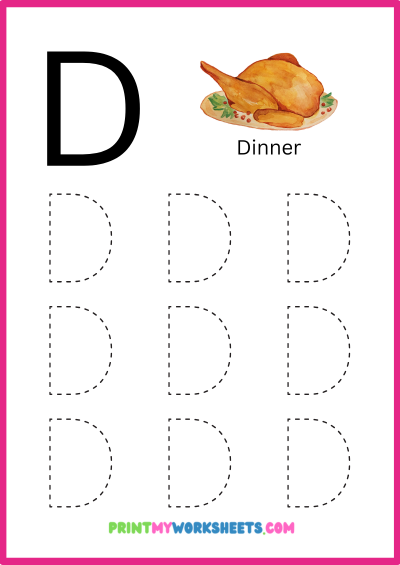
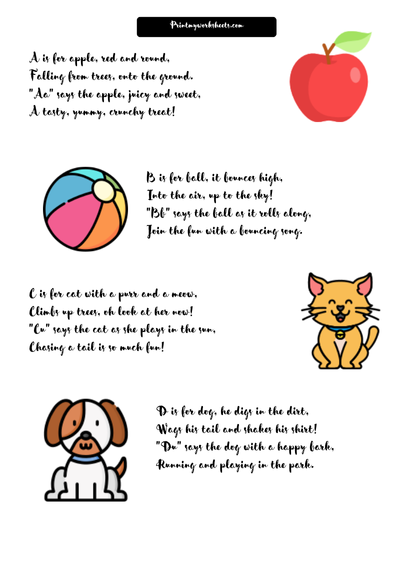
Activities often include tracing letters, circling the correct letter, and matching letters with pictures that begin with the same sound. For example, students may match the letter “B” with images like “ball” or “bird.”
Students also practice identifying beginning sounds in simple words. This helps them understand how sounds connect to letters and prepares them for reading short words.
Some worksheets include simple word-building activities that allow students to combine sounds and form basic words.
Through these structured exercises, kindergarten learners develop essential phonics skills that support early reading success.
Educational Value & Skill Development
The Kindergarten A–Z Phonics Worksheets PDF supports key areas of early literacy development and provides a strong foundation for reading and writing.
One of the primary benefits is improving letter recognition. By practicing each letter from A to Z, students become familiar with the alphabet and can quickly identify letters in different contexts.
The Kindergarten A–Z Phonics Worksheets PDF also strengthens phonemic awareness. Students learn to recognize individual sounds in words and understand how these sounds are represented by letters.
These worksheets help develop early decoding skills. As students connect letters with sounds, they begin to read simple words by blending sounds together.
Another important benefit is improving fine motor skills. Activities such as tracing letters and writing simple words help children develop hand control and coordination needed for writing.
Phonics practice also supports vocabulary development. When students match letters with pictures and words, they expand their understanding of language and word meanings.
Additionally, these worksheets build confidence. As children successfully complete activities and recognize letters and sounds, they feel more comfortable with reading tasks.
By combining visual, auditory, and hands-on activities, these worksheets provide a well-rounded approach to early literacy learning.
Why Focus on A–Z Phonics?
Phonics is one of the most important components of early reading instruction. Learning letter-sound relationships helps children understand how words are formed and how to read them.
Focusing on A–Z phonics ensures that students have a complete understanding of the alphabet. This knowledge is essential for recognizing words, spelling, and reading fluently.
In kindergarten classrooms across the United States, phonics instruction is a core part of the curriculum. Teachers use structured activities to help students connect letters with sounds and build early reading skills.
Learning phonics also supports writing development. When students understand how sounds correspond to letters, they can begin to write simple words independently.
Repetition and practice are key to mastering phonics. Regular exposure to letter sounds helps students remember and apply what they have learned.
Phonics activities also make learning interactive and engaging. Matching, tracing, and sound recognition tasks keep students actively involved in the learning process.
By focusing on A–Z phonics, students build a strong literacy foundation that supports reading comprehension and academic success in later grades.
How to Use These Worksheets?
The Kindergarten A–Z Phonics Worksheets PDF can be used in a variety of educational settings, including classrooms, homeschool environments, and independent learning activities.
Teachers often include phonics worksheets as part of daily literacy instruction. Students may complete one letter-focused worksheet each day to gradually build their understanding of the alphabet.
In classroom settings, teachers can guide students through activities such as identifying sounds, tracing letters, and matching pictures with beginning sounds.
Parents who homeschool can incorporate these worksheets into daily reading practice. Children can work on one or two letters at a time while reviewing previously learned sounds.
Because the worksheets are available as a free printable PDF, they are easy to download and print for repeated use. Teachers and parents can revisit the worksheets for review and reinforcement.
These worksheets also work well for small group instruction. Students can practice phonics together while receiving support and feedback from a teacher or parent.
The printable format allows for flexible use, making it easy to adapt the worksheets to different learning styles and needs.
Related Worksheets / Extensions:
You may also like:
• Kindergarten sight words worksheets
• Beginning sounds worksheets for early readers
• Letter tracing worksheets for handwriting practice
• CVC word worksheets for phonics development
• Early reading comprehension worksheets for kindergarten
The Kindergarten A–Z Phonics Worksheets PDF pairs well with other early literacy resources that focus on word building, sight words, and reading comprehension. Combining these materials helps students strengthen multiple language skills at the same time.
Teachers and parents can extend learning by encouraging children to practice letter sounds during everyday activities, such as identifying letters in books or objects around the home.
With consistent practice, kindergarten students develop strong phonics skills that prepare them for reading, writing, and continued academic success.
Frequently Asked Questions
Q1. Is this worksheet free to download?Yes, this worksheet is 100% free to download and print. No account, subscription, or payment is required. Click the Download Now button to get your free PDF instantly.Q2. What format is this worksheet available in?This worksheet is available as a printable PDF file. It is black-and-white, printer-friendly, and works on any standard home or classroom printer using A4 or US Letter paper.Q3. Can I use this worksheet for both classroom and home learning?Yes, these worksheets are designed for use by classroom teachers, homeschool parents, and tutors. They can be used as morning work, homework, revision practice, or learning centre activities.Q4. Is this worksheet aligned with Common Core ELA standards?Yes, this English worksheet is aligned with U.S. Common Core English Language Arts standards and supports foundational literacy development.Q5. Can this worksheet be used for phonics instruction?Yes, this worksheet supports phonics-based reading instruction and is suitable for early readers building letter-sound recognition skills.Kindergarten A–Z Phonics Worksheets PDF | Free English Downloadable
Kindergarten A–Z Phonics Worksheets PDF
Building a strong foundation in reading begins with understanding letters and their sounds. The Kindergarten A–Z Phonics Worksheets PDF is designed to help young learners develop essential phonics skills through structured and engaging activities. These printable worksheets are created for U.S. teachers, parents, and homeschool families who want to support early literacy development in a clear and effective way.
In kindergarten, students are introduced to the alphabet and begin connecting letters with their corresponding sounds. This process is a key step in learning how to read and write. Practicing phonics from A to Z helps children recognize letters, understand sound patterns, and build confidence in decoding simple words.
The Kindergarten A–Z Phonics Worksheets PDF provides a comprehensive set of activities that guide students through each letter of the alphabet. With consistent practice, children learn to identify letters, associate them with sounds, and begin forming words. These worksheets support early reading development while making learning enjoyable and easy to follow.
What Students Will Learn?
A–Z phonics worksheets provide kindergarten students with structured opportunities to learn and practice letter recognition and sound association. These activities are carefully designed to match the developmental level of young learners.
Students begin by identifying uppercase and lowercase letters from A to Z. Recognizing both forms of each letter helps build familiarity and prepares students for reading and writing tasks.
Each worksheet focuses on a specific letter and its corresponding sound. Students practice saying the sound aloud, which strengthens phonemic awareness and helps them understand how letters represent sounds in words.
Activities often include tracing letters, circling the correct letter, and matching letters with pictures that begin with the same sound. For example, students may match the letter “B” with images like “ball” or “bird.”
Students also practice identifying beginning sounds in simple words. This helps them understand how sounds connect to letters and prepares them for reading short words.
Some worksheets include simple word-building activities that allow students to combine sounds and form basic words.
Through these structured exercises, kindergarten learners develop essential phonics skills that support early reading success.
Educational Value & Skill Development
The Kindergarten A–Z Phonics Worksheets PDF supports key areas of early literacy development and provides a strong foundation for reading and writing.
One of the primary benefits is improving letter recognition. By practicing each letter from A to Z, students become familiar with the alphabet and can quickly identify letters in different contexts.
The Kindergarten A–Z Phonics Worksheets PDF also strengthens phonemic awareness. Students learn to recognize individual sounds in words and understand how these sounds are represented by letters.
These worksheets help develop early decoding skills. As students connect letters with sounds, they begin to read simple words by blending sounds together.
Another important benefit is improving fine motor skills. Activities such as tracing letters and writing simple words help children develop hand control and coordination needed for writing.
Phonics practice also supports vocabulary development. When students match letters with pictures and words, they expand their understanding of language and word meanings.
Additionally, these worksheets build confidence. As children successfully complete activities and recognize letters and sounds, they feel more comfortable with reading tasks.
By combining visual, auditory, and hands-on activities, these worksheets provide a well-rounded approach to early literacy learning.
Why Focus on A–Z Phonics?
Phonics is one of the most important components of early reading instruction. Learning letter-sound relationships helps children understand how words are formed and how to read them.
Focusing on A–Z phonics ensures that students have a complete understanding of the alphabet. This knowledge is essential for recognizing words, spelling, and reading fluently.
In kindergarten classrooms across the United States, phonics instruction is a core part of the curriculum. Teachers use structured activities to help students connect letters with sounds and build early reading skills.
Learning phonics also supports writing development. When students understand how sounds correspond to letters, they can begin to write simple words independently.
Repetition and practice are key to mastering phonics. Regular exposure to letter sounds helps students remember and apply what they have learned.
Phonics activities also make learning interactive and engaging. Matching, tracing, and sound recognition tasks keep students actively involved in the learning process.
By focusing on A–Z phonics, students build a strong literacy foundation that supports reading comprehension and academic success in later grades.
How to Use These Worksheets?
The Kindergarten A–Z Phonics Worksheets PDF can be used in a variety of educational settings, including classrooms, homeschool environments, and independent learning activities.
Teachers often include phonics worksheets as part of daily literacy instruction. Students may complete one letter-focused worksheet each day to gradually build their understanding of the alphabet.
In classroom settings, teachers can guide students through activities such as identifying sounds, tracing letters, and matching pictures with beginning sounds.
Parents who homeschool can incorporate these worksheets into daily reading practice. Children can work on one or two letters at a time while reviewing previously learned sounds.
Because the worksheets are available as a free printable PDF, they are easy to download and print for repeated use. Teachers and parents can revisit the worksheets for review and reinforcement.
These worksheets also work well for small group instruction. Students can practice phonics together while receiving support and feedback from a teacher or parent.
The printable format allows for flexible use, making it easy to adapt the worksheets to different learning styles and needs.
Related Worksheets / Extensions:
You may also like:
• Kindergarten sight words worksheets
• Beginning sounds worksheets for early readers
• Letter tracing worksheets for handwriting practice
• CVC word worksheets for phonics development
• Early reading comprehension worksheets for kindergarten
The Kindergarten A–Z Phonics Worksheets PDF pairs well with other early literacy resources that focus on word building, sight words, and reading comprehension. Combining these materials helps students strengthen multiple language skills at the same time.
Teachers and parents can extend learning by encouraging children to practice letter sounds during everyday activities, such as identifying letters in books or objects around the home.
With consistent practice, kindergarten students develop strong phonics skills that prepare them for reading, writing, and continued academic success.
Frequently Asked Questions
Q1. Is this worksheet free to download?Yes, this worksheet is 100% free to download and print. No account, subscription, or payment is required. Click the Download Now button to get your free PDF instantly.Q2. What format is this worksheet available in?This worksheet is available as a printable PDF file. It is black-and-white, printer-friendly, and works on any standard home or classroom printer using A4 or US Letter paper.Q3. Can I use this worksheet for both classroom and home learning?Yes, these worksheets are designed for use by classroom teachers, homeschool parents, and tutors. They can be used as morning work, homework, revision practice, or learning centre activities.Q4. Is this worksheet aligned with Common Core ELA standards?Yes, this English worksheet is aligned with U.S. Common Core English Language Arts standards and supports foundational literacy development.Q5. Can this worksheet be used for phonics instruction?Yes, this worksheet supports phonics-based reading instruction and is suitable for early readers building letter-sound recognition skills.
Dot-to-Dot Tracing and Coloring Worksheets PDF for Kindergarten | Free Downloadable
Dot-to-Dot Tracing and Coloring Worksheets PDF for Kindergarten
It is designed especially for kindergarten students, homeschool parents, and teachers across the US. This fun-filled worksheet helps kids develop essential early learning skills while sparking creativity and curiosity.
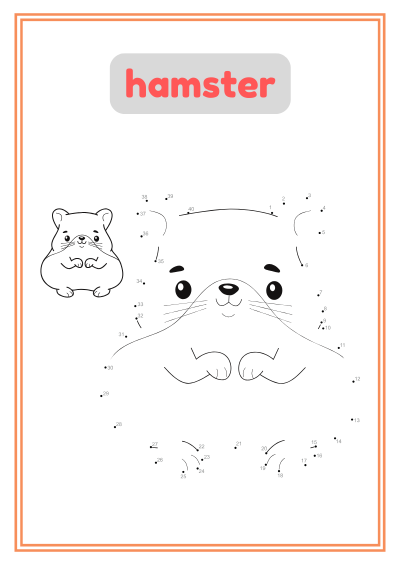
Children will connect the dots to form adorable pictures, trace shapes, and color them while exploring comparison concepts like size, height, and weight. These activities help children improve fine motor skills, number recognition, hand-eye coordination, and observation, while also reinforcing early math concepts in a playful way.
Why are dot-to-dot and comparison activities important? Connecting dots supports number sequencing and logical thinking, while comparing objects enhances problem-solving and critical reasoning. This combination encourages kids to focus, count carefully, and understand relationships between objects—key skills for early math development.
With bright, easy-to-follow designs and age-appropriate exercises, this free printable PDF is perfect for classroom learning, homeschool practice, or at-home creative fun.
You may also like :
[gallery ids="5923,6266,5914"]Frequently Asked Questions
Q1. Is this worksheet free to download?Yes, this worksheet is 100% free to download and print. No account, subscription, or payment is required. Click the Download Now button to get your free PDF instantly.Q2. What format is this worksheet available in?This worksheet is available as a printable PDF file. It is black-and-white, printer-friendly, and works on any standard home or classroom printer using A4 or US Letter paper.Q3. Can I use this worksheet for both classroom and home learning?Yes, these worksheets are designed for use by classroom teachers, homeschool parents, and tutors. They can be used as morning work, homework, revision practice, or learning centre activities.Q4. Can this coloring worksheet be used as a classroom activity?Yes, this worksheet works well as a quiet time activity, early finisher work, morning warm-up, or take-home creative activity.Q5. Is this coloring worksheet themed around learning content?Yes, our coloring worksheets are designed to combine creative activity with educational content such as alphabet recognition, numbers, animals, and seasonal themes.Dot-to-Dot Tracing and Coloring Worksheets PDF for Kindergarten | Free Downloadable
Dot-to-Dot Tracing and Coloring Worksheets PDF for Kindergarten
It is designed especially for kindergarten students, homeschool parents, and teachers across the US. This fun-filled worksheet helps kids develop essential early learning skills while sparking creativity and curiosity.
Children will connect the dots to form adorable pictures, trace shapes, and color them while exploring comparison concepts like size, height, and weight. These activities help children improve fine motor skills, number recognition, hand-eye coordination, and observation, while also reinforcing early math concepts in a playful way.
Why are dot-to-dot and comparison activities important? Connecting dots supports number sequencing and logical thinking, while comparing objects enhances problem-solving and critical reasoning. This combination encourages kids to focus, count carefully, and understand relationships between objects—key skills for early math development.
With bright, easy-to-follow designs and age-appropriate exercises, this free printable PDF is perfect for classroom learning, homeschool practice, or at-home creative fun.